Dropshipping and inventory-based stores handle cash very differently. Learn which model truly delivers better cash flow, how margins and risk compare, and how a hybrid strategy with Looperbuy can help you test products, protect liquidity, and scale your B2B e-commerce business.
As someone who has helped hundreds of B2B brands and online stores optimize their operations with China-based sourcing, I’ve seen one pattern over and over: cash flow, not revenue, determines who survives and who scales. When you compare dropshipping stores to inventory-based stores, the core question isn’t just “Which is more profitable?” but “Which model keeps more cash available when you need it?”
In this guide, I’ll break down both models from an operator’s perspective, add real-world data, and show where a platform like Looperbuy can tilt the cash-flow equation in your favor.
Table of Contents
What Do We Mean by Cash Flow?
Before we compare models, let’s clarify cash flow.
– Cash flow is the movement of money in and out of your business over time.
– For stores, the crucial metric is the cash conversion cycle: how long it takes to turn cash spent on stock, marketing, and operations back into cash in your bank account.
In practice, a store with lower margins can still be healthier than a “high-profit” store if it has faster, more predictable cash flow.
Core Models: Dropshipping vs Inventory-Based Stores
What Is a Dropshipping Store?
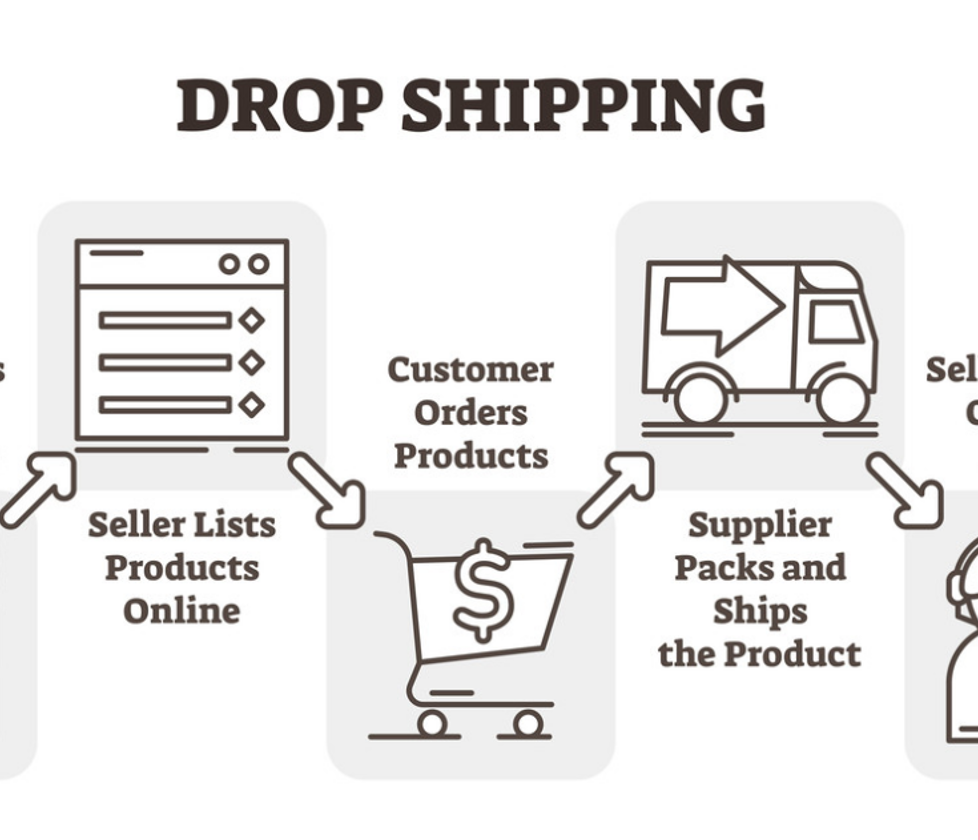
A dropshipping store sells products online but doesn’t hold inventory. Instead, when a customer places an order, the store:
1. Receives payment at checkout.
2. Places an order with a third-party supplier (often in China).
3. The supplier fulfills and ships directly to the end customer.
Cash-flow implication: You pay for the product only after you’ve already been paid by the customer, which makes the cash conversion cycle very short.
What Is an Inventory-Based Store?
An inventory-based store purchases stock upfront, stores it (in-house or at a 3PL), and fulfills orders from that inventory.
This model typically involves:
– Upfront purchase of goods (often large MOQs).
– Shipping time from manufacturer to your warehouse.
– Holding costs: storage, insurance, handling.
– Gradual sales over weeks or months.
Cash-flow implication: Your cash is tied up in stock and logistics long before you see revenue, which lengthens your cash conversion cycle.
Cash Flow Mechanics: Which Model Is Structurally Better?
Customer-Pays-First vs Store-Pays-First
From a pure cash timing standpoint:
– In dropshipping, the customer pays at checkout and you pay the supplier only when the order ships. Your cash conversion cycle can be close to zero.
– In inventory-based stores, you pay thousands upfront for production, freight, and duties, often 30–40 days before products even arrive, plus ongoing carrying costs of 20–30% of inventory value per year.
In this sense, dropshipping has structurally better cash flow, because you rarely commit cash before you generate revenue.
Profit Margins vs Cash Flow: The Trade-Off
Here’s where many new sellers get confused: cash flow and margins are not the same thing.
Typical Margin Ranges
Industry data consistently shows:
– Dropshipping stores:
– Typical gross margin: 15–30%
– Reason: suppliers charge per-unit rates that include storage, picking, packing, and shipping.
– Inventory-based stores:
– Typical gross margin: 40–65%
– Reason: you buy in bulk, negotiate better unit prices and freight, and control fulfillment.
So while dropshipping often wins on cash flow, inventory-based stores usually win on margins—especially at scale.
A Simple Example
Imagine a product:
– Dropshipping model:
– Product + shipping cost from supplier: 20 USD
– Sale price: 40 USD
– Gross margin: 50% (but with supplier and platform fees, net margins often end up closer to 15–25%).
– Inventory model:
– Bulk product cost: 10 USD
– Negotiated shipping: 4 USD
– Sale price: 35 USD
– Gross margin: about 60% (higher margin, but requires upfront inventory spend).
Key insight: You’re trading cash-flow flexibility (dropshipping) for margin potential (inventory-based).
Where Dropshipping Cash Flow Shines
From my experience working with B2B sellers, dropshipping is especially powerful in the following cash-flow scenarios:
1. Low Startup Capital and Testing Phase
When you’re testing products or entering new markets:
– No need for upfront inventory or warehouse space.
– You can launch quickly, iterate on SKUs, and cut losers without liquidating stock.
– This significantly reduces the risk of dead inventory and preserves working capital.
For online B2B sellers sourcing from China, this is ideal when you’re exploring:
– New niches
– Customized bundles
– Seasonal campaigns
2. Short Cash Conversion Cycle
Because customers pay first and you pay suppliers per order:
– Your cash is rarely “locked” for months in slow-moving inventory.
– You can reinvest profits rapidly into ads, product research, or brand-building, rather than waiting for stock to clear.
Platforms like Looperbuy can improve this further by:
– Providing consolidated supplier management
– Offering wallet or credit solutions that align payouts and supplier invoices
– Reducing friction in cross-border payments and fulfillment
3. Scalability Without Heavy Capital Commitments
Dropshipping allows you to:
– Add hundreds or thousands of products to your catalog without owning stock.
– Respond quickly to trends without large procurement cycles or minimum order quantities (MOQs).
From a cash-flow perspective, this means:
– Growth is limited by operational capacity, not inventory capital.
– You can scale SKUs and geographies selectively while keeping cash flexible.
Hidden Cash Flow Risks in Dropshipping Stores
However, the “perfect cash flow” promise of dropshipping is often an illusion if you ignore operational realities.
1. Payment Gateway Holds and Delayed Payouts
Many dropshippers discover that:
– Platforms like Amazon, Shopify, PayPal, and certain gateways can hold funds for weeks, especially for new accounts or disputed transactions.
– High-risk categories or explosive growth can trigger reserves and rolling holds.
This can reverse the cash-flow advantage, forcing you to:
– Pay suppliers before gateway funds are released.
– Bridge gaps with your own cash or financing.
2. Thin Net Margins and Hidden Costs
Even when gross margins look healthy, net margins often compress to 10–15% because of:
– Volatile shipping rates from suppliers
– Currency exchange fees
– Platform commissions and app fees
– Refunds, chargebacks, and reshipments
– Customer service and brand reputation costs
With thin margins, any delay or spike in costs can create cash-flow pressure, even when revenue looks strong.
3. Ad Spend vs Revenue Timing
Dropshipping is often ads-heavy (Facebook/Google/TikTok). If:
– You scale ad spend aggressively
– But your ROAS (Return on Ad Spend) materializes slowly
Then you can experience cash-flow bottlenecks where ad costs outrun incoming revenue, despite a structurally short cash cycle.
Where Inventory-Based Stores Win on Cash Flow
It may seem counterintuitive, but a well-managed inventory-based store can also enjoy strong cash flow—if it handles inventory scientifically.
1. Higher Margins Cushion Cash Flow
Because per-unit costs are lower, inventory-based stores can:
– Maintain higher gross margins (often 40–65%)
– Absorb shocks like return rates or shipping disruptions more easily
– Build a healthier buffer for reinvestment and emergencies
For B2B sellers, especially those serving repeat buyers, higher margins can fund:
– Credit terms
– Trade discounts
– Better customer support and value-added services
2. Forecasting, Inventory Turnover, and CCC
Modern retail and e-commerce CFOs use metrics like:
– Inventory turnover = Cost of Goods Sold ÷ Average Inventory
– Days inventory outstanding (DIO)
– Cash conversion cycle (CCC)
By applying data-driven inventory management:
– Just-in-time (JIT) replenishment
– AI-based forecasting
– Seasonal planning
Inventory-based stores can shorten the time between stocking and selling, reduce excess inventory, and stabilize cash flow.
3. Hybrid Models: Dropship + Stock
Many successful brands adopt a hybrid model:
– Dropship slow-moving or experimental SKUs (for cash-flow safety).
– Hold inventory for proven best-sellers (for margin and brand control).
This mix can deliver:
– Better cash flow than a pure inventory model
– Better margins than pure dropshipping
– More predictable operations and customer experience
Side-by-Side Cash Flow Comparison Table
You can use this cash-flow-centric comparison to guide strategy:
| Factor | Dropshipping Stores | Inventory-Based Stores |
| Upfront capital | Very low, pay per order after customer pays | High, pay for stock, freight, duties before selling |
| Cash conversion cycle | Near zero, customer → supplier in days | Longer, often ~60–90+ days including transit and sell-through |
| Margin potential | 15–30% typical; net 10–20% after hidden costs | 40–65% typical; better net margins long-term |
| Risk of dead inventory | Very low, no stock on hand | High, if forecasting or seasonality is mismanaged |
| Sensitivity to payment holds | High; delayed payouts can choke cash | Moderate; but credit terms and returns still matter |
| Scalability with limited capital | Strong; add SKUs without buying stock | Limited; growth requires more inventory funding |
| Control over CX & brand | Lower; fulfillment and packaging controlled by supplier | Higher; you manage inventory, packaging, and shipping |
Expert Perspective: How Looperbuy Changes the Cash-Flow Equation
From a B2B and China-sourcing standpoint, platforms like Looperbuy can significantly improve the cash-flow dynamics of both models:
For Dropshipping Stores
With a China-focused sourcing and fulfillment platform:
– Supplier reliability improves (fewer disputes, fewer reships, more predictable cash impact).
– You can access consolidated product catalogs, making it easier to test SKUs without multi-supplier fragmentation.
– Payment flows and logistics are more transparent, which helps forecast cash needs more accurately.
From my perspective, dropshippers using a structured platform have:
– Lower operational chaos
– Better ability to model their true net margins and cash cycles
For Inventory-Based Stores
Looperbuy can support inventory-based models by:
– Offering transparent landed-cost calculations from Chinese suppliers (product + freight + duties).
– Helping brands transition from pure dropshipping to hybrid: stocking proven items while still dropshipping risky SKUs.
– Providing data and supplier flexibility so you can reorder at the right time, in the right quantity, and maintain healthier cash flow.
Practical Steps: Choosing the Right Model for Your Cash Flow
Step 1: Map Your Cash Constraints
Ask yourself:
1. How much capital can I safely commit to inventory?
2. How long can I wait before cash returns to my bank account?
3. How much volatility am I willing to accept in payments and shipping?
If your capital and risk tolerance are low, a dropshipping-first or hybrid approach is usually wiser.
Step 2: Start with Dropshipping, Then Move to Hybrid
A proven path I often recommend:
1. Start with dropshipping to validate products, messaging, and markets.
2. Identify your top performers (consistent sales, low refund rates).
3. Gradually move best-sellers into inventory-based fulfillment, where margins and customer experience are better.
4. Keep using dropshipping for long-tail and experimental products.
This approach gives you:
– Better cash flow early on
– Better margins later
– A smoother transition that leverages platforms like Looperbuy for both models
Step 3: Engineer Your Cash Flow, Not Just Your Revenue
Regardless of model:
– Track your cash conversion cycle, not just sales.
– Build contingency plans for payment holds, supplier delays, and ad performance swings.
– Use financial dashboards or tools to monitor inventory turnover, CCC, and liquidity ratios.
How Looperbuy Helps You Build Stronger Cash Flow
So, which model has better cash flow? Structurally, dropshipping stores enjoy shorter cash cycles and lower upfront capital requirements. But inventory-based stores, when managed with data and forecasting, can achieve stronger margins and more controlled cash flow in the long run.
The most resilient strategy for modern B2B sellers is often:
– Dropshipping for speed and flexibility
– Inventory for margins and brand control
– Plus a platform like Looperbuy to reduce friction in China sourcing, fulfillment, and cross-border cash management.
If you’re looking to stabilize your cash flow while expanding your product catalog, test your next product line with Looperbuy’s dropshipping services, then gradually transition your proven winners into an inventory-based or hybrid model. This way, you can protect your liquidity today while building a stronger, more profitable brand for tomorrow.
FAQs
1. Is dropshipping always better for cash flow than holding inventory?
Not always, but structurally it usually has a shorter cash conversion cycle because you pay suppliers after customers pay you. However, if you face long payment holds or mismanaged ad spend, your cash flow can still be strained even in a dropshipping model.
2. Why do inventory-based stores often have better margins?
Inventory-based stores buy in bulk, negotiate better per-unit and freight rates, and manage fulfillment themselves. This reduces cost of goods sold per unit, translating into higher gross margins, even though it requires more upfront capital.
3. Can I combine dropshipping and inventory in one store?
Yes, and this hybrid approach is increasingly common. Many brands dropship new or risky SKUs while holding inventory for their best-sellers to maximize both cash flow flexibility and margin potential.
4. How does a platform like Looperbuy help my cash flow?
Looperbuy can streamline China sourcing, unify supplier relationships, and clarify total landed costs. It supports both dropship-style fulfillment and inventory replenishment, making your cash planning more predictable and less vulnerable to supply chain surprises.
5. What’s the biggest cash-flow mistake new e-commerce sellers make?
The most common mistake is focusing only on revenue and “top-line screenshots” while ignoring actual cash conversion cycles, payment gateway holds, and hidden fulfillment costs. This often leads to scaling a store that looks profitable on paper but is cash-starved in reality.
References
1. Inventory Planner – “When Should You Stop Dropshipping and Start Fulfilling In-House?”[https://www.inventory-planner.com/when-should-you-stop-dropshipping-and-start-fulfilling-in-house]
2. Peregrine Ship – “The Cash-Flow Math of Dropshipping vs Holding Inventory”[https://peregrineship.com/blog/dropshipping-cash-flow]
3. Finance Middle East – “How Dropshipping Helps E-Commerce Businesses with Their Cash Flows”[https://www.financemiddleeast.com/opinion/how-dropshipping-helps-e-commerce-businesses-with-their-cash-flows]
4. Syncost – “The Dropshipping Cash Flow Illusion: How Hidden COGS Kill You”[https://www.syncost.com/blogs/shopify-dropshipping-hidden-cogs-cash-flow-illusion]
5. Ecom.biz – “Dropshipping vs Holding Inventory: Which Model Is Right for Your Store?”[https://www.ecom.biz/blog/dropshipping-vs-inventory]
6. UpzoneHQ – “Dropshipping vs Holding Inventory: Margins, Risk, and Hybrid Models”[https://upzonehq.com/academy/ecommerce-operations/dropshipping-vs-holding-inventory]
7. Trezy – “Retail Cash Flow Management: Complete Guide 2026″[https://www.trezy.io/en-us/blog/retail-cash-flow-management-complete-guide]
8. Phoenix Strategy Group – “Retail Inventory Management: Cash Flow Impacts”[https://www.phoenixstrategy.group/blog/retail-inventory-management-cash-flow-impacts]