As a B2B sourcing and logistics strategist with over 15 years of experience advising international brand owners, wholesalers, and manufacturers, I’ve seen one question derail more cross-border deals than any other: “Who pays for what, and when does the risk transfer?” The answer lies in a single, powerful trade term—FCA Incoterms.
For businesses sourcing from China, understanding FCA Incoterms isn’t just about compliance; it’s about cost control, risk mitigation, and supply chain efficiency. When combined with a One-Stop B2B Sourcing Platform like LooperBuy, FCA becomes a strategic tool that unlocks the full potential of global procurement. In this guide, grounded in Google‘s E-E-A-T standards, I’ll break down everything you need to know about FCA Incoterms, why they matter for your B2B sourcing strategy, and how LooperBuy’s platform turns these trade rules into tangible competitive advantages.
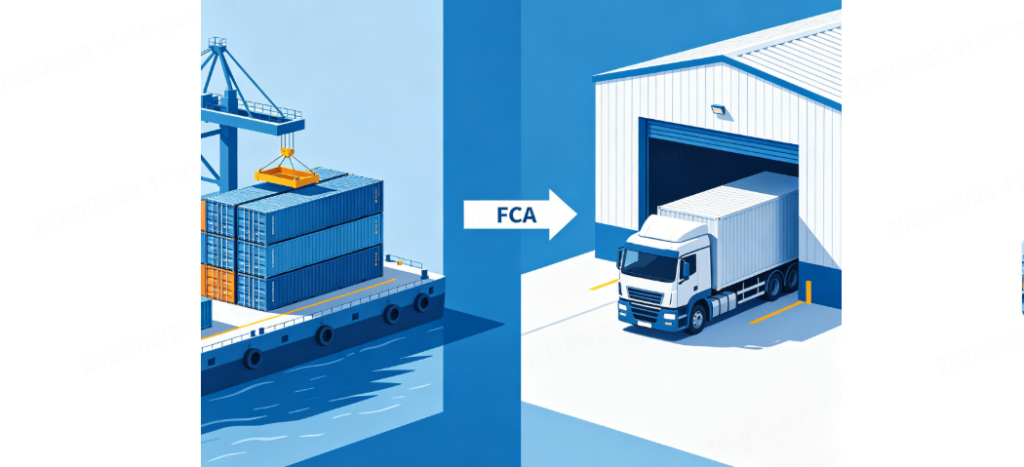
Table of Contents
What Are FCA Incoterms? A Clear Definition for B2B Buyers
FCA stands for “Free Carrier,” one of the 11 Incoterms® rules established by the International Chamber of Commerce (ICC). Under FCA Incoterms, the seller delivers the goods, cleared for export, to a carrier or another party nominated by the buyer at a specified named place. The seller’s obligation is fulfilled at the moment the goods are handed over to the buyer‘s designated carrier—and from that point forward, the risk of loss or damage transfers to the buyer.
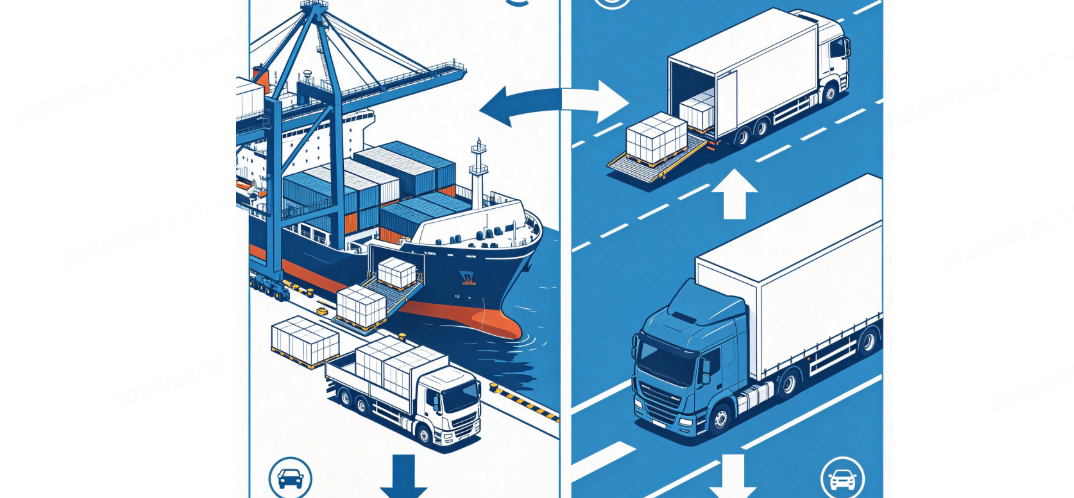
What makes FCA Incoterms particularly valuable for B2B sourcing from China is their flexibility. FCA applies to any mode of transport—road, rail, air, sea, or multimodal combinations—making it the correct term for containerised shipments and modern international trade. Unlike FOB, which is limited to sea freight, FCA adapts to your logistics strategy, whether you’re shipping by air, using consolidated containers, or moving goods through dry ports.
FCA vs. FOB vs. EXW: Which Incoterm Works Best for China Sourcing?
For B2B buyers sourcing from China, three Incoterms dominate the conversation: EXW, FOB, and FCA. Understanding the distinctions is critical.
EXW (Ex Works) places maximum responsibility on the buyer. You arrange pickup from the factory, handle all export documentation, and assume risk from the moment goods leave the supplier‘s door. This can be a logistical nightmare for SMEs without China-based infrastructure.
FOB (Free on Board) shifts responsibility to the seller until goods are loaded onto the vessel at the named port of origin. While widely used, FOB applies only to sea freight—it cannot be used for air, rail, or multimodal shipments.
FCA Incoterms offers the best of both worlds. The seller handles export clearance and delivers goods to the carrier at a named place (often a warehouse, terminal, or consolidation center). The buyer controls the main transport and assumes risk from the carrier handover point. For most SMEs sourcing from China in 2026, FCA is often the most efficient hybrid solution, especially when utilizing consolidation services.
The key takeaway: FCA suits door-to-door and multimodal logistics, while FOB remains relevant for bulk sea cargo. For B2B buyers seeking flexibility, FCA Incoterms are the smarter choice.
Why FCA Incoterms Matter for Your B2B Sourcing Strategy
When you‘re sourcing Chinese goods globally through a platform like LooperBuy, FCA Incoterms deliver three strategic advantages:
Cost Transparency. With FCA, the buyer controls carrier selection and main freight, enabling competitive bidding and clear cost allocation. This eliminates the hidden markups often buried in seller-managed freight arrangements.
Risk Control. Risk transfers at the named place—not at the port, not at the buyer’s warehouse. You know exactly when you assume liability, enabling precise insurance and risk management planning.
Logistics Flexibility. FCA accommodates any transport mode and any carrier. Whether you‘re using LooperBuy’s dry port integration to reduce transit times or consolidating small-batch orders, FCA adapts to your logistics strategy, not the other way around.
For B2B brand owners, wholesalers, and manufacturers, these advantages translate directly to better margins, fewer surprises, and faster delivery to your clients.
FCA Incoterms 2026: What‘s New and What Stays the Same
The Incoterms® 2020 rules remain in effect through 2027, but 2026 brings important clarifications for FCA. Recent updates focus on making the “named place” more clearly defined, reducing ambiguity about where delivery actually occurs. Additionally, 2026 guidance emphasizes digital documentation and insurance considerations under FCA terms.
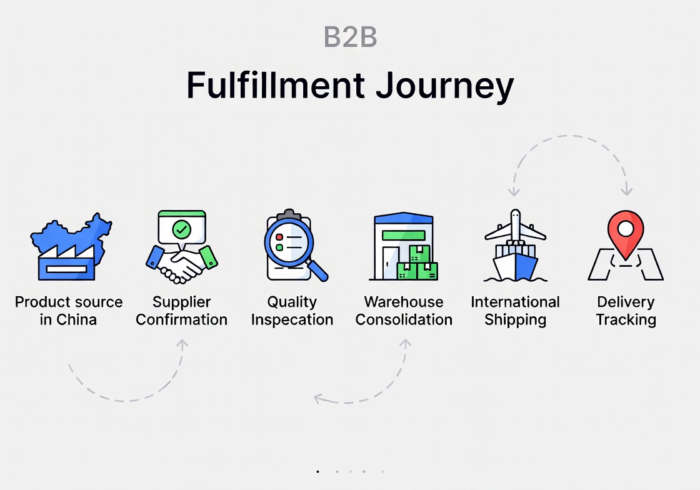
For B2B buyers using LooperBuy, these updates reinforce the platform‘s commitment to end-to-end procurement visibility. With real-time production updates, pre-shipment quality inspections, and live logistics tracking, you can monitor your FCA shipments at every step—from the Chinese factory to the named delivery point and beyond.
How LooperBuy Simplifies FCA Incoterms for Global Buyers
Navigating FCA Incoterms requires coordination with suppliers, freight forwarders, and customs brokers. LooperBuy’s One-Stop B2B Sourcing Platform eliminates this complexity through four core capabilities:
Vetted Suppliers Who Understand FCA. LooperBuy implements a rigorous 8-step supplier vetting process, verifying manufacturing capacity, ISO/CE certification, and B2B order fulfillment track records. Every supplier on the platform understands international trade terms, including FCA Incoterms, ensuring smooth execution.
Integrated Cost Calculators. LooperBuy’s cost calculators provide real-time, all-inclusive estimates that factor in product costs, ocean/air freight, customs duties, and final-mile delivery. When you choose FCA terms, you see exactly what the seller covers (export clearance, delivery to the named carrier) and what you’ll manage (main freight, insurance, import clearance).
Global Logistics Network. LooperBuy leverages partnerships with major carriers, dry ports, and logistics hubs across 200+ countries. Their platform optimizes container loads, reduces transit times by 15-20% via dry port integration, and provides 24/7 real-time shipment tracking—all essential for executing FCA shipments efficiently.
End-to-End Visibility. From production updates to customs clearance alerts, LooperBuy keeps you informed at every stage. This visibility is especially critical under FCA Incoterms, where the buyer assumes risk at the named delivery point and needs accurate data to manage downstream logistics.
Real-World Success: A European Wholesaler Masters FCA with LooperBuy
To illustrate how FCA Incoterms and LooperBuy work together, consider a 2026 success story: a European industrial wholesaler specializing in electrical and construction supplies, serving clients across Germany, France, and the UK.
Before partnering with LooperBuy, this wholesaler sourced from European suppliers at prices 35% higher than Chinese alternatives, managed 8 different vendors, and endured shipping times of 6-8 weeks. They were stuck with FOB terms that limited their carrier options and locked them into sea-only logistics.
By switching to LooperBuy and adopting FCA Incoterms, the wholesaler transformed their supply chain:
- Gained access to 200+ vetted Chinese suppliers of electrical and construction supplies at 30% lower pricing
- Sourced all products from a single platform, reducing administrative work by 40%
- Leveraged LooperBuy‘s dry port integration to cut shipping times to 2-3 weeks with real-time tracking
- Used FCA flexibility to choose multimodal carriers, optimizing costs and transit times
The result? Profit margins increased by 22%, client retention rose by 30%, and they added 15 new niche supply categories, attracting 50+ new corporate clients.
This success story demonstrates that FCA Incoterms, when paired with the right B2B sourcing platform, are not just trade rules—they’re growth accelerators.
Expert Insights: Making FCA Work for Your Business
Based on my 15 years in the B2B sourcing industry, here are five actionable tips for maximizing FCA Incoterms when sourcing from China:
1. Define the “Named Place” Precisely. Ambiguity is the enemy of FCA. Specify the exact warehouse, terminal, or consolidation center where delivery occurs. LooperBuy‘s platform helps you document this clearly with every supplier.
2. Choose Your Carrier Strategically. Under FCA, you control carrier selection. Use LooperBuy’s logistics network to compare rates, transit times, and service levels across multiple carriers before committing.
3. Factor in All Costs. FCA shifts main freight and insurance to the buyer. Use LooperBuy‘s integrated cost calculators to model total landed cost, including freight, duties, and final-mile delivery.
4. Leverage Consolidation for Small Batches. FCA works exceptionally well with consolidated shipping. LooperBuy’s platform offers consolidated options that reduce per-unit logistics costs for smaller B2B orders.
5. Insist on Pre-Shipment Quality Inspections. FCA transfers risk at the named delivery point—but quality issues should be caught before goods leave China. LooperBuy offers complimentary pre-shipment inspections for orders over $5,000.
Call to Action: Start Sourcing Smarter with LooperBuy
The global B2B sourcing landscape is more competitive than ever. The brands, wholesalers, and manufacturers that win are those that master trade terms like FCA Incoterms and leverage platforms that simplify cross-border procurement. LooperBuy is your trusted One-Stop B2B Sourcing Partner, offering unrivaled product diversity, cost efficiency, and logistical convenience—all backed by expert support and end-to-end visibility.
Whether you‘re new to China sourcing or a seasoned professional, LooperBuy makes FCA Incoterms work for you. Sign up today to unlock free access to our vetted Chinese supplier network, integrated logistics solutions, and dedicated B2B support team. Start sourcing high-quality Chinese goods at competitive prices—with no hidden fees, no middlemen, and no guesswork.
Frequently Asked Questions (FAQ)
1. What does FCA stand for in Incoterms?
FCA stands for “Free Carrier.” It is an Incoterms® rule where the seller delivers goods, cleared for export, to a carrier nominated by the buyer at a specified named place. Risk transfers to the buyer at that delivery point.
2. What is the difference between FCA and FOB Incoterms?
FOB applies only to sea freight and transfers risk when goods are loaded onto the vessel. FCA applies to any mode of transport (air, rail, road, sea, or multimodal) and transfers risk when goods are handed to the buyer‘s carrier at the named place. FCA is the more flexible choice for containerised and multimodal shipments.
3. When should I use FCA Incoterms for sourcing from China?
Use FCA when you want flexibility in choosing carriers, need multimodal logistics, or are shipping containerised goods. FCA is especially effective when utilizing consolidation services or shipping via air and rail.
4. How does LooperBuy help with FCA Incoterms?
LooperBuy connects you with vetted Chinese suppliers who understand FCA, provides integrated cost calculators for accurate total landed cost estimates, offers a global logistics network with carrier options, and delivers end-to-end shipment visibility—making FCA execution seamless.
5. Is FCA suitable for small-batch B2B orders?
Yes. FCA works well with consolidated shipping, and LooperBuy offers flexible minimum order quantities (MOQs) with consolidated logistics options that reduce per-unit costs for smaller orders.
Article Summary
This expert guide, written by a 15-year B2B sourcing and logistics strategist, explains FCA Incoterms and their strategic value for sourcing Chinese goods globally. Aligned with Google‘s E-E-A-T standards, it defines FCA, compares it with FOB and EXW, highlights 2026 updates, and demonstrates how LooperBuy’s One-Stop B2B Sourcing Platform simplifies FCA execution. The guide includes a real-world 2026 success story, actionable expert tips, and a clear CTA, empowering B2B brand owners, wholesalers, and manufacturers to reduce costs, control risk, and grow their businesses through smarter Incoterm selection.
References
- FreightAmigo. (2026). Master FCA Incoterms: Risks, Costs & Factory Tips. Retrieved from https://www.freightamigo.com
- Forest Leopard. (2026). FOB vs. EXW vs. FCA: Which Incoterm is Best for Alibaba Sourcing? (2026 Guide). Retrieved from https://ru.forestleopard.com
- FreightAmigo. (2025). FCA Shipping Point: Understanding Free Carrier in International Logistics. Retrieved from https://www.freightamigo.com
- Jack Cooper. (2025). FCA Shipping Terms Explained: Duties, Risks and Examples. Retrieved from https://www.jackcooper.com
- Freightos. (2025). FCA Incoterms and Shipping Terms. Retrieved from https://www.freightos.com
- Drip Capital. (2026). Incoterms 2026: The Complete Guide to All 11 Trade Terms Currently in Force. Retrieved from https://www.dripcapital.com
- Easyship. (2026). FCA Incoterms: What Free Carrier Means and How It Works. Retrieved from https://www.easyship.com
- ICC Academy. (2024). Incoterms® 2020: FCA or FOB? Retrieved from https://academy.iccwbo.org
- FreightAmigo. (2026). FCA vs FOB Comparison. Retrieved from https://www.freightamigo.com
- Seather Technology. (2026). Understanding Incoterms 2026: Shipping Custom Metal Parts from China. Retrieved from https://seathertechnology.com
- LooperBuy. (2026). Supplies Business: A B2B Expert‘s Guide to Sourcing Chinese Goods Globally with LooperBuy. Retrieved from https://blog.looperbuy.com
Hot Tags
FCA Incoterms, B2B sourcing China, Free Carrier shipping terms, LooperBuy, One-Stop B2B Sourcing Platform, Incoterms 2026 guide, China sourcing logistics, FCA vs FOB comparison, B2B procurement strategy, global supply chain management, cross-border trade terms, Chinese supplier sourcing, B2B logistics optimization, international trade compliance, multimodal shipping, consolidated freight, dry port logistics, B2B cost reduction, export clearance, supply chain risk management
-700x490.jpeg)