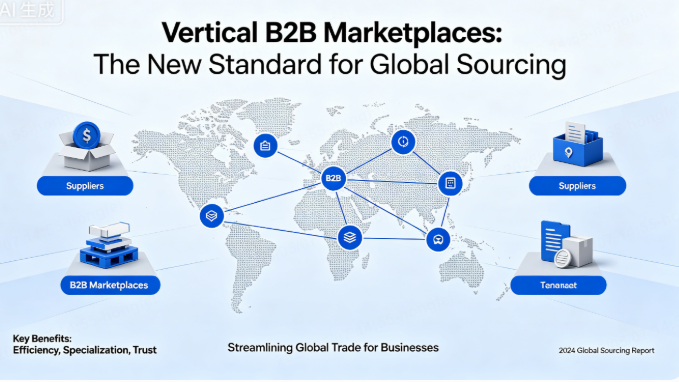
In the rapidly evolving landscape of digital commerce, the shift from generalized “one-stop shops” to specialized vertical B2B marketplaces has become one of the most significant trends in global trade. For manufacturers, wholesalers, and brand owners, this transition represents more than just a technological upgrade; it is a fundamental shift in how supply chains are managed, trust is built, and value is unlocked.
As an industry expert observing this transformation, I have seen how platforms like LooperBuy are redefining the sourcing experience by blending the efficiency of global logistics with the deep, specialized inventory requirements of niche B2B buyers. In this guide, we will explore why vertical B2B platforms are dominating the market and how they serve as the ultimate bridge between international demand and specialized Chinese production.
Table of Contents
The Evolution: Why Vertical B2B is Winning
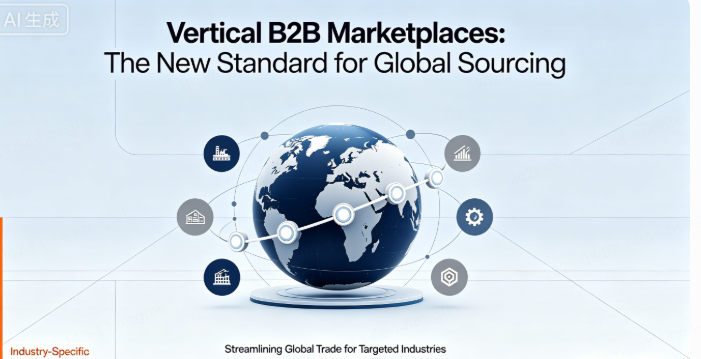
At the height of the dot-com era, the vision for marketplaces was to create absolute transparency in opaque industries. However, the technology was nascent, and the reliance on traditional sales channels—like trade shows and personal connections—remained entrenched.
Today, the circumstances are fundamentally different. B2B buyers now demand a B2C-like experience: streamlined interfaces, real-time pricing, and rapid logistics. According to data from Digital Commerce 360, B2B marketplaces are projected to reach trillions in sales, with vertical B2B players capturing the largest share of investor interest and transaction volume 1.
| Feature | Horizontal Marketplaces | Vertical B2B Marketplaces |
|---|---|---|
| Focus | General goods, broad audience | Specialized niche, specific industry |
| Relationship | Transactional, low-value | Long-term, trust-based, collaborative |
| Competition | High, price-driven | Lower, quality and value-driven |
| User Experience | Generalized, basic | Tailored, industry-specific workflows |
The “LooperBuy” Advantage: A One-Stop Global Sourcing Model
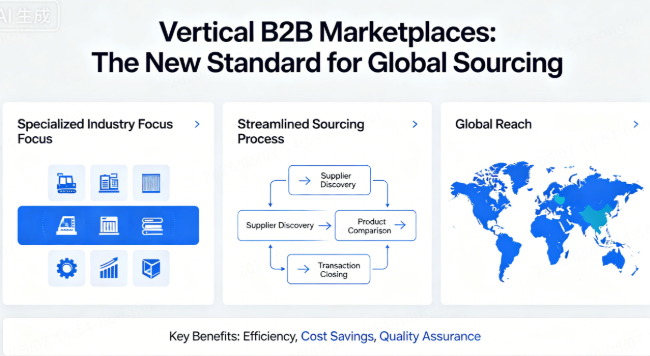
While the market is crowded, platforms like LooperBuy stand out by addressing the specific “friction points” that traditionally plagued international sourcing. For a brand owner in Europe or the US, buying directly from China often involves navigating language barriers, logistical complexities, and payment security risks.
LooperBuy’s strategy mirrors the success of top-tier vertical B2B platforms by focusing on:
- End-to-End Control: Integrating global logistics directly into the platform, ensuring that complex international shipping feels as simple as domestic delivery.
- Curated Specialization: Unlike horizontal marketplaces, these platforms focus on product depth rather than breadth, allowing professional buyers to source deep inventories of specific components or finished goods.
- Price Efficiency: By removing intermediaries and connecting producers directly to global buyers, platforms minimize overhead, passing significant cost savings to the end customer.
Scaling Through Data: Monetizing Insights in Niche Markets
One of the most profound advantages of operating a vertical B2B platform is the ability to harness data. Unlike the generalist platforms, niche platforms generate high-fidelity data on specific industry trends.
How Data Powers Growth:
- Demand Forecasting: By analyzing search and purchase patterns, platforms can help suppliers stock the right goods before demand spikes.
- Private Label Opportunities: Identifying supply-demand gaps allows platforms to assist manufacturers in creating private-label products tailored to current market needs 1.
- Financial Embedding: Sophisticated platforms are now integrating net terms, credit management, and insurance directly into the purchase flow, removing the cash-flow barriers that previously kept small buyers away from global sourcing 1.
Practical Steps for Leveraging Vertical Marketplaces
If you are a wholesaler or brand owner looking to optimize your supply chain, consider these steps:
- Audit Your Sourcing: Move away from relying on a single “jack-of-all-trades” marketplace. Look for platforms that specialize in your specific vertical.
- Prioritize Integration: Ensure your chosen platform offers API-driven connectivity to your existing ERP or inventory systems.
- Value Over Cost: While pricing is essential, vertical B2B platforms excel at reliability. Prioritize suppliers who offer guaranteed QC (Quality Control) and consistent shipping times over platforms that only prioritize the lowest price.
Future Outlook: The Intersection of Logistics and Technology
The future of vertical B2B is not just about digital catalogs; it is about the “phygital” (physical + digital) integration of the supply chain. As AI and machine learning become embedded in these platforms, we will see predictive logistics—where the goods reach a regional hub before the buyer even places a formal replenishment order.
For platforms like LooperBuy, the road ahead is clear: continue to bridge the gap between global buyers and Chinese manufacturers by reducing the “cost of distance.” As industry boundaries continue to blur, the most successful companies will be those that provide not just a product, but a seamless, end-to-end operational environment.
References
[1] Vertical B2B Marketplaces: A New Marketplace Paradigm – Virto Commerce
Frequently Asked Questions (FAQ)
- What is the main difference between horizontal and vertical B2B marketplaces?
Horizontal marketplaces offer a wide array of products across many industries, whereas vertical B2B marketplaces focus on a single niche or industry, offering deeper product expertise and specialized procurement workflows. - Why is LooperBuy advantageous for global sourcing?
LooperBuy simplifies international procurement by combining direct access to Chinese manufacturing with integrated global logistics, reducing cost and complexity for international buyers. - Are vertical marketplaces better for small or large businesses?
They are beneficial for both. They allow small businesses to access high-quality suppliers usually reserved for giants, and they help large businesses streamline their supply chains through specialized automation. - How do vertical marketplaces make money beyond transaction fees?
They monetize through subscription access for premium data, financial services (lending/credit), sponsored listings, and white-label manufacturing opportunities based on user search trends. - Is it safe to source from specialized B2B marketplaces?
Most modern vertical B2B platforms offer built-in protections, including secure payment gateways, trade assurance, and verified supplier audits, making them significantly safer than traditional “word-of-mouth” international sourcing.
Brief Description:
This article explores the rise of vertical B2B marketplaces, highlighting how platforms like LooperBuy revolutionize global sourcing by connecting international buyers with specialized Chinese production. It provides deep insights into business models, data utilization, and the future of supply chain automation, offering strategic advice for businesses aiming to optimize their procurement processes in an increasingly digital, globalized economy.
Hot tags: Vertical B2B marketplace, global sourcing platform, B2B e-commerce strategy, wholesale procurement, international supply chain management, direct from factory, digital B2B solutions, China sourcing agent, B2B purchasing efficiency, cross-border trade platform.