In today’s fast-paced digital landscape, traditional content management systems are struggling to keep up with the demands of modern B2B ecommerce. Enter headless CMS implementation—a revolutionary approach that is transforming how global B2B sourcing platforms operate. With the global B2B ecommerce market projected to reach an astounding $36 trillion by the end of 2026, growing at a compound annual growth rate (CAGR) of 14.5%, the stakes have never been higher for platforms that facilitate cross-border trade. As a B2B sourcing and supply chain strategist with over a decade of experience advising international brand owners and wholesalers, I’ve witnessed firsthand how headless CMS technology is solving critical challenges in global procurement. When integrated into a one-stop B2B sourcing platform like LooperBuy, this architecture delivers unparalleled product diversity, cost transparency, and logistical efficiency—directly from verified Chinese suppliers to buyers worldwide.
💡 Article Overview: This guide explores how headless CMS implementation elevates one-stop B2B sourcing platforms, using LooperBuy as a case study. We’ll examine technical advantages, market trends, and practical steps for global buyers to scale their procurement operations through decoupled content architecture.
Table of Contents
What Is Headless CMS Implementation and Why Does It Matter for B2B Sourcing?
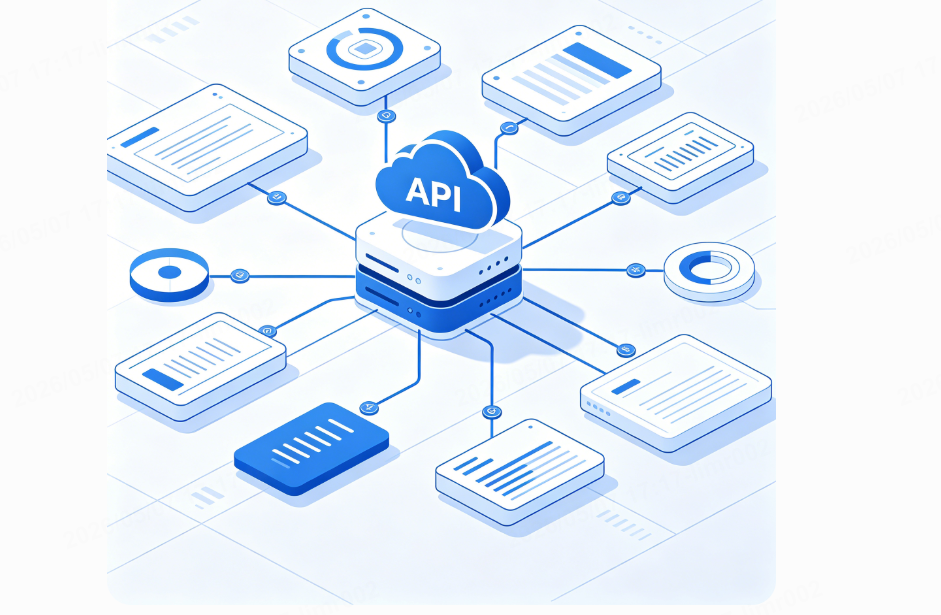
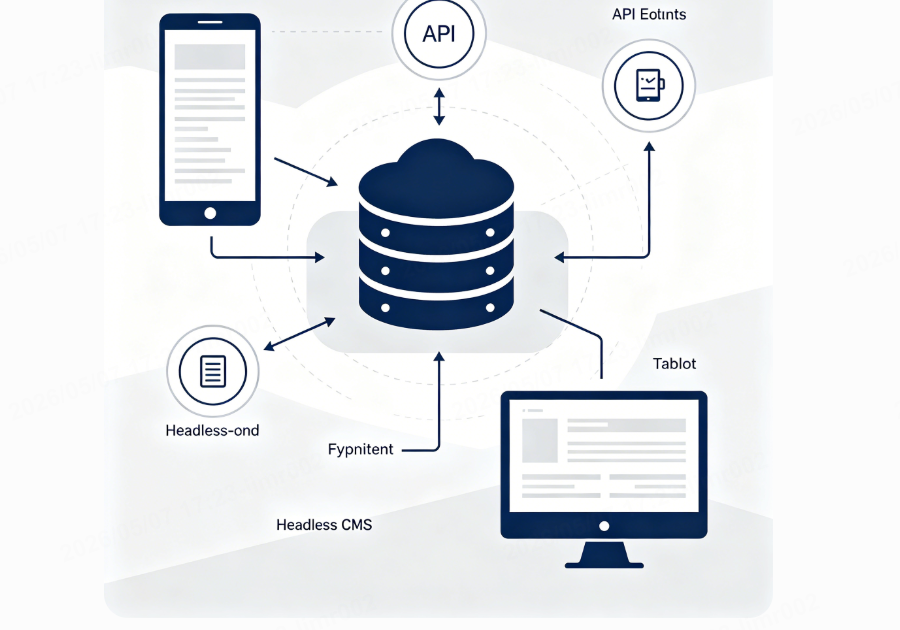
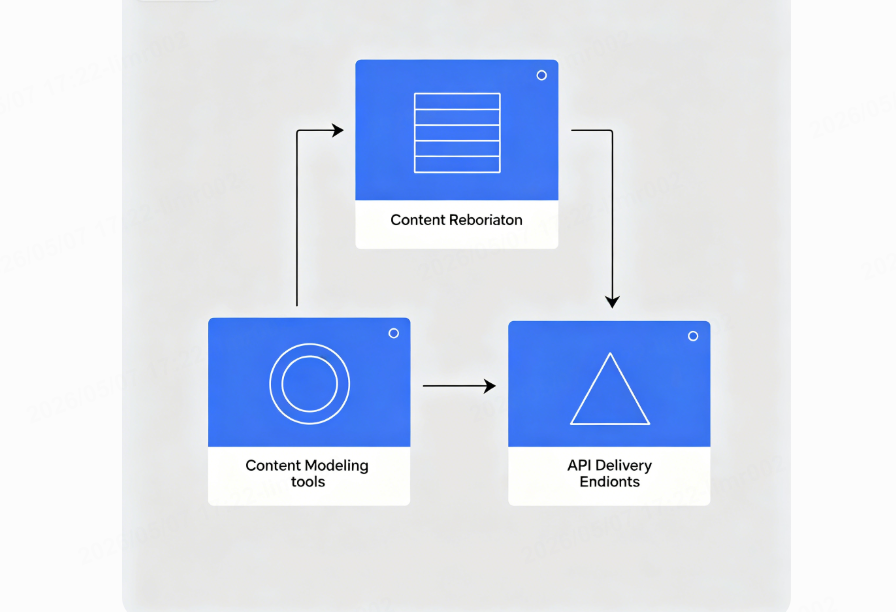
A headless CMS separates content management from content delivery, storing and serving content via APIs rather than forcing it into predefined templates. This decoupled architecture provides exceptional flexibility: developers can push fresh content to any frontend—web portals, mobile apps, or custom dashboards—without disrupting backend operations.
For a one-stop B2B sourcing platform connecting global buyers with tens of thousands of Chinese suppliers, this flexibility translates into tangible business advantages:
Faster updates: Product catalogs refresh instantly without full platform redeployments.
Omnichannel consistency: Buyer portals, mobile dashboards, and partner integrations all access the same verified supplier data through a unified API layer.
Improved SEO agility: Lightweight frontends built with frameworks like Next.js frequently achieve Google Lighthouse scores of 90–100, accelerating organic visibility for B2B search queries.
“The old monolithic system was a nightmare for our team,” shared a procurement manager at a European wholesale distributor. “Every update meant three days of downtime. Since switching to a headless architecture, our catalog updates take hours, not weeks.” This sentiment echoes across the B2B industry, where traditional CMS platforms often become bottlenecks rather than enablers.
Beyond Content: Why One-Stop Sourcing Platforms Outperform Traditional B2B Models
A one-stop B2B sourcing platform like LooperBuy goes far beyond simple product listings. These platforms integrate supplier verification, logistics coordination, and procurement visibility into a single ecosystem—capabilities that align perfectly with headless architecture.
LooperBuy maintains 10,000+ pre-vetted Chinese suppliers across 50+ B2B categories, from industrial components to food packaging. Each supplier undergoes an 8-step vetting process covering manufacturing capacity, ISO/CE certifications, and quality control protocols. This curated ecosystem eliminates the guesswork that plagues traditional sourcing channels:
Traditional Sourcing Challenge
Impact on B2B Buyers
LooperBuy’s Headless-Powered Solution
Unvetted suppliers
Quality inconsistencies, compliance risks
Pre-vetted suppliers with audit trails accessible via API
Hidden costs
Eroded profit margins, budget uncertainty
Real-time cost calculators integrating freight, customs, and delivery
Fragmented products
Multiple vendor management, logistical headaches
10,000+ suppliers in one platform—search, filter, and order
Slow logistics
Missed deadlines, lost sales
Global carrier network with 15–20% faster transit via dry port integration
No visibility
Uncertainty in client commitments
End-to-end tracking from factory floor to final delivery
“We used to work with three different agents just to source industrial wiring from China,” reported a German brand owner featured on LooperBuy’s platform. “The hidden markups were crazy. Now we get direct access to certified factories, real-time logistics tracking, and all-in-one pricing—all in one place.” Such feedback underscores the value proposition that B2B buyers increasingly demand: transparency, efficiency, and accountability delivered through integrated digital infrastructure.
For brand owners, wholesalers, and manufacturers, this means being able to source everything needed—from industrial wiring and packaging materials to electronic components—from a single platform, eliminating the need to coordinate multiple vendors and shipping partners.
SEO Advantages of Headless CMS for B2B Ecommerce Platforms
From an SEO perspective, headless CMS implementation offers distinct advantages over traditional CMS platforms. By separating content from presentation, headless architectures support:
Lightning-fast page loads: Pre-rendered HTML served via CDNs reduces Largest Contentful Paint times, a critical Google ranking factor.
Structured data delivery: JSON-based content formatting is easier for search engines to parse, enhancing indexing for rich snippets and featured results.
API-first flexibility: Marketers can optimize meta tags, schema markup, and canonical URLs without engineering bottlenecks.
These SEO benefits are particularly valuable for one-stop B2B sourcing platforms competing for high-intent search queries like “sourcing Chinese goods” or “global logistics B2B platform.”
Actionable Steps: Scaling Your B2B Sourcing with a Headless-Powered One-Stop Platform
Transitioning to a headless-powered sourcing workflow does not require a complete operational overhaul. Based on my experience advising B2B clients, here is a practical 4-step framework:
Step 1: Audit Your Current Sourcing Infrastructure
Identify bottlenecks in supplier discovery, cost calculation, shipment tracking, and cross-team communication. Determine which processes could benefit from real-time API-driven updates.
Step 2: Select a One-Stop Platform with Headless Capabilities
Choose a partner like LooperBuy that offers API access for product data, order status, and logistics tracking. Verify that the platform maintains pre-vetted suppliers and transparent pricing tools.
Suggested Image Placement: A flowchart showing how a B2B buyer’s request flows from frontend portal → headless CMS API → supplier inventory → logistics coordination → shipment tracking, with LooperBuy’s platform as the central orchestration layer.
Step 3: Train Your Procurement Team on API-Driven Workflows
Equip your team to leverage real-time dashboards and automated alerts. The goal is to reduce manual data entry and accelerate decision-making.
Step 4: Measure and Optimize Key Metrics
Track order fulfillment times, landed costs accuracy, and customer satisfaction scores. Use these insights to refine sourcing strategies and platform configurations.
Real User Insights: What B2B Buyers Are Saying About Headless-Powered Sourcing
The shift toward integrated B2B platforms is not just a technological trend—it is a response to real buyer demands for efficiency and transparency. Here is what some LooperBuy users have shared:
“As a wholesaler sourcing from 15+ Chinese factories, we struggled with order tracking and quality control. LooperBuy’s platform gave us a single dashboard to monitor everything—from production updates to pre-shipment inspections. Our delivery reliability improved by over 30% in six months.”
— Marco R., Wholesale Distributor, Italy
“The built-in cost calculator saved us thousands in hidden fees. We now know exact landed costs before placing an order—no more surprises from freight forwarders or customs brokers. It’s a game-changer for our profit margins.”
— Sarah L., Procurement Director, Canada
These testimonials highlight the practical benefits of integrated sourcing platforms: reduced complexity, predictable costs, and measurable performance improvements.
Conclusion: The Future Is Headless and Integrated
As the global B2B ecommerce market continues its rapid expansion toward $36 trillion, the ability to source efficiently from China’s vast manufacturing ecosystem will separate market leaders from followers. Headless CMS implementation provides the technical foundation for agile, transparent, and scalable procurement—and when combined with the comprehensive capabilities of a one-stop B2B sourcing platform like LooperBuy, it delivers an unmatched solution for global brand owners, wholesalers, and manufacturers.
Whether you are just beginning to source from China or looking to optimize an existing supply chain, modern, headless-powered platforms represent the future of B2B commerce. The technology is mature, the market is ready, and the benefits are measurable. The question is no longer if you should adopt these solutions, but when—and how quickly you can move to capture the advantages they offer.
🚀 Ready to transform your cross-border sourcing?Explore LooperBuy’s platform today and discover how headless-powered infrastructure can streamline your global procurement.
Frequently Asked Questions (FAQ)
Q1: What is the difference between a headless CMS and a traditional CMS?
A traditional CMS combines content storage and presentation into a single system, making template changes difficult and slowing down updates. A headless CMS separates these functions, delivering content via APIs to any frontend channel—websites, mobile apps, or custom dashboards. This decoupling enables faster updates, omnichannel distribution, and superior SEO performance.
Q2: How does one-stop B2B sourcing improve supply chain efficiency?
A one-stop B2B sourcing platform consolidates supplier discovery, price comparison, order management, quality inspection, and logistics into a single interface. Instead of managing multiple vendors, freight forwarders, and customs brokers separately, buyers gain end-to-end visibility and control from a single dashboard. This reduces coordination overhead, eliminates middlemen markups, and accelerates time-to-market.
Q3: Is headless CMS more expensive to implement than traditional CMS?
Initial headless CMS implementation may require higher upfront development investment compared to out-of-the-box traditional CMS solutions like WordPress. However, the long-term total cost of ownership is often lower due to reduced maintenance overhead, faster iteration cycles, and improved scalability. For B2B platforms handling high-volume content updates and omnichannel delivery, the ROI typically justifies the initial investment.
Q4: How does LooperBuy ensure supplier quality and compliance?
LooperBuy implements a rigorous 8-step vetting process for every Chinese manufacturer on its platform. This includes verification of manufacturing capacity, ISO/CE certifications, B2B order fulfillment track records, and quality control protocols. Each supplier is pre-vetted before being onboarded, ensuring buyers can source with confidence.
Q5: Can small businesses benefit from headless-powered B2B sourcing platforms?
Absolutely. While enterprise buyers often lead adoption, small and medium-sized businesses stand to gain even more from the efficiency and transparency of modern sourcing platforms. One-stop platforms level the playing field by providing access to the same vetted suppliers, cost calculators, and logistics networks that larger competitors use—without requiring dedicated procurement teams or freight forwarding expertise.
Headless CMS implementation transforms B2B sourcing platforms like LooperBuy, enabling real-time supplier data, omnichannel delivery, and faster performance. This expert guide covers architecture, SEO benefits, user insights, and 4 actionable steps—with data on the $36 trillion global B2B ecommerce market.
Hot Tags
B2B sourcing platform, headless CMS implementation, one-stop B2B platform, cross-border procurement, global logistics solutions, China supplier verification, B2B ecommerce market 2026, omnichannel content delivery, API-first architecture, wholesale sourcing China