Table of Contents
Introduction to Primary Composition Notebooks
Primary composition notebooks are a staple in classrooms, particularly for young learners in grades K-2. These notebooks are specifically designed to support the developmental needs of early writers, providing them with a structured space to express their thoughts and practice their writing skills. The unique features of primary composition notebooks make them an invaluable tool in fostering creativity and literacy among children. As children embark on their educational journey, these notebooks serve as a bridge between their imaginative ideas and the written word, allowing them to explore their thoughts in a tangible way.
Understanding the Design of Primary Composition Notebooks
Cover and Binding
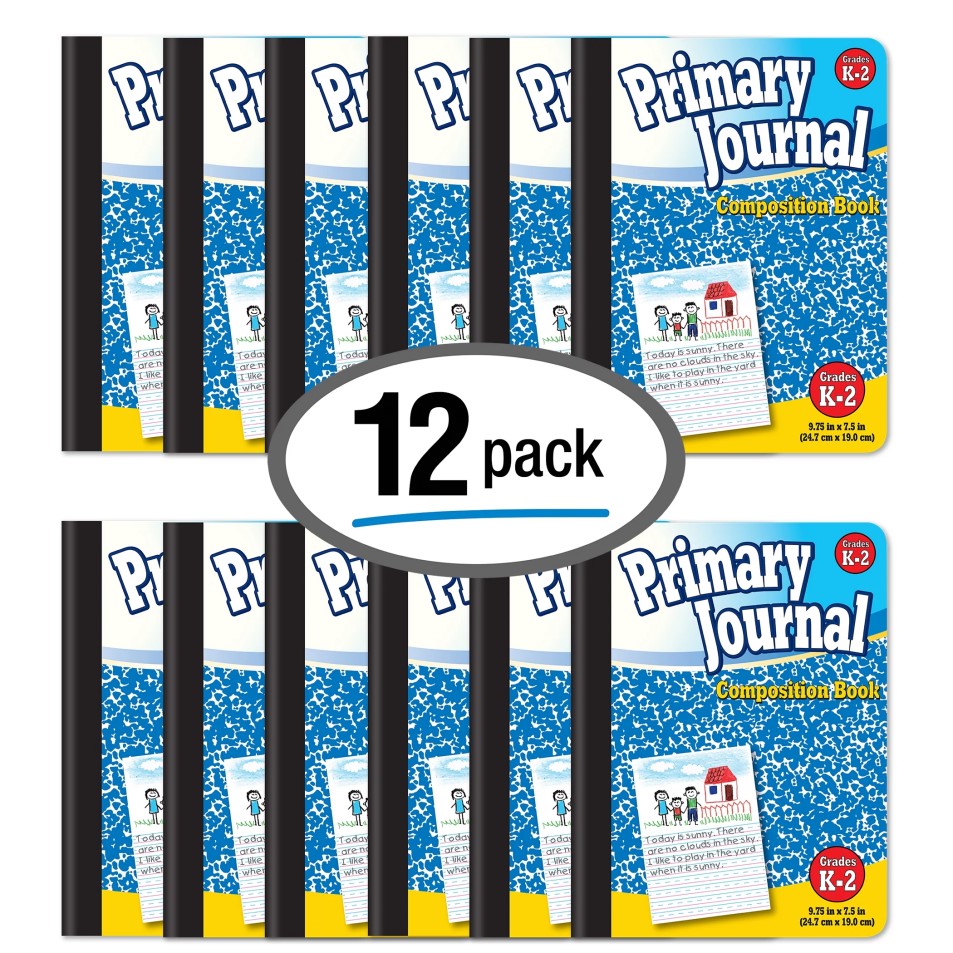
The primary composition notebook typically features a sturdy cover, often adorned with colorful designs or classic black and white marbling. This durability is essential for withstanding the wear and tear of daily use in a classroom setting. The binding is usually taped, ensuring that the pages remain securely attached, which is crucial for young students who may not handle their materials with the utmost care. A well-constructed notebook can endure the rigors of being tossed into backpacks, dropped on the floor, or even spilled on, making it a reliable companion for young learners.
Page Layout
One of the defining characteristics of primary composition notebooks is their page layout. These notebooks often include wide-ruled lines, which provide ample space for young children to write. The top half of each page is usually blank or has a designated area for drawing, allowing students to illustrate their ideas alongside their written work. This combination of writing and drawing is particularly beneficial for young learners, as it encourages them to express their thoughts visually and textually. The visual aspect of writing helps children to better understand the relationship between images and words, reinforcing their comprehension and storytelling abilities.
Size and Portability
Most primary composition notebooks are designed to be portable, typically measuring around 9.75 inches by 7.5 inches. This size is perfect for small hands, making it easy for children to carry their notebooks to and from school. The lightweight nature of these notebooks also means that they can be easily stored in backpacks without adding significant weight. This portability encourages children to take their notebooks home, where they can continue their writing and drawing activities, thus extending their learning beyond the classroom.
The Importance of Primary Composition Notebooks in Education
Encouraging Writing Skills
Primary composition notebooks play a crucial role in developing writing skills among young learners. The structured format encourages children to practice their handwriting, spelling, and sentence construction. As they fill the pages with their thoughts, they gain confidence in their writing abilities, which is essential for their academic growth. Writing in these notebooks allows children to experiment with language, helping them to develop a unique voice and style. Moreover, the act of writing itself can be therapeutic, providing an outlet for emotions and thoughts that children may find difficult to express verbally.
Fostering Creativity
In addition to writing, these notebooks provide a platform for creativity. The blank spaces for illustrations allow children to visualize their stories, making the writing process more engaging. This creative outlet is vital for young learners, as it helps them develop their imagination and storytelling skills. By integrating art with writing, children learn to think critically about their narratives, considering how images can enhance their stories. This dual approach not only makes writing more enjoyable but also nurtures a love for both art and literature, encouraging a holistic development of their creative skills.
Supporting Literacy Development
Using primary composition notebooks can significantly enhance literacy development. Teachers often use these notebooks for various activities, such as journaling, story writing, and even as a tool for learning new vocabulary. The consistent practice of writing in these notebooks helps reinforce literacy skills, making it easier for children to transition to more advanced writing tasks in the future. Furthermore, the act of regularly writing and reflecting in their notebooks helps children to internalize language patterns and structures, which is crucial for their overall language development.

How to Use Primary Composition Notebooks Effectively
Daily Writing Practice
Incorporating daily writing practice into the classroom routine can maximize the benefits of primary composition notebooks. Teachers can encourage students to write about their day, describe their favorite activities, or even create fictional stories. This daily practice not only improves writing skills but also helps students develop a habit of reflection and expression. By setting aside time each day for writing, teachers can create a safe space for students to explore their thoughts and feelings, fostering a sense of ownership over their learning process.
Thematic Writing Assignments
Teachers can enhance the learning experience by assigning thematic writing tasks. For example, during a unit on animals, students can write about their favorite animal and illustrate it in their notebooks. This approach not only makes writing more enjoyable but also reinforces the subject matter being taught in class. Thematic assignments can also encourage interdisciplinary learning, as students may incorporate facts from science lessons into their creative writing, thereby deepening their understanding of the material.
Peer Sharing and Feedback
Encouraging students to share their work with peers can foster a sense of community and collaboration in the classroom. By reading their entries aloud or displaying their illustrations, students can receive positive feedback and constructive criticism from their classmates. This practice not only builds confidence but also enhances their communication skills. Peer sharing can also introduce students to different perspectives and ideas, enriching their own writing and encouraging them to think critically about their work.
Choosing the Right Primary Composition Notebook
Considerations for Selection
When selecting primary composition notebooks, several factors should be considered. The cover design can be a motivating factor for young learners, as colorful and engaging designs can make writing more appealing. Additionally, the quality of the paper is important; thicker paper can prevent ink bleed-through, allowing for a cleaner writing experience. Teachers and parents should also consider the notebook’s durability, as a well-made notebook can withstand the rigors of daily use, ensuring that it remains a reliable tool for learning.
Popular Brands and Options
Several brands offer high-quality primary composition notebooks. Mead and Kurtz Bros are well-known for their durable and functional designs. These notebooks often come in packs, making them a cost-effective choice for classrooms. Teachers should also consider the availability of different styles, such as those with additional drawing space or specific themes. By providing a variety of options, educators can cater to the diverse interests and needs of their students, making writing a more personalized and enjoyable experience.
Conclusion
Primary composition notebooks are more than just a tool for writing; they are a gateway to creativity, literacy, and self-expression for young learners. By providing a structured yet flexible space for writing and drawing, these notebooks support the developmental needs of children in their formative years. As educators and parents, recognizing the value of primary composition notebooks can significantly enhance the learning experience for children. By fostering a love for writing and creativity, we can help shape the next generation of thinkers, storytellers, and innovators.
How to purchase:https://looperbuy.com/search?keywords=Primary+Composition+Notebook
Frequently Asked Questions
1. What is a primary composition notebook?
A primary composition notebook is a specially designed notebook for young learners, featuring wide-ruled lines and blank spaces for illustrations, aimed at supporting early writing and creativity.
2. Why are primary composition notebooks important for children?
These notebooks help develop writing skills, foster creativity, and support literacy development by providing a structured space for children to express their thoughts through writing and drawing.
3. How can teachers effectively use primary composition notebooks in the classroom?
Teachers can incorporate daily writing practice, assign thematic writing tasks, and encourage peer sharing to maximize the benefits of primary composition notebooks.
4. What should I look for when buying a primary composition notebook?
Consider the cover design, paper quality, and whether the notebook includes features like additional drawing space or specific themes that may engage young learners.
5. Are there specific brands recommended for primary composition notebooks?
Popular brands like Mead and Kurtz Bros offer high-quality primary composition notebooks that are durable and functional, making them suitable for classroom use.