Table of Contents
Introduction: The Timeless Appeal of Plush Toys
From nursery shelves to office desks, plush stuffed animals have a unique way of bringing comfort, joy, and companionship to people of all ages. These soft, huggable toys are more than just playthings—they serve as emotional anchors, creative muses, and even therapeutic tools. This article delves into the fascinating world of plush stuffed animals, exploring their history, psychological benefits, design evolution, and cultural significance.
A Brief History of Plush Toys
From Humble Beginnings to Global Phenomenon
The origins of plush toys date back to the 19th century, when German toymakers began crafting fabric animals for children. The invention of synthetic fibers and improved manufacturing techniques later made these toys more accessible and affordable.
Iconic Plush Characters That Shaped Pop Culture
From Teddy Bears named after U.S. presidents to the rise of cartoon-inspired plushies, certain designs have transcended generations. These beloved characters often become cultural touchstones, evoking nostalgia and emotional connections.
The Psychology Behind Our Love for Plush Toys
Why Humans Are Drawn to Soft, Huggable Objects
Plush toys tap into our innate preference for soft textures and rounded shapes, which trigger feelings of safety and comfort. This phenomenon, known as “cute aggression,” explains why we’re compelled to squeeze adorable objects.
Plush Toys as Emotional Support Tools
For many, plush animals provide a sense of security during stressful times. Studies show that hugging a soft toy can reduce cortisol levels and promote relaxation, making them valuable companions for both children and adults.
The Role of Plush Toys in Childhood Development
Beyond entertainment, plush toys help children develop social and emotional skills. They serve as practice partners for language, empathy, and nurturing behaviors, laying the foundation for healthy relationships.
Design and Craftsmanship: What Makes a Great Plush Toy?
Materials Matter: From Organic Cotton to Recycled Fabrics
High-quality plush toys use soft, durable materials that are safe for sensitive skin. Eco-conscious brands now offer options made from organic cotton, bamboo fibers, and recycled polyester, catering to environmentally aware consumers.
The Art of Stitching: Attention to Detail in Construction
Well-made plush toys feature reinforced seams, securely attached limbs, and carefully embroidered facial features. These details ensure longevity and safety, preventing loose parts that could pose choking hazards.
Customization and Personalization Trends
Modern plush toys often include customizable elements like embroidered names, unique color patterns, or even AI-powered interactive features. This personal touch enhances their emotional value and makes them truly one-of-a-kind.
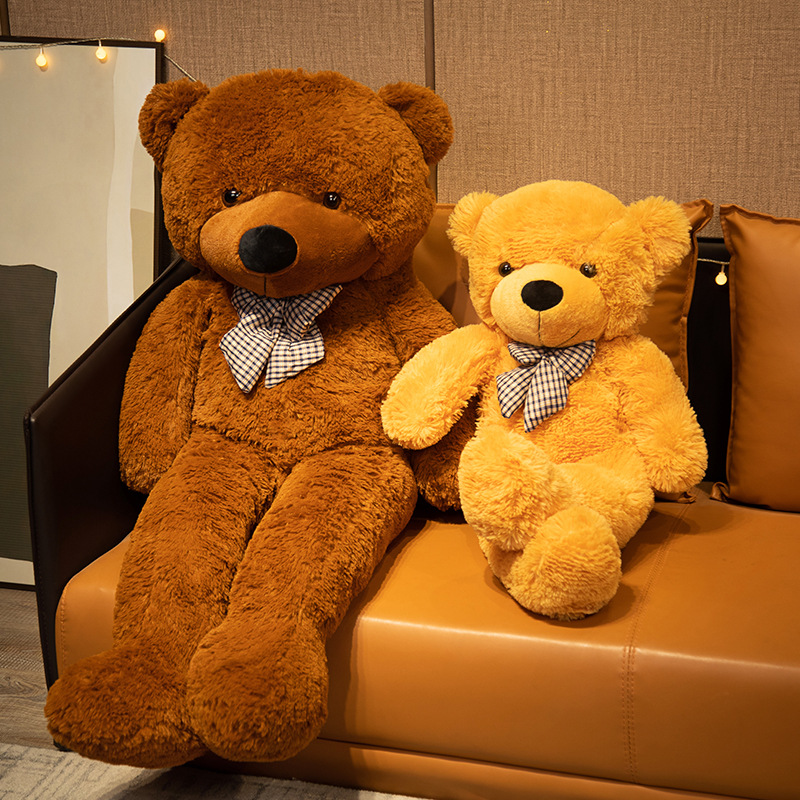
Plush Toys Beyond Childhood: A Lifelong Companion
Why Adults Collect and Cherish Plush Toys
Many adults maintain lifelong attachments to childhood plush toys, while others discover new appreciation for them as stress-relief tools or decorative items. The rise of “kidult” culture has normalized plush toy collections among grown-ups.
Plush Toys in Therapy and Healthcare Settings
Hospitals and therapists increasingly use plush animals to comfort patients, especially children facing medical procedures. Weighted plush toys, designed to provide gentle pressure, can help alleviate anxiety and promote better sleep.
The Rise of Luxury and Artistic Plush Toys
High-end designers have elevated plush toys into collectible art pieces, collaborating with artists to create limited-edition creations. These premium plushies often feature intricate details and premium materials, blurring the line between toy and sculpture.
Sustainability and Ethical Considerations in Plush Toy Production
Eco-Friendly Materials and Manufacturing Processes
As consumers become more environmentally conscious, brands are adopting sustainable practices such as using recycled stuffing, organic fabrics, and water-based dyes. Some companies even offer repair services to extend a toy’s lifespan.
Fair Labor Practices in the Toy Industry
Ethical plush toy production involves fair wages, safe working conditions, and transparent supply chains. Consumers are increasingly demanding accountability from brands regarding their manufacturing practices.
The Challenge of Microplastics and Environmental Impact
While plush toys are often seen as eco-friendly alternatives to plastic toys, many still contain synthetic fibers that shed microplastics during washing. Innovations in biodegradable materials aim to address this issue.
Collecting Plush Toys: A Growing Hobby
The Psychology of Toy Collecting
Collecting plush toys satisfies the human desire for acquisition, nostalgia, and aesthetic appreciation. Limited-edition releases and rare finds create a sense of exclusivity that drives passionate collectors.
Where to Find Rare and Unique Plush Toys
From specialty boutiques to online marketplaces, collectors can discover unique plush toys through conventions, artist collaborations, and vintage shops. Some even commission custom-made pieces from independent designers.
Caring for a Plush Toy Collection
Proper storage, regular cleaning, and gentle handling are essential for preserving the condition of collectible plush toys. Acid-free tissue paper and climate-controlled environments help prevent deterioration.
Plush Toys in Popular Culture and Media
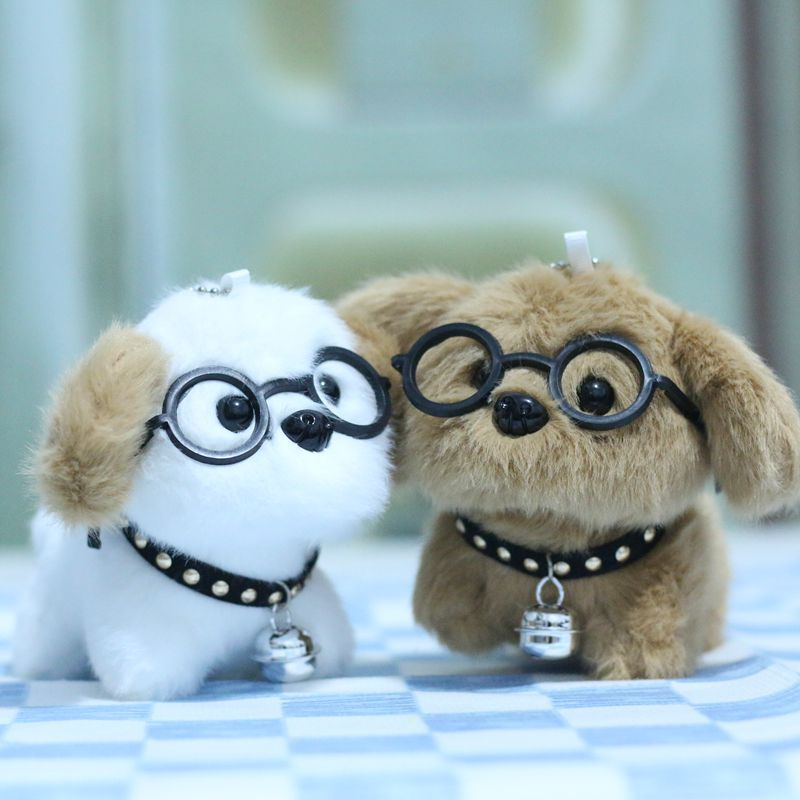
From Screen to Shelf: Beloved Characters Turned Plush Toys
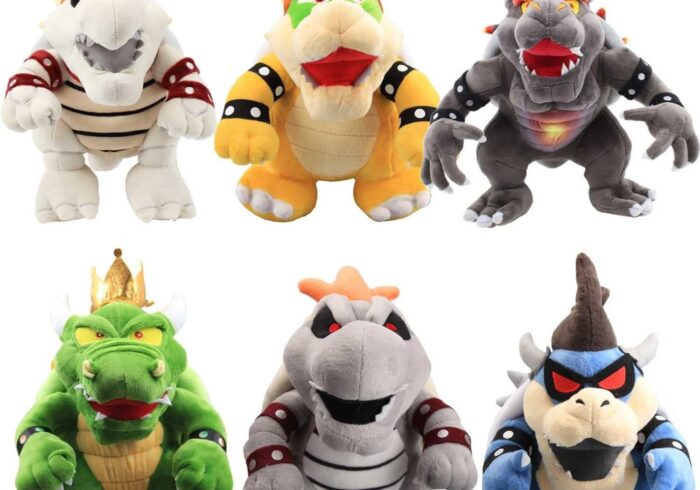
Many iconic characters from movies, TV shows, and video games have been immortalized as plush toys. These merchandise items allow fans to physically connect with their favorite stories and personalities.
The Influence of Social Media on Plush Toy Trends
Platforms like Instagram and TikTok have fueled the popularity of plush toys through viral unboxings, collector showcases, and artistic transformations. Hashtag campaigns and influencer endorsements drive demand for specific designs.
Plush Toys as Canvas for Artistic Expression
Contemporary artists use plush toys as mediums for social commentary, blending cuteness with subversive themes. These thought-provoking creations challenge traditional notions of what toys should be.
Conclusion: The Enduring Magic of Plush Stuffed Animals
Plush stuffed animals occupy a unique space in our lives, offering comfort, joy, and creative inspiration across generations. Their evolution from simple playthings to sophisticated companions reflects our deep-seated need for connection and emotional support. Whether as childhood treasures, therapeutic tools, or collectible art pieces, plush toys continue to enrich our lives in countless ways.
How to purchase: https://looperbuy.com/search?keywords=plush+stuffed+animals+toys&globalType=1688
Frequently Asked Questions (FAQs)
- How can I clean my plush toy without damaging it? Check the care label first—most plush toys can be gently hand-washed using mild detergent and cold water. For machine-washable toys, place them in a pillowcase to protect delicate parts. Air-dry thoroughly, and avoid direct sunlight or high heat, which can cause fading or deformation.
- Why do some people sleep with plush toys as adults? Sleeping with plush toys provides a sense of security and comfort, especially during stressful times. The familiar texture and shape can reduce anxiety and promote better sleep quality. Many adults view their plush toys as emotional anchors rather than childish possessions.
- What makes a plush toy collectible? Limited production runs, unique designs, artist collaborations, and special editions contribute to a plush toy’s collectibility. Condition, rarity, and provenance also affect value, with some vintage or celebrity-owned pieces fetching high prices in secondary markets.
- Are plush toys safe for babies and toddlers? Choose plush toys specifically designed for infants, with no small detachable parts, tight stitching, and non-toxic materials. Regularly inspect toys for wear and tear, and avoid those with long ribbons or loose embellishments that could pose choking hazards.
- Can plush toys help with anxiety and stress? Yes, hugging a plush toy can trigger the release of oxytocin, a hormone that promotes relaxation and reduces stress. Weighted plush toys, in particular, provide gentle pressure that mimics deep pressure stimulation, a technique used in sensory therapy.
Hot Tags: Plush toys; Stuffed animals; Emotional support toys; Toy collecting; Sustainable plush; Luxury plush; Therapeutic toys; Childhood development; Pop culture plush; Custom plush toys