In the world of art and creativity, the tools we use can significantly influence our output and development. One such tool that has gained popularity among artists, designers, and students alike is the graph notebook. This seemingly simple tool offers a multitude of benefits that can enhance artistic skills, foster creativity, and provide a structured approach to artistic expression. In this article, we will explore how graph notebooks can be a game-changer for artists and anyone looking to improve their creative skills.
Table of Contents
What is a Graph Notebook?
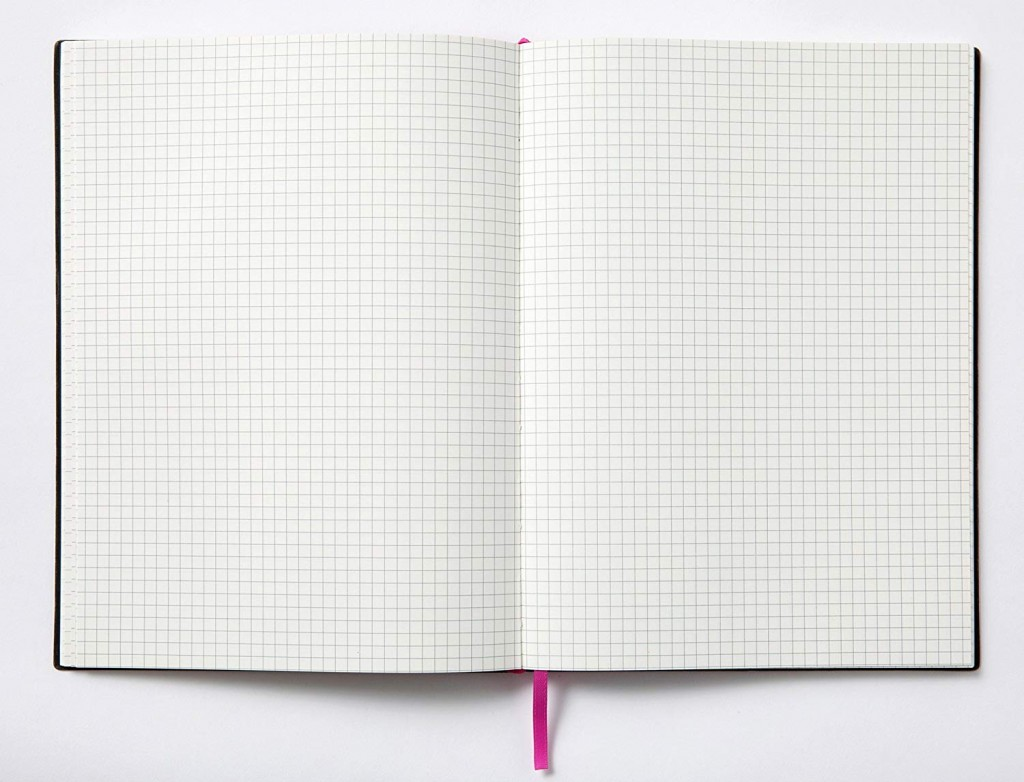
A graph notebook is a type of notebook that features a grid of squares printed on its pages. These grids can vary in size, from small squares to larger ones, depending on the intended use. While traditionally used for mathematical calculations and plotting graphs, graph notebooks have found a unique place in the realm of art and design. They serve as a versatile canvas for sketching, note-taking, and organizing ideas. The grid layout not only aids in maintaining proportions but also encourages a systematic approach to creativity, making it easier for artists to visualize their concepts before committing them to a final piece.
The Benefits of Using a Graph Notebook
1. Structure and Organization
One of the primary advantages of using a graph notebook is the inherent structure it provides. The grid layout helps artists maintain proportions and alignments, making it easier to create accurate sketches and designs. This is particularly beneficial for those who struggle with freehand drawing, as the grid serves as a guide, allowing for more precise work. Additionally, the organization that a graph notebook offers can help artists keep their thoughts and ideas in order, making it easier to reference previous sketches and notes. This structured approach can lead to a more efficient creative process, where artists can quickly find inspiration and build upon their past work.
2. Enhanced Creativity
Graph notebooks encourage creativity by providing a space where ideas can flow freely. The grid can be used to create patterns, designs, and even complex illustrations. Artists can experiment with different layouts and compositions without the fear of making mistakes. The structured environment of a graph notebook can also help in brainstorming sessions, allowing for quick sketches and notes that can lead to more developed ideas. This freedom to explore without judgment fosters a creative mindset, enabling artists to push boundaries and discover new styles and techniques. Moreover, the act of doodling within the grid can lead to unexpected creative breakthroughs, as artists may stumble upon unique designs or concepts that they might not have considered otherwise.
3. Improved Visualization Skills
Using a graph notebook can significantly enhance an artist’s visualization skills. The grid helps in breaking down complex images into manageable sections, making it easier to visualize the final product. This technique is particularly useful for artists who work with intricate designs or those who are learning to draw from reference images. By focusing on one section at a time, artists can build their confidence and improve their overall skills. This method not only aids in creating more accurate representations but also helps artists develop a better understanding of spatial relationships and proportions, which are crucial elements in any form of visual art.
4. Versatility in Use
Graph notebooks are incredibly versatile. They can be used for a variety of artistic endeavors, including:
– Sketching: Artists can use the grid to create detailed sketches, ensuring that proportions are maintained. This is especially useful for those who are learning to draw, as it provides a safety net for their artistic explorations.
– Doodling: The structured layout encourages spontaneous doodling, which can lead to unexpected creative breakthroughs. Doodling can serve as a warm-up exercise, helping artists loosen up before tackling more serious projects.
– Planning: Graph notebooks are excellent for planning out larger projects, allowing artists to map out their ideas before committing to a final piece. This planning phase can be crucial in ensuring that the final artwork aligns with the artist’s vision.
– Mixed Media: The sturdy pages of graph notebooks can handle various mediums, from pencil and ink to watercolor and markers. This adaptability allows artists to experiment with different materials and techniques, further enhancing their creative repertoire.
5. Encouragement of Regular Practice
Having a dedicated space for creativity can encourage regular practice. Artists who use graph notebooks often find themselves sketching more frequently, as the notebook becomes a safe space for exploration and experimentation. This regular practice is essential for skill development and can lead to significant improvements over time. The act of consistently engaging with the notebook can also help artists establish a routine, making creativity a regular part of their daily lives. This commitment to practice not only enhances technical skills but also fosters a deeper connection to the artistic process, allowing artists to develop their unique voice and style.
How to Use a Graph Notebook Effectively
To maximize the benefits of a graph notebook, consider the following tips:
1. Set Goals
Before starting, set specific goals for what you want to achieve with your graph notebook. Whether it’s improving your drawing skills, experimenting with new techniques, or developing a series of illustrations, having clear objectives will guide your practice. Setting goals can also help you track your progress over time, providing motivation and a sense of accomplishment as you achieve each milestone.
2. Experiment with Different Techniques
Use your graph notebook to try out various artistic techniques. This could include different drawing styles, shading methods, or even color applications. The grid will help you keep track of your progress and refine your skills. Don’t be afraid to step outside your comfort zone; experimenting with new techniques can lead to exciting discoveries and personal growth as an artist.
3. Create a Visual Journal
Consider using your graph notebook as a visual journal. Document your thoughts, ideas, and inspirations alongside your sketches. This practice not only enhances creativity but also provides a valuable resource for future projects. A visual journal can serve as a reflection of your artistic journey, capturing your growth and evolution as an artist over time.
4. Review and Reflect
Regularly review your previous sketches and notes. Reflecting on your progress can provide insights into your artistic journey and help identify areas for improvement. This practice can also inspire new ideas and directions for your work. By taking the time to reflect, you can gain a deeper understanding of your artistic process and make more informed decisions in your future projects.
5. Share Your Work
Don’t hesitate to share your sketches and ideas with others. Whether through social media or art communities, sharing your work can provide valuable feedback and encouragement, further enhancing your creative journey. Engaging with a community of artists can also expose you to new perspectives and techniques, enriching your own artistic practice.
The Psychological Benefits of Using a Graph Notebook
Beyond the practical advantages, using a graph notebook can also have psychological benefits. Engaging in creative activities has been shown to reduce stress and anxiety, improve mood, and enhance overall well-being. The act of sketching and doodling can serve as a form of mindfulness, allowing artists to focus on the present moment and express their emotions through art. This therapeutic aspect of creativity can be particularly beneficial in today’s fast-paced world, providing a much-needed outlet for self-expression and relaxation.
Conclusion
In conclusion, graph notebooks are more than just a tool for calculations; they are a powerful resource for artists looking to enhance their skills and unleash their creativity. The structured environment they provide, combined with their versatility and ability to encourage regular practice, makes them an invaluable addition to any artist’s toolkit. Whether you are a seasoned professional or a beginner, incorporating a graph notebook into your creative process can lead to significant improvements in your artistic abilities. By embracing the potential of graph notebooks, artists can unlock new levels of creativity and skill, paving the way for a fulfilling artistic journey.
How to purchase:https://looperbuy.com/search?keywords=graph+notebook
Frequently Asked Questions
1. What types of art can I create in a graph notebook?
You can create a wide range of art in a graph notebook, including sketches, doodles, designs, and even detailed illustrations. The grid helps maintain proportions and can be used for various artistic styles, making it a versatile tool for any artist.
2. How can a graph notebook help improve my drawing skills?
The grid layout of a graph notebook provides a structured environment that helps you focus on proportions and alignments, making it easier to create accurate drawings and improve your overall skills. This guidance can be especially beneficial for beginners or those looking to refine their technique.
3. Can I use a graph notebook for mixed media art?
Yes, graph notebooks are suitable for mixed media art. The sturdy pages can handle various mediums, including pencil, ink, watercolor, and markers. This adaptability allows artists to experiment with different materials and techniques, further enhancing their creative repertoire.
4. How often should I practice in my graph notebook?
Regular practice is key to improvement. Aim to sketch or doodle in your graph notebook several times a week to develop your skills and enhance your creativity. Establishing a routine can help make creativity a consistent part of your life.
5. What should I do if I feel stuck creatively?
If you feel stuck, try experimenting with different techniques in your graph notebook, create a visual journal, or review your previous work for inspiration. Engaging in spontaneous doodling can also help spark new ideas and reignite your creative passion.