This guide explains how corporate procurement is evolving in 2026, from policy and strategies to modern B2B marketplaces and dropshipping. It shows how global buyers can source reliably from China, reduce inventory risk, and improve transparency by partnering with platforms like Looperbuy.
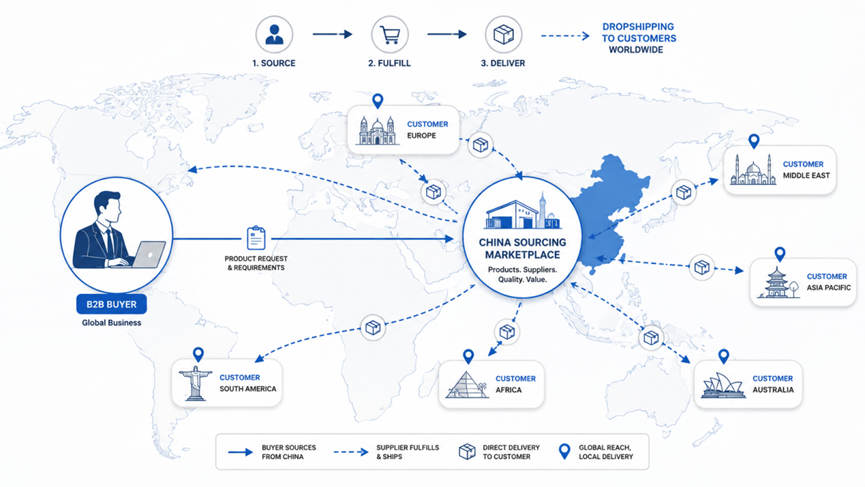
Table of Contents
Why Corporate Procurement Needs a Rethink
Corporate procurement has quietly become one of the most powerful levers for profitability, risk management, and operational resilience. Yet in many organizations, purchasing still feels fragmented, slow, or opaque.
Speaking as someone who has worked with global B2B buyers sourcing from China, I’ve seen the shift firsthand: companies no longer just want the lowest price—they want reliable suppliers, transparent total costs, and flexible fulfillment options such as dropshipping and on‑demand inventory. Modern corporate procurement is about building that system, not just placing orders.
In this guide, we’ll walk through core concepts, policies, strategies, tools, and 2026 trends—and how platforms like Looperbuy, an online B2B procurement and dropshipping marketplace for Chinese goods, can help global buyers execute smarter sourcing with less inventory and logistics burden.
Understanding Corporate Procurement Today
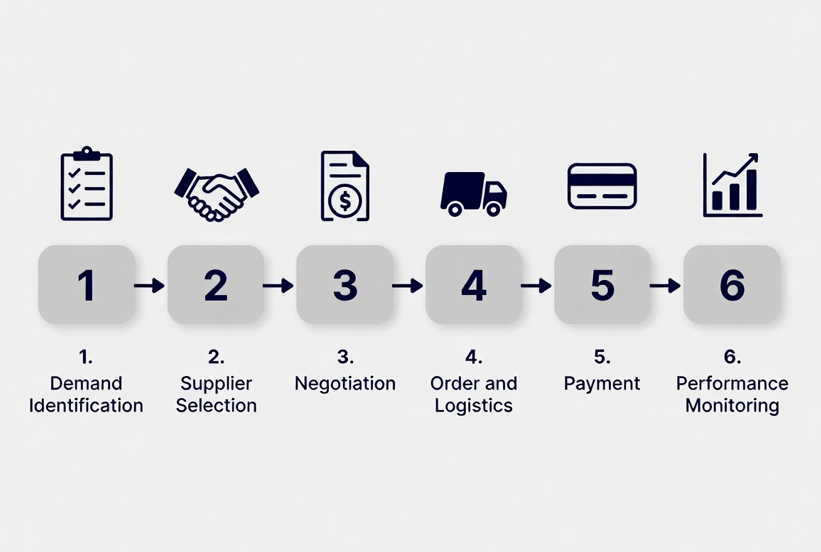
Corporate procurement is the end‑to‑end process of acquiring goods and services for a business at scale—covering everything from supplier selection and negotiation to order management, payment, and ongoing performance monitoring.
Unlike ad‑hoc purchasing, corporate procurement is structured and rule‑based. It typically includes:
– Demand identification: What do we actually need, and why?
– Supplier discovery and qualification: Who can reliably supply it?
– Negotiation and contracting: Under what commercial and legal terms?
– Ordering and logistics: How do goods move, and who manages them?
– Payment and reconciliation: How are invoices, taxes, and duties handled?
– Performance and risk monitoring: Are suppliers meeting quality, delivery, and compliance standards?
When companies start sourcing heavily from China and other manufacturing hubs, this process becomes more complex—especially around quality control, cross‑border logistics, and inventory management. That’s why many buyers now turn to specialized B2B platforms and dropshipping partners instead of managing dozens of factories directly.
The Role of Corporate Procurement Policy
A corporate procurement policy is the backbone of a professional purchasing function. It turns scattered actions into a repeatable, auditable process. A solid policy typically defines:
1. Purpose and scope
What categories of spend and business units does the policy cover? How does procurement support wider business goals such as margin, resilience, and sustainability?
2. Roles and responsibilities
Who owns supplier selection, contract approval, order placement, quality checks, and logistics coordination? Clear accountability reduces confusion and finger‑pointing.
3. Procurement methods
Which purchasing channels are allowed (direct from suppliers, via B2B marketplaces, via dropshipping partners, framework agreements, spot buys, etc.) and when to use each.
4. Ethical and legal compliance
How the organization ensures all purchases comply with relevant trade regulations, anti‑corruption rules, and industry standards, especially in cross‑border sourcing.
5. Environmental and social considerations
Criteria for selecting suppliers or platforms that support sustainability, fair labor practices, and responsible sourcing.
6. Risk management
How to identify, monitor, and mitigate risks—from supplier insolvency and quality issues to logistics disruptions and currency volatility.
For global buyers sourcing from China, policy should explicitly cover use of intermediaries (e.g., B2B platforms like Looperbuy), rules for dropshipping versus bulk stocking, and minimum standards for supplier vetting and product compliance.
Corporate Procurement vs Public Procurement
While the mechanics of purchasing look similar, corporate and public procurement operate under different constraints.
| Aspect | Corporate Procurement | Public Procurement |
| Legal requirements | Flexible, as long as internal policy complies with law | Driven primarily by governmental regulations |
| Budget and cost management | Budgets can be adjusted; focus on total value and competitiveness | Fixed or tightly controlled budgets; high price sensitivity |
| Technology adoption | Free to adopt modern tools, platforms, and marketplaces | Must align with public sector IT and compliance standards |
| Social and environmental rules | Often used strategically for tax, brand, and ESG benefits | Strict adherence to government programs and policies |
Private companies—especially those sourcing consumer goods, industrial components, or promotional items from China—typically have more freedom to use digital B2B marketplaces, dropshipping solutions, and AI‑driven analytics than public bodies.
Corporate Procurement Strategies for Long‑Term Success
A procurement policy is the starting point; strategy is how you turn it into results. Effective corporate procurement strategies include:
– Strategic sourcing, not just buying
Use demand data, cost breakdowns, and supplier performance metrics to build a supplier portfolio, not a vendor list. Consolidate where it makes sense and diversify where risk is high.
– Process optimization and standardization
Clear workflows, approval matrices, and standard templates reduce bottlenecks. Lean operations cut waste and avoid unnecessary spend.
– Metrics and KPIs
Track indicators such as on‑time delivery, defect rates, total landed cost, payment terms, and supplier responsiveness. Use them to guide decisions, not just report history.
– Technology‑enabled procurement
Deploy tools that support catalog management, punchout, e‑procurement portals, and B2B marketplaces. Technology binds the process together and creates transparency.
For global buyers, a key strategy is deciding how much of procurement is done in‑house versus outsourced to specialized platforms that can handle supplier scouting, product aggregation, and fulfillment—this is where Looperbuy’s model fits in.
Sourcing from China in 2026: Key Trends Buyers Must Know
Recent industry data shows that global buyers are increasing sourcing from China, with some platforms reporting over 25% growth in buyer activity during major events in 2026. At the same time, sourcing strategies are evolving:
– Buyers demand reliability, transparency, and total cost visibility—not just low unit prices.
– Digital procurement platforms have become central, offering catalog search, supplier verification, and order tracking in one place.
– AI and automation are increasingly used to monitor price changes, demand patterns, and potential supplier risks in real time.
– Diversification is now standard: many firms adopt a “China + regional hubs” approach to balance cost with resilience.
For smaller and mid‑sized companies, building this infrastructure alone is unrealistic. That’s why working with specialized China‑sourcing partners and dropshipping platforms is becoming a core part of corporate procurement strategy.
From Manual Purchasing to Modern Procurement Tools
Corporate procurement tools have gone through a clear evolution.
1. Basic spreadsheets (Excel stage)
Teams started by tracking orders, suppliers, and spend in Excel. Flexible, but error‑prone and difficult to scale or audit.
2. Specialized point solutions
As complexity increased, organizations adopted multiple tools:
– Spend analysis software (e.g., Zycus)
– Supplier relationship management tools (e.g., SAP Ariba)
– Contract management solutions (e.g., Agiloft)
– Inventory and purchase order systems (e.g., Fishbowl, Kissflow)
– Traditional ERP systems for an overall business view
3. Integrated e‑procurement platforms
To escape tool sprawl, companies shifted to centralized procurement management systems connecting order management, vendor data, catalogs, and reporting. Punchout catalogs and APIs enabled direct supplier system integration.
4. Cloud‑based B2B procurement marketplaces
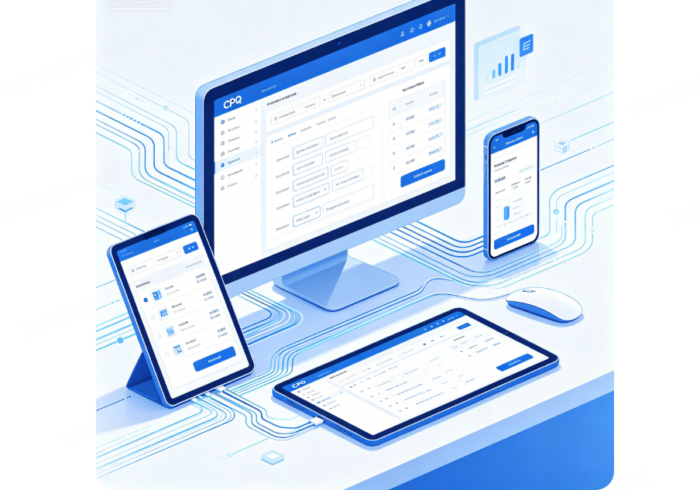
The latest stage brings cloud‑native B2B marketplaces that unify buyers and suppliers on one platform, provide real‑time analytics, and integrate with existing ERPs and financial systems.
In this new landscape, platforms that combine supplier aggregation, real‑time catalogs, automation, and flexible fulfillment models (including dropshipping) are increasingly attractive to corporate procurement teams.
Why B2B Marketplaces Matter for Modern Procurement
Modern B2B procurement marketplaces deliver tangible benefits:
– Process automation and time savings
Routine tasks like RFQs, order creation, and status tracking are automated, freeing teams to focus on strategic decisions.
– Access to a broad supplier base
Buyers can discover and compare suppliers quickly, often with built‑in verification and ratings.
– Transparency and risk reduction
Centralized data on orders, delivery times, and disputes improves visibility and helps identify issues early.
– Scalability and flexibility
Cloud‑based platforms adapt to changing demand, categories, and geographies without heavy IT investments.
– Advanced analytics and AI
Machine learning models help forecast demand, detect anomalies, and recommend optimal sourcing strategies.
As global sourcing from China grows in both volume and complexity, using a specialized marketplace that focuses on Chinese suppliers and dropshipping can significantly lower the barrier for international buyers.
Case Insight: How Looperbuy Supports Corporate Procurement
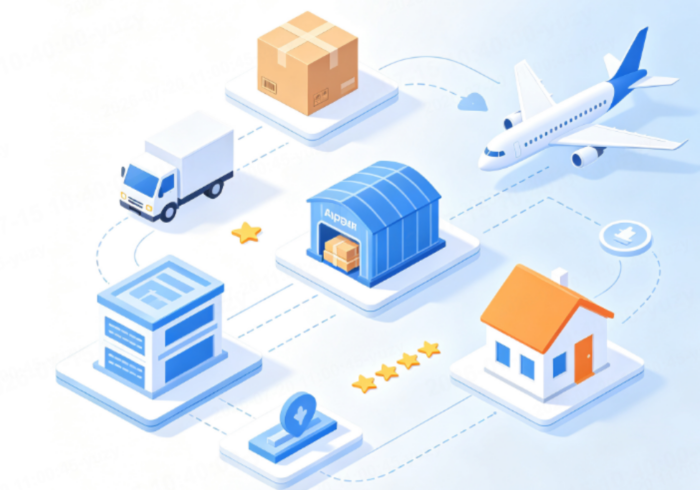
Looperbuy is an online B2B procurement platform dedicated to helping global sellers source reliable Chinese products and ship directly to end customers without heavy inventory or warehouse commitments. From a procurement perspective, this model supports corporate buyers in several ways:
– Reduced inventory risk
Instead of purchasing large volumes upfront, buyers can leverage dropshipping to ship products as orders come in—reducing cash tied in stock and minimizing obsolete inventory.
– Simplified logistics and fulfillment
Looperbuy manages core logistics and fulfillment processes, so procurement teams don’t need to build their own warehouse networks or last‑mile delivery operations.
– Cost control across the chain
Buyers gain clearer visibility into product costs, shipping fees, and service charges, making total cost of ownership easier to compare across vendors and SKUs.
– Streamlined supplier management
Instead of dealing with dozens of factories individually, buyers can work through a single platform that aggregates supply, verifies vendors, and standardizes communication.
For corporate procurement teams, partnering with a platform like Looperbuy can be a practical way to execute a China‑focused sourcing strategy without over‑expanding internal resources.
Practical Steps to Build a Smarter Procurement Workflow with China Sourcing
To translate all of this into action, procurement leaders can follow a structured approach:
1. Assess current demand and risks
Map your top product categories, current suppliers, and spend. Identify where stockouts, long lead times, or quality issues create business risk.
2. Decide which categories suit dropshipping
Not every product should be dropshipped. Focus on:
– Fast‑moving or trend‑based items
– Products with volatile demand
– SKUs where storage or handling costs are high
3. Define platform and partner criteria
When evaluating B2B marketplaces or China‑sourcing partners, look for:
– Supplier verification standards
– Transparent pricing and fee structure
– Logistics coverage in your target markets
– Integration options with your existing systems
4. Align policy and workflows
Update your procurement policy to include:
– When to use platforms like Looperbuy versus direct factory contracts
– Approval rules for dropshipping arrangements
– Data requirements for performance tracking
5. Pilot and scale
Start with a controlled set of SKUs and regions. Measure:
– Delivery performance
– Product quality feedback
– Impact on inventory levels and working capital
Once results are clear, scale to other categories.
By following these steps, corporate procurement teams can move from ad‑hoc China sourcing to a deliberate, data‑backed strategy that leverages modern B2B platforms.
Expert Perspective: Balancing Cost, Resilience, and Speed
From an industry standpoint, the most successful procurement organizations in 2026 share three traits:
– They no longer chase the lowest unit price at all costs. Instead, they balance price with supplier reliability, lead time, and total landed cost.
– They embrace hybrid sourcing models—combining traditional contracts with marketplace‑based purchasing and dropshipping for agile categories.
– They treat procurement as a strategic capability, not just a back‑office function. Procurement leaders work closely with sales, finance, and operations to align inventory strategy with customer demand and cash flow.
Platforms like Looperbuy fit into this philosophy by giving buyers an on‑demand sourcing and fulfillment layer for Chinese goods, which can be plugged into broader procurement strategies and policies.
Corporate Procurement Best Practices (2026 Edition)
Across industries, several best practices consistently improve corporate procurement performance:
– Adopt strategic sourcing and periodic supplier reviews
Regularly reassess supplier portfolios, especially for China‑sourced categories, to keep resilience and competitiveness in balance.
– Invest in training and cross‑functional collaboration
Procurement teams should understand finance, logistics, and customer expectations. Collaboration with other departments makes sourcing decisions more realistic.
– Leverage data and KPIs for decisions
Use spend analysis, performance dashboards, and risk indicators to guide negotiations, category strategies, and partner selection.
– Use modern tools and marketplaces where they add value
Don’t reinvent the wheel. If a platform like Looperbuy already aggregates supply, logistics, and dropshipping capabilities for your target categories, integrate it instead of building everything from scratch.
If your organization is trying to reduce inventory risk, control sourcing costs, and simplify global logistics, now is the right time to rethink procurement.
Review your existing purchasing policy, identify categories where China sourcing and dropshipping can create value, and explore how a platform like Looperbuy can fit into your corporate procurement strategy—either as a primary sourcing channel or as a flexible extension to your current supplier base.
FAQs
1. What is the main difference between corporate purchasing and corporate procurement?
Corporate purchasing focuses on the act of buying—placing orders and processing payments. Corporate procurement covers the full lifecycle: supplier selection, contracting, performance monitoring, risk management, and strategic planning around spend.
2. Why are companies still sourcing heavily from China in 2026?
Despite global diversification, China remains a core sourcing destination thanks to high‑volume capacity, advanced manufacturing, and competitive costs. Data from major B2B platforms shows continued growth in China‑related procurement activity in 2026.
3. How can dropshipping support corporate procurement goals?
Dropshipping allows companies to minimize inventory and warehousing, respond quickly to demand changes, and test new products with lower risk. When combined with vetted suppliers and transparent pricing, it becomes a powerful tool for procurement teams managing variable or trend‑driven categories.
4. What KPIs should procurement teams track when using B2B marketplaces?
Useful KPIs include on‑time delivery rate, defect or return rate, total landed cost per unit, lead times, dispute resolution speed, and supplier responsiveness. These metrics help compare marketplace performance against traditional suppliers and inform strategy adjustments.
5. How should a company start integrating a platform like Looperbuy into its purchasing process?
Begin with a pilot: choose a few SKUs or categories, define clear success metrics (e.g., delivery performance, cost savings, inventory reduction), update internal approval rules to allow marketplace purchasing, and then scale based on measured results.
References
1. Virto Commerce. “Understanding Corporate Purchasing & Procurement: From Basic Concepts to Advanced Tools.” [Corporate procurement guide]
2. Virto Commerce. “Best eProcurement Software in 2026: Top Solutions & Trends.” [e‑procurement software overview]
3. Virto Commerce. “B2B Supply Chain Management in eCommerce.” [Supply chain management guide]
4. Sourcing International. “From China to the USA: How B2B Sourcing Companies Are Redefining Global Procurement in 2025.” [Global procurement trends]
5. Made‑in‑China.com via PR Newswire. “Global Buyers Boost China Sourcing by 25% During Amazing April, Signaling 2026 Procurement Trends.” [China sourcing activity]
6. Spendflo. “Procurement Guidelines: Complete Guide 2025.” [Procurement best practices]
7. LinkedIn Pulse. “Global Sourcing in 2026: Key Trends Reshaping International Procurement.” [Global sourcing trends]
8. Amazon Business Blog. “2026 Procurement Strategy: Key Steps and Best Practices.” [Procurement strategy framework]