In today’s global economy, B2B marketplaces—such as LooperBuy—are shifting from simple digital catalogs to complex, high-transaction ecosystems. For platform architects and business leaders, selecting the right foundation is a critical strategic decision. While various technologies promise ease of use, ASP.NET ecommerce frameworks consistently emerge as the superior choice for enterprises requiring security, massive scalability, and seamless integration with complex ERP and logistics systems.
This guide provides a deep dive into why enterprise-grade platforms are standardizing on ASP.NET technologies to power the next generation of global B2B trade.
Table of Contents
The Evolution of B2B Ecommerce Platforms
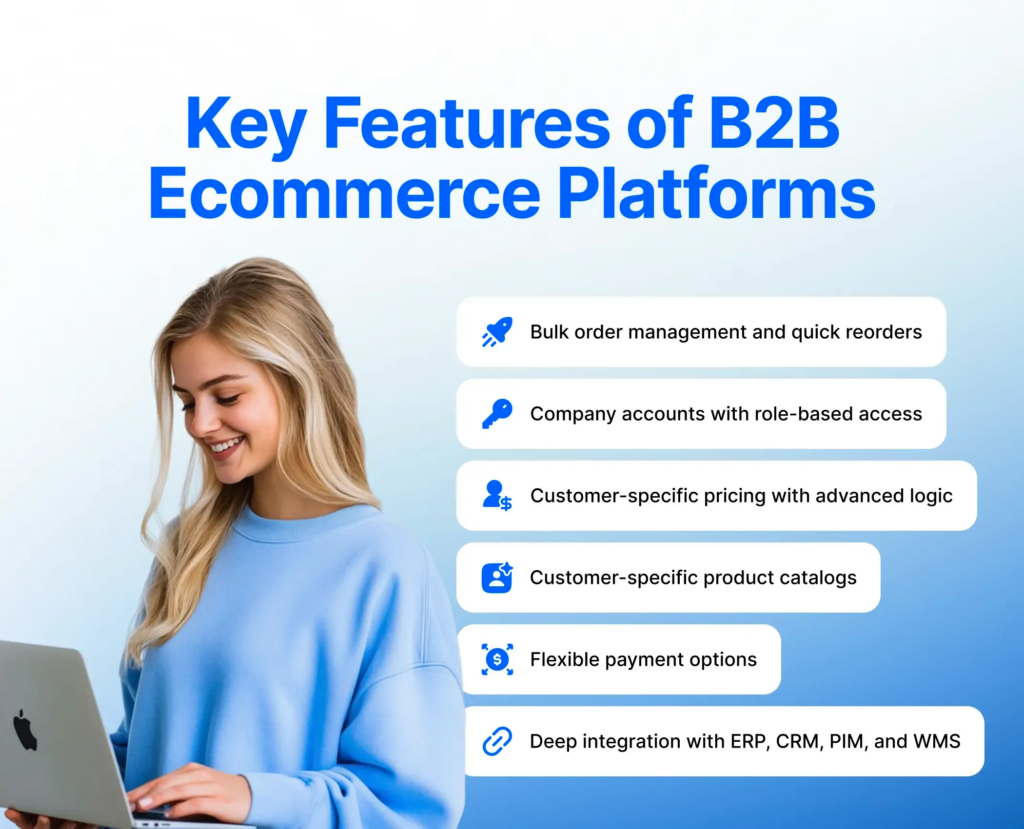
Modern B2B buyers expect a B2C-like experience—fast, intuitive, and mobile-friendly—while demanding complex B2B functionalities like contract-based pricing, volume discounts, and corporate account management.
Why Enterprises Choose ASP.NET over Alternatives
Unlike platforms built on interpreted languages, ASP.NET leverages the compiled, high-performance nature of the .NET ecosystem. This allows for:
- Superior Performance: Compiled code runs faster, handling thousands of concurrent users and high-transaction volumes without latency issues.
- Enterprise-Grade Security: With built-in anti-forgery tokens, data encryption, and robust authentication frameworks, ASP.NET provides the security necessary for handling sensitive trade and financial data.
- Scalability: As your platform grows, ASP.NET Core allows for easy modular scaling, ensuring your site remains responsive during peak procurement periods.
Critical Features for Global Sourcing Marketplaces
For platforms connecting international buyers with Chinese manufacturers, the digital infrastructure must bridge the gap between disparate systems.
1. ERP and Legacy Integration
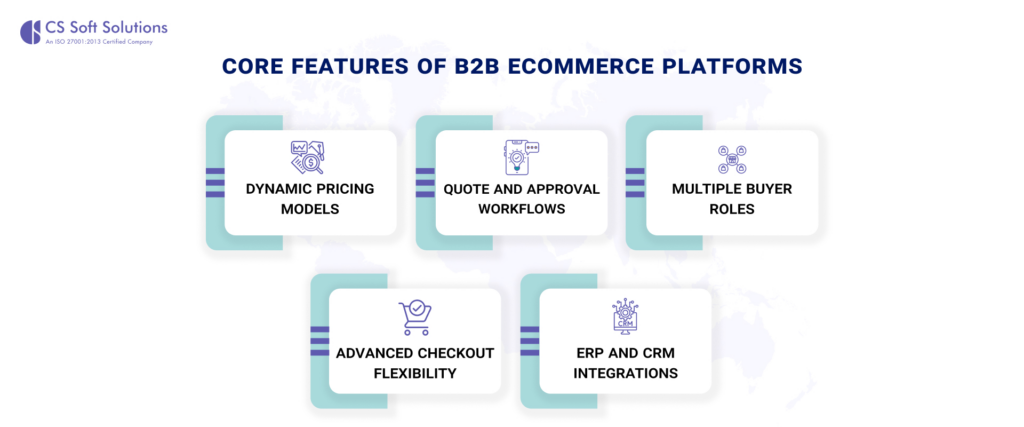
A global sourcing marketplace is only as strong as its connection to inventory and logistics databases. ASP.NET platforms excel at API-first development, allowing for bi-directional communication between your marketplace and backend ERP systems (like SAP or Oracle).
2. Personalized Buyer Portals
Your platform should not be “one-size-fits-all.” Enterprises need:
- Customer-Specific Catalogs: Show relevant products based on the buyer’s industry.
- Tiered Pricing: Automatically adjust pricing structures based on contract agreements or bulk volume.
- Workflow Automation: Support purchase order (PO) workflows, allowing for approvals and quote requests before final payment.
Expert Insights: The Strategic Value of .NET
To outpace competitors, platforms like LooperBuy must look beyond standard features and focus on architecture that supports long-term agility.
The Move Toward Headless Commerce
The “headless” approach separates the frontend user experience from the backend commerce logic. By using ASP.NET Core for the backend, you can deliver content via APIs to any device, including custom mobile apps for international logistics tracking or IoT-enabled supply chain sensors, without compromising your core platform integrity.
Infrastructure Reliability
Built on the robust and enterprise-grade .NET framework, modern platforms inherit the powerful capabilities required for large-scale operations. Leveraging Microsoft Azure or other cloud-native environments alongside .NET provides a globally available infrastructure that guarantees uptime for 24/7 global procurement.
Comparative Analysis: Why Architecture Matters
| Criteria | ASP.NET Platforms | Traditional/Lightweight Frameworks |
|---|---|---|
| Performance | High (Compiled code) | Moderate (Interpreted code) |
| Security | Enterprise-grade (Built-in) | Plugin-dependent |
| Scalability | Massive (Cloud-native) | Limited |
| Integration | Native ERP/API focus | Often requires complex middleware |
Implementing Your Strategic Roadmap
Building a successful marketplace is an iterative process. Here is your roadmap for success:
- Define Core Needs: Identify whether your platform needs complex pricing, global currency support, or deep integration with logistics partners.
- Prioritize Extensibility: Choose a platform built on ASP.NET Core that allows for modular expansion via APIs rather than hard-coded modifications.
- Invest in Developer Experience: A mature ecosystem means a larger pool of talent and better documentation, reducing the time to market for new features.
Conclusion
For B2B platforms where reliability and performance are the difference between success and failure, ASP.NET ecommerce is not just a technological choice—it is a business imperative. By leveraging the security, scalability, and integration prowess of the .NET ecosystem, you can build a future-ready marketplace that serves international brands and manufacturers with unmatched efficiency.
References
- Microsoft: ASP.NET Core Open-Source Web Development Framework
- Virto Commerce: ASP.NET vs ASP.NET Core for eCommerce Platforms
- Clarity Ventures: Benefits of a Powerful .NET eCommerce Platform
- Cisin: Is ASP.NET Core Good for E-commerce? The Executives Verdict
Frequently Asked Questions (FAQ)
Q: Is ASP.NET Core really better than PHP for B2B?
A: For complex, enterprise-level B2B marketplaces, ASP.NET Core generally provides superior performance, security, and integration capabilities compared to interpreted languages like PHP, especially as the system scales.
Q: Can I build a marketplace using ASP.NET without expert developers?
A: While ASP.NET is powerful, it does require a skilled team. However, the ecosystem’s maturity and documentation make it easier to hire and train developers compared to more obscure frameworks.
Q: What is the benefit of headless commerce in an ASP.NET environment?
A: Headless commerce allows you to update your frontend user experience independently of the backend. This gives you the flexibility to innovate your UI/UX while keeping your commerce engine secure and stable.
Q: How does ASP.NET support global logistics?
A: ASP.NET platforms provide robust API capabilities, allowing seamless integration with global logistics carriers and customs APIs, facilitating real-time tracking and automated shipping workflows.
Q: Is ASP.NET cost-effective for startups?
A: While initial development might have higher costs, the long-term scalability and reduced need for constant security patches or performance re-engineering make it highly cost-effective for platforms anticipating significant growth.
Brief Introduction: This article provides a strategic analysis of ASP.NET as the premier architecture for enterprise B2B ecommerce marketplaces. It explores how the framework’s performance, security, and scalability empower global platforms to integrate complex ERPs and deliver high-performance user experiences for international B2B trade.
Hot Tags:ASP.NET eCommerce, B2B digital commerce, .NET development platform, enterprise eCommerce solutions, cross-border sourcing technology, ASP.NET Core benefits, B2B marketplace architecture, digital transformation B2B, scalable eCommerce platforms, .NET integration capabilities.