Table of Contents
Introduction: Beyond Stereotypes—A Complex Portrait
Muslim men, like men of any faith or culture, are a diverse group shaped by individual experiences, geography, and personal beliefs. Yet, they are often reduced to stereotypes—portrayed as either devout scholars, strict traditionalists, or marginalized outsiders. This article seeks to unpack the multifaceted identity of Muslim men, exploring their religious practices, cultural traditions, societal roles, and the unique challenges they navigate in an increasingly interconnected world. By highlighting their humanity and diversity, we aim to foster a deeper understanding of what it means to be a Muslim man today.
Identity: Faith, Culture, and Belonging
A Muslim man’s identity is rooted in his faith, but it is also shaped by the cultural, ethnic, and national contexts in which he lives. For many, Islam is not just a religion but a way of life that influences daily choices, relationships, and values.
Faith as a Core Pillar
Islam, the world’s second-largest religion, guides Muslim men through five foundational acts of worship known as the Five Pillars:
- Shahada: The declaration of faith (“There is no god but Allah, and Muhammad is His messenger”).
- Salah: Daily prayers (five times a day) that connect individuals to Allah.
- Zakat: Almsgiving to support the poor and vulnerable.
- Sawm: Fasting during the holy month of Ramadan.
- Hajj: Pilgrimage to Mecca, if physically and financially able.
These practices are not just rituals but opportunities for spiritual growth and community bonding. For example, daily prayers (salah) often serve as a pause from daily chaos, fostering mindfulness and gratitude.
Cultural and Ethnic Influences
Muslim men inherit traditions from their ethnic backgrounds—whether Arab, South Asian, African, or European. These traditions may include:
- Language: Speaking Arabic (the language of the Quran) alongside regional languages like Urdu, Bengali, or Turkish.
- Cuisine: Sharing dishes like biryani, kebabs, or baklava during family gatherings or religious festivals.
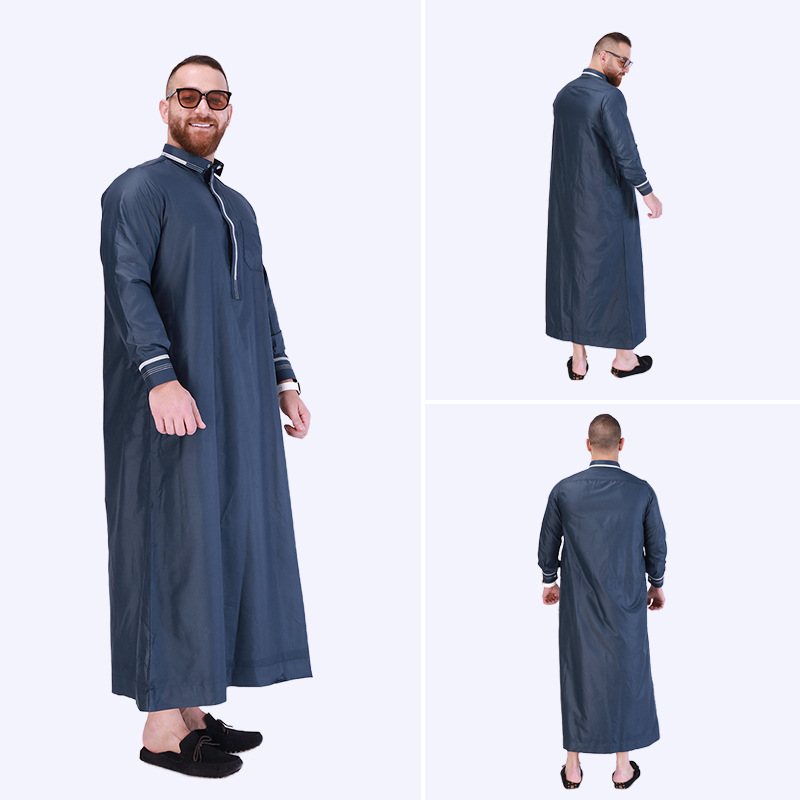
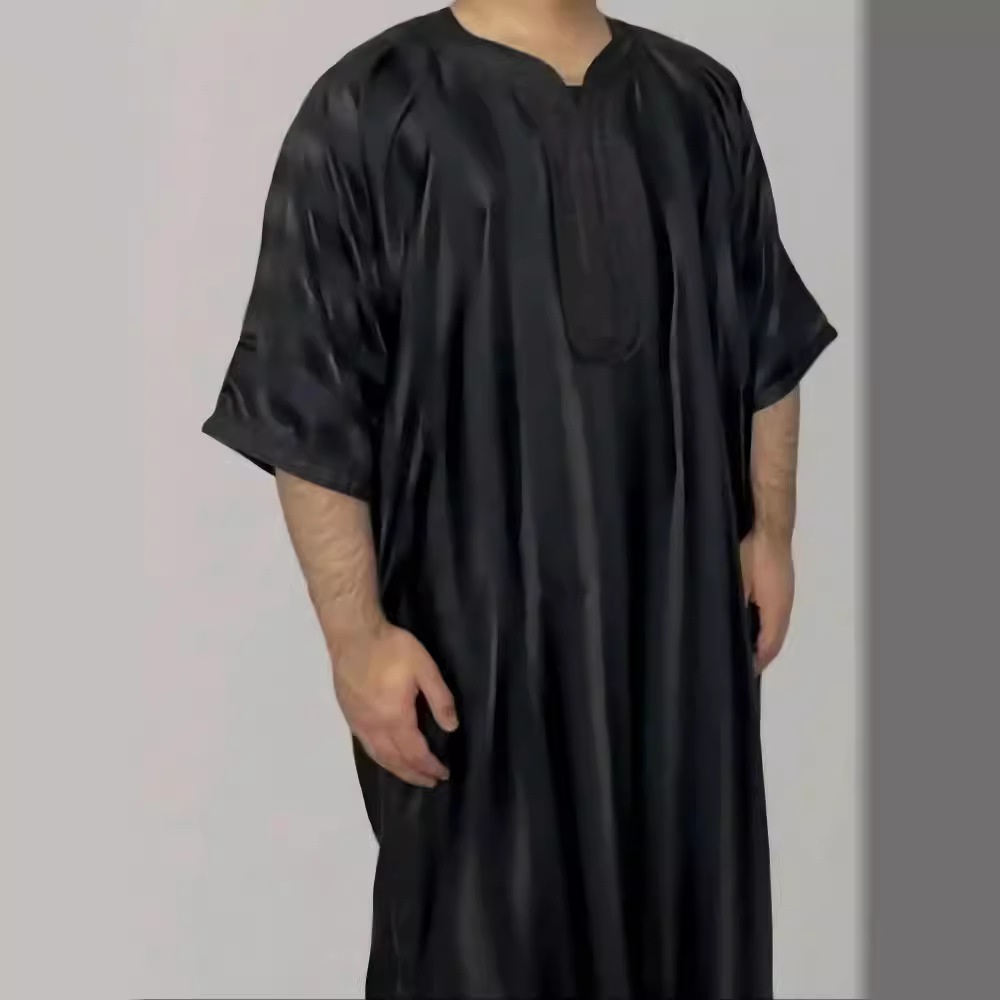
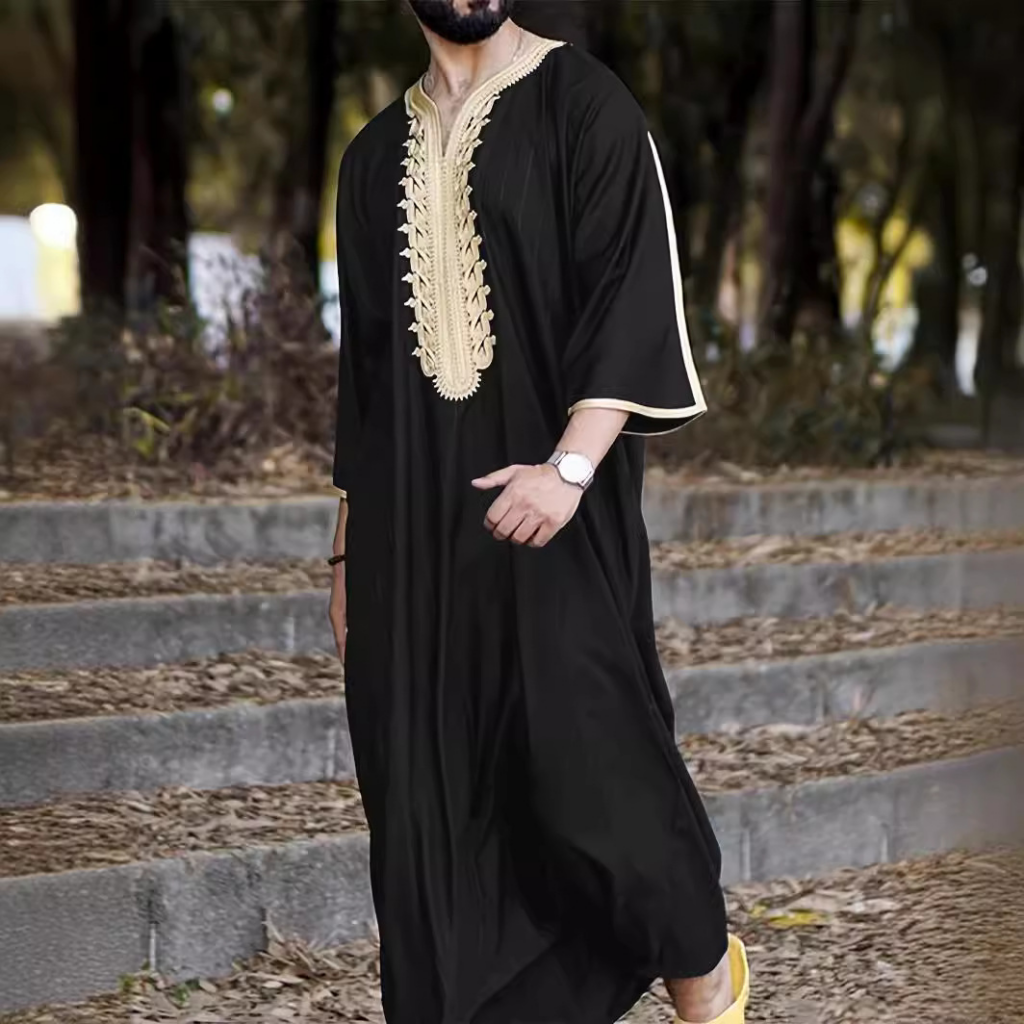
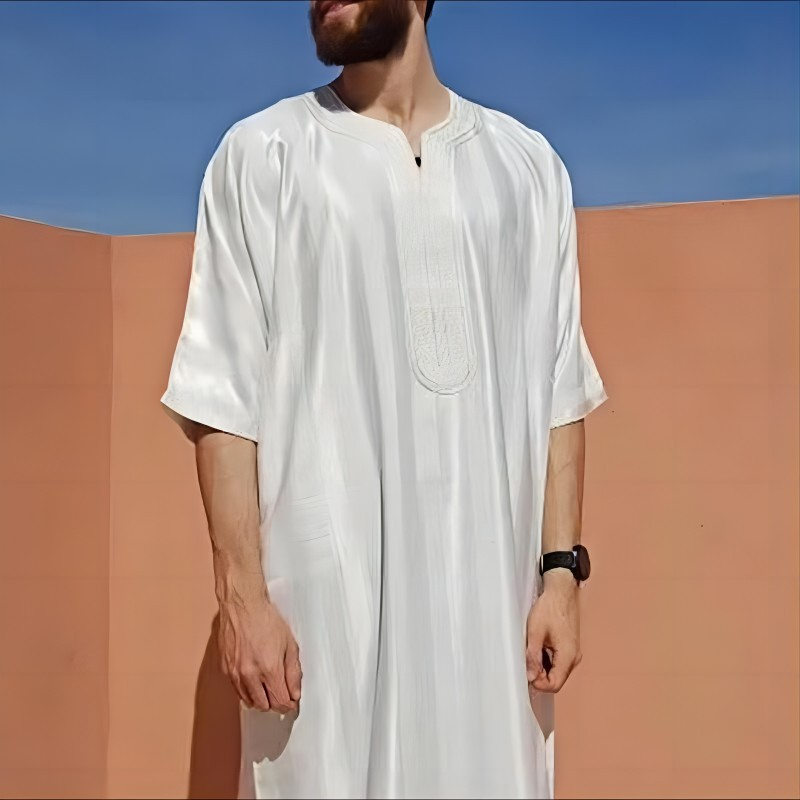
- Clothing: Wearing modest attire such as thobes, kufis, or hijabs (though hijab is typically worn by women, men may also adopt modest dress in certain contexts).
However, these traditions are not static. Younger generations often blend cultural practices with modern values, creating unique expressions of identity.
Religious Practices and Daily Life
Religion permeates the daily lives of many Muslim men, shaping their routines, priorities, and interactions.
Daily Worship: Salah and Reflection
The five daily prayers (salah) are a cornerstone of Muslim life. Each prayer—Fajr (dawn), Dhuhr (noon), Asr (afternoon), Maghrib (sunset), and Isha (night)—is performed at specific times, encouraging discipline and mindfulness. For many men, prayer is a private act of devotion, while others gather in mosques for communal worship, fostering a sense of community.
Ramadan: A Month of Spirituality and Charity
Ramadan, the ninth month of the Islamic lunar calendar, is a time of fasting, reflection, and increased charity. Muslim men fast from dawn to sunset, abstaining from food, drink, and other physical needs. This practice is meant to teach empathy for the less fortunate and strengthen self-control. During Ramadan, families and communities come together for iftar (the meal breaking the fast), often sharing traditional dishes and reciting the Quran. Zakat, or almsgiving, is also emphasized during this month, with many men donating a portion of their wealth to support those in need.
Hajj: The Journey of a Lifetime
For those able, the Hajj pilgrimage to Mecca is a profound spiritual experience. It involves rituals such as circling the Kaaba (the holiest site in Islam), standing at Mount Arafat, and stoning the devil. The Hajj is a unifying force, bringing together Muslims from diverse backgrounds to celebrate their shared faith.
Social Roles and Responsibilities
Muslim men often occupy significant roles within their families and communities, balancing tradition with modern responsibilities.
Family: Provider, Mentor, and Protector
In many Muslim households, men are traditionally seen as providers, responsible for financial stability and decision-making. However, this role is evolving. Today, many Muslim men share caregiving duties with their spouses, participating in childcare, cooking, and household management. They also serve as mentors, teaching their children about faith, ethics, and cultural values.
Community Leadership
Mosques and Islamic centers often rely on male volunteers for leadership roles, such as imams (prayer leaders), board members, or organizers of community events. These men work to strengthen community bonds, address local needs, and promote interfaith dialogue. For example, some mosques host food drives, educational workshops, or youth programs, reflecting a commitment to social justice.
Workplace and Professional Life
Muslim men navigate diverse professional environments, from corporate offices to small businesses. Many face challenges such as workplace discrimination or cultural misunderstandings, but others find success by integrating their faith with their work. For instance, a Muslim doctor might integrate Islamic ethics into patient care, or a teacher might incorporate lessons on Islamic history into their curriculum.
Modern Challenges and Adaptations
In an era of globalization and rising Islamophobia, Muslim men face unique challenges as they balance tradition with modernity.
Islamophobia and Prejudice
Negative stereotypes—such as associating Muslim men with extremism—persist in many societies. These biases can lead to discrimination in employment, education, or public spaces. To combat this, many Muslim men advocate for greater understanding through community outreach, interfaith dialogues, or social media campaigns.
Balancing Tradition and Modernity
Younger Muslim men often grapple with preserving their faith while embracing contemporary values. For example, some may choose to wear Western-style clothing while maintaining modesty, or they may use technology (e.g., apps for tracking prayer times) to enhance their religious practice. This adaptability reflects a dynamic, evolving identity.
Mental Health and Well-Being
Like men of all backgrounds, Muslim men may face mental health challenges, but cultural stigma can prevent open discussion. Efforts to normalize conversations about mental health—through mosque programs or online support groups—are helping to address this issue.
Family and Community: The Foundation of Muslim Life
Family and community are central to Muslim life, providing support, identity, and a sense of belonging.
Extended Families and Kinship
In many Muslim cultures, extended families live in close proximity, offering mutual support. Grandparents, aunts, and uncles often play active roles in raising children, sharing wisdom and traditions. This extended network strengthens community ties and provides stability.
Interfaith and Intra-Faith Relations
Muslim men frequently engage with people of other faiths, whether through work, education, or community events. Many participate in interfaith initiatives, promoting mutual respect and cooperation. Within the Muslim community, men also navigate differences in sect (e.g., Sunni, Shia) or cultural practices, fostering unity amid diversity.
Conclusion: A Tapestry of Faith, Culture, and Resilience
Muslim men are far more than the stereotypes they are often reduced to—they are individuals shaped by faith, culture, and personal experience. Their identities are rich and diverse, rooted in a 1,400-year tradition while adapting to the challenges of the modern world. By understanding their roles as fathers, community leaders, and global citizens, we can foster greater empathy and appreciation for the complexity of Muslim life.
How to purchase: https://looperbuy.com/search?keywords=muslim+man&globalType=1688
Frequently Asked Questions (FAQs)
1. Do all Muslim men wear a beard? No—facial hair is not a requirement of Islam. While some men choose to grow beards as a sign of modesty or tradition, others prefer clean-shaven looks. The Prophet Muhammad (peace be upon him) had a beard, but this is seen as a cultural norm rather than a strict rule.
2. What is the role of a Muslim father in the family? Muslim fathers are often viewed as providers and mentors. They are expected to support their families financially, teach their children about faith and ethics, and model positive behavior. However, modern Muslim fathers increasingly share caregiving responsibilities, reflecting evolving gender roles.
3. How do Muslim men observe Ramadan? During Ramadan, Muslim men fast from dawn to sunset, avoiding food, drink, and other physical needs. They also increase their worship, such as additional prayers (taraweeh) at night, and engage in acts of charity (zakat). Fasting is meant to foster empathy and self-discipline.
4. Are Muslim men allowed to marry non-Muslim women? Islamic teachings permit Muslim men to marry women from the “People of the Book” (Christians, Jews, or Sabians), provided the woman is respectful of Islamic values. Marriages are based on mutual consent and shared values, regardless of religious background.
5. What challenges do Muslim men face in Western societies? Muslim men in Western societies often face Islamophobia, workplace discrimination, and cultural misunderstandings. They may also navigate pressure to conform to both Islamic traditions and Western norms, such as balancing modesty with professional attire or addressing stereotypes about extremism.
Hot Tags: Muslim man identity; Islamic practices; Muslim family roles; Modern Muslim challenges; Cultural traditions; Faith and daily life; Interfaith relations; Ramadan observance; Muslim community leadership; Breaking stereotypes