Table of Contents
Introduction: A Single Pearl, Endless Stories
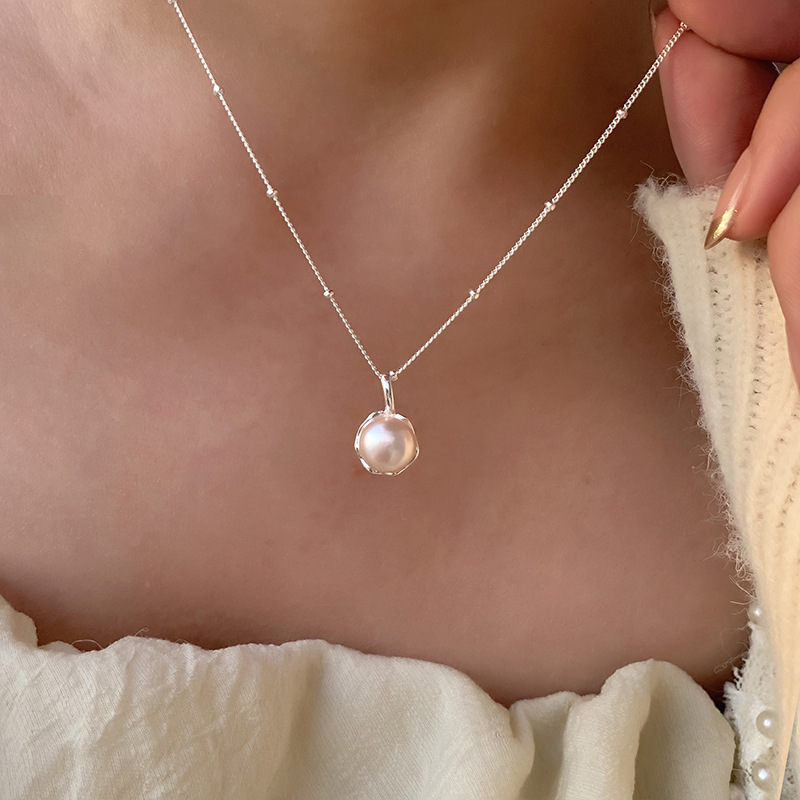
A single pearl necklace is more than just a piece of jewelry—it’s a symbol of elegance, sophistication, and timeless beauty. Whether worn as a minimalist statement or paired with bold outfits, this classic accessory has captivated hearts for centuries. From ancient royalty to modern fashion icons, the single pearl necklace remains a staple in jewelry boxes worldwide. This article explores its history, design nuances, cultural significance, and practical tips for choosing and caring for one, proving that simplicity can be profoundly powerful.
History and Symbolism: Pearls Through the Ages
Pearls have been cherished for millennia, with their origins tracing back to ancient civilizations. In China, pearls were considered gifts from the heavens, symbolizing wisdom and prosperity. In ancient Rome, they were a status symbol, worn by emperors and nobles to signify power. By the Middle Ages, pearls had become a cornerstone of European royalty, adorning crowns, gowns, and jewelry.
The single pearl necklace, in particular, gained prominence in the 19th and 20th centuries. Designers like Coco Chanel revolutionized its image, pairing it with casual wear to elevate everyday style. Today, it remains a versatile piece—whether worn alone for understated chic or layered with other necklaces for a bold look.
Symbolically, a single pearl often represents purity, innocence, and uniqueness. Its formation—a gemstone created within an oyster over years—mirrors the journey of growth and resilience, making it a meaningful gift for milestones like graduations, weddings, or birthdays.
Design Elements: Size, Shape, and Style
The allure of a single pearl necklace lies in its simplicity, but its impact depends on thoughtful design choices. Here’s what to consider:
1. Pearl Size and Shape
- Size: Pearls range from tiny seed pearls (2–3mm) to large South Sea pearls (10–20mm). A 7–9mm pearl is a versatile choice, balancing visibility and comfort.
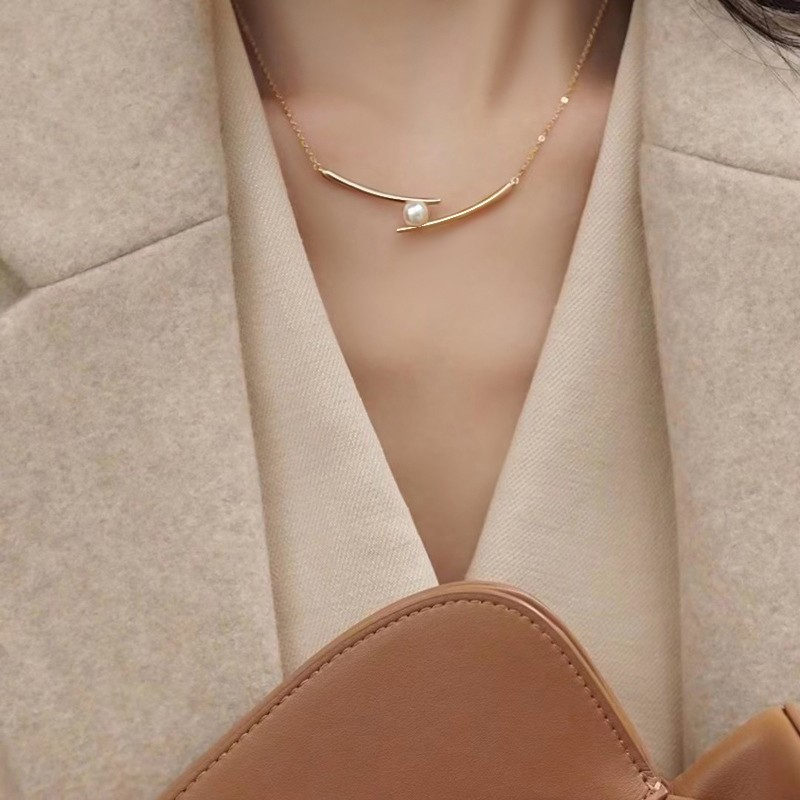
- Shape: Perfectly round pearls are classic, but baroque (irregular), drop (teardrop), or button (slightly flattened) shapes add character. Baroque pearls, for example, offer a bohemian vibe, while drop pearls elongate the neckline beautifully.
2. Necklace Length
- Choker: 14–16 inches, sits close to the collarbone for a bold, intimate look.
- Princess: 17–19 inches, the most common length, resting just below the collarbone.
- Matinee: 20–22 inches, ideal for layering or pairing with low-cut tops.
- Opera: 24–26 inches, a dramatic choice for formal events, reaching the décolletage.
3. Metal and Setting
The metal used to secure the pearl (e.g., gold, silver, platinum) affects both durability and style:
- Gold: Warm and luxurious, pairs well with warm skin tones. Yellow gold adds vintage charm; white gold offers a modern, sleek look.
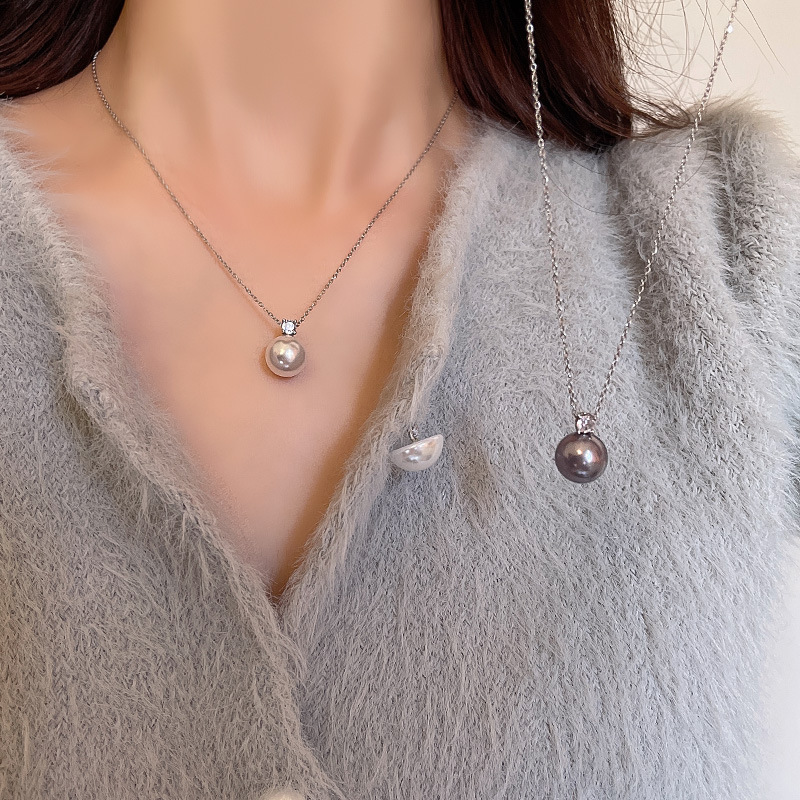
- Silver: Cool and versatile, complements cool skin tones and minimalist aesthetics.
- Platinum: Rare and hypoallergenic, perfect for those with sensitive skin.
4. Clasp Type
A secure clasp is essential. Options include:
- Lobster Claw: Classic and secure, ideal for daily wear.
- Spring Ring: Simple and affordable, but less secure for large pearls.
- Fishhook: Sleek and minimalist, popular in high-end designs.
Materials: Natural vs. Cultured Pearls
Understanding the difference between natural and cultured pearls is key to choosing a necklace that aligns with your values and budget:
Natural Pearls
Formed without human intervention, natural pearls are extremely rare—only 1 in 10,000 oysters produce one. They’re prized for their unique shapes and warm luster but come with a high price tag (often $10,000+ for a high-quality strand).
Cultured Pearls
Most pearls on the market today are cultured, created by inserting a small bead or tissue into an oyster to stimulate nacre (pearl) production. Types include:
- Akoya: From Japan and China, known for sharp luster and round shapes.
- South Sea: Grown in Australia, Indonesia, and the Philippines, larger (9–20mm) with golden or white hues.
- Tahitian: From French Polynesia, dark gray to black with iridescent overtones.
Cultured pearls offer exceptional value, with prices ranging from 100 to 10,000 depending on size, shape, and quality.
How to Style a Single Pearl Necklace
The beauty of a single pearl necklace lies in its adaptability. Here are styling tips for different occasions:
1. Everyday Wear
Pair a small (7–8mm) round pearl necklace with a simple white t-shirt and jeans for a fresh, effortless look. Add dainty gold hoop earrings to balance the simplicity.
2. Formal Events
Opt for a larger (9–10mm) South Sea pearl necklace in white gold. Pair it with a little black dress or a tailored suit for understated elegance.
3. Boho Chic
Choose a baroque or drop-shaped pearl necklace in silver. Layer it with a chunky knit sweater and ankle boots for a free-spirited vibe.
4. Workwear
A princess-length cultured pearl necklace (8–9mm) adds polish to a blazer and trousers. Keep the rest of your jewelry minimal to let the pearl shine.
Buying Guide: Factors to Consider
Before purchasing, evaluate these key factors to ensure you find the perfect necklace:
1. Budget
Natural pearls are a luxury investment, while cultured pearls offer more affordability. Set a budget that aligns with your needs—whether it’s a 200 everyday piece or a 5,000 heirloom.
2. Occasion
A choker is perfect for date nights, while an opera-length necklace suits galas. Consider how often you’ll wear it—daily wear demands durability, while occasional pieces can prioritize aesthetics.
3. Skin Tone
Warm skin tones (olive, golden) look best with gold or cream-colored pearls. Cool skin tones (rosy, pink) pair beautifully with silver or white pearls.
4. Personal Style
Minimalists may prefer a single round pearl, while eccentrics might gravitate toward baroque or multi-color strands.
5. Quality Checks
Look for even luster (no dull spots), smooth surfaces (no blemishes), and a secure clasp. Ask for a gemological certificate to confirm authenticity.
Care and Maintenance Tips
Pearls are delicate and require gentle care to maintain their luster:
1. Cleaning
Wipe pearls with a soft, dry cloth after each use to remove oils and dirt. For deeper cleaning, use a mild soap solution (dish soap + water) and a soft brush, then rinse thoroughly and pat dry.
2. Storage
Store pearls in a soft pouch or jewelry box lined with velvet to prevent scratches. Avoid plastic bags, as they trap moisture.
3. Avoid Harsh Chemicals
Pearls react poorly to perfume, lotion, and hairspray. Apply these products before putting on your necklace, or wait for them to dry completely.
4. Repair Promptly
If the clasp loosens or a pearl chips, take it to a professional jeweler immediately to prevent further damage.
Cultural Significance Across Traditions
Pearls hold deep cultural meaning worldwide:
- Japan: Pearls symbolize purity and are given as gifts to newborns.
- India: They’re associated with the moon and used in bridal jewelry to bring good fortune.
- Middle East: Pearls are a symbol of wealth and status, often featured in traditional henna designs.
Conclusion: A Pearl for Every Chapter
A single pearl necklace is more than an accessory—it’s a timeless piece that evolves with your life. Whether you’re drawn to its historical roots, its symbolic meaning, or its understated elegance, this necklace offers endless possibilities for self-expression. By understanding its design, materials, and care, you can choose a piece that not only looks stunning but also holds personal significance for years to come.
How to purchase: https://looperbuy.com/search?keywords=single+pearl+necklace&globalType=1688
Frequently Asked Questions (FAQs)
1. How do I know if a pearl is real? Real pearls have a subtle nacre layer that feels slightly gritty when rubbed against your teeth. Fake pearls are smooth and shiny.
2. Can I wear a pearl necklace every day? Yes—with proper care. Avoid harsh chemicals and store it separately to prevent scratches.
3. What size pearl is best for a first necklace? A 7–9mm round pearl in a princess-length setting is versatile and easy to style.
4. Are cultured pearls as valuable as natural ones? No—natural pearls are rare and command higher prices, but cultured pearls offer exceptional beauty and value.
5. Can I resize a pearl necklace? Yes, most jewelers can adjust the length by adding or removing links, but this may affect the clasp’s integrity.
Hot Tags: Single pearl necklace; Pearl jewelry; Vintage pearl necklace; Cultured pearl necklace; Natural pearl necklace; Pearl styling tips; Pearl care guide; Cultural meaning of pearls; Minimalist pearl necklace; Luxury pearl necklace