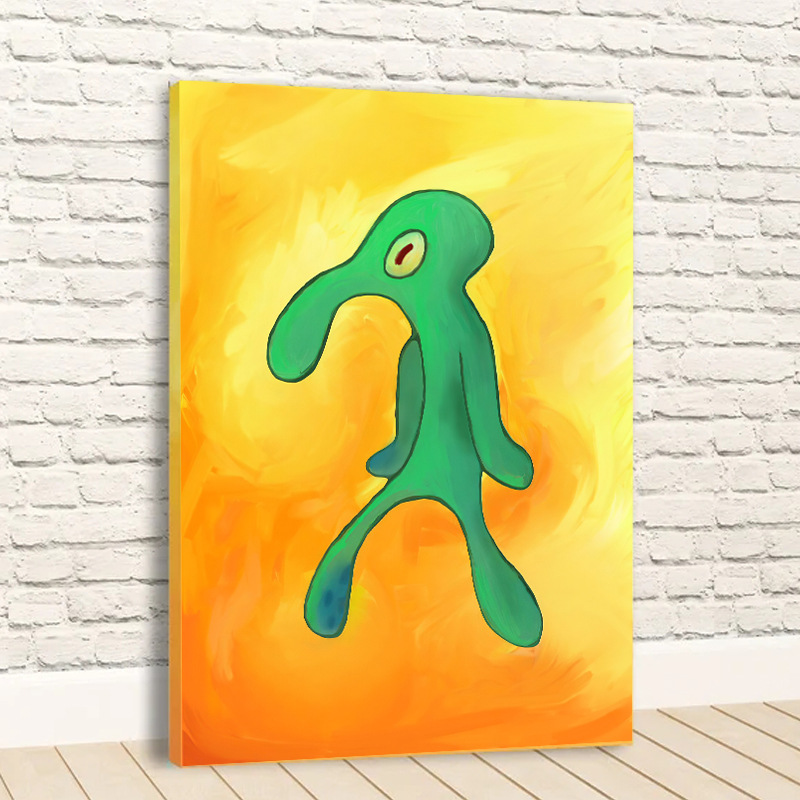
In the realm of interior design, few elements possess the transformative power of art wall decor painting. These masterpieces transcend mere decoration; they breathe life into spaces, evoke emotions, and tell stories without uttering a single word. The strategic placement of paintings on walls can redefine the character of a room, turning ordinary spaces into extraordinary experiences.
Table of Contents
Exploring Styles and Movements
Art wall decor encompasses a vast spectrum of styles that cater to diverse aesthetic preferences. From the minimalist elegance of modern abstracts to the rich narratives of classical realism, each style offers unique visual appeal.
Traditional vs Contemporary: Bridging the Gap
Traditional art wall decor often features intricate details, realistic representations, and time-honored techniques. Think of the meticulous brushwork in Renaissance portraits or the dramatic lighting in Baroque compositions. These pieces anchor spaces with their historical significance and masterful craftsmanship.
Contemporary art wall decor, on the other hand, embraces innovation and breaks away from conventional norms. Abstract expressionism, pop art, and conceptual art fall under this category. Artists like Jackson Pollock and Andy Warhol revolutionized how we perceive art on walls, introducing bold colors, unconventional materials, and thought-provoking themes.
The fusion of traditional and contemporary elements creates harmonious yet intriguing visual dialogues. A classical landscape painting might share wall space with a modern geometric abstract, resulting in a balanced and eclectic aesthetic that appeals to discerning homeowners.
Cultural Art Wall Decor: Celebrating Diversity
Incorporating cultural art into wall decor enriches spaces with global perspectives. African tribal masks, Japanese sumi-e paintings, or Native American pictographs bring authentic cultural narratives into contemporary settings.
These cultural artifacts serve as conversation starters and educational tools. A Moroccan tile artwork might inspire questions about Islamic geometric patterns, while a Maori wood carving could lead to discussions about Polynesian mythology. Such art wall decor paintings transform homes into micro-museums of world culture.
Selecting the Perfect Artwork
The process of choosing art for wall decor involves careful consideration of several factors beyond mere visual appeal.
Scale and Proportion: Getting the Balance Right
The size of artwork relative to the wall and surrounding furniture is crucial. A general guideline suggests that art should occupy approximately two-thirds to three-quarters of the wall space above a piece of furniture. For instance, above a sofa, a painting should ideally be 2/3 the width of the furniture.
In large, expansive walls, a gallery wall arrangement with multiple smaller pieces can create visual interest without overwhelming the space. Conversely, a single oversized masterpiece can serve as a dramatic focal point in minimalist settings.
Color Coordination: Harmonizing with Existing Palettes
Art wall decor should complement the room’s color scheme rather than compete with it. For cohesive integration, consider the dominant, secondary, and accent colors in the space.
A monochromatic art piece can add depth to a room with similar wall colors, while a complementary color scheme creates vibrant contrast. Analogous color schemes, using adjacent colors on the wheel, offer a sophisticated and harmonious appearance.
For adventurous decorators, a split-complementary scheme introduces excitement without the harshness of direct complementary contrasts. The key is ensuring the artwork’s colors either echo or intentionally contrast with the room’s established palette.
Creative Arrangement Techniques
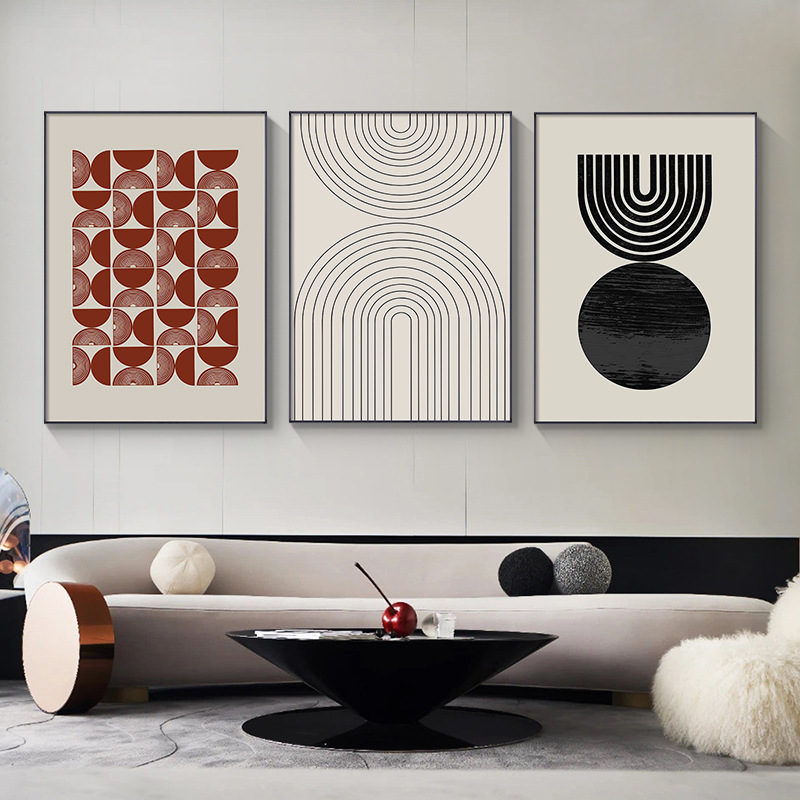
How you arrange art wall decor paintings significantly impacts the overall visual effect and perceived functionality of the space.
Symmetrical vs Asymmetrical Layouts
Symmetrical arrangements create formal, balanced aesthetics. Mirroring paintings on either side of a central axis (such as a fireplace) establishes order and harmony. This technique works particularly well in traditional and formal spaces.
Asymmetrical arrangements, however, offer dynamic visual interest. By varying the size, shape, and placement of artworks, you can create unexpected focal points and引导the viewer’s eye through the space. This approach suits modern, eclectic interiors where surprise and individuality are valued.
Gallery Walls: Curating Your Personal Collection
Gallery walls allow for the display of multiple art pieces, creating a curated museum-like experience in your home. Successful gallery walls require planning:
- Unified Frames: Using consistent framing creates cohesion even with diverse artwork.
- Grid Layouts: Perfect for clean, organized appearances with equal spacing between pieces.
- Free-Form Arrangements: More organic and eclectic, with varying gaps and overlaps.
- Thematic Groupings: Organizing by color, subject matter, or artistic movement tells a visual story.
The gallery wall transforms corridors, stairways, and large walls into personal exhibition spaces, showcasing collections or cherished acquisitions over time.
Maintenance and Preservation
Art wall decor requires proper care to preserve its aesthetic value and structural integrity over time.
Environmental Considerations
Direct sunlight, humidity, and temperature fluctuations pose significant threats to artwork. Pigments fade under UV exposure, canvas warps with humidity changes, and wooden frames expand or contract with temperature shifts.
Positioning artwork away from direct sunlight, using UV-protective glass, and maintaining stable indoor climate conditions (ideally 40-60% humidity and 65-75°F) prolongs the lifespan of your art investments.
Cleaning and Restoration
Dust accumulation dulls the appearance of artwork. Regular, gentle cleaning with a soft brush or microfiber cloth prevents dirt buildup. For framed pieces, avoid spraying cleaning solutions directly on the surface.
When damage occurs—whether from accidental impacts, mold growth, or age-related deterioration—professional art conservators possess the expertise to restore pieces to their former glory. Prompt attention to damage prevents further degradation and preserves sentimental or monetary value.
Conclusion
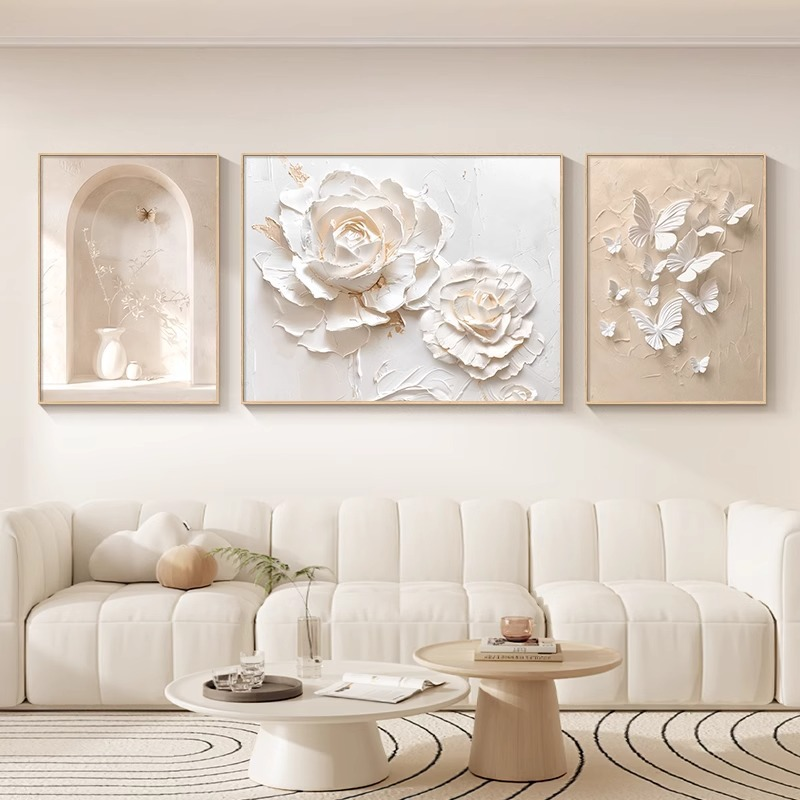
Art wall decor paintings serve as powerful tools for personal expression, cultural celebration, and spatial transformation. By understanding styles, thoughtful selection, creative arrangement, and proper maintenance, homeowners can create visually compelling narratives that resonate with their identities and enhance their living environments. These artistic investments not only beautify spaces but also foster emotional connections and intellectual stimulation, turning houses into truly inspiring homes.
How to Purchase:https://looperbuy.com/search?keywords=art+wall+decor+painting
Related Questions & Answers
· What are the most common mistakes when hanging art wall decor?
The most common errors include hanging artwork too high (typically above eye level), using mismatched frames that distract from the art, overcrowding walls without focal points, ignoring the relationship between art and furniture proportions, and neglecting to consider natural light conditions when selecting and placing pieces. These mistakes can diminish the visual impact and harmonic balance of wall decor.
· How can I incorporate art wall decor into a small apartment?
In compact spaces, consider vertical arrangements that utilize wall height, mirror-backed frames that create illusionary depth, multipurpose art that combines functionality (like clock art), and light-reflective surfaces surrounding artwork to enhance perception of space. Single powerful pieces often work better than gallery walls in small settings to avoid visual clutter.
· What painting mediums hold their value best for art investments?
Historically, oil paintings have maintained strong resale value due to their archival quality and traditional association with fine art. Acrylics, while more modern, also hold value particularly among contemporary artists. Limited edition prints from established artists offer accessibility for collectors on tighter budgets. The artist’s reputation, provenance documentation, and condition of the piece ultimately determine investment potential regardless of medium.
· Are digital art reproductions worthwhile for wall decor?
Absolutely. High-quality giclée prints on canvas or archival paper provide excellent color reproduction and texture simulation of original works. They democratize access to famous artworks and allow for customization of sizes. When framed professionally and protected from UV damage, digital reproductions can last decades and offer flexibility in updating decor styles without the commitment or cost of original artworks.
· How do I create a cohesive art collection across multiple rooms?
Establish a unifying theme—whether it’s a color palette, artistic movement, cultural focus, or consistent framing style. Rotate pieces seasonally to maintain freshness while preserving overall coherence. Document your collection’s evolution and acquisition stories to strengthen personal connection. Professional design consultation can help balance individual room identities with whole-house aesthetic continuity.
Hot Tags: Wall Art Decoration; Contemporary Painting Styles; Art Arrangement Techniques; Cultural Art Integration; Art Preservation Methods; Gallery Wall Design; Interior Art Curation; Art and Emotion Connection; Art Collection Display