Table of Contents
The Critical Role of Ceiling Fan Electrical Boxes
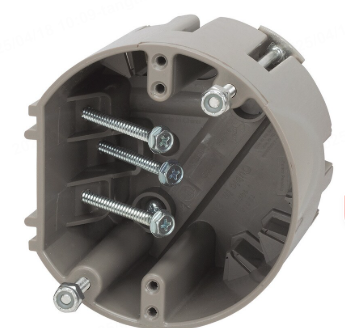
Ceiling fan electrical boxes serve as the vital link between your home’s electrical system and your ceiling fan. They ensure safe and efficient power delivery, providing stable support for the fan’s weight and movement. Proper installation and selection of these boxes are crucial for both safety and functionality.
Types of Ceiling Fan Electrical Boxes
Understanding the different types of electrical boxes available helps you make an informed decision based on your specific installation needs and ceiling structure.
Standard Ceiling Fan Boxes
Standard ceiling fan boxes are designed for typical installations where the ceiling joist is accessible and can support the fan’s weight. These boxes usually have a mounting bracket that attaches directly to the joist, providing secure anchorage. They are suitable for fans weighing up to 70 pounds and are the most common type found in residential settings.
Universal Ceiling Fan Boxes
Universal boxes offer greater flexibility, as they can be installed in ceilings without direct access to a joist. They feature adjustable mounting systems that can span between joists, making them ideal for homes with vaulted or angled ceilings. Their design allows for secure installation in various ceiling types, accommodating fans of different weights and sizes.
Close-to-Ceiling Fan Boxes
For installations where minimal space exists between the ceiling and the fan, close-to-ceiling boxes are the perfect solution. These compact boxes maintain safety standards while fitting neatly in confined spaces. They are engineered to support fan weights similar to standard boxes but with a reduced profile, making them ideal for low-ceiling applications.
Key Factors in Selecting the Right Electrical Box
When choosing a ceiling fan electrical box, several important factors should be considered to ensure compatibility, safety, and longevity.
Weight Capacity and Fan Size
The weight capacity of the electrical box must match or exceed the weight of your ceiling fan. Most residential fans weigh between 30 to 70 pounds, but larger commercial models can be significantly heavier. Always verify the box’s weight rating and consider potential future upgrades when selecting your box.
Ceiling Type and Construction
Different ceiling types require specific installation approaches:
- Wooden Joist Ceilings: Allow for direct mounting of standard or universal boxes to the joist.
- Concrete Ceilings: Require specialized anchors and boxes designed to handle the unique challenges of concrete installation.
- Vaulted or Angled Ceilings: Demand adjustable mounting systems found in universal boxes to ensure proper fan angle and balance.
Building Codes and Safety Standards
Adherence to local building codes and safety standards is non-negotiable. Ensure your selected box meets UL (Underwriters Laboratories) safety certifications and complies with NEC (National Electrical Code) regulations. These standards guarantee that the box has undergone rigorous testing for safe electrical performance and structural integrity.

Installation Best Practices
Proper installation of your ceiling fan electrical box is essential for safe operation and to maximize the lifespan of both the box and fan.
Step-by-Step Installation Guide
- Turn Off Power: Always shut off power to the circuit at the breaker before beginning any electrical work.
- Prepare the Ceiling: For wooden joist ceilings, drill a pilot hole to guide the mounting screw. For concrete ceilings, install appropriate anchors first.
- Mount the Box: Secure the electrical box to the ceiling using the provided hardware. Ensure it is level and tightly fastened.
- Connect Wiring: Follow manufacturer instructions to connect electrical wires properly. Typically, this involves connecting black (power) wires together and white (neutral) wires together, securing them with wire nuts.
- Install the Fan: Attach the ceiling fan to the electrical box using the provided mounting bracket. Ensure all connections are secure before powering on.
Common Installation Mistakes to Avoid
- Overlooking Weight Capacity: Never install a fan that exceeds the box’s weight rating.
- Improper Wiring Connections: Ensure all electrical connections are secure and insulated to prevent short circuits.
- Ignoring Ceiling Type Requirements: Using the wrong box type for your ceiling construction can lead to instability and safety hazards.
Maintenance and Troubleshooting
Regular maintenance of your ceiling fan electrical box helps prevent issues and ensures continued safe operation.
Routine Maintenance Tips
- Inspect Connections: Periodically check the tightness of screws and the integrity of wire connections.
- Clean Dust and Debris: Keep the electrical box free from dust accumulation, which can affect electrical performance.
- Test Grounding: Use a multimeter to verify proper grounding, ensuring a safe electrical path.
Troubleshooting Common Issues
- Fan Wobble: Often caused by an improperly secured electrical box or imbalance in the fan blades. Re-tighten box mounting screws and check blade alignment.
- Electrical Buzzing: May indicate loose wire connections or a faulty electrical box. Turn off power and inspect connections before replacing the box if necessary.
- Power Fluctuations: Can result from poor wiring connections within the box. Ensure all connections are secure and insulated properly.
Popular Ceiling Fan Electrical Box Brands
Several brands are known for producing high-quality ceiling fan electrical boxes that meet safety standards and offer durable performance.
Brand Comparisons
- Commercial Electric: Offers a wide range of boxes with reliable weight capacities and competitive pricing, suitable for both residential and light commercial applications.
- Eaton: Known for their rugged construction and innovative mounting systems, Eaton boxes provide excellent support for heavier fans and challenging ceiling types.
- Leviton: Features sleek designs with user-friendly installation systems, making them a popular choice for DIY enthusiasts and professional electricians alike.
Conclusion
Ceiling fan electrical boxes are fundamental components that ensure the safe and efficient operation of your ceiling fan. By understanding the various types available, considering key selection factors, and following proper installation and maintenance practices, you can enjoy reliable performance and extended lifespan of your ceiling fan setup. Always prioritize safety and adhere to building codes to protect your home and its occupants.
How to Purchase:https://looperbuy.com/search?keywords=ceiling+fan+electrical+boxes
Frequently Asked Questions
Q: Can I install a ceiling fan without a specialized electrical box?
A: It is not recommended and can be dangerous. Standard light fixture boxes are not designed to handle the weight and movement of a ceiling fan. Always use a box specifically rated for ceiling fans to ensure safety and stability.
Q: How do I determine the weight capacity needed for my ceiling fan box?
A: Check the specifications of your ceiling fan for its weight. Select an electrical box with a weight capacity that matches or exceeds this weight. Consider potential future upgrades when making your selection to avoid needing to replace the box later.
Q: Are there electrical boxes suitable for outdoor ceiling fans?
A: Yes, specialized outdoor ceiling fan boxes are available. They feature weather-resistant materials and seals to protect against moisture and environmental elements, ensuring safe operation in outdoor settings.
Q: Can I paint or finish the electrical box to match my ceiling?
A: Most ceiling fan electrical boxes can be painted or finished after installation. Choose paint appropriate for metal surfaces and ensure the box is clean and free of dust before applying. This allows for seamless integration with your ceiling’s appearance.
Q: What tools are needed to install a ceiling fan electrical box?
A: Basic tools include a screwdriver, drill with appropriate bits, wire strippers, wire nuts, and a level. For concrete installations, a masonry drill bit and anchors will also be required. Always have a voltage tester to confirm power is off before beginning.