Table of Contents
Introduction
In the world of furniture, the feet might seem like a minor detail. However, they play a crucial role in the functionality, aesthetics, and longevity of any piece of furniture. When it comes to plastic furniture feet, there are numerous benefits that make them a popular choice for both manufacturers and consumers. This comprehensive guide will delve into the world of plastic furniture feet, exploring their advantages, different types, and essential maintenance tips.
The Importance of Furniture Feet
Furniture feet are more than just decorative elements. They provide stability, protect surfaces from scratches, and can even enhance the overall design of the furniture. For plastic furniture feet, these roles are amplified due to their unique properties. Plastic furniture feet offer a combination of durability, affordability, and versatility that makes them an ideal choice for various types of furniture.
Benefits of Plastic Furniture Feet
Plastic furniture feet come with a host of benefits that set them apart from their metal or wooden counterparts. Firstly, they are incredibly durable and resistant to wear and tear. This makes them suitable for use in high-traffic areas such as living rooms, dining rooms, and offices. Secondly, plastic feet are lightweight, which means they do not add unnecessary bulk to the furniture. This is particularly important for pieces that need to be moved around frequently. Additionally, plastic furniture feet are often more affordable than other materials, making them a cost-effective option without compromising on quality.
Types of Plastic Furniture Feet
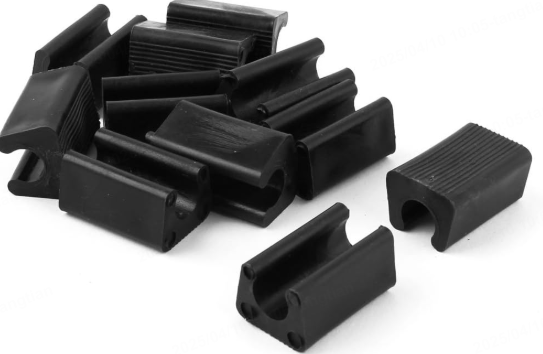
There is a wide variety of plastic furniture feet available in the market, each designed to cater to specific needs and preferences. Some of the most common types include:
Glides
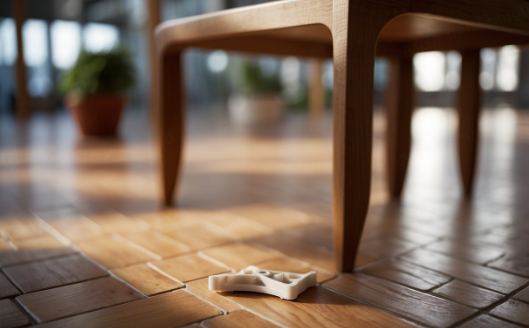
Glides are small, round plastic feet that are typically used on chairs and tables. They are designed to provide smooth movement and protect floors from scratches. Glides come in different sizes and can be easily attached to the legs of furniture using adhesive or screws.
Casters
Casters are another popular type of plastic furniture feet. They consist of a wheel attached to a plastic base, allowing furniture to be easily moved around. Casters are commonly used on office chairs, desks, and storage units. They are available in various sizes and load capacities, making them suitable for both light and heavy furniture.
Levelers
Levelers are adjustable plastic feet that help stabilize furniture on uneven surfaces. They are often used on tables, desks, and cabinets. Levelers can be adjusted using a wrench or screwdriver, ensuring that the furniture remains stable and level. This is particularly useful in areas with uneven flooring, such as basements or outdoor spaces.
Choosing the Right Plastic Furniture Feet
Selecting the appropriate plastic furniture feet depends on several factors. The first consideration is the type of furniture. Different types of furniture require different types of feet. For example, a dining chair would benefit from glides, while a heavy desk might require casters or levelers. The weight of the furniture is also an important factor. Ensure that the plastic feet you choose can support the weight of the furniture without deforming or breaking. Additionally, consider the environment in which the furniture will be used. If the furniture will be exposed to moisture or harsh chemicals, it is essential to choose plastic feet that are resistant to these elements.
Maintenance and Care for Plastic Furniture Feet
To ensure the longevity of your plastic furniture feet, proper maintenance is essential. Regularly inspect the feet for signs of wear and tear, such as cracks or deformations. If you notice any damage, it is important to replace the feet promptly to prevent further damage to the furniture or the surfaces it rests on. Clean the feet regularly using a mild detergent and water. Avoid using harsh chemicals or abrasive materials, as these can damage the plastic. For furniture with casters, ensure that the wheels are free of debris and rotate smoothly. Lubricate the wheels periodically to maintain their functionality.
Innovations in Plastic Furniture Feet
The field of plastic furniture feet is constantly evolving, with new innovations being introduced regularly. One of the most exciting developments is the use of advanced materials that offer greater durability and resistance to environmental factors. For example, some plastic feet are now made from recycled materials, making them an eco-friendly option. Another innovation is the integration of smart technology into furniture feet. Some modern feet come equipped with sensors that can detect movement and adjust the furniture’s position accordingly. This can be particularly useful in office settings, where ergonomic adjustments are crucial for user comfort.
The Environmental Impact of Plastic Furniture Feet
As awareness of environmental issues grows, the impact of plastic furniture feet on the environment has become a topic of discussion. While traditional plastic feet can contribute to pollution if not disposed of properly, there are now many eco-friendly options available. Manufacturers are increasingly using recycled materials to produce furniture feet, reducing the demand for new plastic and minimizing waste. Additionally, some companies are focusing on creating biodegradable plastic feet, which can break down naturally over time without harming the environment.
Conclusion
Plastic furniture feet are an essential component of any piece of furniture, offering numerous benefits such as durability, affordability, and versatility. With a wide variety of types available, there is a suitable option for every type of furniture and environment. Proper maintenance and care can significantly extend the lifespan of plastic furniture feet, ensuring that your furniture remains stable and protected. As technology and environmental awareness continue to advance, the future of plastic furniture feet looks promising, with innovations that enhance functionality and sustainability.
How to Purchase:https://looperbuy.com/search?keywords=plastic+furniture+feet
Frequently Asked Questions
Q1: How do I attach plastic furniture feet to my furniture?
A1: Attaching plastic furniture feet is relatively straightforward. Most feet come with adhesive strips or screws for easy installation. For adhesive feet, simply clean the surface of the furniture leg, apply the adhesive strip, and press the foot firmly into place. For screw-on feet, use a screwdriver to attach the foot to the leg.
Q2: Can plastic furniture feet be used on outdoor furniture?
A2: Yes, plastic furniture feet can be used on outdoor furniture. However, it is important to choose feet that are resistant to moisture and UV rays. Some plastic feet are specifically designed for outdoor use and can withstand harsh weather conditions.
Q3: How often should I replace plastic furniture feet?
A3: The frequency of replacement depends on the usage and environment. In general, inspect the feet every few months for signs of wear and tear. If you notice any cracks, deformations, or damage, it is time to replace them. For furniture in high-traffic areas, you may need to replace the feet more frequently.
Q4: Are there any eco-friendly plastic furniture feet available?
A4: Yes, there are several eco-friendly options available. Some manufacturers use recycled materials to produce plastic furniture feet, reducing the environmental impact. Additionally, there are biodegradable plastic feet that can break down naturally over time.
Q5: Can I use plastic furniture feet on hardwood floors?
A5: Yes, plastic furniture feet are ideal for hardwood floors. They provide a smooth surface that prevents scratches and protects the floor from damage. Ensure that the feet are clean and free of debris to maintain their protective function.