Conclusion: Donating your gently used small furniture is a powerful way to declutter your living space while providing essential support to local families and charitable organizations. By carefully assessing your items, choosing the right recipient, and following proper preparation steps, you ensure that your donation makes a meaningful and lasting impact in your community.
Table of Contents
Understanding the Value of Your Small Furniture Donations
When you decide to part ways with furniture, it is easy to view it simply as an item that no longer fits your aesthetic or space requirements. However, for many non-profit organizations and the families they serve, these pieces represent comfort, functionality, and stability. Small furniture, such as nightstands, accent chairs, coffee tables, and desks, are particularly high in demand because they easily fit into smaller apartments and homes.
The Community Impact of Reused Goods
Every time you choose to donate rather than discard, you are contributing to a cycle of sustainability. Furniture that still has plenty of life left in it can be the foundation of a new home for someone transitioning out of homelessness, fleeing domestic violence, or starting over after a disaster. By keeping these items out of landfills, you are also making a positive environmental statement, reducing waste, and promoting a circular economy where goods remain in use for as long as possible.
Why Small Furniture is Highly Sought After

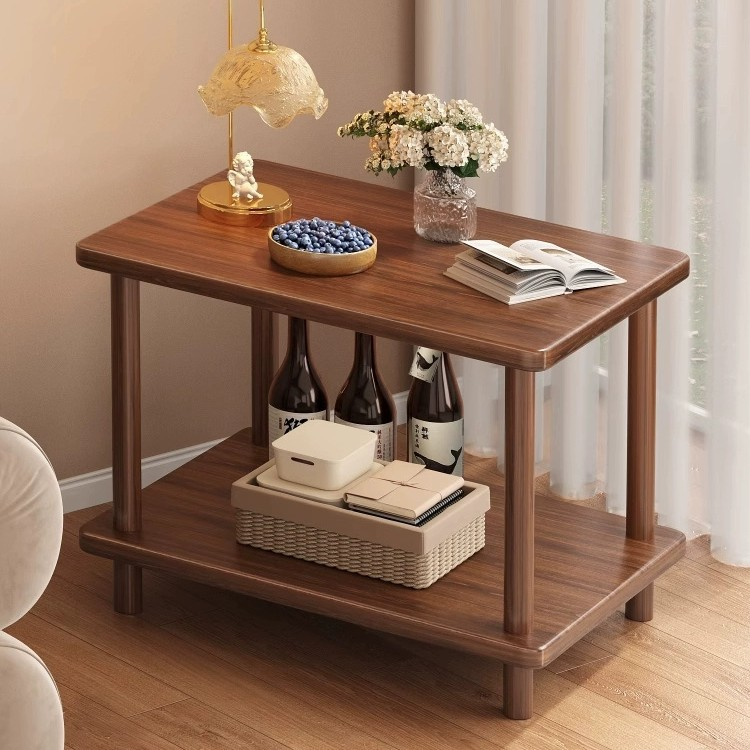
Larger furniture items often require significant space and heavy lifting, which can be logistically challenging for both donors and charities. Small furniture, conversely, is highly versatile. It can be easily transported in most personal vehicles, requires less warehouse space for charities to store, and is quickly purchased or distributed to individuals who need these specific pieces to furnish essential living areas. When you donate a small bookshelf or a sturdy side table, you are providing a piece that can fit into nearly any living arrangement, making it an incredibly efficient way to give back.
Identifying Reputable Places to Donate
Finding the right organization ensures that your items are handled with care and reach the people who need them most. While local thrift stores are a popular choice, several specialized organizations focus specifically on furniture and household necessities.
Major Charitable Organizations
Large, well-known charities often have established networks for collecting and selling donated goods. Organizations like Goodwill and The Salvation Army operate extensive chains of thrift stores. The revenue generated from selling your donated furniture often goes directly into funding social programs, such as job training, addiction recovery services, and housing assistance. By donating to these pillars of the charitable world, you are helping to fund a wide array of vital community services.
Specialized Furniture Banks
Unlike general thrift stores, a furniture bank is specifically designed to distribute furniture directly to individuals and families in need at little or no cost. They often partner with local social service agencies that refer clients who have recently secured housing but lack the resources to furnish it. Checking if there is a local Furniture Bank Network member in your area is an excellent way to ensure your items have a direct and immediate impact. These organizations are uniquely equipped to match your gently used nightstands or chairs with individuals who are currently setting up their first stable home.
Habitat for Humanity ReStores
Habitat for Humanity’s ReStore locations are unique hubs that sell building materials, home goods, and furniture to the public. The proceeds from these sales support the organization’s mission of building affordable housing. These stores are often excellent recipients for quality, sturdy furniture that can withstand continued use. Because they focus on home improvement, they are often staffed by knowledgeable individuals who understand the value and durability of well-made furniture pieces.
Preparing Your Furniture for Successful Donation
To maximize the impact of your donation, you must ensure that your items are in a condition that a charity can reasonably accept and resell or redistribute. Preparation is key to ensuring your donation is a help, not a burden, to the recipient organization.
Evaluating Quality and Cleanliness
Before reaching out to a charity, take a moment to honestly assess the item. Ask yourself if you would feel comfortable gifting the piece to a friend or family member. Items should be clean, free of major stains, tears, or broken parts. Charities operate on tight budgets and often cannot afford the time or money to repair damaged goods. If an item is beyond repair, please consider responsible disposal or recycling options instead. Taking the time to perform this assessment shows respect for the charity’s resources and the eventual recipient.
Cleaning and Basic Repairs
A little effort goes a long way. Wipe down hard surfaces, vacuum upholstery, and tighten any loose screws or bolts. If the furniture has removable cushions, wash the covers if possible. Presenting your furniture in its best possible state ensures that the next owner can enjoy it immediately and helps the receiving organization save valuable time on cleaning or refurbishing. Even small touches, such as dusting off legs or ensuring a drawer slides smoothly, significantly enhance the appeal of the piece for potential buyers or recipients.
The Psychology of Giving: Why Decluttering Matters
Beyond the physical benefits of donating, there is a profound psychological benefit to the act of letting go of items you no longer use. Engaging in the process of clearing out your home can be a therapeutic experience that reduces stress and clears mental clutter. When you view your furniture as a resource to be shared rather than trash to be hauled away, your motivation to organize and donate increases. This shift in perspective transforms a mundane household task into a deliberate act of kindness that strengthens community ties.
Creating Space for New Memories
As you remove old furniture, you are literally making room for new growth. By passing along items that no longer serve your lifestyle, you allow them to serve someone else’s. It is a win-win scenario that fosters gratitude and appreciation for the things we own. When you walk into a cleaner, more spacious room, you may find that your focus improves and your overall sense of well-being is bolstered. Donating small furniture, therefore, is an act that benefits the giver just as much as it benefits the receiver.
Logistics: Scheduling Pickup vs. Drop-Off
Depending on your circumstances and the size of your vehicle, you may need to decide between dropping off your donation or scheduling a pickup. Both methods are effective, but they require different levels of coordination.
The Convenience of Local Drop-Offs
For many smaller furniture pieces, dropping them off at a donation center is the fastest method. It allows you to complete the process on your own schedule. Most donation centers have designated, easy-to-access areas for receiving goods. It is always a good idea to check the organization’s operating hours and specific drop-off guidelines on their website before heading out. Visiting the center also gives you an opportunity to see firsthand the volume of donations they handle and the impact your items are having on the local inventory.
Utilizing Professional Pickup Services
If you have multiple pieces or lack a vehicle capable of transporting them, many charities offer free pickup services. However, because these services are in high demand and often rely on volunteer labor, it is important to schedule your pickup well in advance, especially during peak moving seasons or the end of the year. Be prepared to provide photos of the items beforehand so the organization can confirm they are able to accept them. Professional pickup services provide a valuable service for those who might otherwise struggle to move heavier or bulkier small furniture, ensuring that these items find their way to a second life rather than the trash heap.
Best Practices for a Smooth Donation Experience
To ensure a seamless donation experience, being proactive and organized is essential. Here are some final tips to make the process easier for you and the charity.
Maintaining Documentation for Tax Purposes
In many jurisdictions, your charitable donation is tax-deductible. Always ask for a receipt when you drop off your items or when a driver picks them up. It is your responsibility to determine the fair market value of your donation. Taking photos of your items before donating and keeping a detailed list of what you gave can be very helpful when it comes time to file your taxes. Keeping organized records demonstrates a level of seriousness and responsibility that charitable organizations appreciate, as it streamlines their administrative tasks as well.
Communicating Effectively with Staff
If you are uncertain about whether a specific item will be accepted, reach out to the organization directly. A quick phone call or email can save everyone time and frustration. Be clear about the item’s dimensions and current condition. Staff members are generally very helpful and appreciative when donors take the time to clarify these details. When you approach the donation process with clear communication, you facilitate a positive relationship with the charitable organization, making it more likely that you will continue to donate in the future. Remember, these organizations are working hard to support vulnerable populations; your clear communication is a form of respect for their mission and their daily operations. By working together, we can ensure that donated small furniture finds its way into the homes where it is needed most, fostering a more compassionate and connected society.
How to purchase:Online B2B sourcing platform, China purchase, Chinese suppliers – LooperBuy
Article Summary
This comprehensive guide provides actionable advice on where to donate small furniture effectively. It highlights the community impact of donating, identifies key organizations such as national charities, specialized furniture banks, and Habitat for Humanity ReStores, and outlines best practices for preparation and logistics. By following these steps, donors can ensure their unwanted items reach those who truly need them, while supporting sustainability and local charitable missions.
Hot Tags:
Furniture Donation; Sustainable Living; Charity Pickup; Household Decluttering; Donating Used Goods; Non-Profit Support; Furniture Banks; Community Impact; Eco-Friendly Disposal; Tax Deductible Donations; Secondhand Furniture; Habitat For Humanity; Goodwill Donations; Salvation Army; Responsible Giving; Moving Declutter; Home Organization; Social Responsibility; Donating Small Furniture; Reuse And Recycle; Charitable Giving; Local Thrift Stores; Gentle Used Furniture; Donating To Veterans; ReStore Locations; Essential Home Goods; Donation Best Practices; Sustainable Homes; Giving Back; Donation Logistics
Related Questions & Answers
· What condition should my small furniture be in before donating?
Your furniture should be clean and in good, functional condition. Most charities cannot accept items with major stains, structural damage, or broken parts, as they lack the resources for repair.
· Do all charities offer free pickup for furniture donations?
No, not all charities offer free pickup. Many rely on donors to drop off items at their locations. It is best to check the specific policy of the organization you are interested in via their website.
· Is my donation of furniture tax-deductible?
In many regions, donations to qualified non-profit organizations are tax-deductible. Always obtain a receipt from the charity and maintain your own records for valuation purposes.
· Can I donate upholstered furniture like chairs?
Yes, most charities accept upholstered chairs, provided they are clean and free of rips, odors, or pest infestations. Always confirm specific policies with the local branch of the charity first.
· How far in advance should I schedule a furniture pickup?
It is recommended to schedule a pickup at least two to three weeks in advance, particularly during busy periods like summer months or the holiday season, as slots fill up quickly.