Bird metal sculptures are a captivating blend of artistry and nature, showcasing the beauty of avian forms through the medium of metal. These sculptures not only serve as decorative pieces but also as expressions of creativity and craftsmanship. In this article, we will explore the various aspects of bird metal sculptures, including their history, techniques, and the significance they hold in contemporary art.
Table of Contents
The History of Bird Metal Sculptures
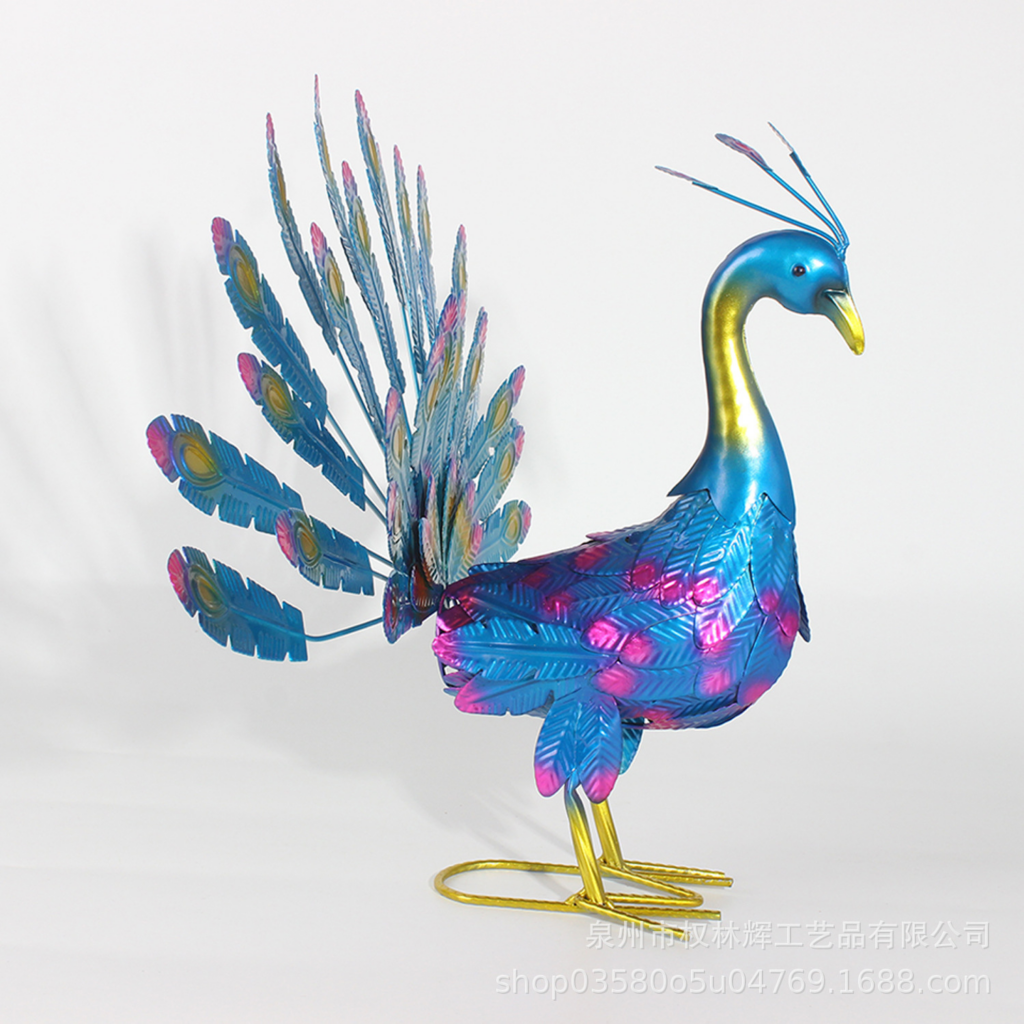
Ancient Beginnings
The tradition of creating metal sculptures dates back thousands of years, with ancient civilizations using metals to depict various forms of life, including birds. In cultures such as the Egyptians and Greeks, metal was often used to create representations of deities and nature. Birds, symbolizing freedom and transcendence, were frequently featured in these artworks. For instance, the ancient Egyptians revered the falcon-headed god Horus, and metal sculptures of birds were often placed in tombs to accompany the deceased in the afterlife.
Evolution Through the Ages
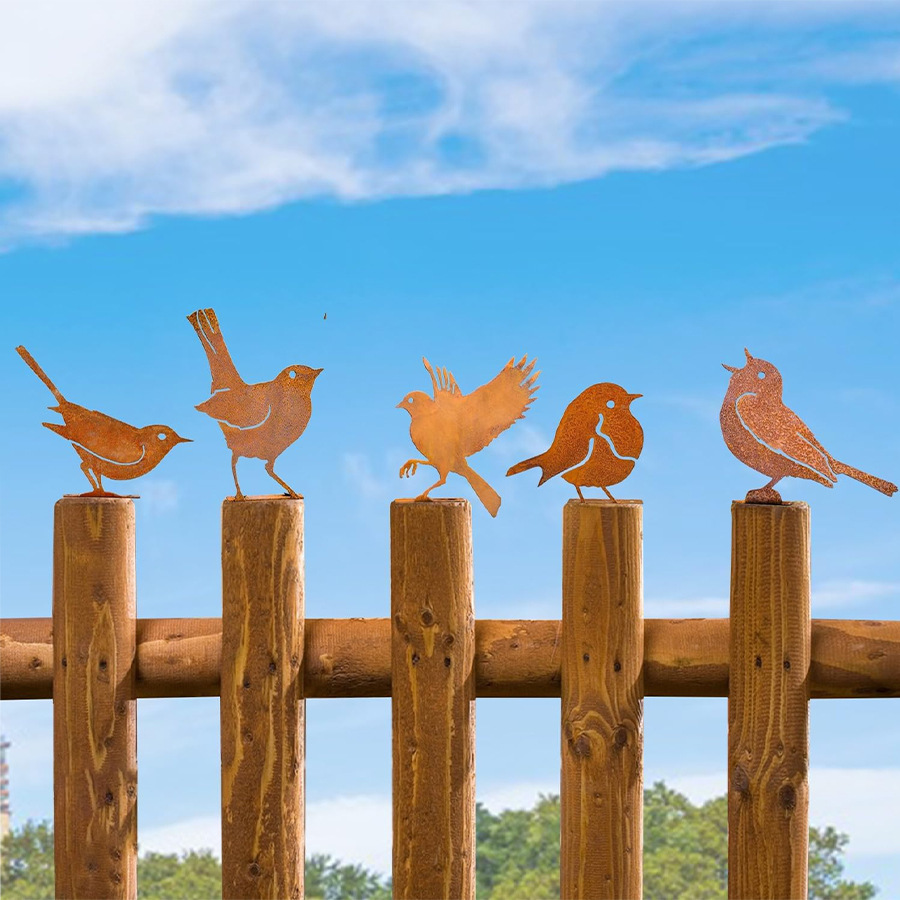
As time progressed, the techniques and materials used in metal sculpture evolved. The Renaissance period saw a resurgence in the interest of classical forms, leading to more realistic representations of birds. Artists began to experiment with different metals, such as bronze and copper, allowing for greater detail and durability in their sculptures. The works of renowned artists like Donatello and Michelangelo showcased the intricate details that could be achieved with metal, inspiring future generations of sculptors.
Modern Interpretations
In contemporary art, bird metal sculptures have taken on new forms and meanings. Artists now use a variety of metals, including stainless steel and aluminum, to create both realistic and abstract representations of birds. These modern interpretations often reflect environmental themes, highlighting the importance of conservation and the beauty of nature. For example, artists like John Lopez create large-scale sculptures that not only depict birds but also incorporate elements of their natural habitats, emphasizing the interconnectedness of life.
Techniques in Creating Bird Metal Sculptures
Welding and Fabrication
One of the primary techniques used in creating bird metal sculptures is welding. This process involves joining metal pieces together using heat, allowing artists to create intricate designs and forms. Fabrication techniques also play a crucial role, as artists cut, bend, and shape metal to achieve the desired look. The use of tools such as plasma cutters and MIG welders has revolutionized the way artists approach metal sculpture, enabling them to work with precision and creativity.
Patina and Finishing
The finishing process is essential in metal sculpture, as it can dramatically alter the appearance of the piece. Artists often apply patinas to create unique color variations and textures. This technique not only enhances the visual appeal but also protects the metal from corrosion. The choice of finish can convey different moods and themes; for instance, a bright, polished finish may evoke a sense of joy and vitality, while a dark, oxidized patina can suggest age and wisdom.
Mixed Media Approaches
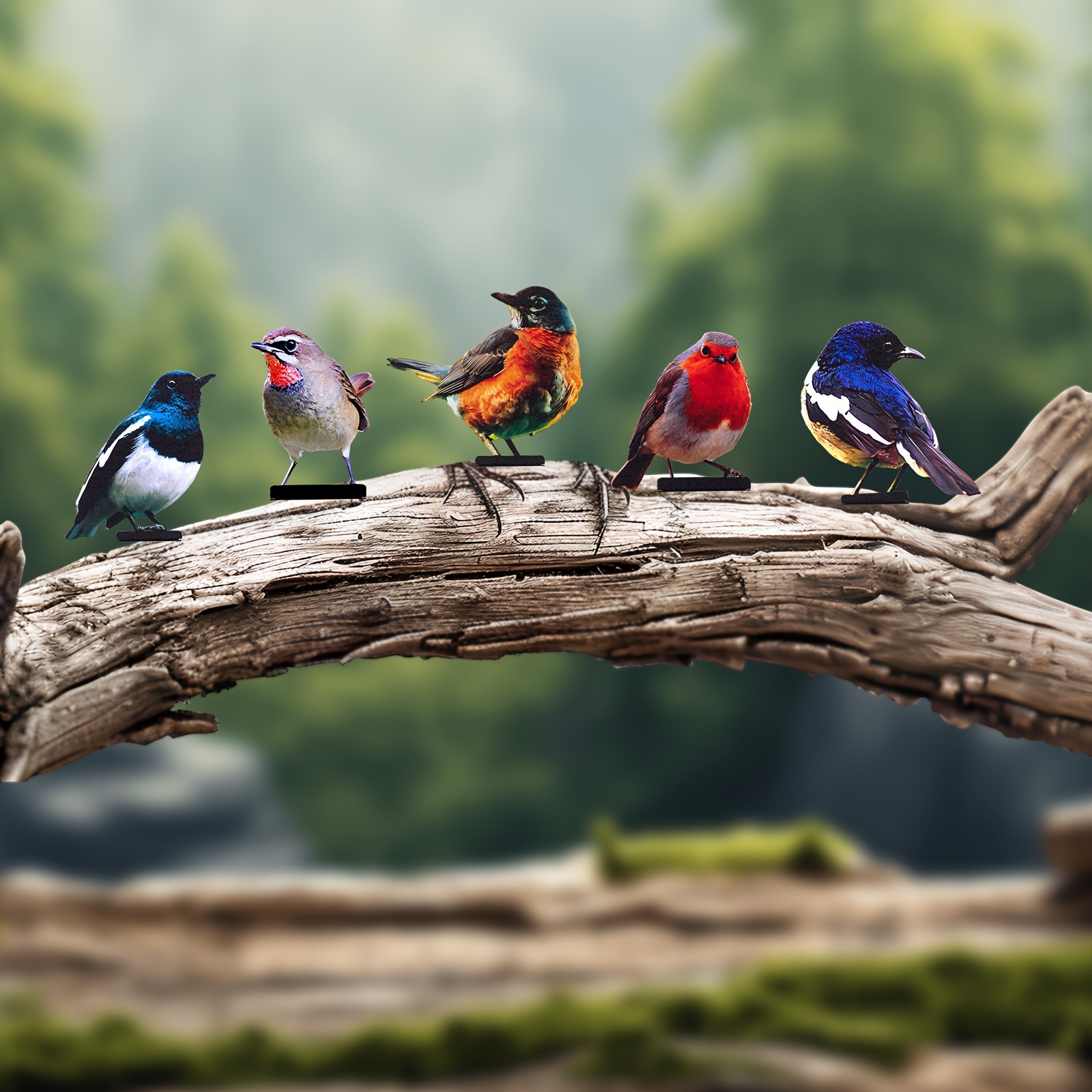
Many contemporary artists are now incorporating mixed media into their bird metal sculptures. This can include the use of glass, wood, or stone, adding depth and complexity to the artwork. By combining different materials, artists can create dynamic pieces that engage viewers on multiple levels. For example, a sculpture might feature a metal bird perched on a wooden branch, symbolizing the harmony between nature and human craftsmanship.
The Significance of Bird Metal Sculptures
Symbolism and Meaning
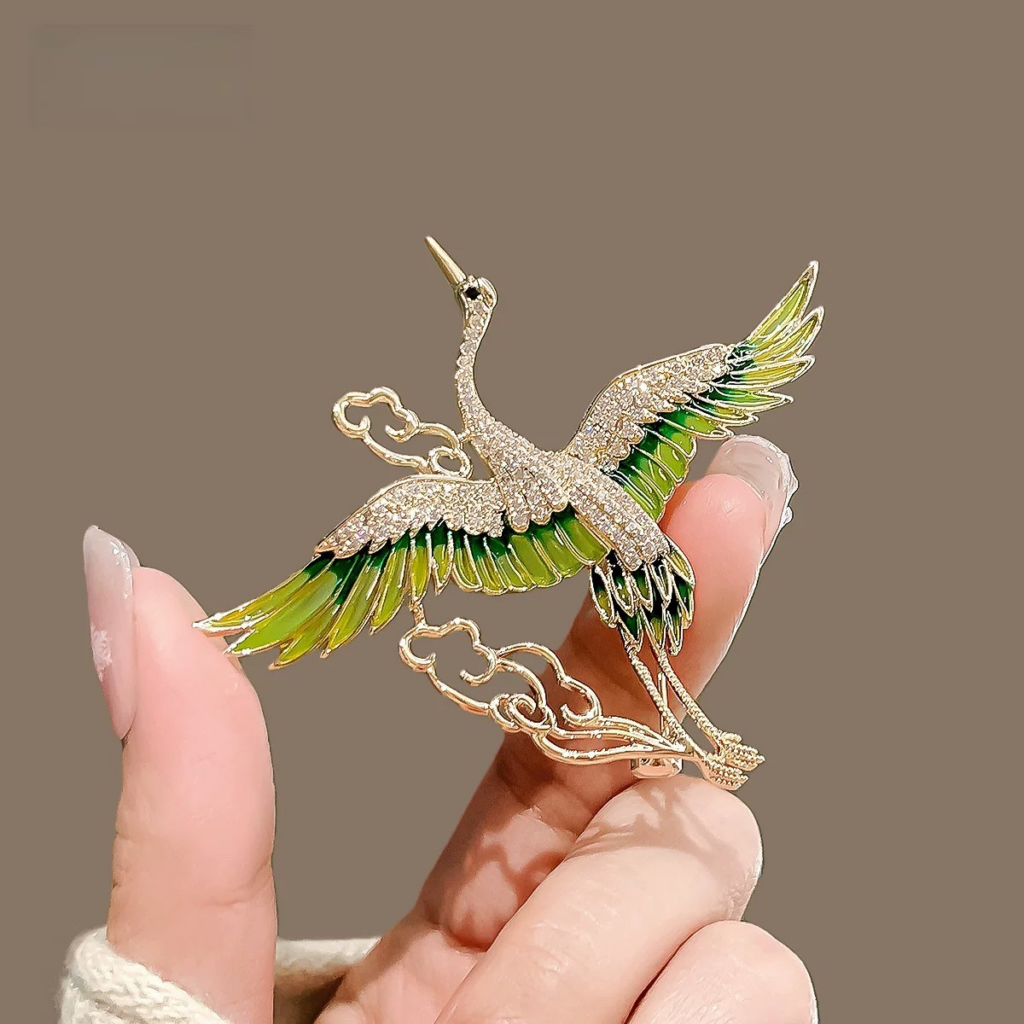
Birds have long been associated with various symbolic meanings across cultures. They often represent freedom, hope, and the connection between the earth and the sky. Bird metal sculptures can evoke these themes, prompting viewers to reflect on their own relationship with nature and the environment. In many cultures, birds are seen as messengers between the earthly and spiritual realms, making their representation in art particularly poignant.
Environmental Awareness
In recent years, many artists have used bird metal sculptures to raise awareness about environmental issues. By depicting endangered species or highlighting the beauty of avian life, these sculptures serve as a reminder of the fragility of ecosystems and the importance of conservation efforts. Artists like David Rogers create large-scale sculptures from natural materials, including wood and metal, to draw attention to the plight of endangered species and the need for habitat preservation.
Aesthetic Appeal
Beyond their symbolic meanings, bird metal sculptures are also appreciated for their aesthetic qualities. The interplay of light and shadow on metal surfaces can create stunning visual effects, making these sculptures captivating focal points in gardens, parks, and galleries. The reflective properties of metals like stainless steel can enhance the surrounding environment, allowing the sculpture to change with the light and seasons.
Creating Your Own Bird Metal Sculpture
Materials Needed
If you’re inspired to create your own bird metal sculpture, you’ll need a few essential materials. These include:
- Metal sheets or rods (such as aluminum or steel)
- Welding equipment
- Cutting tools (such as a plasma cutter or metal saw)
- Safety gear (gloves, goggles, and a welding mask)
Step-by-Step Guide
- Design Your Sculpture: Start by sketching your design. Consider the size, shape, and pose of the bird you want to create. Think about the message or feeling you want to convey through your sculpture.
- Cut the Metal: Use your cutting tools to shape the metal according to your design. Take your time to ensure precision. If you’re new to metalworking, practice on scrap pieces before working on your final design.
- Weld the Pieces Together: Once you have all your pieces cut, use welding equipment to join them. Ensure that you follow safety protocols during this process. Proper ventilation and protective gear are essential to avoid inhaling harmful fumes.
- Finish the Sculpture: After welding, you can apply a patina or paint to enhance the appearance of your sculpture. This step is crucial for both aesthetics and protection against the elements. Experiment with different finishes to find the one that best suits your vision.
- Display Your Artwork: Find a suitable location to showcase your bird metal sculpture. Whether in your garden or home, it will surely be a conversation starter. Consider the lighting and surroundings to enhance the sculpture’s impact.
The Future of Bird Metal Sculptures
Innovations in Materials
As technology advances, new materials and techniques are emerging in the field of metal sculpture. Artists are now exploring the use of sustainable materials, such as recycled metals, to create their works. This not only reduces waste but also adds a layer of meaning to the artwork, as it reflects a commitment to environmental responsibility. The use of eco-friendly paints and finishes is also becoming more common, allowing artists to create beautiful works without harming the environment.
Digital Design and Fabrication
The rise of digital design tools has also transformed the way artists approach metal sculpture. Software programs allow for precise modeling and visualization of sculptures before they are physically created. This can lead to more intricate designs and the ability to experiment with different forms and structures. Additionally, advancements in 3D printing technology are enabling artists to create complex components that can be integrated into their metal sculptures, pushing the boundaries of traditional metalworking.
Community Engagement
Many artists are now engaging with their communities through public art projects that feature bird metal sculptures. These initiatives not only beautify public spaces but also foster a sense of community and connection to nature. Workshops and collaborative projects can inspire others to appreciate the art of metal sculpture and the importance of wildlife conservation. Community involvement can also lead to the creation of large-scale installations that reflect local culture and environmental issues, making art a powerful tool for social change.
Incorporating Movement and Sound
Innovative artists are beginning to explore the incorporation of movement and sound into their bird metal sculptures. Kinetic sculptures that move with the wind or are activated by viewers can create a dynamic interaction between the artwork and its audience. Additionally, some artists are integrating sound elements, such as wind chimes or recorded bird calls, to enhance the sensory experience of their sculptures. This fusion of art and technology opens up new avenues for creativity and engagement.
Conclusion
Bird metal sculptures are a unique and expressive form of art that combines craftsmanship with the beauty of nature. From their historical roots to modern interpretations, these sculptures continue to inspire and provoke thought. Whether you appreciate them for their aesthetic qualities or their symbolic meanings, bird metal sculptures hold a special place in the world of art. As artists continue to innovate and engage with their communities, the future of bird metal sculptures looks bright, promising new forms of expression and awareness.
How to purchase:Online B2B sourcing platform, China purchase, Chinese suppliers – LooperBuy
Article Summary
This article explores the captivating world of bird metal sculptures, detailing their history, techniques, and significance in contemporary art. It highlights the evolution of metal sculpture, the various methods used in their creation, and the symbolic meanings associated with birds. Additionally, it provides a step-by-step guide for those interested in creating their own bird metal sculpture and discusses the future of this art form, including innovations in materials, digital design, community engagement, and the incorporation of movement and sound.
Hot Tags: Bird Sculpture; Metal Art; Contemporary Sculpture; Wildlife Art; Environmental Art; Sculpture Techniques; Artistic Expression; Metalworking; Bird Conservation; Garden Art; Abstract Sculpture; Nature Inspired Art; Welding Techniques; Mixed Media Sculpture; Outdoor Sculpture; Artistic Craftsmanship; Avian Art; Sculpture Design; Art and Nature; Creative Process; Artistic Inspiration; Metal Fabrication; Sculpture Materials; Art History; Modern Art; Eco-Friendly Art; Artistic Techniques; Sculpture Installation; Art Collecting; Birdwatching Art; Sculpture Workshops; Community Art Projects; Kinetic Sculpture; Sound Art; Sustainable Materials; Digital Fabrication
Related Questions & Answers
· What materials are best for creating bird metal sculptures?
Common materials include aluminum, steel, and bronze, as they offer durability and versatility for intricate designs.
· How do artists create realistic feather textures in metal?
Artists often use techniques such as layering thin metal sheets, applying patinas, and using tools to create texture and depth.
· What are the common challenges in creating large-scale bird metal sculptures?
Challenges include structural stability, weight distribution, and the logistics of transporting and installing the sculpture.
· Can I use recycled materials for my bird sculpture?
Yes, many artists use recycled metals and materials to create unique and environmentally friendly sculptures.
· Where can I display my bird metal sculpture?
These sculptures can be displayed in gardens, parks, galleries, or even indoors as decorative art pieces.
· What are the best types of metal to use for outdoor bird sculptures to resist rust?
Stainless steel and aluminum are excellent choices for outdoor sculptures due to their resistance to rust and corrosion.
· How can I protect a bird metal sculpture from the elements to prevent damage?
Applying a protective sealant or paint can help shield the sculpture from moisture and UV damage, prolonging its lifespan.
· What are some innovative design ideas for bird metal sculptures that incorporate movement or sound?
Artists can create kinetic sculptures that move with the wind or incorporate sound elements like wind chimes or recorded bird calls to enhance the viewer’s experience.