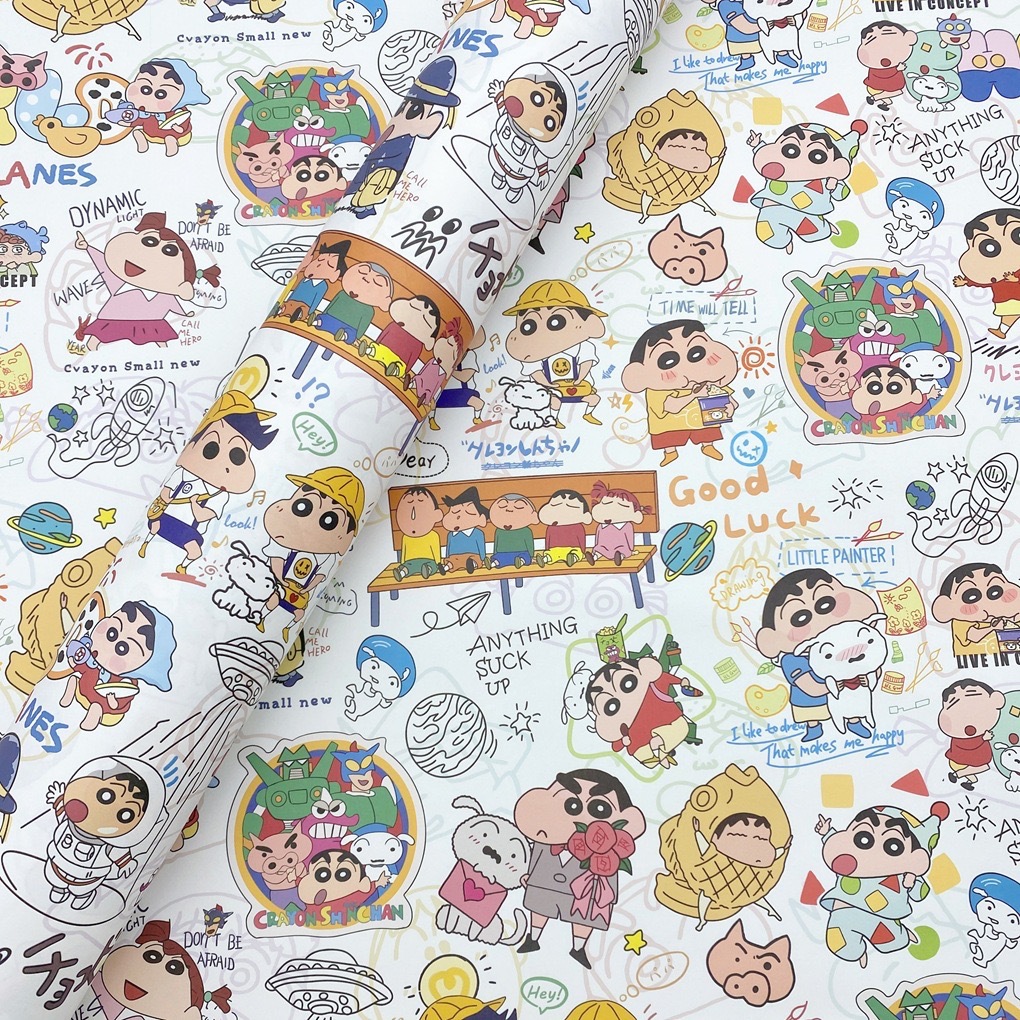
The tradition of wrapping gifts during the holiday season is a cherished practice that adds an element of surprise and joy to gift-giving. But have you ever wondered about the origins of this delightful custom? The story of who invented holiday gift wrap is not just about the paper itself; it’s a tale of creativity, innovation, and the evolution of a cultural phenomenon.
Table of Contents
The Humble Beginnings of Gift Wrapping
Ancient Practices
Gift wrapping has roots that stretch back thousands of years. In ancient cultures, the act of wrapping gifts was often tied to ceremonial practices. For instance, during the Tang Dynasty in China (618–907 CE), handmade paper was used to wrap gifts, symbolizing respect and reverence for the recipient. Similarly, in Japan, the furoshiki—a reusable wrapping cloth—was introduced as a practical and beautiful way to present gifts. This practice not only served a functional purpose but also conveyed a sense of care and thoughtfulness.
The Evolution of Materials
As time progressed, the materials used for wrapping gifts evolved. In Korea, the bojagi, another form of reusable fabric, became popular, especially during significant cultural events. These early forms of gift wrapping were not merely about aesthetics; they were deeply embedded in the cultural fabric of the societies that used them. The idea of wrapping gifts was often associated with good fortune and protection for the recipient.
In ancient China, wrapping paper enclosed monetary gifts in an envelope called a chih pao, which was often elaborately designed to signify the importance of the gift. The coarsest wrapping materials consisted of rice straws and bamboo fibers, which were practical yet meaningful. These early practices laid the groundwork for the more decorative and commercialized gift wrapping we see today.
The Role of Symbolism
The symbolism behind gift wrapping has always been significant. In many cultures, the act of wrapping a gift is seen as a way to protect the contents and to show respect for the recipient. For example, in Japan, the furoshiki is not only a wrapping cloth but also a symbol of the giver’s intention to care for the environment by promoting reuse. This cultural significance adds depth to the act of gift-giving, making it more than just a transaction but a meaningful exchange.
The Birth of Modern Gift Wrap
The Hall Brothers’ Innovation
Fast forward to the early 20th century, when the modern concept of decorative gift wrap began to take shape. In 1917, two brothers, Rollie and Joyce Hall, who owned a stationery store in Kansas City, Missouri, found themselves in a predicament. During a particularly busy holiday season, they sold out of the standard tissue paper typically used for wrapping gifts. In a moment of creativity, they decided to sell colorful French envelope liners as a substitute. This decision proved to be a game-changer.
The envelope liners, which were brightly colored and adorned with intricate designs, quickly sold out. Recognizing the potential of this new product, the Hall brothers began to design and manufacture their own decorative gift wrap. By 1919, Hallmark introduced its first line of commercial wrapping paper, transforming gift wrapping into a decorative art form that was accessible and affordable for the masses.
The Impact of Hallmark
Hallmark’s innovation marked a significant turning point in the gift-wrapping industry. The company not only popularized the use of decorative wrapping paper but also established a new standard for how gifts were presented. The introduction of printed wrapping paper allowed for a wide variety of designs, from festive holiday motifs to elegant patterns suitable for any occasion. This shift not only enhanced the visual appeal of gifts but also added an emotional layer to the act of giving.
The initial reactions to Hallmark’s introduction of gift wrap were overwhelmingly positive. Customers were excited to see such vibrant and decorative options available for their gifts. The novelty of using colorful and patterned paper instead of plain brown or white paper made the act of gift-giving feel more special and festive. This enthusiasm helped solidify Hallmark’s position as a leader in the gift wrap industry.
The Expansion of the Gift Wrap Market
As Hallmark’s popularity grew, so did the gift wrap market. Other companies began to take notice of the success of decorative wrapping paper, leading to a surge in the production of various styles and designs. This expansion allowed consumers to choose from a wide array of options, catering to different tastes and occasions. The gift wrap industry evolved into a multi-billion dollar market, with seasonal trends and themes influencing the designs available each year.
The Cultural Significance of Gift Wrapping
A Symbol of Thoughtfulness
Gift wrapping has become more than just a practical necessity; it is now a symbol of thoughtfulness and care. The way a gift is wrapped can convey the giver’s feelings and intentions. A beautifully wrapped present can evoke excitement and anticipation, enhancing the overall experience of receiving a gift. This cultural significance is particularly evident during the holiday season, when the act of wrapping gifts becomes a cherished tradition in many households.
The Role of Design and Aesthetics
The design of wrapping paper has also evolved significantly over the years. Today, consumers can choose from an array of styles, colors, and patterns, allowing them to personalize their gifts further. The rise of eco-friendly wrapping options has also gained traction, with many people opting for reusable materials or sustainable paper to reduce waste. This shift reflects a growing awareness of environmental issues and a desire to make more conscious choices in gift-giving.
Modern trends in gift wrapping design include the use of natural materials, such as kraft paper, twine, and dried flowers, which create a rustic and organic aesthetic. Additionally, many people are embracing the concept of “upcycling” by using old newspapers, maps, or fabric scraps to wrap gifts, adding a unique and personal touch. These trends not only enhance the visual appeal of gifts but also promote sustainability and creativity.
The Emotional Connection
The emotional connection associated with gift wrapping is profound. For many, the act of wrapping a gift is as meaningful as the gift itself. It is a way to express love, appreciation, and thoughtfulness. The anticipation of unwrapping a gift adds to the excitement of the occasion, making the experience memorable. This emotional aspect is particularly significant during holidays and special events, where the act of giving and receiving gifts is intertwined with family traditions and cultural practices.
The Future of Gift Wrapping
Innovations in the Industry
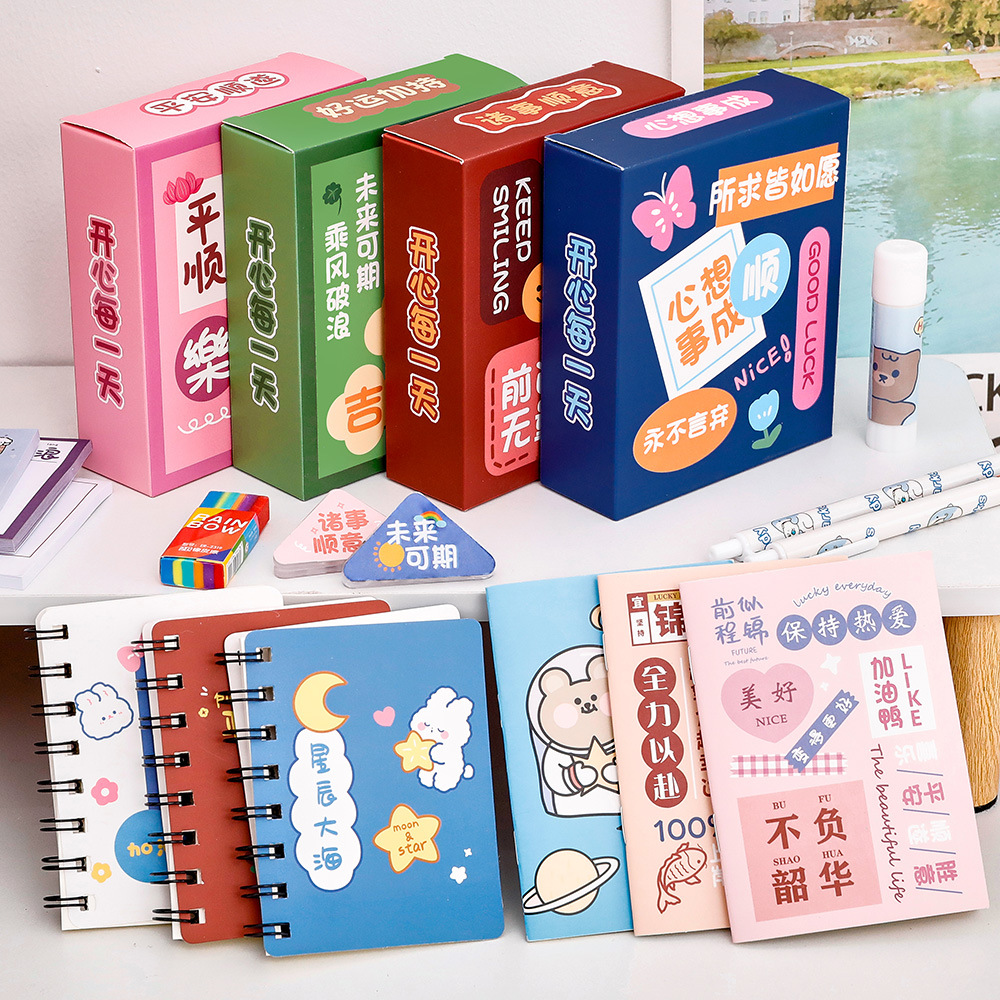
As we move further into the 21st century, the gift-wrapping industry continues to innovate. New technologies and materials are being developed to enhance the wrapping experience. For instance, some companies are experimenting with biodegradable wrapping paper and reusable fabric wraps that align with sustainable practices. Additionally, the rise of online shopping has led to new challenges and opportunities in gift wrapping, as retailers seek to create memorable unboxing experiences for their customers.
The introduction of smart wrapping paper, which can include QR codes or augmented reality features, is an exciting development in the industry. This technology allows gift-givers to add personalized messages or interactive elements to their gifts, making the experience even more special. As consumers increasingly seek unique and memorable gifting experiences, the industry will likely continue to evolve in response to these demands.
The Enduring Tradition
Despite these changes, the core essence of gift wrapping remains the same. It is an expression of love, appreciation, and celebration. Whether it’s a simple brown paper package tied with twine or an elaborately decorated box, the act of wrapping gifts continues to be a meaningful part of our cultural traditions. The emotional connection associated with gift wrapping is what makes it such a beloved practice, transcending generations and cultures.
As we look to the future, it is essential to recognize the importance of maintaining the traditions of gift wrapping while also embracing innovation. The balance between creativity, sustainability, and cultural significance will shape the future of this cherished practice.
Unique and Creative Alternatives to Traditional Wrapping Paper
As the gift-wrapping landscape evolves, many people are exploring unique and creative alternatives to traditional wrapping paper. These alternatives not only add a personal touch but also promote sustainability. Here are some popular options:
- Fabric Wraps: Using fabric, such as scarves or tea towels, to wrap gifts is a beautiful and reusable option. This method, known as furoshiki in Japan, allows the wrapping to become part of the gift itself.
- Old Maps and Sheet Music: Repurposing old maps or sheet music as wrapping paper adds a vintage flair to gifts. This creative approach not only looks unique but also tells a story.
- Brown Kraft Paper: Simple brown kraft paper can be dressed up with stamps, drawings, or natural elements like twine and dried flowers. This minimalist approach is both stylish and eco-friendly.
- Reusable Gift Bags: Fabric gift bags can be used repeatedly, making them a sustainable choice. They come in various designs and sizes, allowing for versatility in gift-giving.
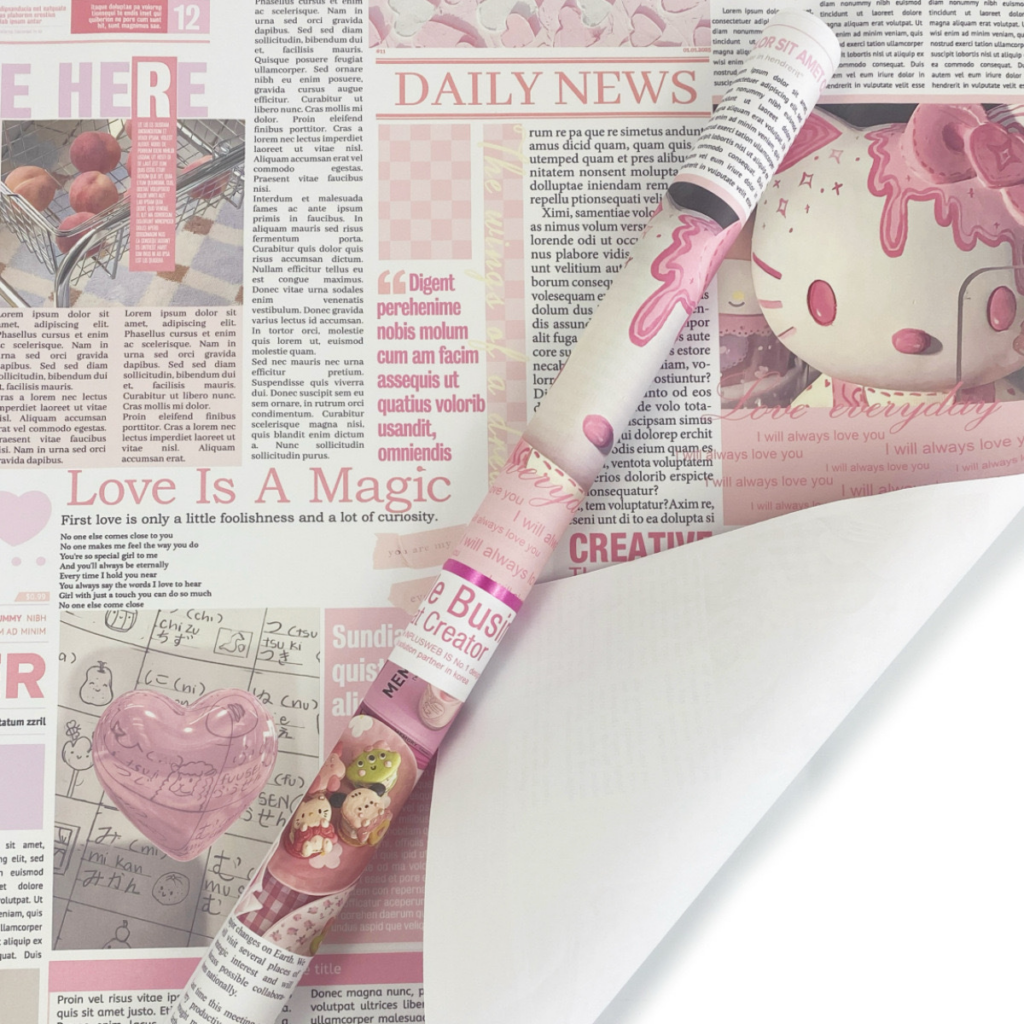
- Newspaper and Magazines: Using pages from newspapers or magazines can create a fun and eclectic look. This option is not only cost-effective but also environmentally friendly.
The Impact of E-Commerce on Gift Wrapping
The rise of e-commerce has significantly impacted the gift-wrapping industry. With more people shopping online, retailers are adapting their packaging strategies to enhance the customer experience. Here are some ways e-commerce has influenced gift wrapping:
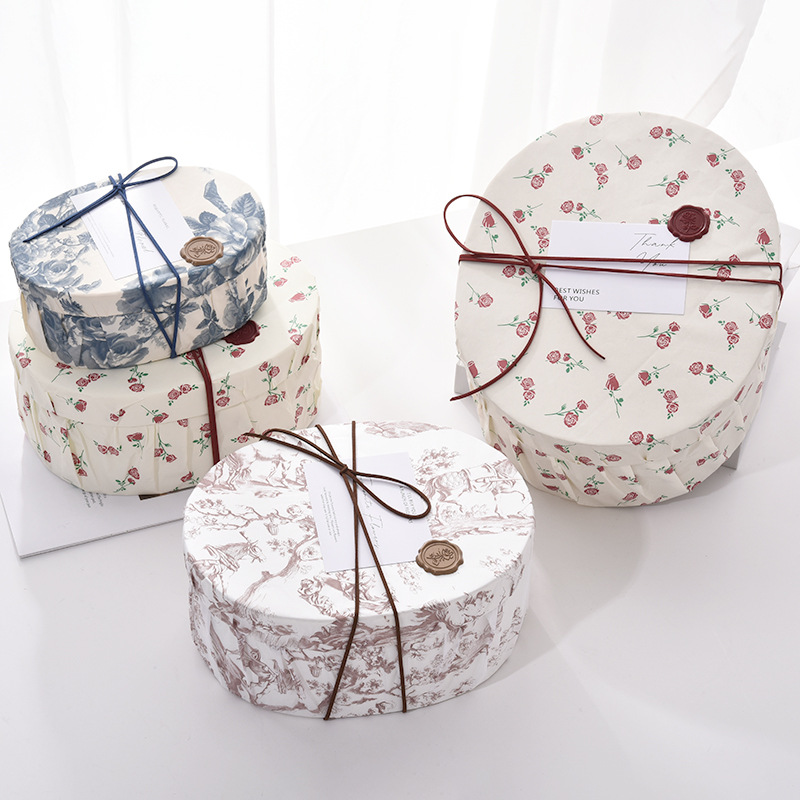
- Custom Packaging: Many online retailers now offer custom packaging options, allowing customers to choose how their gifts are wrapped. This personalization adds a special touch to online purchases.
- Unboxing Experience: The unboxing experience has become a crucial aspect of online shopping. Retailers are investing in attractive packaging that enhances the excitement of receiving a gift, making it feel more like an event.
- Sustainable Practices: As consumers become more environmentally conscious, e-commerce companies are adopting sustainable packaging solutions. This includes using recyclable materials and minimizing excess packaging.
- Gift Wrapping Services: Some online retailers offer gift-wrapping services at checkout, allowing customers to send gifts directly to recipients without the hassle of wrapping them themselves.
- Social Media Influence: The rise of social media has led to an increased focus on aesthetics. Consumers are more likely to share beautifully wrapped gifts online, prompting retailers to invest in eye-catching packaging.
Cultural Variations in Gift-Wrapping Traditions
Gift-wrapping traditions vary widely across cultures, each with its unique customs and practices. Understanding these variations can enrich our appreciation for the act of gift-giving. Here are a few notable examples:
- Japan: The furoshiki is a traditional Japanese wrapping cloth used to present gifts. It emphasizes sustainability and can be reused in various ways, reflecting the giver’s thoughtfulness.
- Korea: In Korea, the bojagi is a traditional wrapping cloth that symbolizes good fortune. It is often used to wrap gifts during celebrations and is valued for its beauty and versatility.
- Mexico: In Mexico, gifts are often wrapped in colorful papel picado, a decorative paper cut into intricate designs. This vibrant wrapping reflects the festive spirit of Mexican culture.
- China: During the Lunar New Year, gifts are often wrapped in red paper, symbolizing good luck and prosperity. The color red is considered auspicious, making it a popular choice for gift wrapping.
- India: In India, gifts are frequently wrapped in colorful fabrics or adorned with decorative elements like ribbons and flowers. The emphasis is on presentation, with elaborate wrapping reflecting the importance of the occasion.
Conclusion
The story of who invented holiday gift wrap is a fascinating journey through time, reflecting the evolution of materials, customs, and cultural significance. From ancient practices to modern innovations, gift wrapping has transformed into an art form that enhances the joy of giving. As we continue to embrace this tradition, it is essential to appreciate the creativity and thoughtfulness that goes into every wrapped gift.
How to purchase:Online B2B sourcing platform, China purchase, Chinese suppliers – LooperBuy
Frequently Asked Questions
1. Who invented modern gift wrap?
The modern concept of gift wrap was popularized by Rollie and Joyce Hall, who ran a stationery store in Kansas City, Missouri. In 1917, they began selling colorful French envelope liners as wrapping paper, leading to the establishment of Hallmark.
2. What materials were used for gift wrapping before modern paper?
Before the advent of modern gift wrap, people commonly used brown paper, newspaper, fabric, and even manila paper to wrap gifts.
3. How has gift wrapping evolved over the years?
Gift wrapping has evolved from simple materials to decorative papers with intricate designs. Today, there is a focus on eco-friendly options and personalized styles.
4. Why is gift wrapping important in gift-giving?
Gift wrapping adds an element of surprise and thoughtfulness to the act of giving. It enhances the overall experience for the recipient and conveys the giver’s care and intention.
5. What are some sustainable options for gift wrapping?
Sustainable options for gift wrapping include reusable fabric wraps, biodegradable papers, and recycled materials, which help reduce waste and environmental impact.
HOT TAG: holiday gift wrap, gift wrapping history, Hallmark invention, sustainable wrapping options, cultural significance of gift wrap, modern gift wrap trends, eco-friendly wrapping materials, creative gift presentation, unique wrapping alternatives, e-commerce impact on gift wrapping, traditional wrapping practices, furoshiki cloth, bojagi fabric, papel picado decorations, upcycling gift wrap, biodegradable wrapping paper, personalized gift packaging, unboxing experience, festive gift presentation, global gift-giving customs, innovative wrapping techniques, environmentally conscious gifting, decorative wrapping ideas, meaningful gift exchanges.