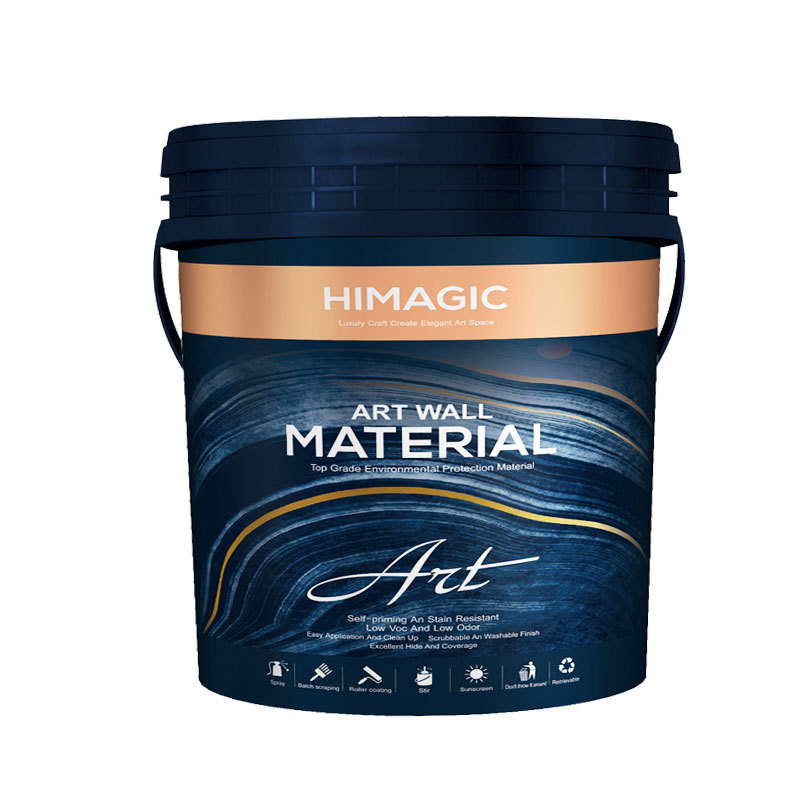
Decorative wall paint is more than just a color on your walls; it’s a form of expression that can transform any space into a work of art. Whether you are looking to create a cozy atmosphere in your living room or a vibrant energy in your office, the right decorative paint can make all the difference. In this article, we will explore various techniques, styles, and tips for using decorative wall paint effectively, ensuring that your walls reflect your personality and style.
Table of Contents
Understanding Decorative Wall Paint
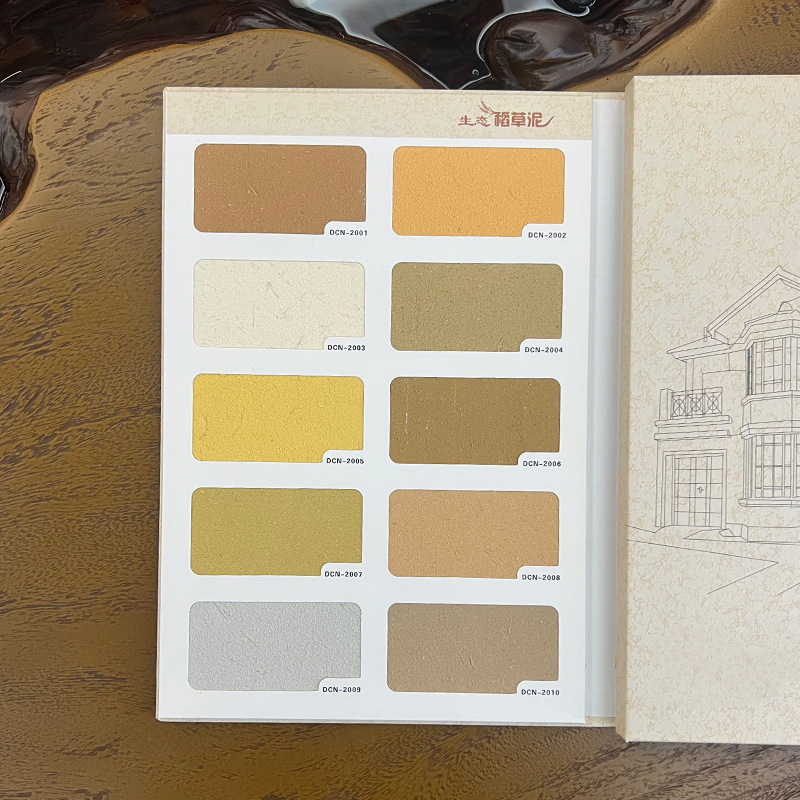
What is Decorative Wall Paint?
Decorative wall paint refers to a variety of painting techniques and finishes that go beyond standard wall colors. This includes textured finishes, patterns, and artistic designs that add depth and character to walls. Unlike traditional paint, decorative options can create visual interest and enhance the overall aesthetic of a room.
Types of Decorative Wall Paint
There are several types of decorative wall paint techniques that homeowners and designers can choose from:
- Textured Paint: This type of paint adds a three-dimensional effect to walls. Techniques such as sponging, rag rolling, and stippling can create unique textures that catch the eye.
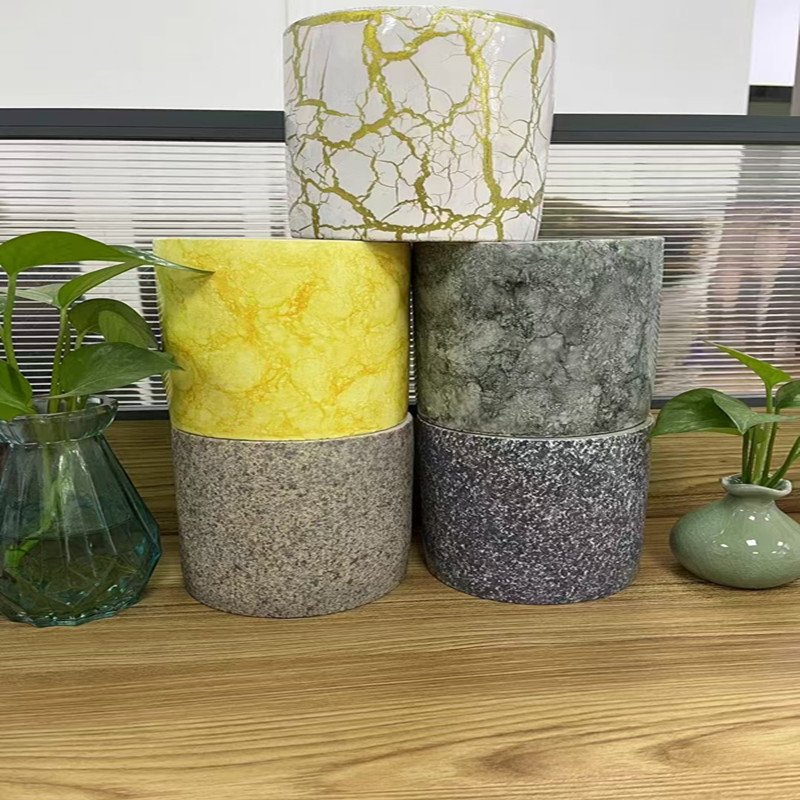
- Faux Finishes: Faux painting mimics the appearance of materials like marble, wood, or stone. This technique can add elegance and sophistication to any room without the cost of real materials.
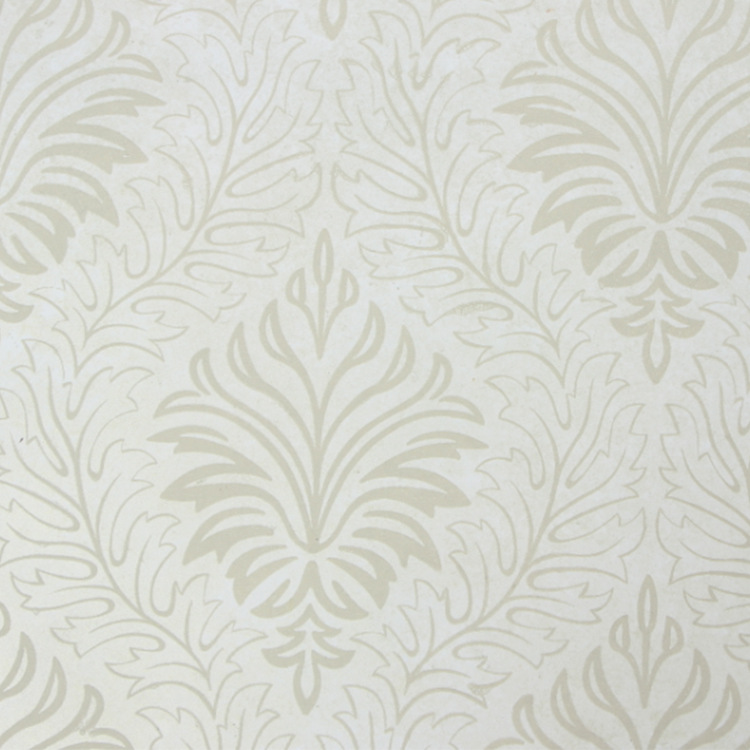
- Stencils and Patterns: Using stencils allows for intricate designs and patterns to be painted on walls. This can range from simple geometric shapes to elaborate floral designs.
- Ombre and Gradient Effects: This technique involves blending colors from light to dark or from one hue to another, creating a soft transition that adds depth to the walls.
- Chalkboard and Whiteboard Paint: These paints turn walls into functional surfaces for writing and drawing, making them perfect for kitchens, kids’ rooms, or offices.
Choosing the Right Decorative Wall Paint
Consider Your Space
Before diving into decorative wall painting, it’s essential to consider the space you are working with. Different rooms serve different purposes, and the paint should reflect that. For example, calming colors and soft textures work well in bedrooms, while vibrant colors and bold patterns can energize a living room or playroom.
Color Psychology
Colors can significantly impact mood and perception. Understanding color psychology can help you choose the right shades for your space. For instance:
- Blue: Calming and serene, ideal for bedrooms and bathrooms.
- Yellow: Cheerful and uplifting, perfect for kitchens and dining areas.
- Green: Refreshing and natural, suitable for living rooms and home offices.
- Red: Bold and energizing, great for accent walls or dining rooms.
Lighting Considerations
The type of lighting in a room can affect how paint colors appear. Natural light can make colors look different than artificial light. It’s advisable to test paint samples in the actual space at different times of the day to see how they change with lighting.
Techniques for Applying Decorative Wall Paint
Preparing the Surface
Proper preparation is crucial for achieving a professional-looking finish. Start by cleaning the walls to remove dust and grease. Fill any holes or cracks with spackle and sand the surface smooth. A primer may be necessary, especially when working with bold colors or textured finishes.
Tools and Materials
Having the right tools can make the painting process smoother. Essential tools include:
- Paintbrushes and rollers
- Painter’s tape for clean edges
- Drop cloths to protect floors and furniture
- A paint tray for easy access to paint
Application Techniques
Textured Paint Application
To apply textured paint, use a roller to cover the wall with a base coat. Once dry, use a sponge or brush to apply the texture. Experiment with different techniques to achieve the desired effect. For instance, using a comb or a special texture roller can create unique patterns that add depth and interest.
Faux Finish Techniques
For a faux finish, start with a base coat and allow it to dry. Then, use a brush or sponge to apply a second color, blending it to create the illusion of depth. Techniques like rag rolling or sponging can add unique patterns. Faux finishes can be particularly effective in dining rooms or living areas, where they can create a warm and inviting atmosphere.
Stenciling
When stenciling, secure the stencil to the wall with painter’s tape. Use a small brush or sponge to apply paint within the stencil, ensuring even coverage. Carefully remove the stencil while the paint is still wet for clean edges. Stenciling can be a fun way to personalize a child’s room or create a feature wall in a living space.
Ombre Effects
To create an ombre effect, start with the lightest color at the top of the wall and gradually blend in darker shades as you move down. Use a dry brush to blend the colors seamlessly. This technique can add a dramatic flair to a room and works well in spaces where you want to create a sense of height or depth.
Maintaining Your Decorative Wall Paint
Cleaning and Care
To keep your decorative wall paint looking fresh, regular cleaning is essential. Use a soft cloth or sponge with mild soap and water to gently wipe down the walls. Avoid harsh chemicals that can damage the finish. For textured walls, a gentle vacuum with a brush attachment can help remove dust without damaging the paint.
Touch-Ups
Over time, walls may require touch-ups due to scuffs or wear. Keep a small amount of the original paint for easy repairs. For textured finishes, it may be necessary to reapply the texture in affected areas. Regular maintenance can help preserve the beauty of your decorative paint and extend its lifespan.
Latest Trends in Decorative Wall Painting
Bold Colors and Patterns
In recent years, there has been a shift towards bold colors and patterns in decorative wall painting. Homeowners are increasingly opting for vibrant hues and intricate designs that make a statement. Accent walls featuring geometric patterns or large-scale murals are becoming popular choices for adding personality to spaces.
Eco-Friendly Paints
As sustainability becomes a priority for many, eco-friendly decorative wall paints are gaining traction. These paints are made from natural ingredients and are free from harmful chemicals, making them safer for both the environment and indoor air quality. Brands are now offering a range of colors and finishes that cater to eco-conscious consumers.
Textured Finishes
Textured finishes are making a comeback, with homeowners looking for ways to add depth and interest to their walls. Techniques such as plastering, stucco, and even fabric wall coverings are being used to create unique textures that enhance the visual appeal of a room.
Mixed Media
Another trend is the use of mixed media in wall painting. This involves combining different materials and techniques, such as incorporating wood, metal, or fabric elements into the paint design. This approach allows for a more personalized and artistic expression, making each wall a unique piece of art.
Functional Art
The concept of functional art is also gaining popularity, where decorative wall paint serves a dual purpose. For example, chalkboard paint allows for creativity while also providing a surface for notes and reminders. This trend is particularly popular in kitchens and home offices, where practicality meets aesthetics.
Creative Ways to Use Decorative Wall Paint
Accent Walls
Creating an accent wall is one of the simplest yet most effective ways to use decorative wall paint. Choose one wall in a room to paint a bold color or apply a unique pattern. This draws the eye and can serve as a focal point for the space. For instance, a deep navy blue wall can create a dramatic backdrop for artwork or furniture.
Themed Rooms
Decorative wall paint can help establish a theme in a room. For example, a nautical theme can be enhanced with shades of blue and white stripes, while a rustic theme can incorporate earthy tones and faux wood finishes. This approach can be particularly effective in children’s rooms, where playful designs can stimulate creativity.
Layering Techniques
Combining different decorative techniques can create a stunning visual effect. For example, you might use a textured base layer and then apply a stencil pattern on top. This layering can add complexity and depth to your walls, making them truly unique.
Using Paint to Define Spaces
In open-concept homes, decorative wall paint can be used to define different areas within a space. For instance, you might use a warm color in the living area and a cooler tone in the dining area to create a sense of separation while maintaining an open feel.
Incorporating Art
Consider using decorative wall paint as a canvas for your own artwork. Whether you’re an experienced artist or a beginner, painting directly on the wall can add a personal touch to your home. This could be as simple as a mural or as complex as a detailed scene.
Creative Borders and Trim
Using decorative paint to create borders or trim can add a polished look to your walls. Consider painting the edges of your walls in a contrasting color or using a stencil to create a decorative border. This technique can frame your walls beautifully and enhance the overall design of the room.
Ceiling Treatments
Don’t forget about the ceiling! Decorative wall paint can also be applied to ceilings to create a unique look. A painted ceiling can add height and drama to a room. Consider using a soft color to create a cozy feel or a bold hue for a striking effect.
Furniture and Fixtures
In addition to walls, decorative paint can be used on furniture and fixtures to create a cohesive look throughout your space. Painting a dresser, bookshelf, or even light fixtures in a complementary color can tie the room together and enhance the overall design.
Seasonal Updates
Decorative wall paint allows for easy seasonal updates. You can change the color scheme or patterns to reflect different seasons or holidays. For example, warm tones and earthy colors can create a cozy atmosphere in the fall, while bright pastels can bring a fresh feel in spring.
Conclusion
Decorative wall paint offers endless possibilities for personalizing your space. By understanding the various techniques and styles available, you can create a unique environment that reflects your taste and enhances your home. Whether you opt for a bold faux finish or a subtle textured look, the right decorative paint can transform your walls into a stunning focal point.
How to purchase:Online B2B sourcing platform, China purchase, Chinese suppliers – LooperBuy
Frequently Asked Questions
1. What is the best type of paint for decorative wall finishes?
The best type of paint for decorative finishes often depends on the technique you choose. Acrylic paints are versatile and easy to work with, while specialty paints like metallic or chalkboard can add unique effects.
2. How do I choose the right color for my decorative wall paint?
Consider the mood you want to create, the room’s purpose, and how the color will look in different lighting. Testing samples on the wall can help you visualize the final result.
3. Can I apply decorative wall paint over existing paint?
Yes, you can apply decorative wall paint over existing paint, but ensure the surface is clean and in good condition. A primer may be necessary for bold colors or significant texture changes.
4. How long does decorative wall paint last?
With proper care and maintenance, decorative wall paint can last several years. Regular cleaning and touch-ups can help maintain its appearance.
5. Are there any DIY tips for beginners?
Start with small projects to build your confidence. Use painter’s tape for clean lines, practice techniques on a sample board, and don’t rush the drying process for the best results.
HOT TAG: decorative wall paint, home decor ideas, painting techniques, interior design inspiration, color psychology tips, DIY painting projects, textured wall finishes, faux painting techniques, stenciling designs, ombre wall effects, eco-friendly paint options, bold color trends, mixed media art, functional wall art, accent wall ideas, themed room decor, creative painting ideas, ceiling painting techniques, layering paint styles, seasonal home updates, wall art inspiration, unique wall designs, home improvement tips, artistic wall treatments, modern decor styles, personalized home spaces, vibrant color palettes, artistic expression through paint, wall transformation ideas.