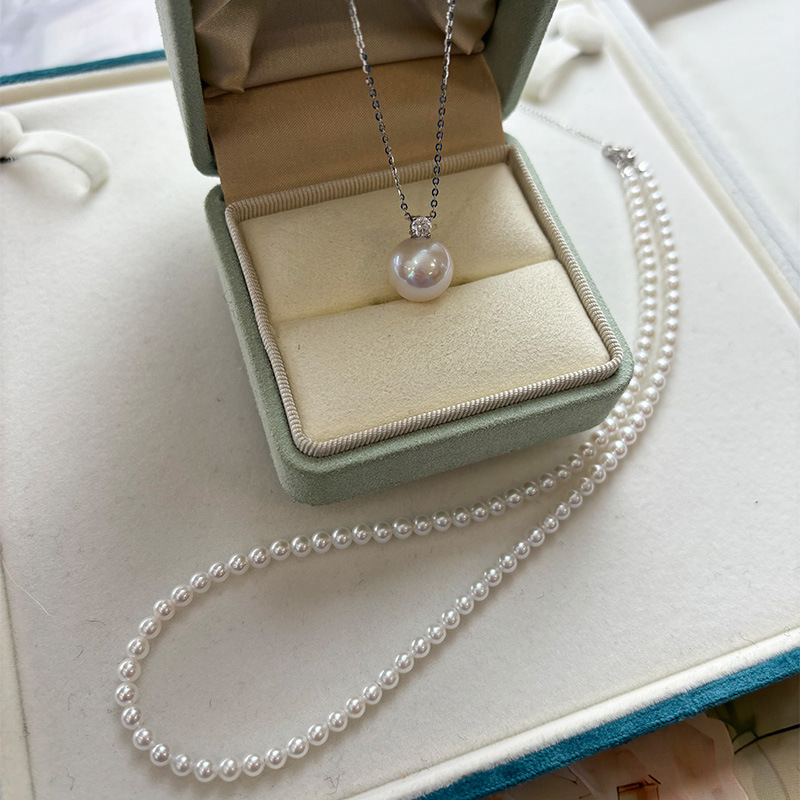
Akoya pearl necklaces have long been regarded as timeless symbols of elegance and sophistication. This article delves into the fascinating world of Akoya pearl necklaces, exploring their unique characteristics, rich history, and offering valuable tips on purchasing and caring for these exquisite pieces.
Table of Contents
The Unique Characteristics of Akoya Pearl Necklaces
Exquisite Physical Properties
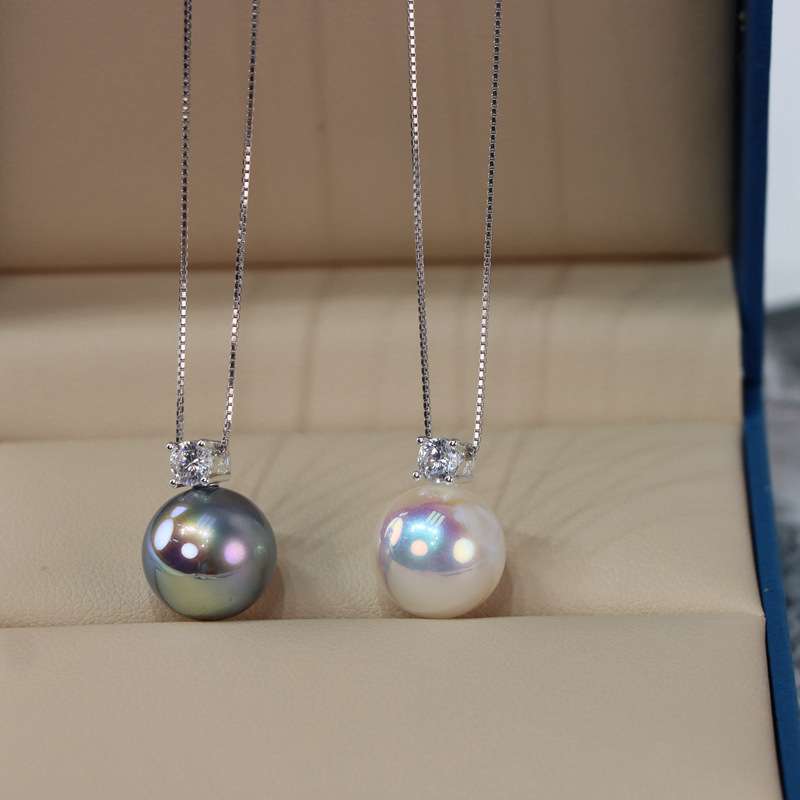
Akoya pearls originate from the Akoya oyster and are renowned for their superior quality. They typically range in size from 2mm to 11mm, with an average of around 7mm to 8mm. Their near-perfect round shape is highly prized in the jewelry world. The color palette of Akoya pearls is primarily white or cream, but they also exhibit beautiful overtones of pink, silver, or even green. One of their most distinctive features is their high luster, resulting from a nacre thickness of about 0.5mm to 0.7mm. The surface of Akoya pearls is usually smooth with minimal blemishes, adding to their appeal.
Comparison with Freshwater Pearls
Akoya pearls and freshwater pearls each have their own unique attributes. Akoya pearls are cultivated in saltwater environments, with Japan being the traditional source of high-quality Akoya pearls. They are generally smaller in size, typically ranging from 2mm to 11mm, with most falling between 6mm to 8mm. Akoya pearls are especially famous for their round shape and high luster. Freshwater pearls, on the other hand, are grown in freshwater bodies and come in a wider variety of shapes and sizes. While freshwater pearls also exhibit luster, it tends to be softer and more subtle compared to the mirror-like shine of Akoya pearls. In terms of price, Akoya pearls are usually more expensive than freshwater pearls due to their higher luster and round shape.
The Rich History of Akoya Pearl Necklaces
Akoya pearls were first cultured in Japan in the 1920s by Mikimoto Kokichi, revolutionizing the pearl industry and making pearls accessible to a broader audience. The cultivation of Akoya pearls involves inserting a small bead into the Akoya oyster, which then secretes nacre around the bead over time, forming a pearl. This method of cultivation allows for the production of pearls with a high degree of roundness and luster.
How to Choose the Perfect Akoya Pearl Necklace
Key Factors to Consider
When selecting an Akoya pearl necklace, several factors should be taken into account. The size of the pearls should complement the wearer’s features and the occasion. The shape of the pearls is another important consideration, with round pearls being the most traditional and sought-after. The color of the pearls should suit the wearer’s skin tone and personal preference. The luster of the pearls is a crucial indicator of quality, with a high luster reflecting light beautifully and enhancing the overall appearance of the necklace. The surface quality of the pearls should be smooth with minimal blemishes. Additionally, the thickness of the nacre is related to the durability and luster of the pearls. Matching the pearls in a strand is also important to ensure uniformity in shape, size, and color.
Purchasing Tips
It is advisable to purchase Akoya pearl necklaces from reputable jewelers and retailers to ensure the quality and authenticity of the pearls. Before making a purchase, inspect the pearls carefully, checking for their luster, roundness, and surface quality. If possible, try on the necklace to see how it looks and feels. Consider the setting and design of the necklace, ensuring it suits your style and the occasions you plan to wear it for. Lastly, request a certificate of authenticity and care instructions for the pearls from the seller.
Caring for Your Akoya Pearl Necklace
Proper care is essential to maintain the beauty and longevity of your Akoya pearl necklace. Pearls are relatively soft and should be stored separately from other jewelry to prevent scratches. After wearing, gently clean the pearls with a soft cloth to remove any oils or dirt. Periodically, you can clean the pearls with a solution of mild soap and water, rinsing them thoroughly and patting them dry with a soft cloth. Avoid exposing the pearls to harsh chemicals, heat, or humidity. It is also recommended to have the necklace restrung every few years to ensure the security of the pearls.
Conclusion
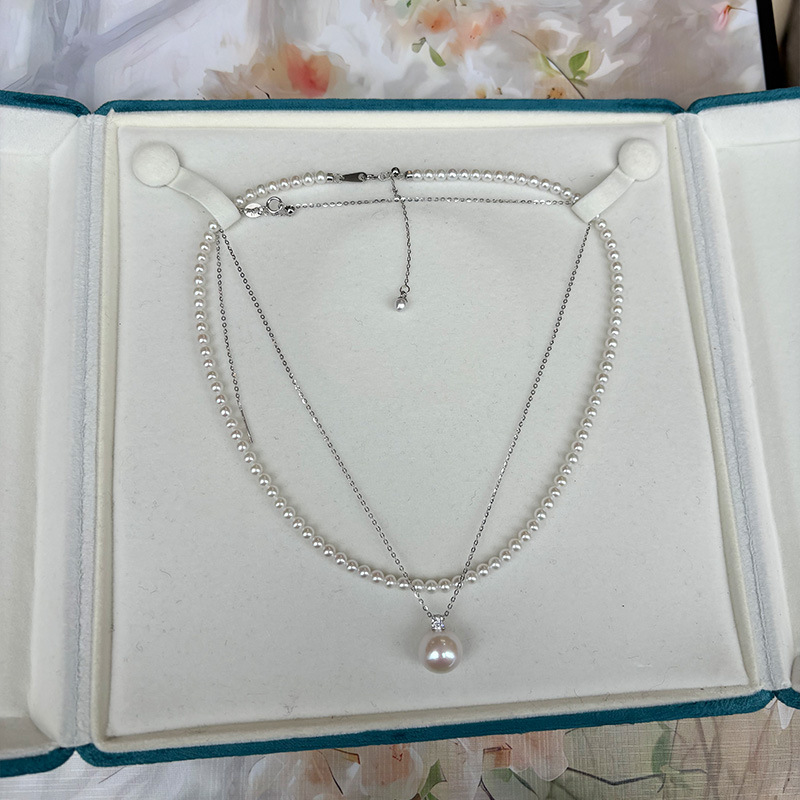
Akoya pearl necklaces are exquisite jewelry pieces that combine elegance, sophistication, and natural beauty. With their unique characteristics, rich history, and timeless appeal, they make perfect additions to any jewelry collection. By understanding the key factors in choosing and caring for Akoya pearl necklaces, you can enjoy these beautiful gems for years to come.
How to Purchase:https://looperbuy.com/search?keywords=akoya+pearl+necklace
Related Questions and Answers
Q: How can I tell if an Akoya pearl necklace is genuine?
A: Genuine Akoya pearl necklaces can be identified through several methods. Genuine pearls have a smooth yet slightly gritty texture when rubbed against your teeth. Under magnification, you may observe slight imperfections or blemishes on the surface of the pearls. Certified Akoya pearls come with a certificate from a reputable laboratory, such as the Pearl Science Laboratory in Tokyo. Additionally, genuine Akoya pearls exhibit a mirror-like luster and are usually accompanied by a warranty or return policy from the seller.
Q: What are Hanadama pearls, and how do they differ from regular Akoya pearls?
A: Hanadama pearls represent the highest quality of Akoya pearls and are certified by the Pearl Science Laboratory of Tokyo. They are known for their exceptional luster, nacre thickness, and surface quality. Hanadama pearls undergo rigorous testing and must meet strict standards to earn this certification. Compared to regular Akoya pearls, Hanadama pearls have even higher luster, thicker nacre, and fewer surface blemishes.
Q: Can Akoya pearls change color over time?
A: Akoya pearls may undergo subtle color changes over time due to various factors. Exposure to sunlight, chemicals, and natural oils can cause the pearls to gradually lighten or darken. Additionally, the pearls may develop a patina, which can alter their appearance. To minimize color changes, it is advisable to care for the pearls properly by avoiding exposure to harsh substances and storing them in a cool, dry place.
Q: How often should I restring my Akoya pearl necklace?
A: It is generally recommended to restring an Akoya pearl necklace every few years or if you notice any signs of wear on the string or cord. Regular restringing ensures the security of the pearls and helps maintain the necklace’s appearance. The frequency of restringing may vary depending on how often the necklace is worn and the quality of the materials used.
Q: Are there different types of Akoya pearl necklaces?
A: Yes, Akoya pearl necklaces come in various styles to suit different preferences and occasions. A single-strand necklace is the most classic and versatile option, perfect for both day and evening wear. Multi-strand necklaces offer a more dramatic and opulent look, making them ideal for special events and formal occasions. Graduated necklaces feature pearls that increase in size from the back to the front, creating an elegant and sophisticated appearance. Bib-style necklaces consist of multiple rows of pearls arranged in a fan-like shape, adding a touch of modernity and flair to any outfit. Additionally, pendant necklaces, which feature a single Akoya pearl as the focal point, provide a more contemporary and minimalist option for those seeking a subtle yet stylish accent.
Hot Tags:
Akoya Pearl Necklace;Akoya Pearls Characteristics;Akoya Pearls History;Akoya Pearl Jewelry;Akoya Pearl Care;Akoya Pearl Buying Guide;Akoya Pearl Value;Akoya Pearl Luster;Akoya Pearl Shapes;Akoya Pearl Colors