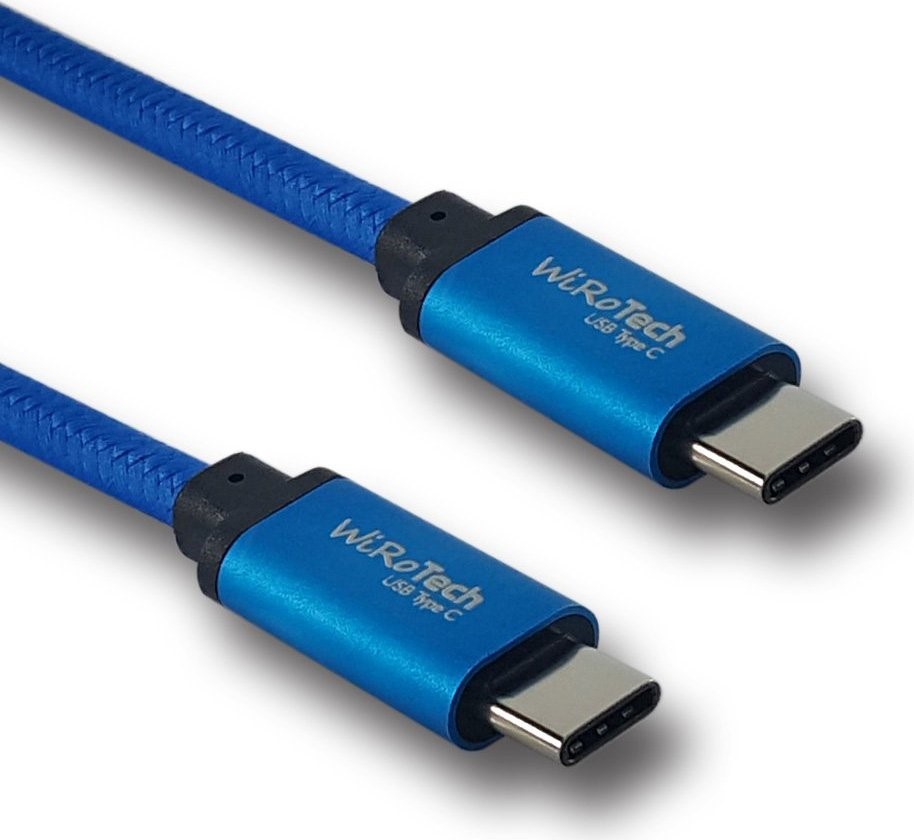
In today’s fast-paced digital world, the need for efficient and reliable data transfer is more critical than ever. With the increasing prevalence of USB-C devices, understanding the benefits of using a USB to USB-C long data cable becomes essential. This article explores the various aspects of USB to USB-C long data cables, including their features, advantages, and applications, while addressing common questions and concerns. By the end of this article, you will have a comprehensive understanding of why these cables are a must-have in your tech arsenal.
Table of Contents
Understanding USB and USB-C Technology
What is USB?
Universal Serial Bus (USB) is a standard for connecting computers and electronic devices. It allows for data transfer and power supply between devices. Over the years, USB technology has evolved, leading to various versions, including USB 1.0, 2.0, 3.0, and the latest, USB4. Each version offers improvements in speed and functionality. For instance, USB 2.0 introduced a significant increase in data transfer rates compared to its predecessor, while USB 3.0 further enhanced this with speeds up to 5 Gbps. The latest USB4 standard promises even higher speeds and better resource management, making it ideal for modern applications that require fast data transfer, such as video editing and gaming.
What is USB-C?
USB-C is a type of USB connector that is reversible, meaning it can be plugged in either way. This design eliminates the frustration of trying to insert the connector the wrong way, a common issue with older USB types. USB-C supports higher data transfer rates and power delivery compared to its predecessors. It is becoming the standard for many devices, including smartphones, laptops, and tablets, due to its versatility and efficiency. The USB-C connector can also support various protocols, allowing it to connect to a wide range of devices, from external displays to storage devices, making it a truly universal solution.
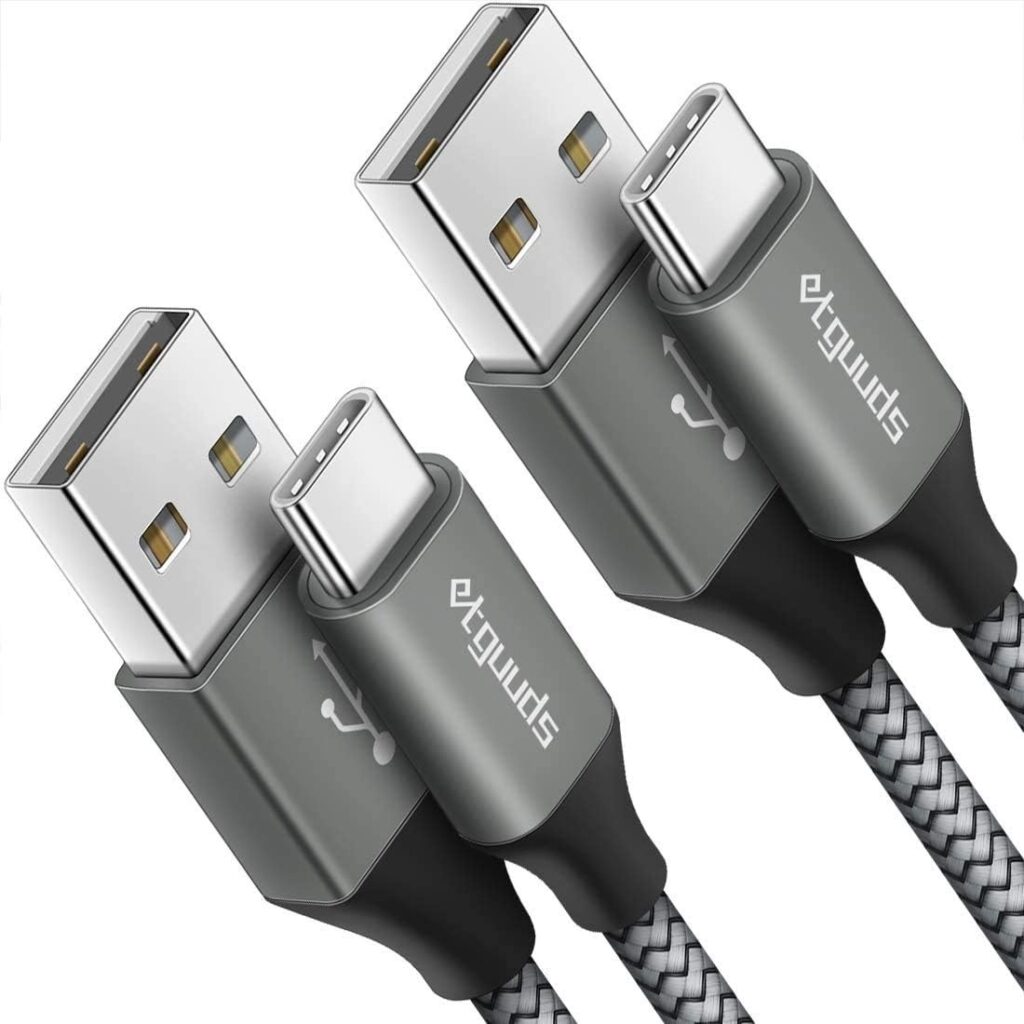
The Importance of Long Data Cables
Why Choose a Long Data Cable?
Long data cables are essential for several reasons. They provide flexibility in device placement, allowing users to connect devices that are far apart without compromising performance. This is particularly useful in office settings, home entertainment systems, and during travel. For example, in a home theater setup, a long USB to USB-C cable can connect a laptop to a projector or TV without the need for cumbersome adapters or extensions. Additionally, long cables can help reduce clutter by allowing devices to be positioned more freely, enhancing the overall aesthetic of your workspace or entertainment area.
Benefits of USB to USB-C Long Data Cables
USB to USB-C long data cables offer numerous advantages:
– Extended Reach: With lengths often exceeding 6 feet, these cables allow for greater distance between devices, making them ideal for setups where devices are not in close proximity. This is particularly beneficial in large rooms or when using devices that require a significant amount of space, such as gaming consoles or desktop computers.
– High-Speed Data Transfer: Many USB-C cables support high-speed data transfer rates, enabling quick file transfers and efficient charging. For instance, a USB 3.1 cable can transfer large files in seconds, which is a significant time-saver for professionals who work with large media files.
– Versatility: These cables can connect a wide range of devices, from smartphones to laptops, making them a versatile addition to any tech setup. This versatility means you can use the same cable for multiple devices, reducing the need for various cables and simplifying your tech organization.
– Durability: Many long data cables are designed with robust materials, ensuring they can withstand daily wear and tear. Features like braided exteriors and reinforced connectors enhance their lifespan, making them a worthwhile investment for anyone who frequently uses their devices.
Key Features of USB to USB-C Long Data Cables
Data Transfer Speeds
One of the most critical features of USB to USB-C long data cables is their data transfer speed. Depending on the cable’s specifications, users can expect speeds ranging from USB 2.0 (up to 480 Mbps) to USB 3.1 (up to 10 Gbps) and even USB4 (up to 40 Gbps). This makes them suitable for transferring large files quickly. For example, a USB 3.1 cable can transfer a full-length HD movie in just a few minutes, making it ideal for users who frequently share large files or back up data.
Power Delivery
USB-C cables also support power delivery, allowing for faster charging of devices. Many long data cables can deliver up to 100 watts of power, making them capable of charging laptops and other high-power devices efficiently. This feature is particularly useful for users who need to charge their devices quickly, such as during a short break at work or while traveling. The ability to charge multiple devices simultaneously with a single cable also adds to the convenience.
Compatibility
USB to USB-C long data cables are compatible with a wide range of devices. This includes smartphones, tablets, laptops, and other peripherals. This compatibility ensures that users can connect their devices without worrying about different connector types. Furthermore, many USB-C cables are backward compatible with older USB standards, allowing users to connect their new devices to older USB ports, which enhances their usability across different devices and setups.
Applications of USB to USB-C Long Data Cables
Home Use
In a home environment, USB to USB-C long data cables can be used to connect devices such as smartphones to chargers, laptops to external monitors, or gaming consoles to TVs. Their length allows for comfortable use without being tethered to a wall outlet. For instance, you can comfortably use your laptop on the couch while it charges from a wall outlet across the room, enhancing your overall user experience.
Office Settings
In office settings, these cables facilitate connections between computers and peripherals like printers, scanners, and external hard drives. The extended length allows for flexible desk arrangements and reduces clutter. This flexibility can lead to a more organized workspace, which can improve productivity and reduce stress. Additionally, having longer cables can help accommodate collaborative work environments where multiple devices need to be connected simultaneously.
Travel
For travelers, having a long USB to USB-C cable can be a lifesaver. It allows for charging devices in hotel rooms where outlets may be limited or inconveniently located. Additionally, it can connect devices to power banks or car chargers while on the go. The convenience of a long cable means you can use your device comfortably while it charges, whether you’re in a hotel room, on a plane, or in a car.
Choosing the Right USB to USB-C Long Data Cable
Length Considerations
When selecting a USB to USB-C long data cable, consider the length that best suits your needs. Cables are available in various lengths, from 3 feet to 20 feet or more. Choose a length that provides the necessary reach without excessive slack. A longer cable may be beneficial in larger spaces, while a shorter cable may suffice for more compact setups. It’s essential to balance length with practicality to ensure optimal performance.
Quality and Durability
Look for cables made from high-quality materials that can withstand bending and twisting. Braided cables often offer enhanced durability compared to standard plastic cables. Additionally, check for certifications that ensure the cable meets safety and performance standards. Investing in a high-quality cable can save you money in the long run by reducing the need for replacements due to wear and tear.
Brand Reputation
Opt for cables from reputable brands known for their quality and customer service. Reading reviews and checking ratings can help you make an informed decision. Established brands often provide better warranties and customer support, which can be invaluable if you encounter any issues with your cable.
Conclusion
In conclusion, USB to USB-C long data cables are an essential accessory for anyone using modern electronic devices. Their versatility, high-speed data transfer capabilities, and power delivery make them a valuable addition to any tech setup. Whether for home, office, or travel use, these cables provide the flexibility and reliability needed in today’s digital landscape. By understanding their features and benefits, you can make an informed decision when selecting the right cable for your needs.
How to purchase:https://looperbuy.com/search?keywords=USB+to+USB-C+Long+Data+Cable
Related Questions and Answers
1. What is the difference between USB and USB-C?
USB-C is a newer connector type that supports higher data transfer speeds and power delivery compared to older USB types, making it more versatile and efficient.
2. Can I use a USB to USB-C cable for data transfer?
Yes, USB to USB-C cables are designed for both data transfer and charging, allowing you to connect and power your devices simultaneously.
3. Is it safe to use long USB to USB-C cables?
Yes, as long as the cables are of good quality and meet safety standards, they are safe to use. Always choose cables from reputable manufacturers to ensure safety.
4. What should I look for when buying a USB to USB-C long data cable?
Consider the length, data transfer speed, power delivery capability, and build quality to ensure you select a cable that meets your specific needs.
5. Can I use a USB to USB-C cable with older USB devices?
You can use adapters to connect USB-C cables to older USB devices, but functionality may vary depending on the adapter and the devices involved.