Muslim women’s clothing is a rich tapestry woven from cultural, religious, and personal threads. The diversity of Muslim clothing reflects the myriad ways in which women express their identity, beliefs, and cultural heritage. This article delves into the various styles, meanings, and cultural significance of Muslim clothing for women, highlighting how these garments serve as both a form of personal expression and a reflection of broader societal values.
Table of Contents
Understanding Muslim Clothing
The Concept of Modesty
At the heart of Muslim women’s clothing is the concept of modesty, known as *hijab* in Arabic. Modesty in Islam is not solely about clothing; it encompasses behavior, speech, and overall demeanor. The Quran encourages both men and women to dress modestly, but interpretations of what constitutes modest clothing can vary widely among different cultures and communities. For many women, the choice to wear modest clothing is a deeply personal decision that reflects their understanding of faith and spirituality. This choice can be influenced by family traditions, community norms, and individual beliefs, leading to a rich diversity in how modesty is expressed across the globe.
Types of Muslim Clothing
Muslim women’s clothing can be categorized into several types, each with its unique characteristics and cultural significance:
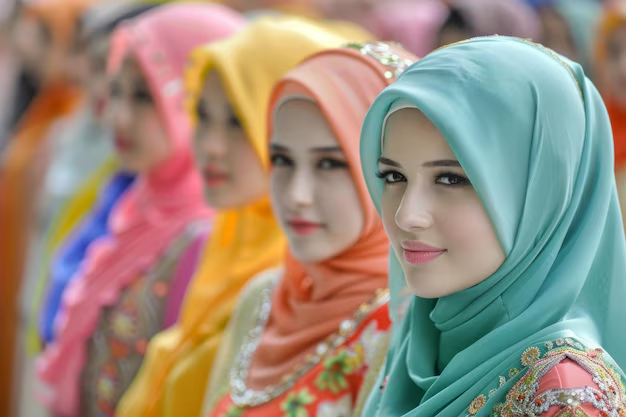
1. Hijab: A headscarf that covers the hair and neck, leaving the face visible. The hijab is worn by many Muslim women as a sign of faith and modesty. It can be styled in various ways, from simple wraps to more elaborate designs adorned with patterns and colors, allowing for personal expression while adhering to modesty guidelines.
2. Niqab: A face veil that covers the face, leaving only the eyes visible. The niqab is often associated with more conservative interpretations of Islamic dress. Women who choose to wear the niqab may do so as a reflection of their commitment to their faith and cultural identity, often finding empowerment in their choice to cover.
3. Burqa: A full-body covering that includes a mesh screen over the eyes. The burqa is most commonly worn in Afghanistan and represents a specific cultural practice. For many women, wearing a burqa is a way to maintain privacy and modesty in public spaces, while also connecting to their cultural heritage.
4. Chador: A full-body cloak worn by women in Iran, which covers the body but leaves the face exposed. The chador is often worn over regular clothing and is a symbol of Iranian culture. It allows women to maintain their modesty while also embracing their national identity.
5. Abaya: A loose-fitting, full-length robe worn in many Arab countries. The abaya is often worn over everyday clothing and is available in various styles and colors. In recent years, the abaya has evolved into a fashion statement, with designers creating modern interpretations that incorporate vibrant colors and intricate designs.
6. Khimar: A cape-like garment that covers the shoulders and chest, often worn with other clothing items. The khimar can be a versatile addition to a woman’s wardrobe, allowing for layering and personal style while maintaining modesty.
Cultural Variations
The diversity of Muslim clothing is influenced by various factors, including geography, culture, and personal choice. For instance, in Indonesia, women may wear brightly colored *kebaya* dresses, which are often intricately designed and reflect the rich cultural heritage of the region. In Saudi Arabia, the traditional black abaya is more common, symbolizing both modesty and cultural identity. In Turkey, modern styles may blend traditional elements with contemporary fashion, showcasing the dynamic nature of Muslim women’s clothing. This cultural interplay highlights how Muslim women navigate their identities in a globalized world, often blending traditional attire with modern influences to create unique styles that resonate with their personal beliefs and cultural backgrounds.
The Role of Fashion in Muslim Women’s Lives
Personal Expression
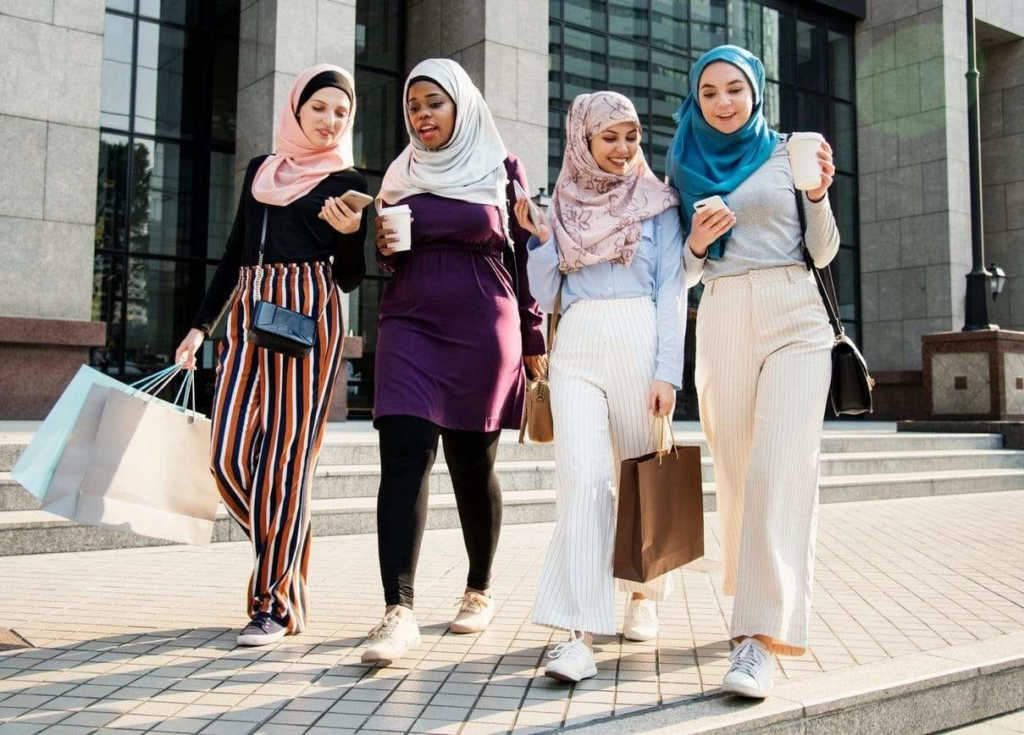
For many Muslim women, clothing is a form of personal expression. The choice of attire can reflect individual style, cultural heritage, and personal beliefs. Women may choose to wear traditional garments, modern interpretations, or a combination of both, allowing them to navigate their identities in a multicultural world. This personal expression is not only about aesthetics; it also serves as a means of communicating one’s values and beliefs to the outside world. The ability to choose how to dress empowers women to assert their identities and challenge societal norms, fostering a sense of agency in their lives.
Empowerment and Identity
Wearing Muslim clothing can also be an empowering choice. Many women find strength in their attire, using it as a means to assert their identity and challenge stereotypes. The act of choosing to wear a hijab or other traditional garments can be a powerful statement of faith and autonomy. For some, it represents a rejection of Western beauty standards and an embrace of their cultural identity. This empowerment is often amplified by community support, as women come together to celebrate their choices and share their experiences, creating a sense of solidarity and belonging.
The Influence of Global Fashion
The rise of modest fashion has led to a growing industry that caters to Muslim women. Designers are increasingly creating stylish and contemporary clothing that adheres to modesty guidelines, allowing women to express their fashion sense without compromising their values. This trend has gained traction on social media, where influencers showcase diverse styles and promote the idea that modesty can be fashionable. The visibility of Muslim women in the fashion industry challenges stereotypes and encourages a broader understanding of beauty that includes diverse representations. As a result, the modest fashion movement not only empowers individual women but also contributes to a more inclusive and diverse fashion landscape.
Challenges and Misconceptions
Stereotypes and Misunderstandings
Despite the diversity and richness of Muslim clothing, misconceptions persist. Many people associate Muslim women’s attire with oppression, failing to recognize the agency and choice involved in these decisions. It is essential to understand that clothing choices are deeply personal and can vary significantly among individuals. This misunderstanding can lead to discrimination and prejudice, as well as a lack of appreciation for the cultural significance of these garments. Education and open dialogue are crucial in dispelling these myths and fostering a more nuanced understanding of Muslim women’s experiences.
Cultural Appropriation
As modest fashion gains popularity in the mainstream, issues of cultural appropriation arise. Non-Muslim designers and brands may adopt elements of Muslim clothing without understanding their cultural significance, leading to concerns about respect and representation. It is crucial for the fashion industry to engage with Muslim women and communities to ensure that their voices are heard and respected. This engagement can take the form of collaborations, consultations, and inclusive practices that honor the cultural heritage of Muslim clothing while promoting diversity in fashion.
Conclusion
The diversity of Muslim clothing for women is a testament to the rich cultural heritage and personal expression within the Muslim community. From the hijab to the abaya, each garment carries its unique story and significance. As society continues to evolve, so too will the expressions of identity and faith through clothing. Understanding and appreciating this diversity is essential in fostering respect and dialogue among different cultures. By celebrating the richness of Muslim women’s clothing, we can promote a more inclusive society that values diversity and empowers individuals to express their identities freely.
How to purchase:https://looperbuy.com/search?keywords=muslim+clothing+women
Questions and Answers
1. What is the significance of the hijab in Muslim culture?
– The hijab symbolizes modesty and faith for many Muslim women. It is a personal choice that reflects their beliefs and cultural identity, often serving as a source of empowerment.
2. How do cultural variations influence Muslim women’s clothing?
– Cultural variations lead to different styles and interpretations of Muslim clothing, influenced by geography, local customs, and personal preferences. This diversity enriches the global tapestry of Muslim women’s fashion.
3. What role does fashion play in the lives of Muslim women?
– Fashion allows Muslim women to express their individuality and navigate their identities while adhering to modesty guidelines. It serves as a means of personal expression and empowerment.
4. What challenges do Muslim women face regarding their clothing choices?
– Muslim women often encounter stereotypes and misconceptions about their clothing, which can lead to misunderstandings about their autonomy and choices. Education and dialogue are essential in addressing these issues.
5. How can the fashion industry respect and represent Muslim clothing?
– The fashion industry can engage with Muslim women and communities to ensure that their voices are included in the design process, promoting respect and authenticity while celebrating cultural diversity.