
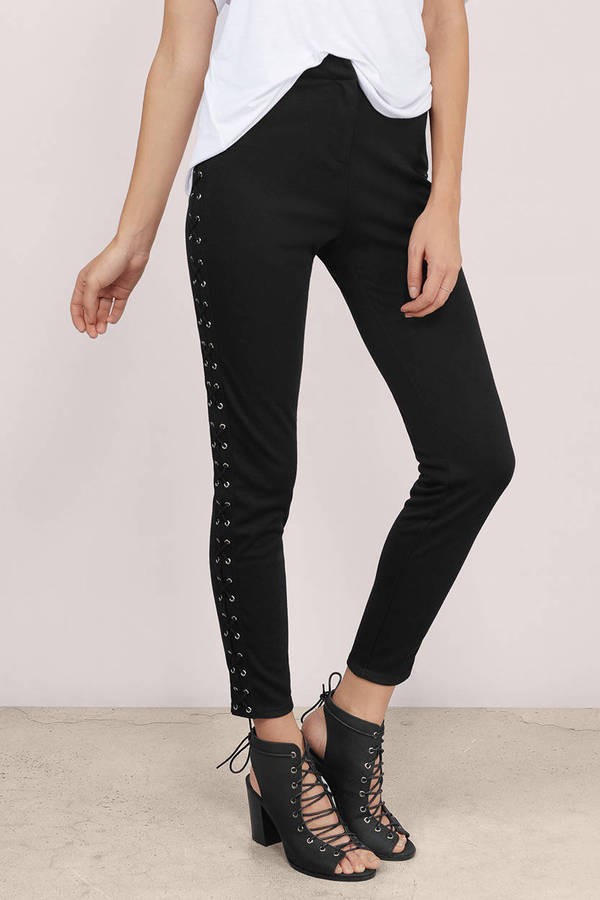
Pants are a fundamental part of our daily wardrobe, serving not only as a practical garment but also as a canvas for personal expression. From casual wear to formal attire, pants come in various styles, materials, and fits, making them suitable for almost any occasion. This article delves into the different types of pants, their history, cultural significance, and how to style them effectively.
Table of Contents
The Evolution of Pants
Pants have a rich history that dates back thousands of years. Initially designed for practicality, they were worn by horse riders in ancient civilizations. Over time, pants evolved from being a utilitarian garment to a fashion statement. In the 19th century, trousers became a staple in men’s fashion, while women’s pants gained popularity in the 20th century, particularly during the feminist movements. Today, pants are a symbol of gender equality, with styles available for everyone, regardless of gender.
The evolution of pants reflects broader societal changes. For instance, the introduction of denim jeans in the late 19th century revolutionized casual wear. Originally designed for miners, jeans became a symbol of rebellion in the 1950s and have since become a global fashion staple. This transformation illustrates how pants can adapt to cultural shifts while maintaining their core functionality.
Types of Pants
Casual Pants
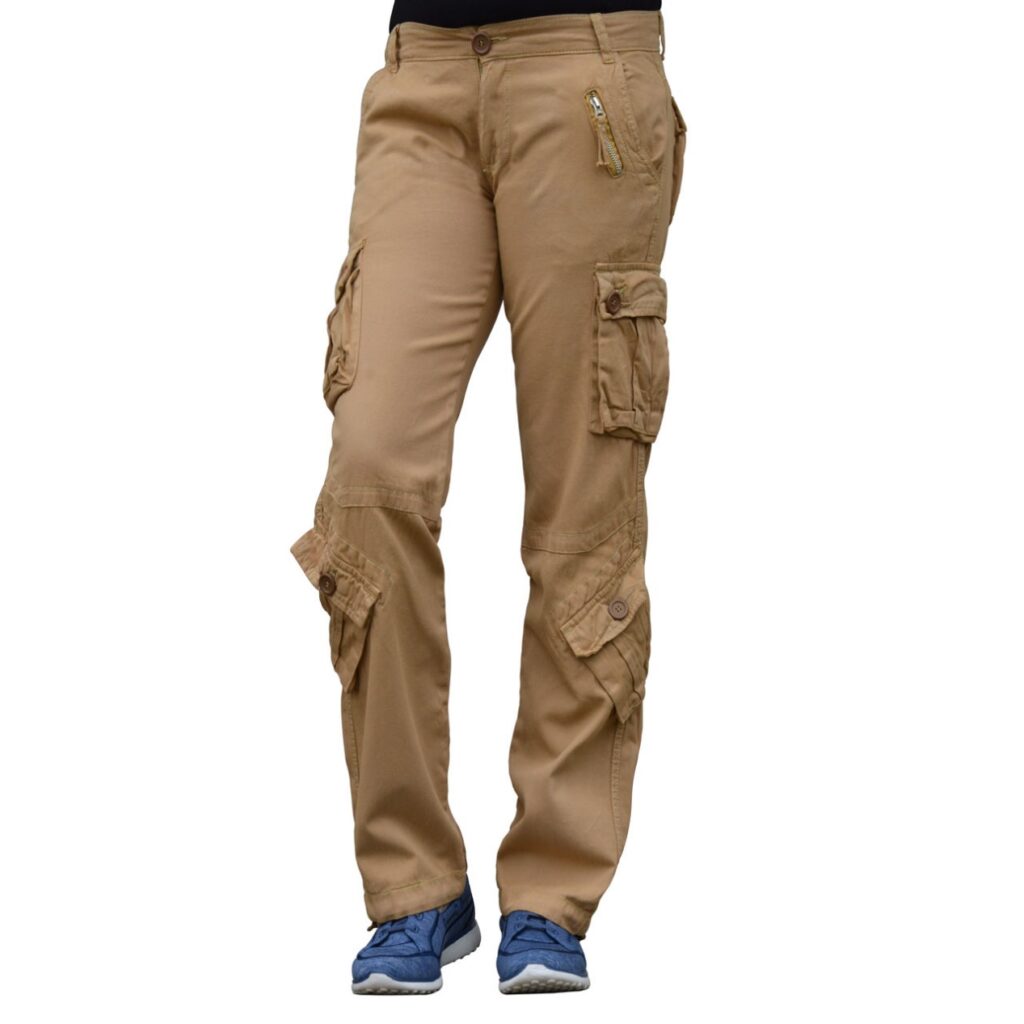
Casual pants are designed for comfort and ease of movement. They come in various styles, including chinos, cargo pants, and joggers. Chinos are versatile and can be dressed up or down, making them suitable for both casual outings and semi-formal events. Cargo pants, with their multiple pockets, are perfect for outdoor activities, while joggers offer a relaxed fit ideal for lounging or exercising.
Casual pants are often made from breathable materials like cotton or linen, making them comfortable for everyday wear. The rise of athleisure has also influenced casual pants, with many opting for styles that blend comfort with fashion. This trend has led to the popularity of joggers and sweatpants, which are now acceptable in various social settings.
Formal Pants
Formal pants, such as dress trousers and slacks, are essential for professional and formal occasions. They are typically made from high-quality fabrics like wool or polyester, providing a polished look. Dress trousers often feature a tailored fit, which enhances the wearer’s silhouette and conveys professionalism.
The choice of formal pants can significantly impact one’s overall appearance. Pairing tailored trousers with a crisp shirt and blazer creates a sophisticated look suitable for business meetings or formal events. Additionally, the color and pattern of formal pants can convey different messages; for instance, dark colors are often associated with authority, while lighter shades can suggest approachability.
Specialty Pants
Specialty pants cater to specific activities or needs. For example, hiking pants are designed with moisture-wicking and quick-drying materials, making them ideal for outdoor adventures. Similarly, work pants are tailored for durability and functionality, often featuring reinforced seams and pockets for tools.
Athletic pants, such as yoga pants and running tights, are designed to provide support and flexibility during physical activities. These pants are made from stretchy materials that allow for a full range of motion, making them essential for athletes and fitness enthusiasts. The rise of fitness culture has led to an increase in the variety of specialty pants available, catering to diverse activities and preferences.
Styling Pants
Casual Styling
When it comes to casual styling, the key is to balance comfort with style. Pairing chinos with a simple t-shirt and sneakers creates a laid-back look perfect for weekend outings. For a more polished appearance, consider adding a lightweight jacket or a button-up shirt. Accessories like watches or casual hats can also enhance the overall outfit.
Layering is another effective way to style casual pants. For instance, wearing a denim jacket over a hoodie can add depth to your look while keeping you warm. Experimenting with colors and patterns can also elevate a casual outfit; for example, pairing patterned pants with a solid-colored top can create visual interest.
Formal Styling
Styling formal pants requires attention to detail. A well-fitted blazer paired with dress trousers creates a classic look suitable for business meetings or formal events. Choosing the right shirt is crucial; opt for a fitted dress shirt in a complementary color to enhance your overall appearance.
Footwear plays a significant role in formal styling. Dress shoes, such as oxfords or loafers, can elevate your outfit, while the choice of belt should match your shoes for a cohesive look. Accessories like ties or pocket squares can add a personal touch, allowing you to express your style while adhering to formal dress codes.
Specialty Styling
When styling specialty pants, consider the activity you’ll be engaging in. For hiking, pair durable pants with moisture-wicking shirts and sturdy boots for optimal comfort and support. In contrast, when heading to the gym, opt for breathable athletic pants paired with a fitted tank top or sports bra.
Layering is also essential for specialty pants. For outdoor activities, wearing a lightweight, moisture-wicking base layer under your pants can provide additional warmth without adding bulk. Additionally, choosing the right accessories, such as hats or backpacks, can enhance your functionality and style during specific activities.
The Cultural Significance of Pants
Pants hold cultural significance across various societies. In many cultures, the type of pants worn can indicate social status, profession, or even political beliefs. For instance, in some regions, traditional pants like the kurta pajama or dhoti are worn during cultural celebrations, symbolizing heritage and identity.
Moreover, pants have been at the forefront of fashion revolutions. The introduction of women’s pants in the 20th century challenged traditional gender norms, allowing women to express themselves more freely. This shift has paved the way for diverse styles and fits, promoting inclusivity in fashion.
The Environmental Impact of Pants
As the fashion industry evolves, so does the conversation around sustainability. The production of pants, particularly those made from synthetic materials, can have significant environmental impacts. The use of water, chemicals, and energy in manufacturing processes raises concerns about pollution and resource depletion.
To mitigate these effects, many brands are adopting sustainable practices, such as using organic materials or implementing recycling programs. Consumers are also becoming more conscious of their choices, opting for eco-friendly brands or second-hand options. This shift towards sustainability is crucial for the future of fashion, encouraging a more responsible approach to clothing consumption.
Conclusion
Pants are more than just a clothing item; they are a reflection of personal style, cultural identity, and societal changes. From casual to formal, the versatility of pants allows individuals to express themselves in various ways. As we continue to navigate the evolving landscape of fashion, understanding the significance of pants can enhance our appreciation for this essential garment.
How to purchase:https://looperbuy.com/search?keywords=Pants
Frequently Asked Questions
1. What are the key differences between various types of casual pants?
Casual pants vary in style, fit, and material. Chinos are versatile and can be dressed up or down, while cargo pants are designed for utility with multiple pockets. Joggers offer a relaxed fit, ideal for lounging or exercising.
2. How have trends in pants changed over the past 50 years?
Pants have evolved from strictly utilitarian garments to fashion statements. The introduction of denim jeans revolutionized casual wear, while the acceptance of women’s pants in the workplace marked significant societal changes.
3. What are the environmental impacts of different pant materials?
The production of pants, especially those made from synthetic materials, can lead to pollution and resource depletion. Sustainable practices, such as using organic materials and recycling, are becoming increasingly important in the fashion industry.
4. How can I style formal pants for a business meeting?
Pair tailored trousers with a fitted dress shirt and a blazer for a polished look. Choose appropriate footwear, such as dress shoes, and consider accessories like ties or pocket squares to enhance your outfit.
5. What should I consider when choosing specialty pants for outdoor activities?
When selecting specialty pants, prioritize functionality and comfort. Look for moisture-wicking materials for hiking or stretchy fabrics for athletic activities. Additionally, consider layering options for varying weather conditions.
https://t.me/s/iGaming_live/4864
https://t.me/s/officials_pokerdom/4001
https://t.me/s/dragon_money_mani/21
whiteness and rubber thing when choosing add on. Every detail in our https://www.cornbreadhemp.com/collections/cbd-gummies catalog undergo third-party examination so you grow actual organic fertilizer CBD. We reference our halter CBD from constituent grow, guaranteeing zero in pesticides or sullen metal in your CBD oil. know the full phase of the moon major power of spacious spectrum CBD and full spectrum CBD with total transparence. Invest in rattling CBD lineament, fiat bounty CBD on-line, and go steady wherefore G confidence our CBD stigmatise for casual wellness!