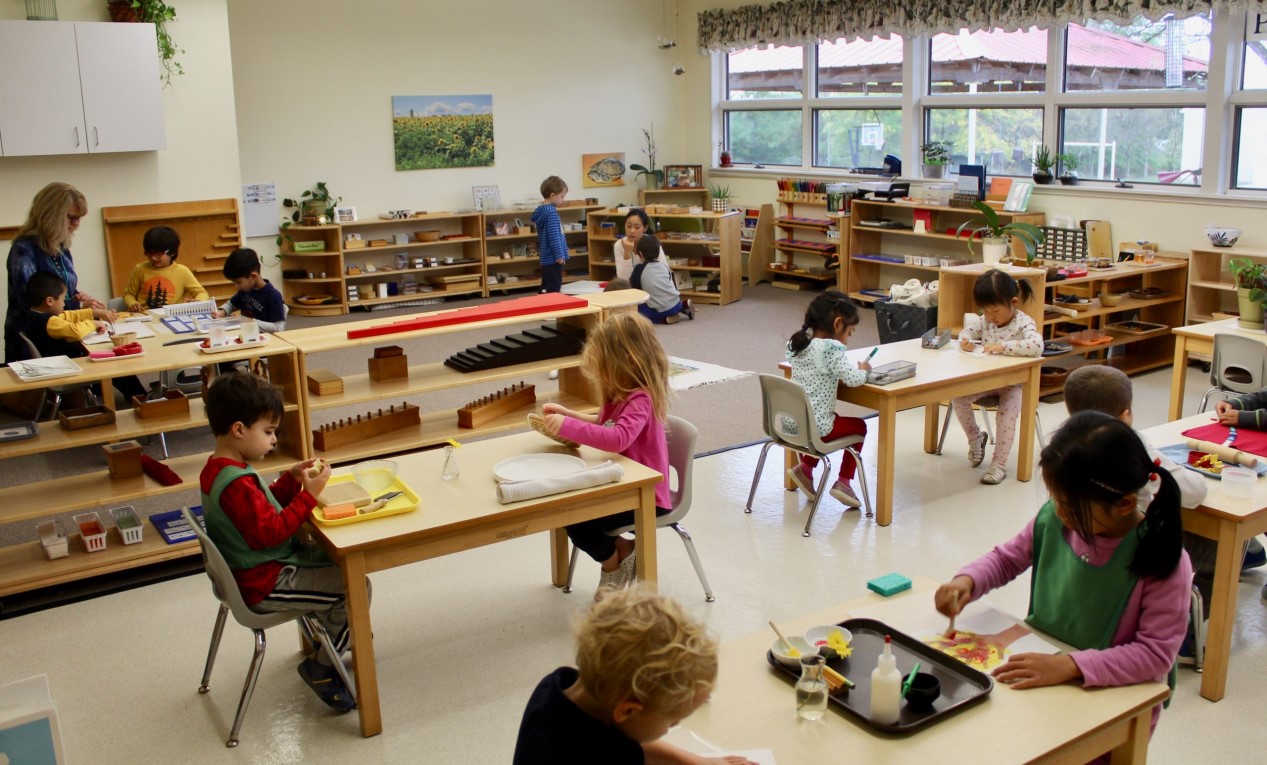
Montessori education is a unique approach to teaching that emphasizes self-directed activity, hands-on learning, and collaborative play. Developed by Dr. Maria Montessori in the early 20th century, this educational philosophy is designed to foster independence, respect, and a love for learning in children. In this article, we will explore the principles of Montessori education, its benefits, and how it transforms the learning experience for children.
Table of Contents
Understanding Montessori Education
The Origins of Montessori Education
Montessori education originated from the observations and experiences of Dr. Maria Montessori, an Italian physician and educator. In 1907, she opened the first Montessori school, Casa dei Bambini, in a poor neighborhood of Rome. Her innovative approach was based on the belief that children learn best in an environment that supports their natural development and curiosity. Montessori’s methods have since spread worldwide, influencing educational practices across various cultures. The success of her first school demonstrated that children thrive when given the freedom to explore and learn at their own pace, leading to the establishment of Montessori schools globally. Today, Montessori education is recognized for its effectiveness in nurturing children’s innate desire to learn, making it a popular choice among parents and educators alike.

Key Principles of Montessori Education
Montessori education is built on several core principles that guide its methodology:
1. Child-Centered Learning: The Montessori approach places the child at the center of the learning process. Children are encouraged to explore their interests and learn at their own pace, fostering a sense of ownership over their education. This principle recognizes that each child is unique, with individual strengths and interests, and allows them to pursue their passions, leading to deeper engagement and understanding.
2. Prepared Environment: Montessori classrooms are carefully designed to provide a rich learning environment. Materials are organized and accessible, allowing children to choose activities that engage their curiosity and promote learning. The environment is intentionally structured to encourage exploration, with various learning stations that cater to different developmental needs and interests, ensuring that children can find activities that resonate with them.
3. Hands-On Learning: Montessori education emphasizes experiential learning through hands-on activities. Children interact with specially designed materials that promote exploration and discovery, enhancing their understanding of concepts. This tactile approach not only makes learning more enjoyable but also helps children retain information better, as they are actively involved in the learning process rather than passively receiving information.
4. Mixed-Age Classrooms: Montessori classrooms typically include children of different ages, promoting peer learning and collaboration. Older children often take on leadership roles, helping younger peers and reinforcing their own knowledge. This dynamic fosters a sense of community and belonging, as children learn to respect and support one another, developing social skills that are crucial for their future interactions.
5. Respect for the Child: Montessori education is rooted in respect for each child’s individuality and developmental needs. Teachers act as guides, observing and supporting children rather than directing their learning. This respectful approach empowers children to take charge of their education, fostering self-confidence and a sense of responsibility for their own learning journey.
6. Freedom Within Limits: While children have the freedom to choose their activities, this freedom is balanced with clear boundaries and expectations. This structure helps children develop self-discipline and responsibility. By understanding the limits of their freedom, children learn to make choices that are not only beneficial for themselves but also considerate of their peers and the classroom environment.
The Role of the Teacher in Montessori Education
In a Montessori classroom, the teacher’s role is fundamentally different from that in traditional educational settings. Rather than being the primary source of knowledge, the teacher acts as a facilitator of learning. They observe each child’s interests and developmental stage, providing guidance and support as needed. This approach allows teachers to tailor their instruction to meet the unique needs of each child, fostering a more personalized learning experience. Teachers in Montessori settings are trained to recognize when to intervene and when to step back, allowing children to explore and learn independently. This balance is crucial in helping children develop critical thinking skills and confidence in their abilities.
Benefits of Montessori Education
Fostering Independence and Confidence
One of the most significant benefits of Montessori education is its ability to foster independence in children. By allowing children to make choices about their learning, they develop confidence in their abilities and decision-making skills. This independence extends beyond the classroom, helping children become self-sufficient and responsible individuals. As children learn to manage their own time and resources, they gain a sense of agency that empowers them to tackle challenges both academically and personally.
Enhancing Social Skills
Montessori classrooms promote social interaction and collaboration among children. The mixed-age structure encourages older children to mentor younger ones, fostering a sense of community and cooperation. This environment helps children develop essential social skills, such as communication, empathy, and conflict resolution. By working together on projects and sharing responsibilities, children learn to appreciate diverse perspectives and develop strong interpersonal relationships that will serve them well throughout their lives.
Encouraging a Love for Learning
Montessori education nurtures a lifelong love for learning by allowing children to explore their interests and passions. The hands-on, experiential nature of the curriculum engages children and makes learning enjoyable. As a result, children are more likely to develop a positive attitude toward education and a desire to continue learning throughout their lives. This intrinsic motivation is crucial for academic success, as children who love learning are more likely to seek out knowledge and pursue their interests beyond the classroom.
Supporting Holistic Development
Montessori education addresses the whole child—cognitive, social, emotional, and physical development. The curriculum is designed to promote critical thinking, creativity, and problem-solving skills. Additionally, the emphasis on practical life skills helps children develop self-care and responsibility, contributing to their overall growth. By integrating various aspects of development, Montessori education prepares children to navigate the complexities of life with confidence and resilience.
Preparing for the Future
In today’s rapidly changing world, the skills developed through Montessori education are increasingly valuable. The focus on independence, critical thinking, and collaboration prepares children for success in various aspects of life, including academics, careers, and personal relationships. Montessori graduates often excel in higher education and demonstrate strong leadership qualities. The ability to adapt to new situations, think critically, and work collaboratively are essential skills in the modern workforce, making Montessori education a relevant and forward-thinking choice for families.
Implementing Montessori Education at Home
Creating a Montessori-Inspired Environment
Parents can implement Montessori principles at home by creating a prepared environment that encourages exploration and independence. This can include organizing materials and toys in a way that is accessible to children. By providing a space that is conducive to learning, parents can foster a sense of curiosity and engagement in their children. Additionally, incorporating natural materials and open-ended toys can enhance the learning experience, allowing children to use their imagination and creativity.
Encouraging Independence
Fostering independence at home is essential for supporting a child’s development. Parents can encourage this by allowing children to take on age-appropriate responsibilities, such as dressing themselves or tidying up their play area. By giving children the opportunity to manage their own tasks, parents help them build confidence and self-reliance. This independence not only benefits children in their daily lives but also prepares them for future challenges as they learn to navigate the world on their own.
Promoting a Love for Learning
To cultivate a love for learning, parents can engage in activities that align with their child’s interests, such as visiting museums, reading books, or exploring nature. Encouraging curiosity by asking open-ended questions and allowing children to express their thoughts and ideas can also enhance their learning experience. Celebrating achievements and efforts reinforces the value of learning and exploration, helping children develop a positive attitude toward education.
Conclusion
Montessori education offers a transformative approach to learning that empowers children to become independent, confident, and lifelong learners. By fostering a love for learning and supporting holistic development, Montessori education prepares children for success in an ever-changing world. Whether in a classroom or at home, the principles of Montessori can be applied to create enriching learning experiences that nurture the whole child.
How to purchase:https://looperbuy.com/search?keywords=Montessori
Frequently Asked Questions
1. What age group is Montessori education suitable for?
Montessori education is suitable for children from birth through adolescence. The approach can be adapted to meet the developmental needs of children at various stages.
2. How does Montessori education differ from traditional education?
Montessori education emphasizes self-directed learning, hands-on activities, and mixed-age classrooms, while traditional education often relies on teacher-led instruction and standardized curricula.
3. What materials are used in Montessori classrooms?
Montessori classrooms use specially designed materials that promote exploration and learning. These materials are often tactile and encourage children to engage in hands-on activities.
4. Can Montessori education be implemented at home?
Yes, parents can implement Montessori principles at home by creating a prepared environment, encouraging independence, and promoting a love for learning through engaging activities.
5. What are the long-term benefits of Montessori education?
Long-term benefits of Montessori education include enhanced independence, strong social skills, a love for learning, and the development of critical thinking and problem-solving abilities.