Jeans have become an essential part of modern wardrobes around the globe. Their versatility, comfort, and style have made them a go-to choice for people of all ages. But what is it about jeans that makes them so enduringly popular? In this article, we will explore the history, styles, cultural significance, and the future of jeans, answering the question of why they remain a timeless fashion staple.
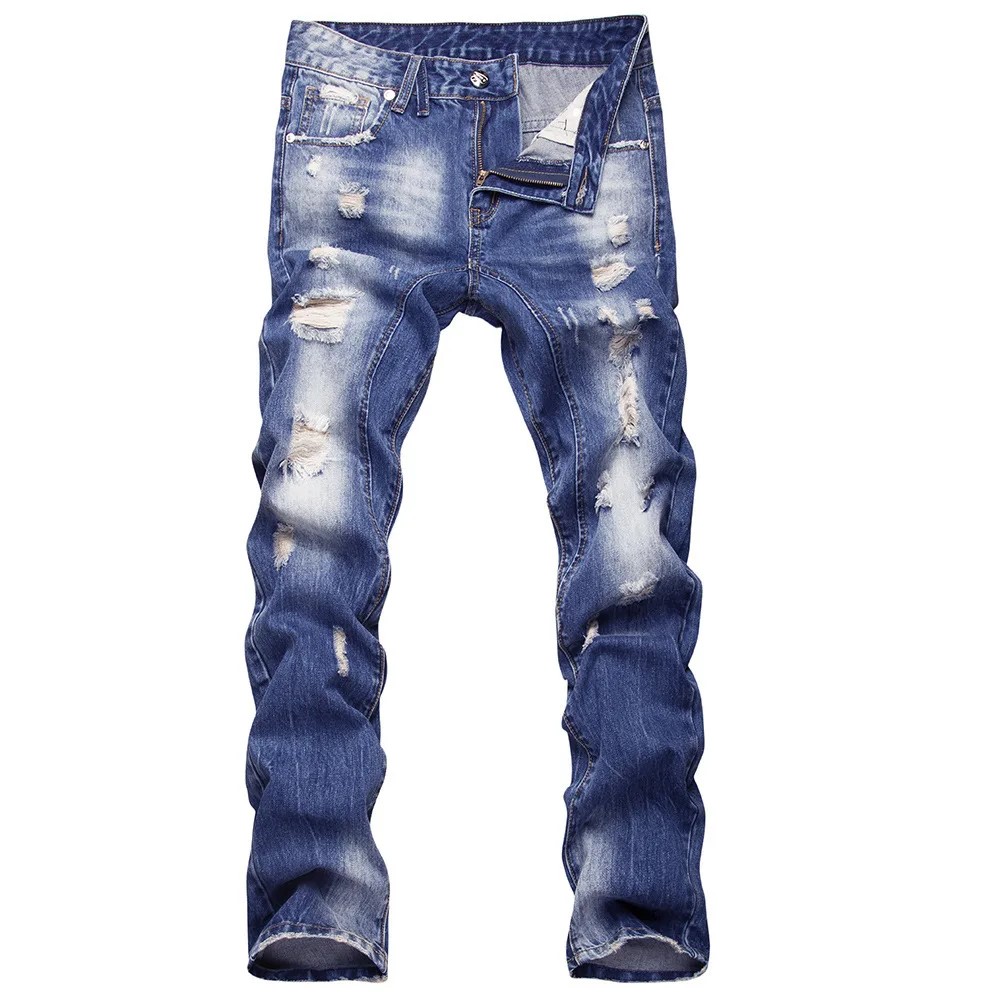
Table of Contents
The History of Jeans
Origins of Denim
The story of jeans begins in the 18th century with the creation of denim fabric. Originally made in France, denim was a sturdy fabric designed for workwear. The term “denim” comes from the French phrase “serge de Nîmes,” referring to the city of Nîmes where the fabric was first produced. The fabric’s durability made it ideal for laborers, particularly during the California Gold Rush. Denim was initially used for making trousers for miners and workers who needed durable clothing that could withstand the rigors of their jobs. This practical application laid the foundation for what would become a global fashion phenomenon.
The Birth of Blue Jeans
In 1873, Levi Strauss and tailor Jacob Davis patented the design of blue jeans, which featured copper rivets to reinforce pockets. This innovation transformed denim from a work fabric into a fashionable garment. The first blue jeans were marketed as durable trousers for miners and laborers, but they quickly gained popularity beyond their original purpose. The introduction of the rivet not only enhanced the durability of the jeans but also added a distinctive aesthetic that set them apart from other trousers. As word spread about the comfort and resilience of these new pants, they began to be embraced by a wider audience, including cowboys and ranchers.
Evolution Through the Decades
Over the years, jeans have evolved significantly. In the 1950s, they became a symbol of rebellion among youth, popularized by icons like James Dean and Marlon Brando. The rebellious image associated with jeans was further solidified by their portrayal in films and music, where they were often worn by characters who challenged societal norms. The 1960s and 1970s saw the rise of bell-bottoms and flared jeans, reflecting the counterculture movements of the time. These styles were often associated with the hippie movement and were embraced for their free-spirited aesthetic. By the 1980s, designer jeans emerged, with brands like Calvin Klein and Guess making denim a high-fashion item. This shift marked a significant turning point, as jeans transitioned from workwear to a staple in high-end fashion, appealing to a broader demographic.
The Different Styles of Jeans
Classic Cuts
Jeans come in various cuts and styles, catering to different body types and fashion preferences. The classic straight-leg jeans offer a timeless silhouette that flatters most figures. They can be dressed up or down, making them suitable for various occasions. Straight-leg jeans are versatile enough to be paired with a simple t-shirt for a casual look or dressed up with a blazer for a more polished appearance. This adaptability has contributed to their enduring popularity, as they can seamlessly transition from day to night.
Skinny Jeans
Skinny jeans gained popularity in the late 2000s, characterized by their tight fit from the waist to the ankle. They are often made with stretchy denim, providing comfort while maintaining a sleek appearance. Skinny jeans can be paired with oversized tops for a balanced look, creating a stylish contrast that flatters the figure. The rise of skinny jeans also coincided with the popularity of athleisure and casual wear, as they offered a comfortable yet fashionable option for everyday outfits. Their ability to be styled in numerous ways has solidified their place in contemporary fashion.
Bootcut and Flare Jeans
Bootcut jeans are slightly fitted through the thigh and flare out from the knee, allowing for easy wear with boots. Flare jeans, which became popular in the 1970s, have a more dramatic flare and are often associated with retro fashion. Both styles offer a flattering fit for many body types, making them a favorite among those who appreciate a vintage aesthetic. Bootcut jeans are particularly versatile, as they can be worn with various footwear, from ankle boots to heels, making them suitable for both casual and dressy occasions.
High-Waisted Jeans
High-waisted jeans have made a significant comeback in recent years. They sit above the natural waistline, elongating the legs and accentuating the waist. This style is versatile and can be paired with crop tops or tucked-in blouses for a chic look. The resurgence of high-waisted jeans reflects a broader trend towards vintage-inspired fashion, as many consumers seek styles that evoke nostalgia while remaining modern. This trend has also been embraced by various fashion influencers and celebrities, further popularizing the high-waisted silhouette.
Cultural Significance of Jeans
A Symbol of Rebellion
Jeans have long been associated with youth culture and rebellion. In the 1950s, they were worn by teenagers as a statement against conformity. This association with counterculture continued through the decades, with jeans becoming a staple in punk, grunge, and hip-hop fashion. The ability of jeans to convey a sense of individuality and defiance has made them a powerful symbol in various social movements. From the anti-establishment sentiments of the 1960s to the expression of identity in contemporary streetwear, jeans have consistently represented a break from tradition.
Global Fashion Icon
Today, jeans are a global fashion icon. They transcend cultural boundaries and are worn by people from all walks of life. From high-fashion runways to everyday street style, jeans have become a universal garment that represents comfort and individuality. The global appeal of jeans is evident in their presence in diverse cultures, where they are often adapted to reflect local styles and preferences. This adaptability has allowed jeans to maintain their relevance in an ever-changing fashion landscape.
Sustainability and Ethical Fashion
As the fashion industry faces increasing scrutiny over its environmental impact, the production of jeans has come under the spotlight. Many brands are now focusing on sustainable practices, using organic cotton and eco-friendly dyes. The rise of second-hand shopping and upcycling has also contributed to a more sustainable approach to denim. Consumers are becoming more conscious of their purchasing decisions, seeking out brands that prioritize ethical production methods. This shift towards sustainability is reshaping the denim industry, encouraging innovation and responsible practices.
The Future of Jeans
Innovations in Fabric
The future of jeans is likely to see continued innovations in fabric technology. Brands are experimenting with materials that offer greater comfort, durability, and sustainability. Stretch denim, for example, has become a popular choice for its flexibility and fit. Additionally, advancements in fabric treatments are allowing for the creation of jeans that are not only stylish but also resistant to stains and wear. As technology continues to evolve, we can expect to see even more innovative materials that enhance the functionality of jeans.
Customization and Personalization
As consumers seek unique fashion statements, customization options for jeans are becoming more prevalent. Brands are offering personalized fits, styles, and even custom embroidery, allowing individuals to express their personal style. This trend towards personalization reflects a broader desire for individuality in fashion, as consumers move away from mass-produced items in favor of pieces that reflect their unique identities. Customization not only enhances the consumer experience but also fosters a deeper connection between individuals and their clothing.
The Role of Technology
Technology is also playing a significant role in the future of jeans. Virtual fitting rooms and augmented reality apps are changing the way consumers shop for denim, making it easier to find the perfect fit without trying on multiple pairs. These technological advancements are streamlining the shopping experience, reducing the time and effort required to find the right jeans. Furthermore, brands are leveraging data analytics to better understand consumer preferences, allowing for more targeted marketing and product development.
Conclusion
Jeans have proven to be more than just a fashion trend; they are a cultural phenomenon that has stood the test of time. From their humble beginnings as workwear to their status as a global fashion staple, jeans continue to evolve while remaining a symbol of comfort and style. As we look to the future, it is clear that jeans will remain an integral part of our wardrobes, adapting to new trends and technologies while retaining their classic appeal.
How to purchase:https://looperbuy.com/search?keywords=Jeans
Related Questions and Answers
1. What are the different types of jeans?
There are several types of jeans, including straight-leg, skinny, bootcut, flare, and high-waisted jeans, each offering different fits and styles.
2. How did jeans become popular?
Jeans gained popularity in the 1950s as a symbol of rebellion among youth and have since evolved into a global fashion staple.
3. What materials are used to make jeans?
Jeans are primarily made from denim, a sturdy cotton fabric, often blended with elastane for stretch and comfort.
4. Are jeans environmentally friendly?
The environmental impact of jeans production is significant, but many brands are now adopting sustainable practices to reduce their footprint.
5. How can I style jeans for different occasions?
Jeans can be styled for various occasions by pairing them with different tops and accessories. For casual outings, opt for t-shirts and sneakers, while blouses and heels can elevate the look for more formal events.