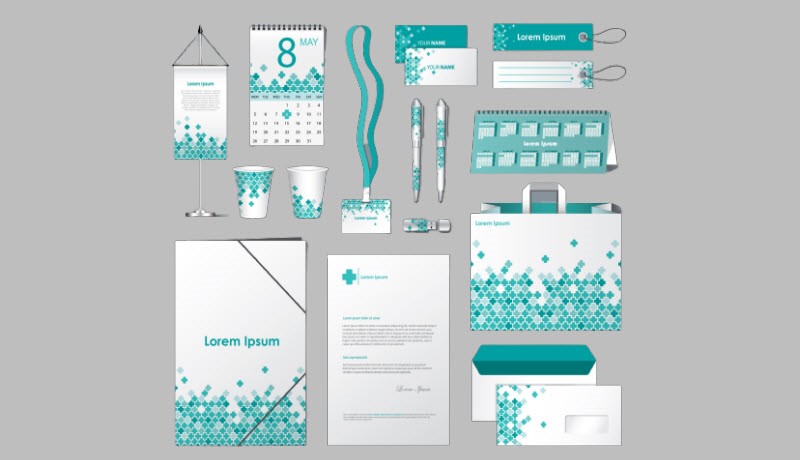
In the fast-paced world of healthcare, the importance of effective communication cannot be overstated. Medical office stationery plays a crucial role in ensuring that communication is clear, professional, and efficient. This article explores the various components of medical office stationery, its significance, and how it can enhance the overall functioning of a medical practice. By understanding the essential elements of medical office stationery, healthcare providers can improve their interactions with patients and create a more organized and professional environment.
Table of Contents
Understanding Medical Office Stationery
Medical office stationery encompasses a wide range of printed materials used in healthcare settings. These materials are not only functional but also serve as a reflection of the practice’s professionalism and branding. Common items include letterheads, business cards, appointment cards, prescription pads, and informational brochures. Each of these items plays a specific role in the daily operations of a medical office, contributing to both patient care and administrative efficiency. The design and quality of these materials can significantly impact how patients perceive the practice, making it essential to invest in high-quality stationery.
The Importance of Professional Stationery
Professional stationery is vital for several reasons. First, it establishes credibility. When patients receive documents on well-designed stationery, it conveys a sense of trustworthiness and professionalism. This is particularly important in healthcare, where patients often seek reassurance and clarity. Second, it aids in branding. Consistent use of logos, colors, and fonts across all stationery helps reinforce the practice’s identity, making it more recognizable to patients and the community. Lastly, it enhances communication. Clear and organized stationery can improve the efficiency of information exchange between the office and patients, reducing misunderstandings and ensuring that important messages are conveyed effectively.
Key Components of Medical Office Stationery
Letterheads
Letterheads are one of the most important elements of medical office stationery. They typically include the practice’s name, logo, address, phone number, and other contact information. A well-designed letterhead not only provides essential information but also sets the tone for the correspondence. It should be visually appealing and align with the overall branding of the practice. Additionally, letterheads can be used for various types of communication, including patient letters, referral requests, and insurance claims, making them a versatile tool in the medical office.
Business Cards
Business cards are essential for networking and establishing professional connections. They should contain the healthcare provider’s name, title, contact information, and the practice’s logo. A well-crafted business card can leave a lasting impression and facilitate referrals. In a field where personal connections are crucial, having a professional business card can make it easier for patients and colleagues to remember and reach out to the provider. Furthermore, including a brief tagline or description of services on the card can help clarify the provider’s specialty and attract potential patients.
Appointment Cards
Appointment cards are practical tools that help patients remember their scheduled visits. These cards should include the patient’s name, appointment date and time, and any necessary instructions. They can also serve as a reminder for follow-up appointments, enhancing patient compliance. By providing patients with a tangible reminder of their appointments, medical offices can reduce no-show rates and improve overall scheduling efficiency. Additionally, appointment cards can be designed to include information about the practice’s services or health tips, adding value for the patient.
Prescription Pads
Prescription pads are a critical component of medical office stationery. They must be designed to comply with legal requirements, including security features to prevent fraud. A well-designed prescription pad should include the practice’s name, address, and contact information, along with space for the physician’s signature and the patient’s information. The design of prescription pads can also reflect the practice’s branding, reinforcing its identity in a professional manner. Moreover, incorporating features such as watermarks or unique serial numbers can enhance security and deter unauthorized use.
Informational Brochures
Informational brochures provide patients with valuable information about the practice, services offered, and health-related topics. These brochures should be visually appealing and easy to read, with clear headings and bullet points to facilitate understanding. They can also serve as marketing tools, helping to attract new patients. By offering brochures in the waiting area or during consultations, medical offices can educate patients about their health and the services available, fostering a more informed patient base. Additionally, brochures can be tailored to specific health topics, allowing practices to address common concerns and promote preventive care.
Designing Effective Medical Office Stationery
Choosing the Right Colors and Fonts
The choice of colors and fonts is crucial in creating effective medical office stationery. Colors should reflect the practice’s branding and evoke a sense of trust and professionalism. For example, blue is often associated with calmness and reliability, making it a popular choice in healthcare settings. Fonts should be easy to read and professional, avoiding overly decorative styles that may detract from the message. The overall design should be cohesive, ensuring that all elements work together to create a unified look that enhances the practice’s image.
Incorporating Branding Elements
Incorporating branding elements into medical office stationery is essential for creating a cohesive identity. This includes using the same logo, color scheme, and font style across all materials. Consistency helps reinforce the practice’s brand and makes it more recognizable to patients. Additionally, branding can extend to the design of the office itself, creating a holistic experience for patients. By ensuring that all aspects of the practice reflect its brand, healthcare providers can create a strong and memorable impression.
Ensuring Compliance with Regulations
Medical office stationery must comply with various regulations, especially when it comes to prescription pads and patient information. It’s essential to stay informed about legal requirements to avoid potential issues. This includes using secure paper for prescriptions and ensuring that any patient information shared is done in accordance with HIPAA regulations. By prioritizing compliance, medical offices can protect patient privacy and maintain trust, which is crucial in the healthcare industry.

The Role of Technology in Medical Office Stationery
Digital Stationery Options
With the rise of digital communication, many medical practices are exploring digital stationery options. This includes electronic prescriptions, email templates, and digital appointment reminders. While traditional stationery remains important, digital options can enhance efficiency and reduce paper waste. By integrating technology into their operations, medical offices can streamline processes and improve communication with patients. Digital stationery can also be easily updated, allowing practices to keep their information current without the need for reprinting.
Printing Considerations
When it comes to printing medical office stationery, quality matters. High-quality printing ensures that the stationery looks professional and is durable. It’s important to choose a reputable printing service that can deliver consistent results. Additionally, considering eco-friendly printing options can align with the growing emphasis on sustainability in healthcare. By opting for sustainable materials and practices, medical offices can demonstrate their commitment to environmental responsibility, which can resonate positively with patients.
Conclusion
Medical office stationery is more than just paper; it is a vital component of effective communication in healthcare. By investing in high-quality, professional stationery, medical practices can enhance their branding, improve patient communication, and establish credibility. As technology continues to evolve, integrating digital options alongside traditional stationery can further streamline operations and improve patient experiences. Ultimately, the thoughtful design and use of medical office stationery can contribute to a more organized, efficient, and patient-centered practice.
How To Purchase:https://looperbuy.com/search?keywords=medical+office+stationery
Frequently Asked Questions
1.What types of stationery are essential for a medical office?
Essential stationery includes letterheads, business cards, appointment cards, prescription pads, and informational brochures.
2.How can medical office stationery enhance patient trust?
Professional stationery conveys credibility and reliability, making patients feel more secure in their choice of healthcare provider.
3.What should be included on a prescription pad?
A prescription pad should include the practice’s name, address, contact information, space for the physician’s signature, and the patient’s information.
4.Are there digital alternatives to traditional medical office stationery?
Yes, digital options such as electronic prescriptions and email templates are becoming increasingly popular in medical practices.
5.How can I ensure my medical office stationery complies with regulations?
Stay informed about legal requirements, especially for prescription pads, and ensure that any patient information shared adheres to HIPAA regulations.