Children’s activity toys are essential tools for fostering development in young children. These toys not only provide entertainment but also promote learning and skill development through play. In this article, we will explore the various types of children’s activity toys, their benefits, and how to choose the right ones for your child. We will also delve into the importance of play in childhood development and provide insights into popular toys that can enhance your child’s learning experience.
Table of Contents
What Are Children’s Activity Toys?
Children’s activity toys are designed to engage children in play that stimulates their physical, cognitive, and social development. These toys can range from simple blocks and puzzles to complex interactive games and educational kits. The primary goal of these toys is to encourage exploration, creativity, and learning through hands-on experiences. By engaging with these toys, children can develop essential skills that will serve them throughout their lives, including problem-solving, critical thinking, and social interaction.
Types of Children’s Activity Toys
1. Building Toys
– Examples: LEGO, Mega Bloks, wooden blocks
– Benefits: Enhance fine motor skills, spatial awareness, and creativity. Building toys allow children to construct various structures, which helps them understand concepts like balance and gravity. As they manipulate the pieces, they also develop hand-eye coordination and dexterity.
2. Puzzles
– Examples: Jigsaw puzzles, shape sorters, 3D puzzles
– Benefits: Improve problem-solving skills, hand-eye coordination, and cognitive development. Puzzles challenge children to think critically and develop strategies to complete them. They also promote patience and perseverance, as children learn to work through challenges.
3. Art and Craft Supplies
– Examples: Crayons, markers, clay, craft kits
– Benefits: Foster creativity, self-expression, and fine motor skills. Art activities allow children to express their thoughts and feelings visually, which can be particularly beneficial for emotional development. Engaging in crafts also enhances their ability to focus and follow instructions.
4. Musical Instruments
– Examples: Xylophones, drums, maracas
– Benefits: Develop auditory skills, rhythm, and coordination. Music is a powerful tool for learning, and introducing children to musical instruments can enhance their listening skills and appreciation for rhythm. Playing music also encourages movement and can be a fun way to engage with others.
5. Interactive Learning Toys
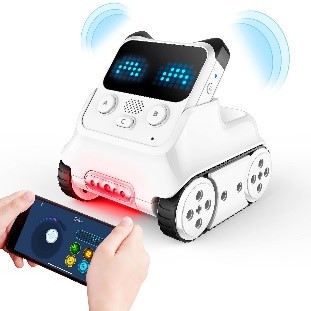
– Examples: Tablets for kids, educational games, coding toys
– Benefits: Promote literacy, numeracy, and technological skills. Interactive toys often incorporate technology to create engaging learning experiences. These toys can adapt to a child’s learning pace, providing personalized challenges that keep them motivated.
6. Outdoor Activity Toys
– Examples: Bicycles, scooters, sports equipment
– Benefits: Encourage physical activity, coordination, and social interaction. Outdoor play is crucial for physical health and well-being. Toys that promote outdoor activity help children develop gross motor skills and foster a love for physical exercise.
7. Role-Playing Toys
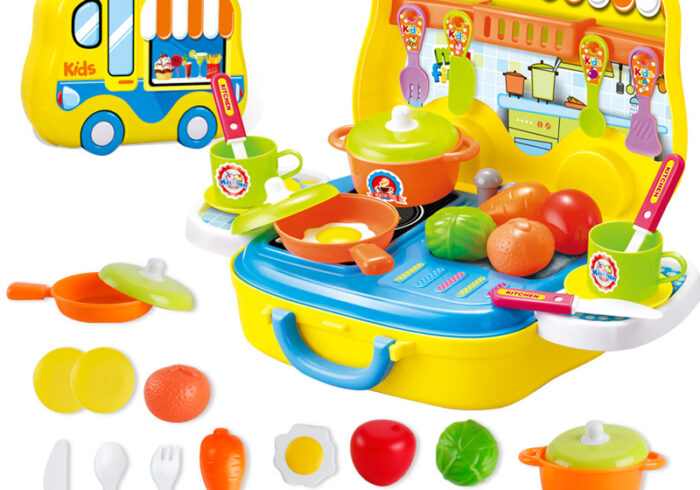
– Examples: Kitchen sets, doctor kits, tool sets
– Benefits: Enhance imagination, social skills, and understanding of the world. Role-playing toys allow children to explore different scenarios and occupations, helping them understand social roles and develop empathy. This type of play is vital for social development and can lead to improved communication skills.
Benefits of Children’s Activity Toys
Children’s activity toys offer numerous benefits that contribute to a child’s overall development:
– Cognitive Development: Many activity toys challenge children to think critically and solve problems, enhancing their cognitive abilities. Engaging with these toys can improve memory, attention span, and logical reasoning.
– Physical Development: Toys that require movement help develop gross and fine motor skills, coordination, and balance. Physical play is essential for healthy growth and can prevent obesity and related health issues.
– Social Skills: Playing with others teaches children about sharing, cooperation, and communication. Group play encourages teamwork and helps children learn to navigate social dynamics.
– Emotional Development: Engaging in play allows children to express their feelings and learn to manage emotions. Through play, children can explore different emotions and develop coping strategies.
How to Choose the Right Activity Toys
When selecting activity toys for children, consider the following factors:
1. Age Appropriateness: Ensure the toy is suitable for the child’s age and developmental stage. Toys should be challenging but not frustrating, allowing children to experience success and build confidence.
2. Safety: Look for toys made from non-toxic materials and free from small parts that could pose a choking hazard. Always check for safety certifications and read reviews from other parents.
3. Educational Value: Choose toys that promote learning and skill development in areas such as math, language, and science. Educational toys can provide a fun way to reinforce concepts learned in school.
4. Durability: Opt for well-made toys that can withstand rough play and last for years. Investing in high-quality toys can save money in the long run and reduce waste.
5. Interactivity: Select toys that encourage interaction, whether with other children or through imaginative play. Interactive toys can enhance engagement and make learning more enjoyable.

Popular Children’s Activity Toys
Here are some popular children’s activity toys that are highly recommended by parents and educators:
1. Activity Cubes
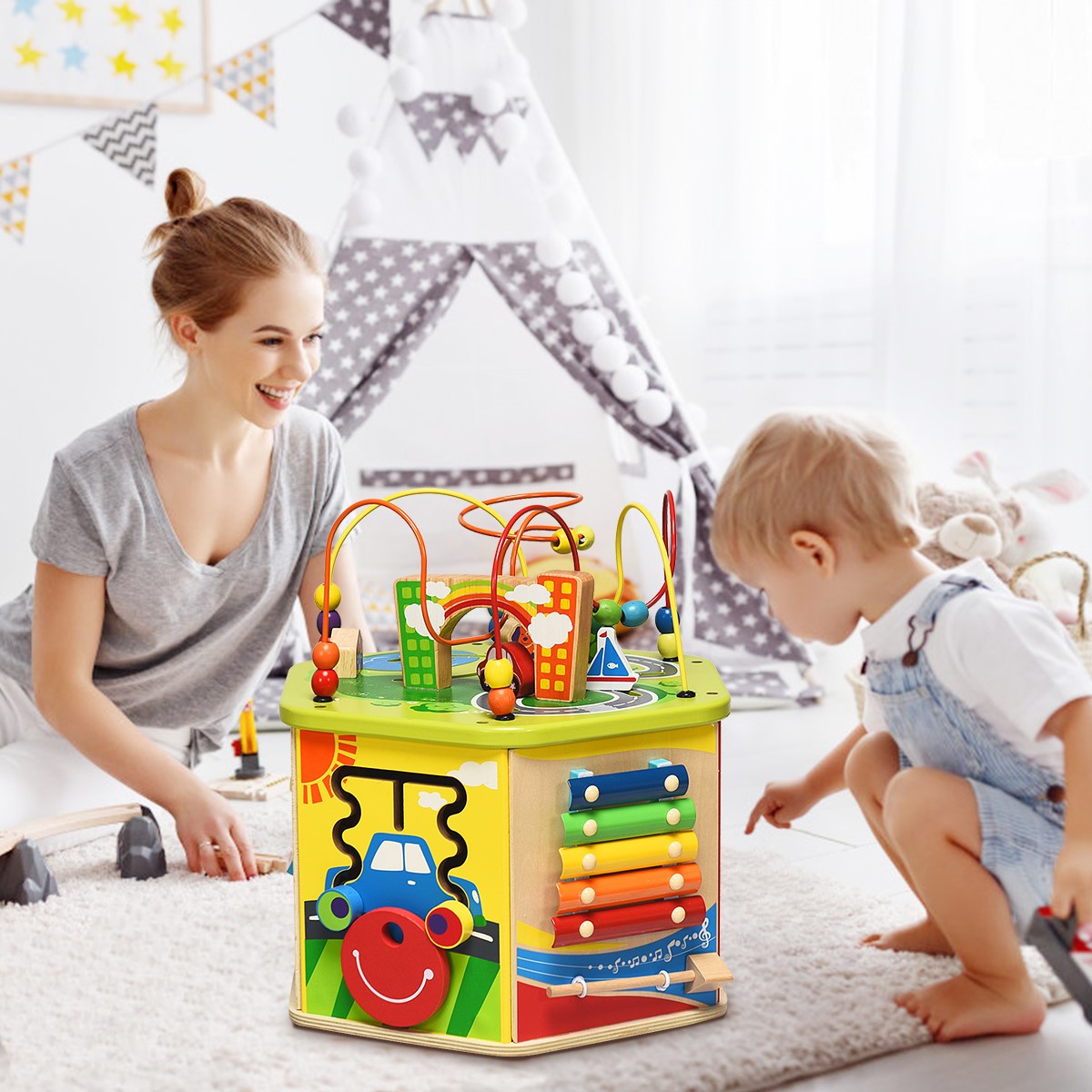
Activity cubes are multi-functional toys that offer various activities on each side, such as bead mazes, shape sorters, and spinning gears. They are excellent for developing fine motor skills and hand-eye coordination. These toys often incorporate bright colors and engaging designs, making them visually appealing to young children.
2. Building Sets
Building sets like LEGO and Mega Bloks allow children to create structures and designs, fostering creativity and problem-solving skills. These sets come in various themes and complexity levels, catering to different age groups and interests. Building with these sets encourages children to think critically about how to achieve their desired designs.
3. Musical Instruments
Simple instruments like xylophones and tambourines introduce children to music and rhythm, enhancing auditory skills. Music can be a joyful experience for children, and playing instruments can help them develop a sense of timing and coordination. Group music activities can also promote social interaction.
4. Art Supplies
Art supplies such as crayons, markers, and craft kits encourage creativity and self-expression, allowing children to explore their artistic abilities. Providing a variety of materials can inspire children to experiment with different techniques and styles, fostering a lifelong love for art.
5. Outdoor Toys
Outdoor toys like bicycles and scooters promote physical activity and help children develop coordination and balance. Encouraging outdoor play is essential for children’s health, as it allows them to explore their environment and engage in active play with peers.
Conclusion
Children’s activity toys play a crucial role in early childhood development. They provide opportunities for learning, creativity, and social interaction. By choosing the right toys, parents can support their children’s growth and development in a fun and engaging way. The right activity toys can make a significant difference in a child’s learning journey, helping them build a strong foundation for future success.
How to Purchase:https://looperbuy.com/search?keywords=children%27s+activity+toys
Frequently Asked Questions
1. What age group are activity toys suitable for?
– Activity toys are designed for various age groups, typically ranging from infants to preschoolers. Always check the manufacturer’s age recommendations to ensure the toy is appropriate for your child’s developmental stage.
2. Are there any safety concerns with children’s activity toys?
– Yes, safety is paramount. Look for toys made from non-toxic materials and ensure they do not contain small parts that could pose a choking hazard. Regularly inspect toys for wear and tear to maintain safety.
3. How can I encourage my child to play with activity toys?
– Engage with your child during playtime, demonstrate how to use the toys, and create a fun and inviting play environment. Setting aside dedicated playtime can also encourage your child to explore their toys.
4. What are the benefits of outdoor activity toys?
– Outdoor activity toys promote physical fitness, coordination, and social skills as children play with peers. They also provide opportunities for children to connect with nature and develop a sense of adventure.
5. Can activity toys help with learning?
– Absolutely! Many activity toys are designed to enhance cognitive skills, such as problem-solving, critical thinking, and creativity. They can also reinforce concepts learned in school, making learning more enjoyable.
By understanding the importance of children’s activity toys and selecting the right ones, parents can significantly contribute to their child’s development and enjoyment. Engaging with these toys not only supports learning but also creates lasting memories and experiences that children will cherish as they grow.