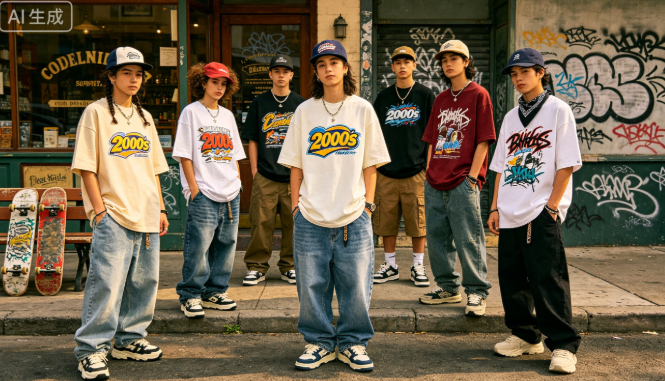
Streetwear has transcended its origins as a niche subcultural phenomenon to become a dominant force in global fashion. To understand its current trajectory, we must look at the landscape of streetwear before 2004—the era when the foundation was laid by skate culture, hip-hop, and limited-edition drops—and how those roots inform the massive, technology-driven market we see today.
Table of Contents
The Foundation: Understanding Streetwear Before 2004
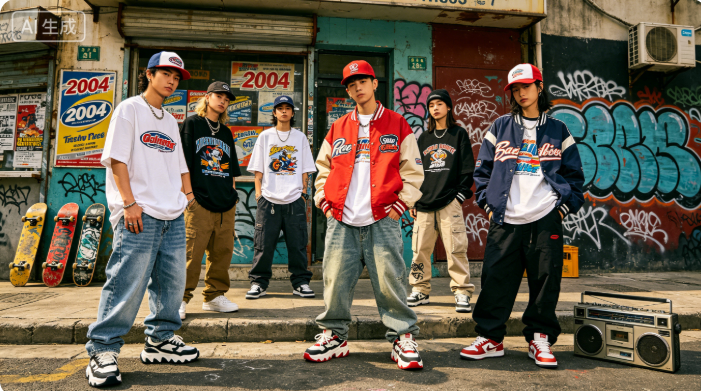
In the years leading up to 2004, streetwear was largely defined by exclusivity and authenticity. It was a “community-first” movement. Brands like Stüssy, Supreme, and early Japanese labels in Ura-Harajuku set the blueprint, focusing on limited availability, direct-to-consumer relationships, and deep cultural ties to music and art yokogaomag collater.
- Authenticity over Scale: Before 2004, the focus was on catering to local skate and hip-hop scenes rather than mass-market appeal.
- The Scarcity Model: Early pioneers perfected the “drop” model, creating artificial scarcity that built immense brand loyalty and set the stage for today’s complex resale market.
- Subcultural Roots: Streetwear was the uniform of subcultures, serving as a vehicle for social narrative rather than just fashion.
The aesthetic was characterized by oversized silhouettes, utilitarian workwear influences, and a strong emphasis on graphic-heavy T-shirts that signaled membership to a specific, informed group facebook. It was a world of “if you know, you know” (IYKYK), where the physical act of visiting a specific store in New York, Tokyo, or Los Angeles was a rite of passage scribd yokogaomag.
Market Dynamics: The Current State of Streetwear
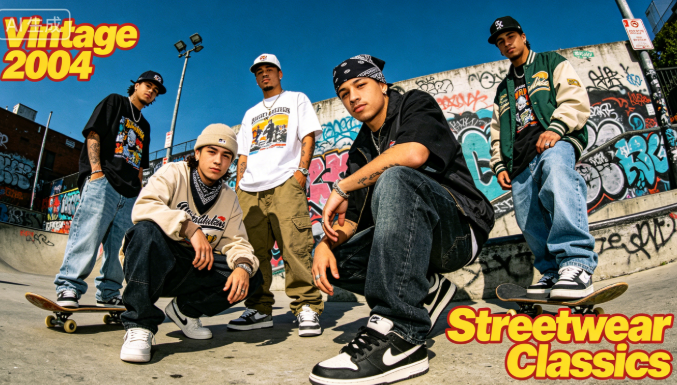
The global streetwear market has grown exponentially, evolving from a subcultural expression into a multi-billion dollar industry.
| Metric | Insight |
|---|---|
| Market Valuation (2025) | ~$371.09 Billion |
| Projected Growth (CAGR) | ~7.95% (2026-2034) |
| Dominant Region | Asia Pacific (36.33% share in 2025) |
Modern streetwear now operates at the intersection of high fashion, technology, and global supply chain efficiency. While the core DNA remains—the emphasis on individual expression and community—the scale of production has fundamentally shifted raceforum.
Key Drivers Shaping Modern Streetwear
Today’s landscape is defined by the convergence of heritage prestige and contemporary innovation.
The Role of Digital Accessibility and Sourcing
While the scarcity model remains, the barrier to entry for sourcing has lowered significantly. Platforms like LooperBuy now allow international brands to source Chinese manufacturing directly, bridging the gap between small-scale creativity and global supply chain efficiency. Modern digital networks enable real-time supply chain tuning, allowing brands to respond faster to shifting consumer habits than ever before.
Sustainability as a Core Mindset
Modern consumers are demanding transparency. Sustainability is no longer just a marketing buzzword; it is a core buying criterion for Gen Z, influencing everything from fabric choice to supply chain ethics. The fashion industry is currently under immense pressure to reduce its massive carbon footprint, with streetwear brands increasingly turning to organic materials and circular business models scribd.
Hyper-Personalization and Technological Integration
The shift toward customizable apparel—from color choices to custom prints—is a major trend, allowing brands to offer unique, tailored experiences. Technologies like 3D design and advanced printing (e.g., Direct-to-Garment printing) have revolutionized how brands develop and produce apparel at scale, moving away from mass-production toward mass-customization.
Expert Insight: Why Quality Still Matters
Despite the shift toward digital, the core demand remains: a hybrid of affordability and high-quality production. Brands that fail to prioritize material quality—such as heavyweight cottons—risk losing relevance. Leveraging global sourcing hubs allows brands to access premium textiles and advanced printing techniques at competitive costs, essential for maintaining the “street” aesthetic that customers expect yokogaomag.
The Strategic Shift: How Brands Scale Globally
The most successful brands today are those that master the balance between keeping their “cool” factor and maintaining logistical excellence. In the pre-2004 era, growth was organic and slow. Today, growth can be explosive if brands leverage the right partners.
- Direct Manufacturer Relationships: By cutting out unnecessary middle-men, brands can invest more in design and marketing.
- Logistical Precision: Reliable, cost-effective global shipping is no longer a “nice-to-have” but a requirement for customer satisfaction in the Amazon-prime era.
- Data-Driven Creativity: Using sales data to inform future drops allows brands to minimize waste—a win for both profitability and sustainability.
Strategic Recommendations for B2B Growth
To scale a brand in this competitive landscape:
- Optimize Supply Chains: Utilize platforms that offer direct access to manufacturers to control costs and quality without excessive middleman fees.
- Embrace Digital Retail: Integrate virtual tools (like virtual try-ons) to enhance the customer shopping experience.
- Focus on Community: Never lose sight of the brand’s cultural narrative, even as you scale globally. True streetwear success is built on genuine connection.
References
- Beyond Market Insights (2024). Streetwear Market Size and Trends
- Culture Studio (2024). Streetwear & Fashion Predictions for 2024
- Fortune Business Insights (2026). Streetwear Market Industry Analysis
- Global Textile Times (2025). Global Streetwear Movements
- Scrappy Apparel (2024). 2024 Streetwear Market Analysis
- Hypebeast / Strategy& (2024). Streetwear Impact Report
- Collater.al (2024). The Evolution of the Beastie Boys’ Style
- Museum at FIT (2024). History of early streetwear
Frequently Asked Questions (FAQ)
Q: How has the streetwear market changed since before 2004?
A: Before 2004, streetwear was a tight-knit subculture focused on local community and extreme scarcity. Today, it is a global, multi-billion dollar market driven by e-commerce, mass-market collaborations, and advanced digital retail tools.
Q: Why is the Asia Pacific region dominating the streetwear market?
A: Driven by rapid urbanization, a large young population, and strong cultural influence from K-pop, skateboarding, and hip-hop, countries like China, Japan, and South Korea have become epicenters for streetwear innovation.
Q: How can new streetwear brands maintain authenticity while scaling?
A: By focusing on high-quality materials, maintaining clear cultural narratives, and leveraging efficient global supply chains to keep products affordable without sacrificing the premium “street” feel.
Q: Is sustainability important in modern streetwear?
A: Absolutely. It is a critical buying mindset for Gen Z consumers, influencing supply chain choices and brand loyalty.
Q: What is the benefit of using a one-stop sourcing platform for streetwear?
A: Platforms like LooperBuy simplify the supply chain by connecting brands directly to manufacturers, providing access to competitive prices, diverse product categories, and efficient global logistics.
Article Summary:
This article explores the evolution of streetwear, contrasting the subcultural, community-driven landscape of streetwear before 2004 with the massive, technology-integrated global market of 2024. It covers essential market growth data, shifting consumer values like sustainability and personalization, and provides strategic insights for brands looking to leverage global supply chains to maintain quality and scale effectively.
Hot tags
- B2B streetwear manufacturing, bulk apparel sourcing, custom streetwear supplier, wholesale fashion dropshipping, global fashion supply chain, clothing sourcing platform, private label streetwear, streetwear production partner, ethical apparel manufacturing, B2B wholesale marketplace.