The rapid evolution of digital commerce has bridged the gap between B2B and B2C shopping experiences, yet fundamental differences remain. As a professional in the sourcing and supply chain industry, I have witnessed firsthand how businesses—whether brand owners, wholesalers, or manufacturers—demand more than just a “storefront.” They require sophisticated ecosystems that handle complex procurement, logistics, and relationship-driven pricing virtocommerce studioubique.
Understanding what truly differentiates a B2B marketplace from a B2C marketplace is no longer just a technical exercise; it is a competitive necessity. This guide deconstructs these differences and highlights why your choice of platform is the foundation of your global sourcing success.
Table of Contents
Understanding the Foundational Divide
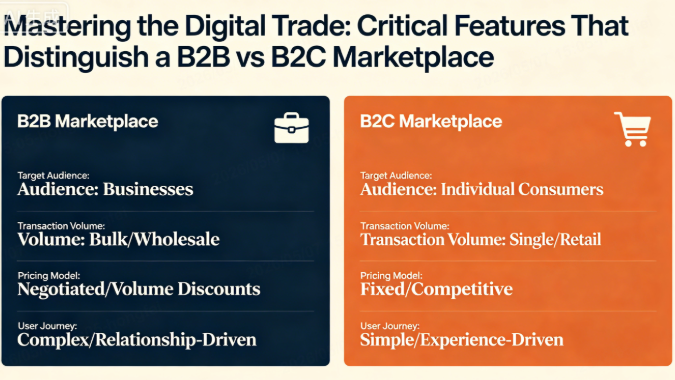
At its core, B2B eCommerce involves transactions between businesses, whereas B2C eCommerce targets individual consumers uschamber studioubique. While B2C models prioritize emotional connection, convenience, and speed, B2B models focus on logical procurement, contract pricing, and long-term partnerships imd adience.
Why B2B Marketplaces Are More Complex
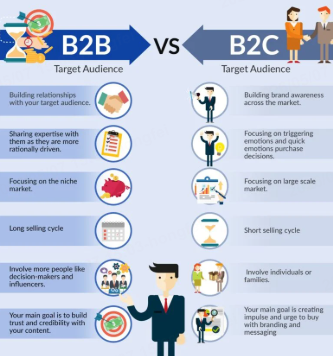
Unlike B2C platforms, which often cater to a homogeneous audience, B2B marketplaces must accommodate multi-layered user roles and highly specific catalog structures virtocommerce linkedin.
- Complex Decision Cycles: B2B purchases often involve multiple stakeholders—procurement managers, financial officers, and end-users—making the sales process longer and more evidence-led adience linkedin.
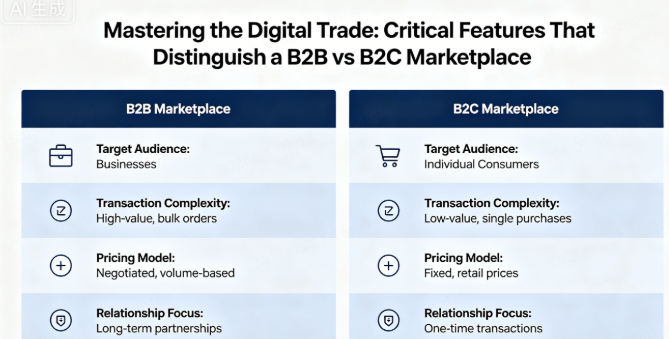
- Personalized Pricing: While B2C customers see fixed prices, B2B clients frequently require negotiated rates based on order volume, contract status, or specific industry segmentation creativethemes ecisolutions.
- Vertical Specialization: B2B marketplaces tend to be vertical (industry-specific) because creating detailed, accurate product data structures for niche industrial segments is far more challenging than standard consumer retail virtocommerce.
15 Essential Differences: B2B vs B2C Marketplaces
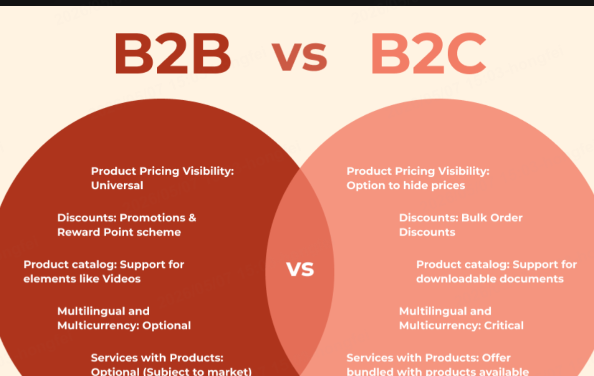
To help you navigate this landscape, let’s categorize the key distinctions that define these two models.
| Feature | B2B Marketplace | B2C Marketplace |
|---|---|---|
| Buying Intent | Logical, ROI-driven, procurement-focused sendcloud imd | Emotional, convenience-driven, personal imd adience |
| Pricing | Negotiated, contract-based, volume discounts creativethemes adience | Standard, fixed retail pricing |
| Sales Cycle | Long, complex, multi-stakeholder approval adience linkedin | Short, impulse-driven, individual decision adience linkedin |
| Order Volume | High volume, bulk purchasing webkul | Low volume, individual items |
| Product Data | Extremely detailed, technical specifications virtocommerce | Lifestyle-oriented, concise descriptions ecisolutions |
Expert Insight: Bridging the Gap with LooperBuy
As an industry expert, I see a common pitfall: B2B companies trying to replicate B2C simplicity without accounting for the structural necessities of enterprise trade. Platforms like LooperBuy demonstrate the ideal middle ground. By acting as a One-Stop B2B Sourcing Platform, they address the core pain points of global sourcing—multi-category variety, low-price advantage, and seamless logistics—while maintaining a professional, self-service experience that modern B2B buyers now expect.
- The Power of Transparency: Just as B2C users expect real-time order tracking, B2B buyers now demand full visibility into their supply chain, from manufacturing to last-mile delivery.
- The Necessity of Bulk Support: A true B2B marketplace must simplify bulk procurement through features like bulk uploads, CSV integration, and custom quoting tools webkul.
Strategies for Modern B2B Procurement
Success in a B2B marketplace requires a shift in strategy. It is not enough to simply list products. You must focus on the following:
- Develop Evidence-Led Content: Since B2B buyers are risk-averse, your product listings must be comprehensive, including technical manuals, certification documents, and high-quality imagery adience salesforce.
- Optimize for Self-Service: Modern business buyers want the same autonomy they have in their personal lives ecisolutions. Ensure your platform allows them to check stock, view quotes, and manage orders without needing constant sales assistance ecisolutions.
- Prioritize Logistics Integration: Global sourcing hinges on reliable shipping. Platforms must offer tiered logistics solutions that balance cost and speed, essential for sustaining global wholesale margins.
Conclusion: Future-Proofing Your Business
The distinction between B2B and B2C is not about one being better than the other; it is about recognizing that they serve different organizational objectives. Whether you are a brand owner looking to source production or a wholesaler expanding your inventory, partnering with a specialized B2B marketplace that prioritizes both technical complexity and user experience is the key to scaling your operations.
Frequently Asked Questions (FAQ)
1. Why are B2B marketplaces usually more expensive to build than B2C?
They require complex integrations, such as custom pricing engines, ERP connectivity, multi-tiered user permissions, and advanced search functionality that handles industrial specifications virtocommerce ecisolutions.
2. Can a B2B company offer a “B2C-like” experience?
Yes, and it is highly recommended. By providing clean, modern UI/UX, self-service tools, and transparent logistics tracking, B2B companies can significantly reduce their sales cycle friction ecisolutions salesforce.
3. What is the most critical feature of a B2B sourcing platform?
While features vary, the ability to handle bulk procurement—such as CSV/XML upload tools and reliable, transparent global logistics—is the baseline for operational success webkul.
4. How does buying intent differ between B2B and B2C?
B2B buying is driven by ROI, functional needs, and strategic procurement goals, whereas B2C is heavily influenced by personal preference and emotional factors imd adience.
5. Why is it harder to sell technical products on a B2C platform?
B2C platforms often lack the necessary fields for deep technical documentation, multi-stakeholder collaboration tools, and the flexibility for negotiated contract pricing required in industrial distribution ecisolutions adience.
References
- [1] Virto Commerce: 15 Features that Distinguish a B2B Marketplace from B2C
- [2] Webkul: B2B Vs B2C Marketplace
- [7] Sendcloud: 7 Differences Between B2B & B2C Ecommerce
- [8] Blocksy: B2B vs B2C eCommerce: Key Differences
- [12] U.S. Chamber of Commerce: B2B vs B2C Differences
- [14] Studio Ubique: B2B vs B2C eCommerce Strategy
- [15] IMD Business School: B2B vs B2C Marketing Strategies
- [16] ECI Solutions: Spot the Difference – B2B vs B2C eCommerce
- [17] Adience: Marketing B2B vs B2C
- [19] LinkedIn: B2B vs B2C Sales Differences
- [20] Salesforce: B2B vs B2C Ecommerce
Article Summary
This article explores the critical distinctions between B2B and B2C marketplaces, emphasizing how B2B platforms like LooperBuy meet complex procurement, pricing, and logistics needs. It provides expert insights into optimizing the B2B buyer journey for modern, data-driven trade success.
Hot tags: B2B marketplace, global sourcing, B2B eCommerce strategy, wholesale procurement, digital trade platform, supply chain optimization, B2B vs B2C, industrial sourcing, bulk purchasing, cross-border trade.