Table of Contents
The Significance of Global Shipping Logistics in Today’s Economy
Global shipping logistics serves as the backbone of international trade, enabling businesses to connect with customers across continents and facilitating the movement of goods on an unprecedented scale. In an era where markets are no longer confined by geographical boundaries, understanding and mastering global logistics is not just advantageous—it’s essential for businesses aiming to expand their reach and compete effectively on the world stage.
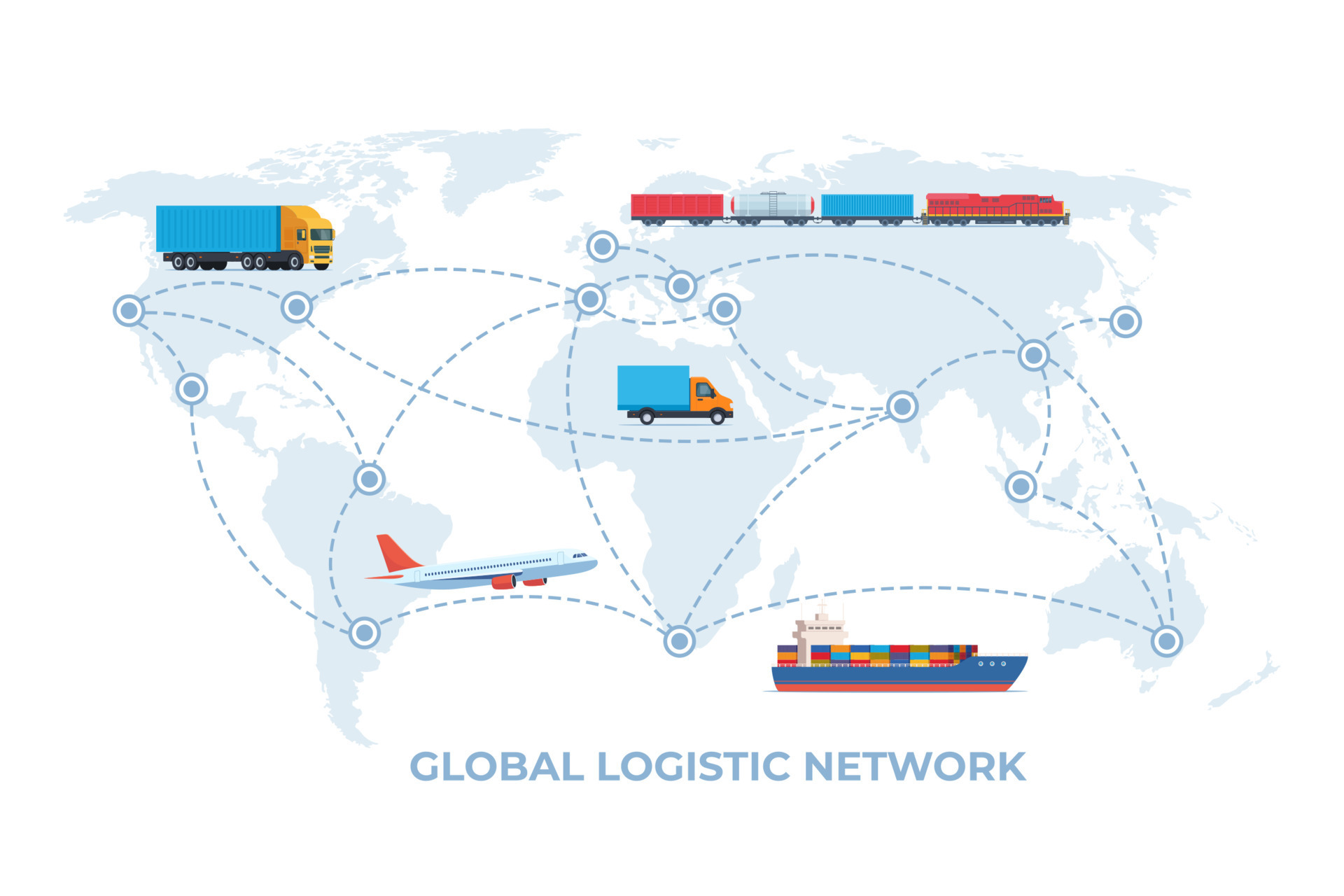
The global economy thrives on the efficient transfer of products from manufacturers to consumers, regardless of distance. This process involves a complex network of transportation modes, including maritime shipping, air freight, rail, and road transport, each playing a crucial role depending on factors like speed requirements, product type, and cost considerations.
Moreover, global logistics encompasses not just the physical movement of goods but also the intricate web of regulations, compliance requirements, and documentation that varies from one country to another. Navigating this complexity successfully can mean the difference between seamless operations and costly delays or penalties.
Core Components of Global Shipping Logistics
Transportation Modes and Their Applications
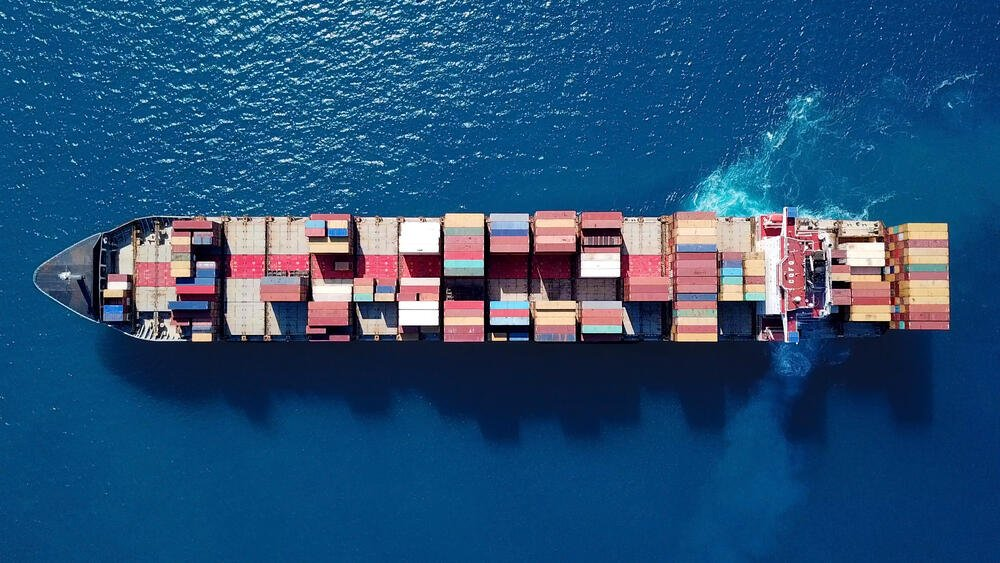
Maritime Shipping remains the workhorse of global trade, carrying the vast majority of goods due to its cost-effectiveness for large volumes and non-time-sensitive products. Container ships transport everything from raw materials to finished goods across oceans, with ports acting as critical hubs for loading, unloading, and customs clearance.
Air Freight, while significantly more expensive, offers unparalleled speed and is ideal for high-value, perishable, or time-sensitive items. It plays a vital role in industries such as pharmaceuticals, fashion, and technology where rapid delivery can be a competitive advantage.
Multimodal Transportation combines two or more modes of transport to leverage the strengths of each. For example, goods might travel by sea to a continental port and then by rail or truck to their final destination. This approach optimizes cost, speed, and efficiency, especially for complex supply chains spanning multiple regions.
Supply Chain Management and Coordination
Effective supply chain management in global logistics requires meticulous planning and coordination among various stakeholders. This includes manufacturers, suppliers, logistics providers, customs brokers, and retailers. Each link in the chain must communicate and align its activities to ensure smooth flow of goods.
Technology plays a pivotal role in this coordination. Advanced logistics management systems (LMS) and enterprise resource planning (ERP) software enable real-time tracking of shipments, inventory management across multiple locations, and data-driven decision-making. These tools provide visibility into the supply chain, allowing businesses to anticipate disruptions and respond proactively.
Customs and Compliance: Navigating International Regulations
One of the most challenging aspects of global shipping is dealing with the diverse customs regulations, tariffs, and documentation requirements of different countries. Non-compliance can lead to seized shipments, significant financial penalties, and damaged business reputations.
Businesses must invest in understanding the specific regulations of the countries they operate in. This includes knowing prohibited and restricted items, required certificates of origin, import/export licenses, and proper classification of goods using Harmonized System (HS) codes. Engaging the services of experienced customs brokers or freight forwarders can alleviate much of this complexity, as these professionals stay updated on regulatory changes and ensure documentation is accurate and complete.
Technological Innovations Revolutionizing Global Logistics
The Impact of Automation and AI
Automation and artificial intelligence (AI) are transforming how global logistics operations are conducted. Automated warehouse systems, such as robotic picking and packing, have increased efficiency and reduced error rates in handling inventory. AI algorithms are used for predictive analytics, forecasting demand, optimizing shipping routes, and even automating customer service through chatbots that provide real-time shipment tracking information.
Blockchain Technology is gaining traction in logistics for its ability to provide enhanced transparency and security in supply chain transactions. By creating an immutable ledger of all transactions and movements of goods, blockchain can reduce fraud, streamline documentation processes, and improve trust among supply chain partners.
Data Analytics and Decision-Making
The wealth of data generated through logistics operations is a powerful asset when harnessed effectively. Data analytics tools can process this information to reveal patterns, trends, and insights that drive strategic decisions. For example, analyzing shipping data might identify peak seasons for certain products, optimal shipping routes that reduce costs, or frequent points of delay in the supply chain.
Businesses that leverage data analytics can also enhance their customer service by offering more accurate delivery predictions, personalized shipping options, and timely updates. This data-driven approach fosters a competitive edge in a market where customer expectations for transparency and reliability are continually rising.
Overcoming Challenges in Global Shipping Logistics
Managing Costs While Ensuring Efficiency
Cost management in global logistics demands a delicate balance between minimizing expenses and maintaining service quality. Fluctuating fuel prices, shipping rates, and currency exchange rates can significantly impact logistics budgets. Implementing dynamic routing strategies that adapt to current pricing and conditions, consolidating shipments where possible, and negotiating favorable contracts with logistics providers are essential cost control measures.
Investing in technology that optimizes load planning and warehouse space utilization can also yield substantial savings. Additionally, businesses should regularly review their logistics networks to eliminate redundancies and ensure that operations are aligned with business goals and market dynamics.
Addressing Sustainability Concerns
The environmental impact of global shipping logistics has come under increasing scrutiny. Rising concerns about carbon emissions from transportation and the ecological footprint of logistics operations have prompted businesses to seek more sustainable practices.
Adopting eco-friendly transportation options, such as using biofuels, electric vehicles for local deliveries, and optimizing shipping routes to reduce fuel consumption, are steps in the right direction. Logistics providers are also exploring innovative packaging solutions that minimize waste and use recycled materials. For businesses, embracing sustainability not only contributes to environmental goals but can also enhance brand reputation and meet the expectations of environmentally conscious consumers.
Dealing with Geopolitical and Economic Uncertainties
Global logistics is inherently exposed to geopolitical tensions, trade wars, economic fluctuations, and natural disasters, all of which can disrupt supply chains. Businesses must develop risk management strategies that include diversifying suppliers and logistics partners across different regions to avoid over-dependency on a single source or route.
Establishing contingency plans, such as backup shipping routes, maintaining safety stock levels strategically positioned, and investing in supply chain flexibility, can help mitigate the impact of unexpected disruptions. Building strong relationships with logistics providers who have extensive networks and crisis management experience can also provide a buffer against such uncertainties.
Future Trends Shaping Global Shipping Logistics
The Rise of E-commerce and Its Logistics Demands
The rapid development of e-commerce continues to reshape global logistics. Consumers expect faster delivery times, free shipping and seamless returns, which requires logistics providers to constantly innovate. This has led to the expansion of last-mile delivery solutions, the emergence of micro-distribution centers close to urban customers, and the application of advanced technologies such as drone delivery pilot projects.
E-commerce logistics also places greater emphasis on reverse logistics—the process of handling returns and exchanges. Efficient management of this aspect is crucial for customer satisfaction and cost control in online retail.
Integration and Digitalization of Supply Chains
The future of global logistics lies in highly integrated and digitalized supply chains. As technology advances, we can expect greater connectivity between different logistics systems and stakeholders. Internet of Things (IoT) devices embedded in shipping containers and vehicles will provide real-time data on location, temperature, and condition, enabling more precise control over shipments.
Cloud-based platforms will further facilitate collaboration among supply chain partners, allowing for shared data access and synchronized operations. This integration will enhance agility, reduce delays, and create more responsive supply chains capable of adapting to market changes swiftly.
Conclusion
Mastering global shipping logistics is a multifaceted endeavor that requires businesses to understand and strategically manage transportation modes, supply chain coordination, regulatory compliance, technological innovations, and emerging challenges. By embracing advanced technologies, adopting sustainable practices, and building resilient supply chain networks, businesses can navigate the complexities of global logistics effectively. As the world continues to globalize and e-commerce expands, those who stay ahead of trends and continuously refine their logistics strategies will be best positioned to succeed in the competitive landscape of international trade.
If you want to enhance your drop shipping efficiency, directly connect with China Quality Inventory 1688 and enjoy high-quality factory prices for your products,you can use looperbuy, a one-stop purchasing-logistics solution:https://looperbuy.com/.
Related Questions & Answers
· How can small businesses compete with larger corporations in global logistics?
Small businesses can compete effectively by focusing on niche markets and specialized products that may be overlooked by larger competitors. Building strong relationships with reliable logistics partners who offer personalized service can help level the playing field. Leveraging technology to optimize operations and selecting logistics providers with competitive rates for their shipping volume can also enhance competitiveness. Additionally, emphasizing agility and personalized customer service can attract clients seeking more responsive and tailored solutions than those typically offered by larger corporations.
· What are the most common delays in global shipping and how can they be mitigated?
Common delays in global shipping often stem from customs clearance issues, inaccurate documentation, port congestion, weather conditions, and supplier delays. To mitigate these, ensure all shipping documents are accurate and complete before submission. Work with experienced customs brokers familiar with destination country regulations. Monitor port activity and select alternative routes if congestion is anticipated. Maintain buffer times in your logistics planning to account for unforeseen delays. Regular communication with suppliers to prevent production or shipping delays on their end is also crucial. Having contingency plans, such as backup logistics providers or inventory safety stocks, can further reduce the impact of disruptions.
· How does real-time tracking benefit global shipping operations?
Real-time tracking provides businesses with visibility into the location and status of shipments at any point during transit. This allows for better coordination of receiving and inventory management activities, reducing downtime and improving overall efficiency. It also enables proactive communication with customers, offering accurate delivery estimates and timely updates. Should issues arise, such as delays or route changes, businesses can respond swiftly to mitigate impacts. Real-time tracking data can be analyzed to identify patterns and optimize future shipping strategies, contributing to cost savings and enhanced customer satisfaction.
· What role does packaging play in global shipping success?
Proper packaging is critical in global shipping as it protects goods from damage during transit, which can involve handling, varying temperatures, and transportation across multiple modes. Inadequate packaging can lead to product spoilage, breakage, or loss, resulting in financial losses and dissatisfied customers. Packaging should be tailored to the product’s fragility, weight, and destination climate conditions. It should also comply with international regulations, such as using approved materials for certain countries. Sustainable packaging options not only reduce environmental impact but can also enhance a business’s eco-friendly image, appealing to increasingly environmentally-conscious consumers.
· Why is maintaining good relationships with logistics providers crucial?
Maintaining strong relationships with logistics providers ensures priority handling during peak shipping seasons or when disruptions occur. It facilitates more favorable negotiated rates and access to premium services that might not be available to casual clients. Logistics providers are more inclined to accommodate special requests and provide exceptional customer service to businesses they view as valued partners. Additionally, established relationships open doors to collaborative problem-solving and innovation, such as sharing best practices or early access to new technologies and services that can enhance your shipping operations. Over time, these relationships can evolve to offer more customized solutions aligned with your specific business needs.
Hot Tags: International Freight Forwarding; Global Supply Chain Management; Maritime Shipping Logistics; Air Cargo Services; Cross-Border E-commerce Logistics; Logistics Technology Solutions; Customs Brokerage Services; Sustainable Shipping Practices; Multimodal Transportation Systems