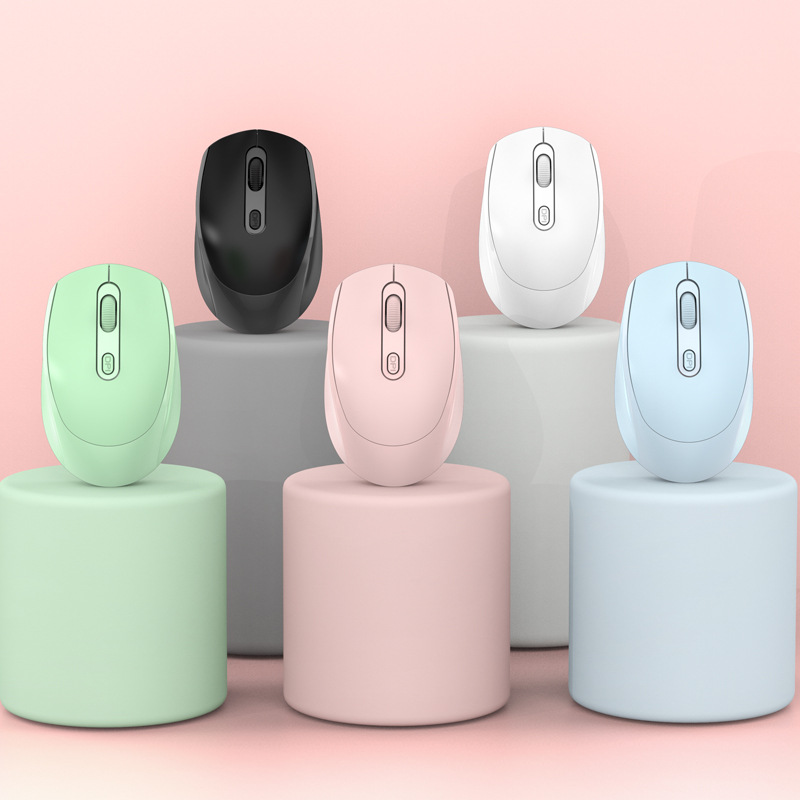
The modern digital landscape is defined by its constant hum, a background noise that many professionals and hobbyists have come to accept as an inescapable part of the workspace. However, as the boundaries between home and office blur and as deep focus becomes a rarer commodity, the auditory profile of our tools has taken center stage. Among these tools, the mouse remains perhaps the most tactile and frequently used peripheral, yet its constant rhythmic clicking is often a source of significant distraction. The rise of quiet computer mice represents more than just a niche preference for silence; it signifies a broader shift toward intentional workspace design, where acoustics are treated with the same importance as ergonomics and lighting. This evolution is not merely about dampening sound but about refining the mechanical interaction between humans and machines to foster a more harmonious environment for creativity and concentration.
Table of Contents
The Internal Engineering of Acoustic Dampening
To understand why a silent mouse is superior in specific contexts, one must first look at the traditional mechanical architecture of a computer peripheral. Standard mice typically utilize micro-switches that rely on a metal spring leaf. When pressed, this leaf snaps into place, creating a sharp audible click that provides both tactile feedback and an acoustic confirmation of the action. While this sensation is satisfying to many, it creates a high-frequency sound that carries easily across open rooms. Quiet computer mice, by contrast, utilize a different breed of switches often referred to as silent micro-switches or dampened switches. These components are engineered with a rubber or silicone dampener that absorbs the impact of the metal contact, transforming the sharp snap into a dull, barely perceptible thud that disappears into the ambient noise of a room.
Beyond the switches themselves, the internal chassis of the mouse plays a critical role in noise management. A hollow plastic shell can act as a resonance chamber, amplifying even the smallest vibrations into audible noise. High-quality quiet mice often feature more robust internal ribbing or sound-absorbing materials that minimize these echoes. Furthermore, the scroll wheel—another major source of noise—is often redesigned in these models. High-end silent mice frequently employ magnetic or optical scrolling mechanisms that eliminate the friction-based clicking of traditional wheels, allowing for a smooth, near-silent scrolling experience that feels premium rather than cheap. This holistic approach to engineering ensures that the mouse doesn’t just feel quiet but is built from the ground up to operate with a minimal acoustic footprint, ensuring that every movement remains a private interaction between the user and their software.
Psychological and Cognitive Impacts of Workspace Noise
The psychological impact of noise in the workplace cannot be overstated. Research into cognitive load suggests that sudden, repetitive sounds—like the clicking of a mouse—can trigger micro-distractions that pull the brain out of a state of deep concentration, often referred to as the flow state. For those engaged in intensive tasks such as coding, academic writing, or complex data analysis, these interruptions can accumulate over hours, leading to increased mental fatigue and a noticeable decrease in overall output. By integrating quiet computer mice into a professional setup, users can create a cone of silence that preserves their internal rhythm. This is particularly valuable in the age of hybrid work, where one’s office might be a shared dining table or a quiet library corner. In these spaces, the absence of noise is not just a personal benefit but a professional courtesy to those nearby.
Professional etiquette has also evolved alongside the technology. In open-plan offices, the symphony of a dozen people clicking simultaneously can create an undercurrent of stress. Transitioning to silent peripherals is a hallmark of the modern, considerate professional. It allows for seamless participation in meetings and collaborative sessions without the distracting backdrop of constant mechanical noise. Moreover, for content creators, podcasters, and those frequently on video calls, a quiet mouse is a technical necessity. High-sensitivity microphones often pick up the sharp clicks of a standard mouse, which can be jarring for an audience or colleagues on the other end of a digital call. A silent mouse ensures that the focus remains on the spoken word and the ideas being shared rather than the mechanical noise of the tools being used to present them.
Bridging the Gap Between Silence and Gaming Performance
For a long time, the gaming community viewed silent mice with skepticism, fearing that the dampening of the click would lead to mushy feedback or increased latency. Gamers rely on instantaneous response times and clear tactile confirmation to perform in high-stakes environments. However, recent advancements in switch technology have bridged this gap significantly. Modern gaming-oriented quiet computer mice now feature switches that maintain a crisp, tactile feel despite being nearly silent. Manufacturers have managed to preserve the physical sensation of a click through clever mechanical design while eliminating the acoustic byproduct. This allows gamers to enjoy intense sessions late at night without disturbing family members or roommates, effectively expanding the hours during which they can play without social friction.
Performance is no longer sacrificed for the sake of silence in the gaming world. High-end silent gaming mice are equipped with the same top-tier optical sensors found in their louder counterparts, offering high dots-per-inch sensitivity and impressive polling rates. These sensors ensure that every movement is tracked with pixel-perfect precision, which is vital for competitive shooters or real-time strategy games. Furthermore, the durability of these silent switches has improved, with many now rated for tens of millions of clicks, rivaling the lifespan of traditional mechanical switches. The result is a specialized class of peripherals that offers the best of both worlds: the stealth required for shared living spaces and the raw performance needed for elite-level gaming. This evolution has made silent mice a staple for the “night owl” gamer who values both high-level play and domestic harmony.
The Intersection of Ergonomics and User Comfort
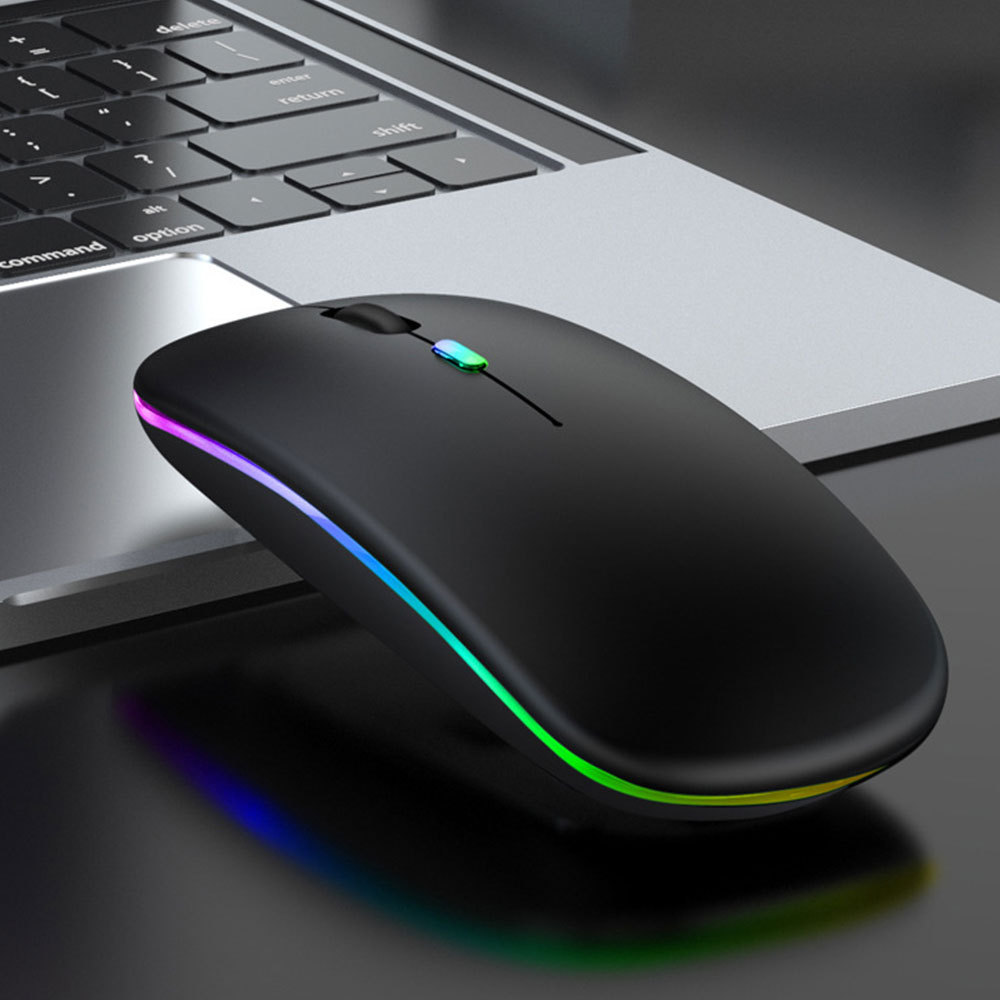
Choosing the right mouse requires a careful balance of several factors, starting with ergonomics. A quiet mouse is only truly effective if it is comfortable enough to use for eight or more hours a day. Users should consider their grip style—whether they prefer a palm, claw, or fingertip grip—and look for a mouse shape that supports their natural hand position. Some quiet computer mice are designed with a vertical orientation to reduce wrist strain and prevent repetitive strain injuries, while others focus on a low-profile, portable design for those who are constantly on the move. Weight is another critical consideration; while gamers often prefer ultra-lightweight mice for quick movements, office workers might prefer a slightly heavier mouse that feels more substantial and stable during precise design tasks.
The tactile experience of a silent mouse is also a key part of user comfort. Because the sound is muffled, the user becomes more attuned to the physical vibration of the click. This has led manufacturers to experiment with different surface materials, such as soft-touch coatings or rubberized side grips, which enhance the premium feel of the device. When the auditory distraction is removed, the quality of the materials and the smoothness of the glides on the bottom of the mouse become much more noticeable. A well-designed silent mouse should glide effortlessly across a mousepad, providing a fluid motion that complements its quiet operation. This attention to detail transforms the mouse from a simple utility into a refined instrument of digital navigation, making the act of computing feel more like a craft than a chore.
Connectivity and Practical Considerations for the Modern User
Connectivity is another major factor in the selection of quiet computer mice. Wireless technology has advanced to the point where latency is virtually undetectable, making wireless quiet mice the standard for most users. Look for devices that offer dual connectivity options, such as Bluetooth for tablets and laptops, alongside a 2.4GHz wireless connection via a USB dongle for desktop stability. This versatility allows a single mouse to serve as the primary input device for an entire ecosystem of hardware. Battery life is also paramount; many modern silent mice can last for months on a single charge of an internal lithium-ion battery or even utilize replaceable batteries for years of operation. The convenience of a long-lasting battery further reduces the maintenance burden in a user’s digital life.
Beyond connectivity, additional features like programmable buttons and multi-device switching can further enhance the efficiency gains provided by silent operation. The ability to map specific shortcuts to side buttons—such as back and forward for web browsing or undo for creative work—can significantly speed up workflows. Some high-end silent mice even allow the user to move their cursor seamlessly across multiple screens belonging to different computers, facilitating a level of multitasking that was once impossible. When these features are combined with silent clicking, the result is a tool that feels like a natural extension of the user’s hand and mind, operating quietly in the background to enable peak performance without interruption.
Acoustic Design as a Pillar of Digital Wellness
As we spend more of our lives in digital environments, the concept of digital wellness has expanded to include the physical and sensory impacts of our technology. High-frequency sounds and repetitive clicking contribute to a sensory overload that can increase stress levels over time. By consciously choosing quiet computer mice, individuals are taking a step toward a more mindful approach to their tech consumption. This trend mirrors the rise of noise-canceling headphones and minimalist workspace aesthetics, all of which aim to reduce the chaotic inputs of the modern world. A silent mouse is a small but meaningful contribution to a workspace that prioritizes human well-being over mechanical tradition, acknowledging that our environment profoundly shapes our mental state.
The future of peripheral acoustics looks even more promising. We are likely to see the integration of haptic feedback motors within mice, where the device provides a tiny, localized vibration directly to the user’s finger to simulate a click without making any external noise. This would allow for an even more tactile experience while maintaining total silence for anyone else in the room. Additionally, the use of sustainable and recycled materials in the construction of these mice is becoming more common, aligning the desire for a quiet workspace with the need for environmental responsibility. The quiet mouse is no longer a niche accessory; it is a fundamental component of a modern, thoughtful, and high-performing digital toolkit that respects both the user and their surroundings.

Conclusion
In conclusion, the transition to quiet computer mice represents a significant leap forward in the design of our daily digital environments. By addressing the often-overlooked element of sound, these devices enable a level of focus and professional courtesy that traditional peripherals simply cannot match. Whether you are a professional seeking to reclaim your concentration in a busy office, a gamer looking to play late into the night, or a student working in a quiet library, the benefits of a silent mouse are universal. The combination of advanced switch engineering, ergonomic design, and high-performance sensors ensures that choosing silence no longer means compromising on quality or speed. As we continue to refine our workspaces to meet the demands of a complex world, the quiet mouse will undoubtedly remain a cornerstone of a more peaceful and productive digital life. It is a testament to the idea that sometimes, the most powerful tools are the ones that make the least noise.
How to purchase:Online B2B sourcing platform, China purchase, Chinese suppliers – LooperBuy
Frequently Asked Questions
1. Are quiet computer mice durable?
Yes, modern silent switches are designed to last for millions of clicks, offering a lifespan comparable to standard mechanical mice through advanced dampening materials.
2. Do they feel different to click?
While they are much quieter, premium models maintain a tactile snap to ensure you still feel a physical response whenever you click.
3. Can I use them for competitive gaming?
Absolutely. High-end silent mice feature the same precision sensors and fast response times as traditional gaming mice, making them suitable for intense play.
4. How much noise reduction should I expect?
Most quiet mice reduce clicking noise by over 90%, turning a sharp snap into a soft thud that is barely audible to others.
5. Do they work on all operating systems?
Yes, quiet computer mice use standard USB or Bluetooth protocols, making them compatible with Windows, macOS, Linux, and even mobile platforms.
HOT TAG: Quiet Computer Mice, Silent Workspace, Focus and Productivity, Ergonomic Design, Noise Reduction Tech, Office Etiquette, Hybrid Work Tools, Stealth Gaming, Mechanical Switch Engineering, Minimalist Desk Setup, Digital Wellness, Soundless Input Devices, Precision Sensors, Professional Peripherals, Concentration Enhancing Gadgets, Late Night Gaming, Travel Friendly Tech, Acoustic Comfort, Modern Office Gear, Tactile Feedback Innovation, Silent Click Technology, Workspace Optimization, High Performance Peripherals, Sustainable Tech, User Centric Design