Modern smartphones are marvels of engineering, featuring expansive, high-resolution displays that serve as the primary window into our digital lives. Yet, this glass surface remains the most vulnerable component of any device. When you walk into a mobile carrier store, one of the first accessories recommended is a tempered glass screen protector. Many consumers wonder if these add-ons, particularly those branded or sold by retailers like T-Mobile, are a genuine necessity or merely an upsell. Understanding the functional value of these protectors requires looking beyond the marketing and examining how they actually interact with your device.
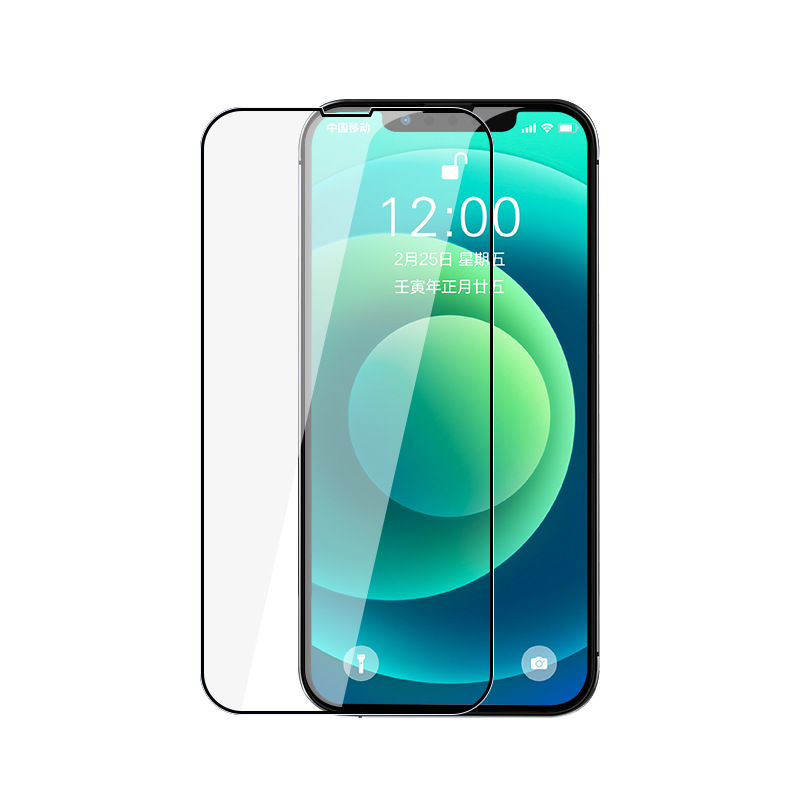
Table of Contents
The Engineering Behind Tempered Glass
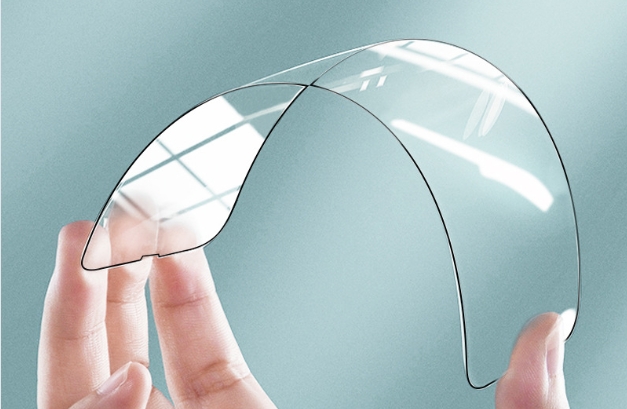
To grasp why these accessories are popular, it is essential to understand what makes them different from standard plastic film. Tempered glass undergoes a specific chemical or thermal treatment process that increases its strength compared to normal glass. This process results in a material that is not only harder but also designed to shatter safely upon high impact rather than creating dangerous, jagged shards. The manufacturing process involves heating the glass to extreme temperatures and then rapidly cooling it, creating high surface compression that helps the material withstand significant pressure.
Hardness and Scratch Resistance
The primary metric used to describe the durability of these protectors is the Mohs scale, often cited by manufacturers as 9H hardness. While this rating system is sometimes debated in its absolute accuracy regarding mobile accessories, it generally signifies that the material is highly resistant to scratches from everyday objects like keys, coins, and even some abrasive sands. When you apply a high-quality tempered glass protector, you are creating a sacrificial barrier between your screen and the world. If you accidentally scrape your phone against a rough surface, the protector takes the damage, leaving the expensive smartphone display pristine underneath. This scratch resistance is vital, as microscopic scratches on the original display can eventually grow into larger cracks when the phone is subjected to thermal expansion or pressure.
The User Experience Factor
Beyond protection, the tactile experience is a significant differentiator. Plastic film protectors often introduce a soft, sometimes rubbery feel that can hinder smooth finger gliding and affect the responsiveness of touch gestures. Tempered glass, however, closely mimics the texture and feel of the original phone screen. Because it is essentially glass, it maintains the premium smooth sensation that users expect, ensuring that swiping, typing, and gaming remain fluid and natural. Furthermore, high-end tempered glass often comes with an oleophobic coating, which helps to repel fingerprints and skin oils, keeping the screen clearer for longer periods and making it easier to wipe clean with a microfiber cloth.
Why Carrier-Sold Protectors Are Often Featured
When you visit a carrier store, staff frequently prioritize these specific accessories. This is partly due to the convenience of having an installation service available right at the point of purchase. Installing a screen protector perfectly—without bubbles, dust, or misalignment—can be a source of frustration for many users. The retail experience often includes professional application, which guarantees a seamless look and feel.
Convenience and Professional Application
The value proposition of purchasing a protector at a store often lies in the “peace of mind” package. If you struggle with the precision required for a bubble-free application, having a trained representative do it for you is an undeniable benefit. These representatives typically use specialized alignment frames or machines designed to ensure the protector sits perfectly centered on the display. Furthermore, these accessories are specifically curated to be compatible with the current inventory of phones, reducing the guesswork of whether a third-party protector will fit correctly with your specific phone case, especially for devices with curved edges or complex sensor housings.
Impact Protection in Real-World Scenarios
The ultimate test of any screen protector is how it handles a drop. While no screen protector can guarantee that a phone will never break, tempered glass is significantly more resilient than plastic film when it comes to absorbing kinetic energy. In the event of a drop on a hard surface, the energy of the impact can be dispersed throughout the protector. It is quite common for the protector to develop a crack or spider-web pattern upon impact, while the actual device screen remains completely intact. This is the definition of the product doing its job: sacrificing itself to save the significantly more expensive display beneath. Modern glass protectors are also designed with anti-shatter layers, which hold the pieces together even if the glass does crack, preventing loose shards from damaging your fingers or the screen underneath.
The Technological Evolution of Screen Protectors
As smartphones have evolved, so too has the technology behind screen protection. Modern displays now frequently feature ultrasonic or optical under-display fingerprint sensors. This has led to the development of specialized tempered glass that is thin enough to allow these sensors to function accurately. If you purchase an older or lower-quality protector, it may fail to register your fingerprint, or it may require you to press much harder than usual, which is frustrating and inefficient.
Clarity and Display Fidelity
Another important aspect is light transmission. High-quality tempered glass is designed to be optically clear, meaning it does not yellow over time or distort the vibrant colors and deep blacks of high-resolution OLED or AMOLED screens. If you have invested in a high-end smartphone with a beautiful display, you do not want to dull it with a poor-quality, hazy, or thick plastic layer. Modern glass protectors are engineered to provide maximum clarity, ensuring that your viewing experience remains just as sharp and colorful as the manufacturer intended.
Compatibility with Cases
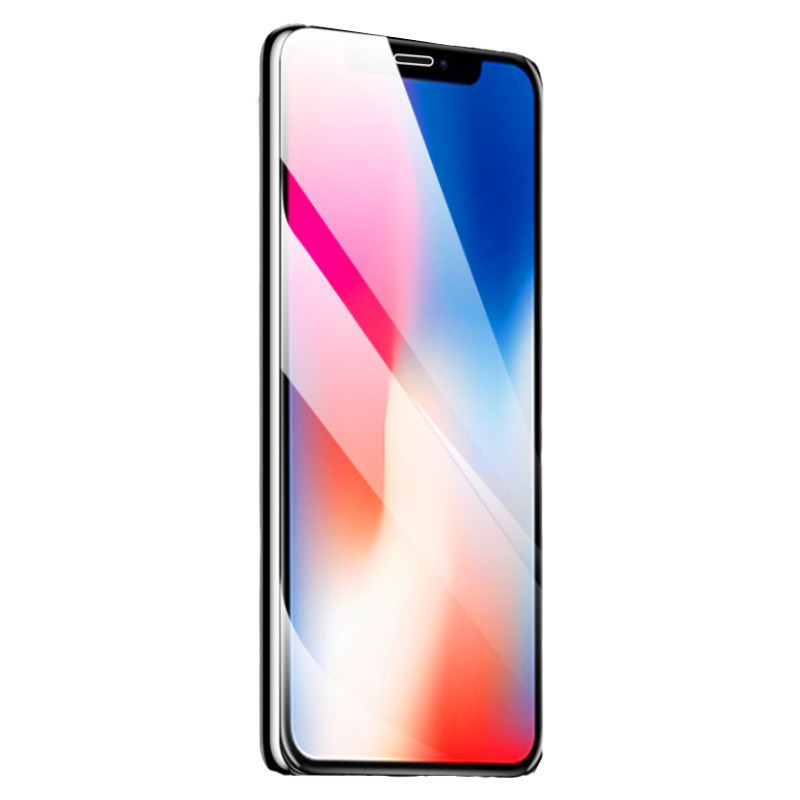
A common concern for many users is whether a tempered glass screen protector will push against the sides of a protective case, causing it to lift or bubble. Many retailers now carry “case-friendly” designs. These protectors are specifically cut slightly smaller or with beveled edges to ensure they do not interfere with the lip of a protective case. When you buy from a reputable carrier store, you are often purchasing a ecosystem of accessories that have been tested to work together, saving you the hassle of returns and exchanges.
Balancing the Costs and Benefits
Critics often argue that carrier-branded accessories carry a premium price tag compared to generic alternatives found on massive online marketplaces. It is true that you can often find cheaper options, but price is not the only metric for value. When evaluating whether an investment is “worth it,” one must consider the cost of screen replacement. Replacing the glass on a modern flagship smartphone can cost hundreds of dollars, potentially even requiring a total display assembly replacement if the digitizer or OLED layer is damaged.
Value Beyond the Price Tag
For many users, the cost of a high-quality tempered glass protector is a small fraction of the replacement cost of the screen itself. If the product prevents even one catastrophic screen break, it has effectively paid for itself several times over. Additionally, the improved aesthetics and the ability to maintain the resale value of the device are hidden benefits that should not be overlooked. A phone with a scratch-free screen commands a higher price on the secondary market than one with visible wear and tear. When you eventually decide to upgrade or trade in your phone, removing a pristine screen protector to reveal a factory-new display can significantly boost your trade-in value or resale price.
Long-Term Sustainability
In terms of sustainability, using a screen protector extends the life of your device. By protecting the glass, you are less likely to feel the need to upgrade your phone simply because the screen has become too damaged or ugly to look at. A device that remains in excellent condition is more likely to be kept longer, reducing electronic waste. Furthermore, many high-quality protectors come with lifetime warranties through the retailer or manufacturer, allowing you to swap out a worn or cracked protector for a fresh one, which is an ongoing value that is often ignored.
When Is It Not Worth It?
There are scenarios where an expensive protector might be less practical. If you are extremely careful with your device, always use a rugged, full-body case that provides a significant raised lip to protect the screen, and rarely expose your phone to harsh conditions, you might find that even the most basic protection suffices. Furthermore, some users find that ultra-thick tempered glass can interfere with certain cases or reduce the sensitivity of under-display fingerprint sensors, though modern advancements have largely mitigated these issues. For someone who changes phones every six months or uses the device only in very controlled environments, the extra layer of expense may feel unnecessary.
Conclusion
Ultimately, the decision to invest in a tempered glass screen protector comes down to personal usage patterns and risk tolerance. While it may seem like an additional expense, the combination of superior scratch resistance, a premium tactile feel, and the potential to save hundreds of dollars in repair costs makes it a highly recommended accessory for the vast majority of smartphone users. By choosing a quality product and ensuring proper installation, you are providing your device with a reliable safety net, allowing you to use your smartphone with greater confidence in your daily activities. Protecting your investment is not just about aesthetics; it is about ensuring your technology remains functional and visually appealing throughout its entire lifespan.
How to purchase:Online B2B sourcing platform, China purchase, Chinese suppliers – LooperBuy
Related Questions & Answers
· Does a tempered glass protector affect the sensitivity of my touch screen?
High-quality tempered glass is designed to be ultra-thin and highly conductive, meaning it should have almost zero impact on the responsiveness of your touchscreen. If you notice a decrease in sensitivity, it is usually because the protector is too thick or has not been installed properly.
· Can I remove a tempered glass protector if it cracks?
Yes, you can easily remove a cracked tempered glass protector. It is designed to be removed safely. Using a thin, flat object like a plastic card, you can gently pry one corner until the adhesive lifts, allowing you to peel the broken glass away without damaging the underlying screen.
· Are there different types of tempered glass for different phones?
Yes, screen protectors are precision-cut for specific phone models. They are designed to accommodate the exact dimensions, curves, and sensor cutouts of your device. It is crucial to buy one that is specifically labeled for your phone model to ensure a proper fit.
· Does a screen protector replace the need for a phone case?
No, a screen protector is not a replacement for a case. While it protects the glass display, it does not provide structural protection for the frame, back, or internal components of your phone. Using both a case and a screen protector is the best way to safeguard your device from drops and impacts.
· How long do tempered glass screen protectors last?
The lifespan of a tempered glass protector depends on how the phone is handled. If the phone is kept in a safe environment, the protector can last for years. However, if the protector develops cracks or scratches over time, it is recommended to replace it to ensure continued protection and optimal clarity.
Hot Tags: SmartphoneProtection; TemperedGlass; MobileAccessories; ScreenDurability; PhoneMaintenance; TechCare; GadgetSafety; ScreenCareTips; MobileEssentials; DisplayGuard; ImpactResistance; SmartphoneCare; DeviceLongevity; ScratchProtection; ScreenArmor; GorillaGlassSafety; AccessoryInvestment; MobileDeviceSecurity; UserExperience; TouchScreenOptimization; PhoneRepairPrevention; ScreenShielding; TacticalGlassSolutions; DigitalScreenPreservation; GadgetCareGuidelines; HighDefinitionDisplayProtection; MobileLifeEnhancement; ProtectiveLayerTechnology; SmartphoneDisplayInvestment; ScreenCareSolutions; DeviceUpkeepStrategy; PremiumScreenCovers; EverydayDeviceDefense; MobileScreenIntegrity; ScreenFilmVsGlass; TouchSensitivityRetention; PhoneCaseCompatibility; ProfessionalScreenInstallation; DurableMobileSolutions; DisplayClarityMaintenance; CrystalClearScreenProtection; AdvancedMaterialsScience; ScreenDamagePrevention; DailyMobileDefense; TechAccessoriesMarket; SmartGadgetCare; SmartphoneValueRetention; DisplaySafetyStandards; OpticalDisplayIntegrity; LongTermPhoneInvestment