Table of Contents
Understanding the Drop Shipping Business Model
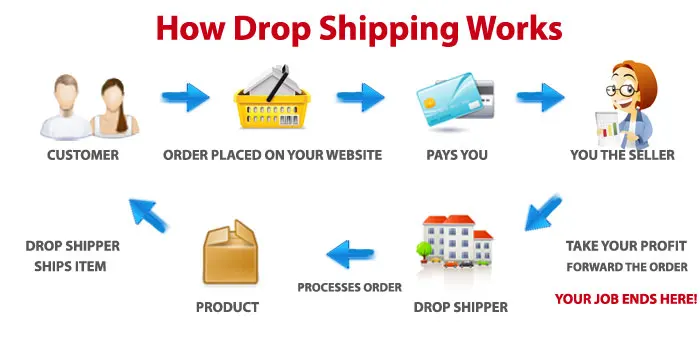
The drop shipping business model has gained significant popularity in recent years due to its low startup costs and flexibility. Unlike traditional retail models, drop shipping allows business owners to sell products without holding inventory. Instead, the products are shipped directly from the supplier to the customer. This model benefits entrepreneurs as it reduces the financial risk associated with unsold inventory and allows for the testing of various products with minimal initial investment.
One of the primary advantages of drop shipping is the reduced overhead costs. Since there is no need for warehousing or inventory management, entrepreneurs can focus their resources on marketing and customer acquisition. This makes it an attractive option for individuals looking to start an online business with limited capital. Additionally, the scalability of a drop shipping business is immense, as it can grow rapidly once a profitable product and marketing strategy are identified.
However, the drop shipping model also presents its own set of challenges. One of the main difficulties is finding reliable suppliers who can fulfill orders promptly and accurately. Poor supplier performance can lead to customer dissatisfaction and damage the reputation of your business. Another challenge is the competitive nature of the drop shipping market. With low barriers to entry, many entrepreneurs enter this space, making it essential to differentiate your business through exceptional customer service and effective marketing strategies.
Market Research and Niche Selection
Identifying Profitable Niche Markets
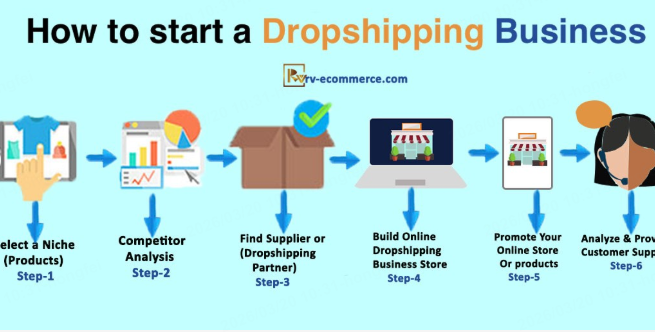
Conducting thorough market research is crucial when starting a drop shipping business. Identifying a profitable niche can significantly increase your chances of success. A niche market is a specific segment of a larger market with distinct characteristics and needs. By focusing on a niche, you can better understand your target audience and tailor your marketing efforts accordingly.
To identify a profitable niche, consider factors such as market size, competition, and growth potential. Look for niches with a substantial customer base but not overly saturated with competitors. Conducting keyword research can also provide insights into the demand for products within a particular niche. Tools like Google Keyword Planner and SEMrush can help you analyze search volumes and identify trending products.
Another approach to finding a niche is to explore your own interests and passions. Having a genuine interest in your chosen niche can make the business more enjoyable and sustainable in the long run. Additionally, personal experience and knowledge within a niche can give you a competitive edge when it comes to understanding customer needs and preferences.
Analyzing Competitors
Analyzing your competitors is an essential part of the market research process. By studying successful drop shipping businesses within your niche, you can gain valuable insights into their strategies and identify opportunities for differentiation. Look at their product offerings, pricing structures, marketing tactics, and customer service approaches.
Competitor analysis can be done through various methods such as reviewing their websites and social media presence, subscribing to their email newsletters, and even making test purchases. This will give you a firsthand experience of their customer journey and help you identify areas where you can improve upon.
Creating a SWOT analysis (Strengths, Weaknesses, Opportunities, and Threats) for your competitors can provide a comprehensive overview of their business and help you develop strategies to position your business effectively in the market.
Setting Up Your Drop Shipping Business
Choosing the Right E-commerce Platform
Selecting the appropriate e-commerce platform is a fundamental decision when setting up your drop shipping business. The platform you choose will serve as the foundation of your online store and impact various aspects of your business, including ease of use, customization options, and integration capabilities with third-party apps and services.
Some of the most popular e-commerce platforms for drop shipping include Shopify, WooCommerce, and BigCommerce. Shopify is known for its user-friendly interface, extensive app ecosystem, and built-in marketing tools, making it a popular choice for beginners. WooCommerce, on the other hand, offers greater flexibility and customization options as it is an open-source platform built on WordPress. BigCommerce provides a balance between ease of use and customization, with features tailored for mid to large-sized businesses.
When evaluating e-commerce platforms, consider factors such as setup fees, monthly subscription costs, transaction fees, and available payment gateways. Additionally, assess the platform’s scalability to ensure it can accommodate your business growth over time.
Setting Up Your Online Store
Once you have selected an e-commerce platform, the next step is to set up your online store. This involves several key tasks, including designing your store’s layout and user interface, creating product listings, and setting up payment and shipping options.
Your store’s design should reflect your brand identity and provide a seamless shopping experience for your customers. Choose a clean, professional template that is mobile-responsive, as a significant portion of online shopping traffic comes from mobile devices. Customize the template with your brand colors, logo, and typography to create a cohesive visual identity.
Creating compelling product listings is crucial for attracting customers and driving sales. Each product listing should include high-quality images, detailed descriptions, and clear pricing information. Use persuasive language to highlight the benefits and unique selling points of your products. Including customer reviews and ratings can also help build trust and credibility with potential buyers.
Setting up payment and shipping options is another critical aspect of your online store setup. Offer multiple payment methods to accommodate different customer preferences, such as credit/debit cards, PayPal, and other digital wallets. Clearly outline your shipping policies, including shipping costs, delivery times, and return/refund procedures. Providing accurate and transparent information helps manage customer expectations and reduces the likelihood of disputes.
Finding and Partnering with Suppliers
Finding Reliable Suppliers
Finding reliable suppliers is one of the most critical aspects of a successful drop shipping business. Your suppliers will be responsible for fulfilling customer orders, so their reliability, quality of products, and shipping times directly impact your business’s reputation.
There are several ways to find potential suppliers. Online marketplaces like AliExpress, Oberlo, and SaleHoo offer extensive directories of suppliers and products. These platforms provide valuable insights into supplier ratings, product reviews, and pricing information, making it easier to evaluate and select suitable partners.
Another approach is to attend trade shows and industry exhibitions. These events provide opportunities to meet suppliers face to face, assess their products firsthand, and establish personal connections. Networking with other business owners and industry professionals can also lead to supplier recommendations and partnerships.
Establishing Partnerships
Once you have identified potential suppliers, the next step is to establish partnerships and negotiate favorable terms. When reaching out to suppliers, clearly communicate your business requirements, including order volumes, pricing expectations, and shipping deadlines. Request product samples if possible to evaluate the quality of their products before committing to a partnership.
Most suppliers will require you to sign a Drop Shipping Agreement outlining the terms and conditions of your partnership. This agreement should cover aspects such as product pricing, order fulfillment procedures, return policies, and intellectual property rights. Carefully review the agreement and seek legal advice if necessary to ensure your interests are protected.
Building strong relationships with your suppliers is essential for long-term business success. Maintain open communication, provide feedback on product quality and customer feedback, and look for opportunities to collaborate on new product launches or marketing initiatives. A mutually beneficial partnership can lead to preferential treatment, such as priority shipping or exclusive product access, which can give your business a competitive advantage.
Marketing and Customer Acquisition
Developing a Marketing Strategy
An effective marketing strategy is vital for attracting customers to your drop shipping business. With numerous competitors in the market, standing out requires a well-planned and executed marketing approach. Your marketing strategy should encompass various channels and tactics tailored to your target audience.
Content marketing is a powerful way to establish authority and attract potential customers. Create valuable blog posts, video content, and social media updates related to your niche. Address common pain points, provide tips and advice, and showcase your products as solutions to your audience’s needs. Content marketing not only drives organic traffic to your website but also builds trust and credibility with your audience over time.
Social media marketing offers opportunities to engage directly with your target audience and promote your products. Platforms like Facebook, Instagram, and Pinterest are visual in nature and allow you to showcase your products through eye-catching images and videos. Utilize social media advertising tools to target specific demographics and interests, driving traffic to your online store and increasing conversion rates.
Email marketing remains one of the most effective customer acquisition and retention strategies. Collect email addresses through your website by offering incentives such as exclusive discounts or free resources. Build segmented email lists based on customer behavior and preferences, allowing you to send targeted and personalized campaigns. Regularly send promotional emails, product updates, and personalized recommendations to nurture leads and encourage repeat purchases.
Customer Acquisition and Retention
Acquiring customers in the drop shipping business requires a combination of effective marketing tactics and exceptional customer service. Offering attractive introductory offers, such as discounts or free shipping, can entice first-time customers to make a purchase. Limited-time offers and flash sales create a sense of urgency, prompting customers to take action quickly.
However, acquiring customers is just the first step. Retaining customers and encouraging repeat business is equally important for long-term success. Delivering exceptional customer service plays a crucial role in building customer loyalty. Respond promptly to customer inquiries, address concerns and issues efficiently, and go the extra mile to exceed customer expectations. A satisfied customer is more likely to become a repeat customer and even advocate for your brand through word-of-mouth referrals.
Implementing a loyalty program can also help incentivize repeat purchases. Offer rewards such as points for each purchase that can be redeemed for discounts or free products. Create a tiered loyalty program that rewards customers based on their purchase history, providing them with exclusive benefits and early access to new products as they advance through the tiers.
Managing Your Drop Shipping Business
Order Fulfillment and Inventory Management
Efficient order fulfillment and inventory management are essential for maintaining customer satisfaction and operational efficiency in a drop shipping business. Since you do not hold physical inventory, it is crucial to establish a seamless order processing system with your suppliers.
When an order is placed on your online store, it should be automatically transmitted to your supplier for fulfillment. Most e-commerce platforms offer integration with drop shipping apps and suppliers, automating this process and reducing the likelihood of errors. Set up order notifications to stay informed about the status of each order and promptly address any issues that may arise, such as product unavailability or shipping delays.
While you do not manage physical inventory, monitoring your suppliers’ stock levels is still important. Some suppliers provide inventory APIs or plugins that allow you to track product availability in real-time. This helps prevent situations where customers order products that are out of stock, leading to order cancellations and dissatisfied customers. Regularly communicate with your suppliers to ensure they keep you updated on any stock changes or product discontinuations.
Customer Service Excellence
Providing excellent customer service is paramount in the drop shipping business. Since customers do not interact with a physical store or employees, their perception of your business is shaped largely by their customer service experience. Responding promptly to customer inquiries, providing accurate information, and resolving issues efficiently can significantly enhance customer satisfaction and loyalty.
Set up multiple customer service channels to accommodate different customer preferences. Email support should be prompt and professional, with a maximum response time clearly communicated to customers. Live chat support offers real-time assistance and can help address customer concerns before they escalate. Social media customer service enables you to engage with customers where they are already active, quickly addressing issues and complaints in a public forum.
Training your customer service team (if applicable) or ensuring you have a solid understanding of your products, suppliers, and order fulfillment process is essential for providing accurate and helpful responses. Regularly review customer feedback and complaints to identify areas for improvement and implement necessary changes to enhance the overall customer experience.
Conclusion
Starting a drop shipping business offers an exciting opportunity to enter the e-commerce space with relatively low startup costs and minimal financial risk. By conducting thorough market research, selecting a profitable niche, setting up a professional online store, finding reliable suppliers, and implementing effective marketing strategies, you can build a successful drop shipping business. Remember that success in this model requires dedication, adaptability, and a customer-centric approach. Continuously evaluate and refine your business operations to stay ahead of competitors and meet the evolving needs of your customers.
If you want to enhance your drop shipping efficiency further by connecting directly with high-quality suppliers on platforms like 1688 and simplifying international logistics,you can use looperbuy, a one-stop purchasing-logistics solution:https://looperbuy.com/.
Related Questions & Answers
· What are the most common mistakes beginners make when starting a drop shipping business?
Beginners often make several common mistakes when starting a drop shipping business. One of the primary mistakes is failing to conduct adequate market research, leading to the selection of a niche with low demand or excessive competition. Another common error is not thoroughly vetting suppliers before establishing partnerships, resulting in unreliable order fulfillment and dissatisfied customers. Additionally, newcomers may overlook the importance of a well-designed website and user experience, creating barriers to customer conversion. Neglecting customer service and failing to implement effective marketing strategies are also significant pitfalls that can hinder business growth and success.
· How can I find reliable suppliers for my drop shipping business?
Finding reliable suppliers is crucial for the success of your drop shipping business. You can start by exploring online marketplaces such as AliExpress, Oberlo, and SaleHoo, which offer extensive directories of suppliers and valuable ratings and reviews. Attending trade shows and industry exhibitions provides opportunities to meet suppliers in person and assess their products directly. Networking with other entrepreneurs and industry professionals can also lead to reliable supplier recommendations. Once you have identified potential suppliers, evaluate their product quality, shipping times, and customer service before finalizing partnerships. Requesting product samples and reviewing supplier agreements carefully are additional steps to ensure reliability and compatibility with your business needs.
· What marketing strategies are most effective for a drop shipping business?
Several marketing strategies can prove effective for a drop shipping business. Content marketing helps establish authority and attracts organic traffic through valuable blog posts, videos, and social media content. Social media marketing enables direct engagement with your target audience and promotes your products through visually appealing posts and targeted advertisements. Email marketing remains a powerful tool for building relationships with potential and existing customers, allowing you to send personalized promotions and updates. Paid advertising campaigns on platforms like Google Ads and social media can drive targeted traffic to your online store and generate sales. Additionally, leveraging customer reviews and testimonials, implementing influencer collaborations, and utilizing retargeting strategies can further enhance your marketing efforts and increase conversion rates.
· How do I handle customer service in a drop shipping business?
Handling customer service effectively is essential for maintaining customer satisfaction and loyalty. Set up multiple customer service channels such as email, live chat, and social media to provide convenient support options for your customers. Respond promptly to inquiries, aiming for a maximum response time of 24-48 hours for emails and quicker responses for live chat and social media messages. Stay informed about your suppliers’ order fulfillment processes to accurately address customer concerns regarding shipping times and product availability. If issues arise, communicate transparently with customers and offer solutions such as order tracking assistance, replacements, or refunds when appropriate. Regularly review customer feedback to identify areas for improvement and implement necessary changes to enhance the overall customer experience.
· What tools and software are recommended for managing a drop shipping business?
Several tools and software can help streamline the management of a drop shipping business. E-commerce platforms like Shopify, WooCommerce, and BigCommerce provide the foundation for setting up and managing your online store. Drop shipping apps such as Oberlo, SaleHoo, and Spocket facilitate product sourcing and order fulfillment automation. Inventory management tools like TradeGecko and DEAR Inventory help track product availability and manage stock levels across multiple suppliers. Marketing automation tools such as Klaviyo and Mailchimp assist with email campaigns and customer segmentation. Social media management tools like Hootsuite and Buffer enable efficient content scheduling and audience engagement. Additionally, accounting software like QuickBooks or Xero helps track expenses, manage invoices, and generate financial reports for your business.
Hot Tags: Drop Shipping Business Model; E-commerce Entrepreneurship; Online Store Setup; Supplier Partnerships; Drop Shipping Marketing; Customer Acquisition Strategies; Inventory Management Systems; Drop Shipping Apps; Entrepreneurial Success Stories