Table of Contents
The Critical Role of Drop Shipping Suppliers in E-commerce Success
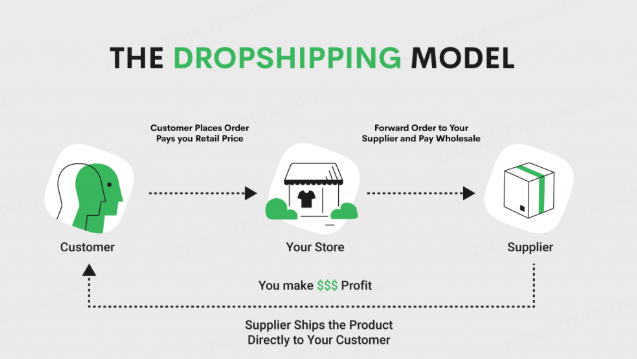
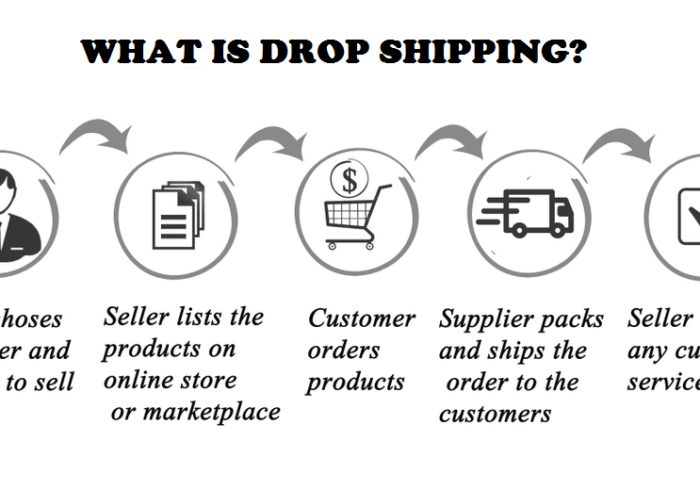
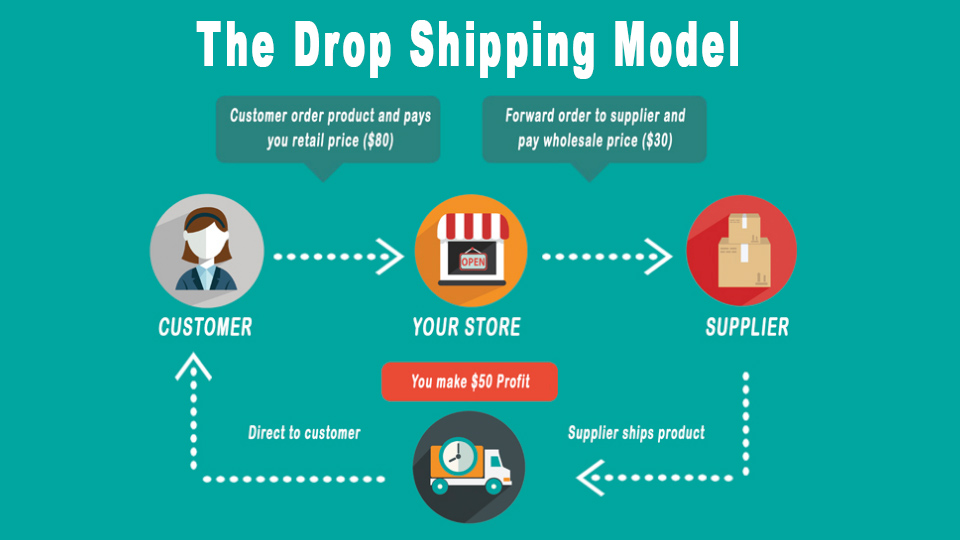
In the fast-paced world of e-commerce, drop shipping suppliers serve as the backbone of countless online businesses. These suppliers are responsible for storing, packaging, and shipping products directly to customers on behalf of the business owner. The success of a drop shipping business hinges largely on the reliability, efficiency, and product quality offered by these suppliers. A good supplier can lead to satisfied customers, repeat business, and positive reviews, while a bad one can result in delays, damaged goods, and a damaged reputation.
Finding the right drop shipping supplier requires careful research and consideration. With numerous options available in the market, it is essential to identify suppliers who align with your business goals, product requirements, and target market. This involves evaluating various factors such as product quality, pricing, shipping times, customer service, and reliability.
Identifying Potential Drop Shipping Suppliers
Online Marketplaces and Directories
One of the most common ways to find drop shipping suppliers is through online marketplaces and directories. These platforms aggregate a wide range of suppliers, making it easier for businesses to compare options and find the right fit. AliExpress, SaleHoo, and Spocket are well-known platforms that offer extensive supplier directories across various product categories.
When using these marketplaces, it is important to look beyond just the initial listings. Take time to read supplier reviews and ratings from other business owners. This can provide valuable insights into the supplier’s reliability, product quality, and customer service. Additionally, check if the supplier has any certifications or affiliations with recognized organizations, as this can be an indicator of their credibility and commitment to industry standards.
Trade Shows and Industry Events
Attending trade shows and industry events is another effective way to discover potential drop shipping suppliers. These events bring together suppliers, manufacturers, and wholesalers from different sectors, providing a unique opportunity to network, evaluate products firsthand, and establish personal connections.
At trade shows, you can interact directly with supplier representatives, ask questions about their operations, and even request product samples. This personal interaction can help you assess their professionalism, responsiveness, and suitability for your business. Many trade shows also feature educational seminars and workshops where you can learn about industry trends and best practices for working with suppliers.
Supplier Recommendations and Networking
Leveraging recommendations from other business owners and industry professionals can lead you to reliable drop shipping suppliers. Joining e-commerce forums, online communities, and social media groups related to drop shipping can connect you with experienced entrepreneurs who may be willing to share their trusted supplier contacts.
Networking with peers in your industry can also open doors to supplier partnerships that you might not have discovered otherwise. When seeking recommendations, be specific about your product requirements, target market, and business goals to ensure that the suppliers suggested are a good match for your needs.

Evaluating and Selecting the Right Supplier
Assessing Product Quality and Range
Once you have identified potential suppliers, the next step is to evaluate their product quality and range. Request product samples to physically examine the items you plan to sell. This allows you to assess factors such as build quality, material composition, and overall craftsmanship.
In addition to product quality, consider the supplier’s product range and variety. A supplier who offers a diverse range of products can provide you with more options to meet the needs of your target market. They may also be able to introduce new and trending products that can help you stay competitive in the market.
Pricing Structure and Profit Margins
Analyzing the supplier’s pricing structure is crucial for determining your potential profit margins. Request detailed price lists and compare them with other suppliers to ensure you are getting competitive rates. However, it is important not to base your decision solely on the lowest price.
Consider the overall value provided by the supplier, including factors such as product quality, shipping costs, and additional services. A slightly higher price may be justified if the supplier offers superior products and reliable shipping, which can lead to higher customer satisfaction and repeat business.
Shipping and Logistics Capabilities
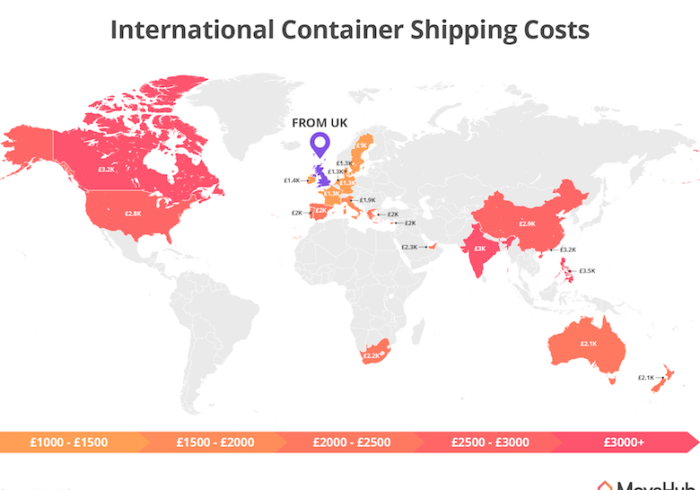
Evaluate the supplier’s shipping and logistics capabilities to ensure timely and reliable delivery of products to your customers. Inquire about their shipping methods, average delivery times, and shipping costs. Some suppliers may offer international shipping options, which is important if you plan to target a global market.
Additionally, find out how the supplier handles shipping errors or delays. A good supplier should have a clear process for addressing such issues and be willing to work with you to resolve them promptly. Consider suppliers who provide real-time shipping tracking information, as this can enhance transparency and improve the customer experience.
Building and Maintaining Supplier Relationships
Communication and Transparency
Effective communication is the foundation of any successful business relationship. Establish clear and open lines of communication with your supplier from the beginning. Set expectations regarding response times, order processing procedures, and any changes in your business requirements.
Regularly update your supplier on your business growth and any shifts in market trends that may affect your product needs. This transparency can help the supplier better support your business and adapt to changing circumstances.
Collaboration and Feedback
Collaborate with your supplier to explore opportunities for product improvement, new product developments, and marketing initiatives. Share customer feedback and sales data with your supplier, as this can provide valuable insights for them to enhance their products and services.
Suppliers who are open to collaboration and willing to act on feedback are more likely to be invested in your business success. This partnership approach can lead to a more responsive supply chain and a competitive edge in the market.
Conclusion
Finding reliable drop shipping suppliers is a pivotal step in building a successful e-commerce business. By identifying potential suppliers through various channels, thoroughly evaluating their capabilities, and nurturing strong relationships, you can establish a supply chain that supports your business growth and customer satisfaction. Remember that the journey of finding the perfect supplier may require patience and persistence, but the rewards of a reliable partnership are well worth the effort.
If you want to secure factory-direct sourcing with real-time logistics tracking, you can use Looperbuy, a one-stop purchasing-logistics solution: https://looperbuy.com/.
Related Questions & Answers
· What are the key indicators of a reliable drop shipping supplier?
Reliable drop shipping suppliers exhibit several key indicators, including consistent product quality, punctual shipping times, transparent communication, and responsive customer service. They should provide accurate product descriptions and images, and be willing to resolve issues promptly if products arrive damaged or defective. Additionally, reliable suppliers often have positive reviews and ratings from other business owners, and may offer certifications or affiliations that validate their credibility in the industry.
· How can I negotiate better pricing with my drop shipping supplier?
Negotiating better pricing with your drop shipping supplier involves several strategies. Start by building a strong relationship with the supplier, demonstrating your commitment to a long-term partnership. Provide data on your sales volume and growth projections to illustrate your potential as a valuable customer. Ask for volume discounts or bulk purchasing agreements, and inquire about any available loyalty programs or seasonal promotions. Being prepared to walk away if the supplier is unwilling to negotiate can also strengthen your bargaining position, as suppliers often prefer to retain customers rather than lose them over pricing disputes.
· What steps can I take to ensure product quality when working with international suppliers?
Working with international suppliers requires additional measures to ensure product quality. Request multiple product samples before committing to a partnership, and conduct thorough inspections of these samples. Consider hiring a third-party quality inspection service to evaluate products at the supplier’s facility before they are shipped to customers. Establish clear quality standards and expectations in your supplier agreements, outlining acceptable tolerances and procedures for addressing
Hot Tags: Drop Shipping Wholesalers; Reliable Supplier Directories; E-commerce Supply Chain; Supplier Relationship Management; Product Sourcing Strategies; Drop Shipping Logistics; Supplier Communication Best Practices; Wholesale Product Quality; Cost-Effective Supplier Partnerships