Table of Contents
Introduction: Beyond the Basic Definition
Dropshipping is often simplified as “selling products without inventory,” but this definition barely scratches the surface of its transformative impact on global commerce. From ancient trade routes to AI-driven logistics, dropshipping has evolved into a complex ecosystem blending technology, ethics, and economic theory. This article redefines dropshipping by exploring its historical roots, modern-day implications, and future potential, offering a fresh lens for entrepreneurs, economists, and policymakers.
Historical Context: The Origins of Dropshipping
Pre-Industrial Age
- Silk Road Intermediaries: Merchants in 200 BCE acted as middlemen, connecting Asian silk producers with European buyers without handling goods.
- Colonial Trading Posts: Dutch East India Company (1602) used a proto-dropshipping model, selling spices sourced directly from Asian farmers to European markets.
20th-Century Catalogs
- Sears Roebuck (1892): The “Wish Book” allowed customers to order items shipped directly from manufacturers, bypassing Sears’ warehouses.
- Mail-Order Boom: By 1950, 40% of U.S. households shopped via catalog dropshipping.
Dropshipping Redefined: A Modern Framework
Core Principles
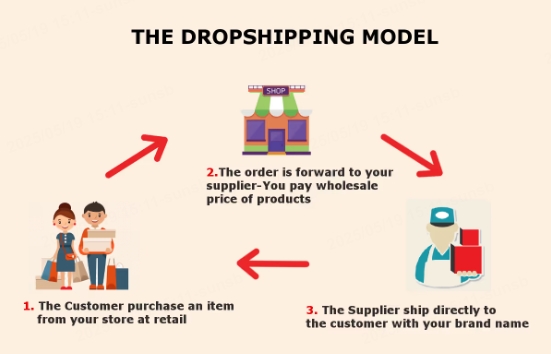
- Inventory-Light Retail: Retailers avoid stock ownership, transferring storage and shipping responsibilities to suppliers.
- Triangular Transaction: Three parties—customer, retailer, supplier—interact via digital platforms.
Key Variations
- Classic Dropshipping: Retailers list third-party products (e.g., AliExpress items on Shopify).
- White Label Dropshipping: Generic products rebranded as the retailer’s own (e.g., private-label supplements).
- Hybrid Models: Mix of stocked and dropshipped items to balance risk and control.
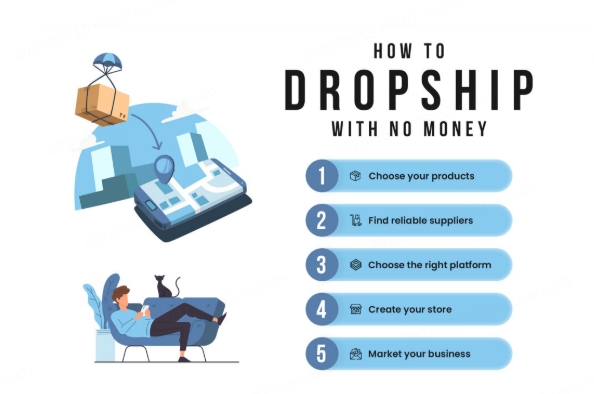
Economic Impact: Disruption and Controversy
Market Democratization
- Low Barriers to Entry: 50–500 can launch a store, enabling micro-entrepreneurship in developing nations.
- Global Supply Chain Access: A Kenyan retailer can sell German-made tech gadgets without import licenses.
Ethical Dilemmas
- Environmental Costs: 35% of returned dropshipped items end up in landfills due to high reverse logistics costs.
- Labor Exploitation: Suppliers in low-wage regions often bypass labor laws to meet aggressive pricing demands.
Macroeconomic Effects
- Trade Imbalances: Dropshipping amplifies reliance on Chinese manufacturing, contributing to the U.S.-China trade deficit.
- Tax Evasion: 20% of cross-border dropshippers underreport sales to avoid VAT/GST obligations.
Legal and Regulatory Landscape
Consumer Protection
- EU’s GDPR: Requires transparent data sharing between suppliers, retailers, and logistics partners.
- U.S. FTC Guidelines: Mandate clear return policies and delivery time disclosures.
Intellectual Property Battles
- Counterfeit Epidemic: 22% of Amazon dropshipped electronics are fake, per the Global Brand Counterfeiting Report 2023.
- Platform Liability: Ongoing lawsuits question whether marketplaces like eBay should vet third-party dropshippers.
Technological Innovations Reshaping Dropshipping
AI and Automation
- Dynamic Pricing Tools: Algorithms adjust prices based on competitor rates, demand, and supplier costs.
- ChatGPT Store Assistants: AI handles customer inquiries, order tracking, and dispute resolution.
Blockchain for Transparency
- Provenance Tracking: IBM’s Food Trust blockchain is adapted to verify ethical sourcing in apparel dropshipping.
- Smart Contracts: Automate payments to suppliers upon delivery confirmation, reducing fraud.
Decentralized Marketplaces
- Web3 Platforms: Sites like Boson Protocol enable peer-to-peer dropshipping without centralized intermediaries.
Cultural Shifts and Consumer Behavior
The TikTok Effect
- Viral Dropshipping: Products like “portable neck fans” gain overnight popularity, causing supply chain chaos.
- Micro-Influencer Partnerships: Nano-influencers (1k–10k followers) earn commissions promoting niche dropshipped goods.
Sustainability Demands
- Eco-Conscious Dropshipping: Brands like EarthHero curate suppliers with carbon-neutral shipping and biodegradable packaging.
- Circular Economy Models: Platforms like Loop facilitate returns and reuse of dropshipped packaging.
The Future of Dropshipping: 2030 and Beyond
AI-Powered Autonomous Stores
- Self-Optimizing Inventories: Stores auto-add/remove products based on real-time social media trends.
- Predictive Dropshipping: Anticipate regional demand spikes (e.g., umbrellas before a hurricane) and pre-position suppliers.
Space Commerce
- Orbital Warehouses: SpaceX’s Starship could host low-Earth orbit storage hubs for global 30-minute deliveries.
Ethical Reckoning
- Fair Trade Dropshipping Certifications: New standards to audit supplier wages and environmental practices.
- B Corp Dropshippers: Emergence of platforms prioritizing profit, people, and planet equally.
Conclusion
Dropshipping is not merely a retail tactic—it’s a socioeconomic force reshaping globalization, labor, and sustainability. While it empowers entrepreneurs and consumers, its unchecked growth risks environmental harm and market instability. The future demands a balanced approach: leveraging AI and blockchain for efficiency while enforcing ethical frameworks to ensure equitable growth.
If you want to enjoy the full-process transfer logistics service and ensure that your goods are easily delivered to overseas addresses,you can use looperbuy, a one-stop purchasing-logistics solution:https://looperbuy.com/
Related Questions & Answers
· Is dropshipping legal in all countries?
Yes, but compliance with local consumer laws (e.g., EU’s 14-day return policy) and tax regulations is mandatory.
· Can I dropship products I design myself?
Yes through white-label manufacturers, but ensure they respect intellectual property laws in your target markets.
· How do I handle customs fees in international dropshipping?
Use Delivered Duty Paid (DDP) shipping or clearly inform customers about potential import taxes.
· Are there niches where dropshipping is banned?
Yes. Firearms, prescription drugs, and hazardous materials are prohibited on most platforms.
· What percentage of e-commerce is dropshipping?
Approximately 33% of global online sellers use dropshipping for at least one product line.
Hot Tags: Dropshipping Business Model; Ethical Supply Chain Management; AI-Powered Retail; Blockchain Transparency; White Label Dropshipping; Global Trade Regulations; TikTok Viral Marketing; Sustainable E-commerce; Decentralized Marketplaces.