Table of Contents
Introduction to Drop Shipping

In the ever-evolving world of e-commerce, drop shipping has emerged as a popular business model for aspiring entrepreneurs. This model allows individuals to sell products without holding any inventory, making it an attractive option for those looking to start an online business with minimal upfront investment. However, success in drop shipping requires more than just setting up a website and listing products. It necessitates a deep understanding of the market, effective marketing strategies, and the right educational resources. This is where the best drop shipping courses come into play.
What is Drop Shipping?
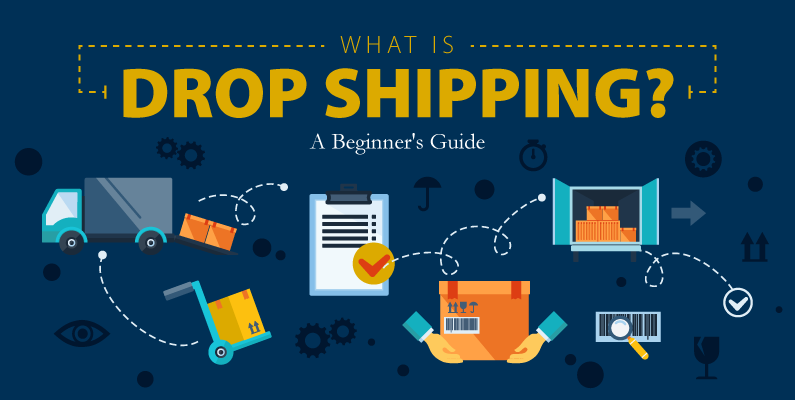
Drop shipping is a retail fulfillment method where a store does not keep the products it sells in stock. Instead, when a store sells a product, it purchases the item from a third party and has it shipped directly to the customer. This means that the seller never sees or handles the product. The primary advantage of drop shipping is that it eliminates the need for a physical inventory, allowing entrepreneurs to focus on marketing and customer service.
Advantages of Drop Shipping
- Low Startup Costs: Since you don’t need to invest in inventory upfront, the initial costs of starting a drop shipping business are significantly lower than traditional retail models.
- Wide Product Selection: You can offer a vast array of products without the risk of unsold inventory, as you only purchase items after you’ve made a sale.
- Flexibility: Drop shipping can be done from anywhere with an internet connection, providing flexibility in terms of location and working hours.
- Scalability: As your business grows, you can easily scale your operations without the logistical challenges of managing inventory.
- Reduced Risk: Since you don’t purchase products until after you’ve made a sale, the financial risk is lower compared to traditional retail models.
Why You Need a Course for Drop Shipping Success
While the drop shipping model is appealing, it is not without its challenges. Many new entrepreneurs struggle with finding reliable suppliers, understanding market trends, and effectively marketing their products. This is where a comprehensive drop shipping course can make a significant difference.
Key Components of a Good Drop Shipping Course
- Supplier Sourcing: A quality course will teach you how to find and vet suppliers to ensure you are working with reliable partners.
- Market Research: Understanding your target market is crucial. A good course will provide insights into market trends and consumer behavior.
- Marketing Strategies: Effective marketing is essential for driving traffic to your store. Courses often cover various marketing techniques, including social media marketing, SEO, and paid advertising.
- Store Setup: Many courses offer step-by-step guidance on setting up your online store, including choosing the right platform and designing your website.
- Customer Service: Learning how to handle customer inquiries and complaints is vital for maintaining a good reputation and ensuring repeat business.
- Legal Considerations: Understanding the legal aspects of running a drop shipping business, including tax obligations and consumer protection laws, is crucial for long-term success.
Top Features to Look for in a Drop Shipping Course
When searching for the best drop shipping course, consider the following features:
Comprehensive Curriculum
A well-structured curriculum that covers all aspects of drop shipping is essential. Look for courses that include modules on supplier sourcing, product selection, marketing, and customer service.
Experienced Instructors
Courses taught by experienced drop shippers or industry experts can provide valuable insights and real-world examples that can enhance your learning experience.
Community Support
Access to a community of fellow learners can be beneficial. Look for courses that offer forums or groups where you can ask questions, share experiences, and network with others.
Updated Content
The e-commerce landscape is constantly changing. Ensure that the course you choose is regularly updated to reflect the latest trends and best practices in drop shipping.
Money-Back Guarantee
A money-back guarantee can provide peace of mind. It shows that the course creators are confident in the value of their content.
Recommended Drop Shipping Courses
1. Shopify Academy
Shopify Academy offers a range of free courses that cover the basics of drop shipping, including how to set up your store and market your products effectively. Their resources are ideal for beginners looking to get started.
2. Udemy Drop Shipping Courses
Udemy features a variety of drop shipping courses, each with different focuses and price points. Look for highly-rated courses that offer comprehensive content and positive reviews from past students.
3. Oberlo 101
Oberlo, a popular drop shipping app, provides a free course called Oberlo 101. This course covers everything from finding products to marketing your store, making it a great starting point for new entrepreneurs.
4. eCommerce MasterPlan
This course offers a detailed look at building a successful e-commerce business, including drop shipping strategies. It’s suitable for those who want a broader understanding of the e-commerce landscape.
5. Drop Ship Lifestyle
Drop Ship Lifestyle is a premium course that focuses on building a successful drop shipping business. It includes in-depth training on finding suppliers, marketing, and scaling your business.
Advanced Strategies for Drop Shipping Success
Once you have a solid foundation in drop shipping through a course, it’s time to explore advanced strategies that can help you stand out in a competitive market.
Niche Selection
Choosing the right niche is critical for your drop shipping success. A well-defined niche allows you to target a specific audience, making your marketing efforts more effective. Consider the following when selecting a niche:
- Market Demand: Use tools like Google Trends and keyword research to identify products that are in demand.
- Competition Analysis: Analyze your competitors to understand their strengths and weaknesses. Look for gaps in the market that you can fill.
- Passion and Knowledge: Choose a niche that you are passionate about or have knowledge in. This will make it easier to create content and connect with your audience.
Building a Brand
In the drop shipping world, branding can set you apart from competitors. A strong brand creates trust and loyalty among customers. Here are some tips for building your brand:
- Unique Value Proposition: Clearly define what makes your store different from others. This could be exceptional customer service, unique product offerings, or a commitment to sustainability.
- Consistent Branding: Ensure that your branding is consistent across all platforms, including your website, social media, and marketing materials.
- Engaging Content: Create valuable content that resonates with your target audience. This could include blog posts, videos, or social media content that showcases your products and brand values.
Effective Marketing Techniques
Marketing is crucial for driving traffic to your drop shipping store. Here are some effective marketing techniques to consider:
- Search Engine Optimization (SEO): Optimize your website for search engines to increase organic traffic. Focus on keyword research, on-page SEO, and building backlinks.
- Social Media Marketing: Utilize platforms like Instagram, Facebook, and Pinterest to promote your products. Engage with your audience through posts, stories, and ads.
- Email Marketing: Build an email list and send regular newsletters to keep your audience informed about new products, promotions, and valuable content.
- Influencer Marketing: Collaborate with influencers in your niche to reach a wider audience. Influencers can help promote your products and build credibility.
Customer Service Excellence
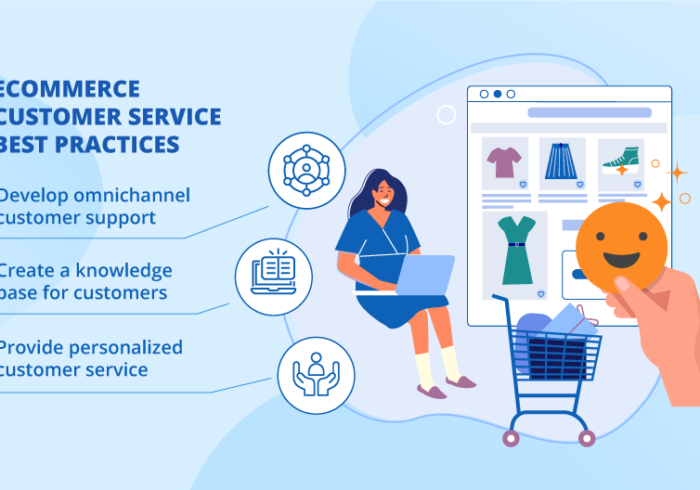
Providing excellent customer service is essential for retaining customers and building a positive reputation. Here are some strategies to enhance your customer service:
- Responsive Communication: Ensure that you respond promptly to customer inquiries and complaints. Use chatbots or customer service software to streamline communication.
- Clear Policies: Clearly outline your return, shipping, and refund policies on your website. Transparency builds trust with customers.
- Personalization: Personalize your communication with customers. Use their names and tailor your messages based on their purchase history.
Analyzing and Optimizing Performance
To ensure the long-term success of your drop shipping business, regularly analyze your performance and make necessary adjustments. Consider the following metrics:
- Sales Data: Monitor your sales data to identify trends and patterns. Use this information to make informed decisions about inventory and marketing strategies.
- Customer Feedback: Collect feedback from customers to understand their experiences and identify areas for improvement.
- Website Analytics: Use tools like Google Analytics to track website traffic, user behavior, and conversion rates. This data can help you optimize your website for better performance.
Conclusion
Choosing the best drop shipping course can significantly impact your success in the e-commerce world. By investing in quality education, you can gain the knowledge and skills necessary to navigate the challenges of drop shipping and build a profitable online business. Remember to consider the course features, curriculum, and support options to find the right fit for your needs. With the right course and strategies in place, you can unlock your e-commerce potential and achieve your entrepreneurial dreams.
As you embark on your drop shipping journey, remember that the right products can make all the difference in your success—discover unique and trending items that will captivate your customers at LooperBuy. Explore Now.
Article Summary
This article explores the best drop shipping courses available for aspiring entrepreneurs. It discusses the advantages of drop shipping, the importance of education in this field, and key features to look for in a course. Additionally, it recommends several top courses that provide comprehensive training on various aspects of drop shipping, helping individuals unlock their e-commerce potential. The article also delves into advanced strategies for success, including niche selection, branding, marketing techniques, customer service excellence, and performance analysis.
Hot Tags: Drop Shipping; E-Commerce; Online Business; Supplier Sourcing; Market Research; Marketing Strategies; Shopify; Oberlo; Udemy; E-Commerce MasterPlan; Drop Ship Lifestyle; Business Model; Inventory Management; Customer Service; Digital Marketing; SEO; Social Media Marketing; Product Selection; Entrepreneur; Business Growth; Online Store; E-Commerce Trends; Business Strategy; Sales Funnel; Niche Market; E-Commerce Platforms; Business Education; Online Learning; E-Commerce Success; Marketing Techniques; Business Development; E-Commerce Analytics; Customer Retention; Brand Building
Related Questions & Answers
· What are the legal considerations for starting a drop shipping business?
Understanding the legal aspects of running a drop shipping business, including tax obligations and consumer protection laws, is crucial for long-term success.
· How do I find reliable suppliers for my drop shipping store?
You can find reliable suppliers through platforms like AliExpress, SaleHoo, or by directly contacting manufacturers. Always vet suppliers by checking reviews and their shipping policies.
· What are the most effective marketing strategies for a drop shipping business?
Effective marketing strategies include SEO, social media marketing, email marketing, and influencer collaborations to drive traffic and increase sales.
· How can I improve customer service in my drop shipping business?
Improving customer service can be achieved by ensuring responsive communication, having clear policies, and personalizing interactions with customers.
· What metrics should I track to analyze my drop shipping performance?
Key metrics to track include sales data, customer feedback, website traffic, and conversion rates to optimize your business strategies.