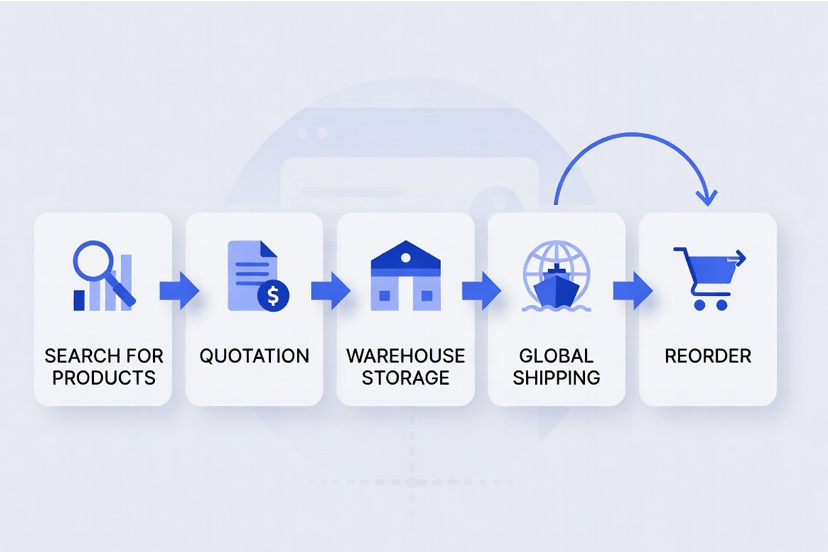
Looperbuy can use composable commerce to create a smarter B2B sourcing experience that connects product discovery, quotation, warehousing, shipping, and reordering in one workflow. This article explains how a modular omnichannel model can help global buyers source from China with less friction and more confidence.
B2B procurement has changed. Buyers no longer want fragmented supplier communication, unclear order status, or disconnected logistics updates. They want one place to source products, review options, place orders, track fulfillment, and manage repeat purchases with confidence.
For a platform like Looperbuy, that expectation creates a major opportunity. The goal is not only to help global sellers buy products from China. It is to build a trusted procurement experience that connects sourcing, warehousing, payment, and worldwide delivery in one reliable workflow.
That is where composable commerce becomes valuable. Instead of relying on one rigid system, a composable approach lets a procurement platform connect product discovery, quotation, order management, inventory, and logistics as separate but coordinated capabilities.
Table of Contents
Why B2B Procurement Needs a New Model
Traditional sourcing workflows are often slow and fragmented. A buyer may find a product in one place, negotiate in another, pay through a separate process, and then track shipping somewhere else. That creates confusion, slows down purchasing, and increases the chance of errors.
For B2B sellers, distributors, and online merchants, those gaps are expensive. They can lead to delayed orders, poor visibility, duplicated communication, and higher operational costs. When sourcing from China, the problem becomes even more complex because buyers also need help with supplier verification, warehousing, shipping, and cross-border fulfillment.
A modern procurement platform must do more than list products. It must reduce friction across the entire buying journey.
What Composable Commerce Means for Procurement Platforms
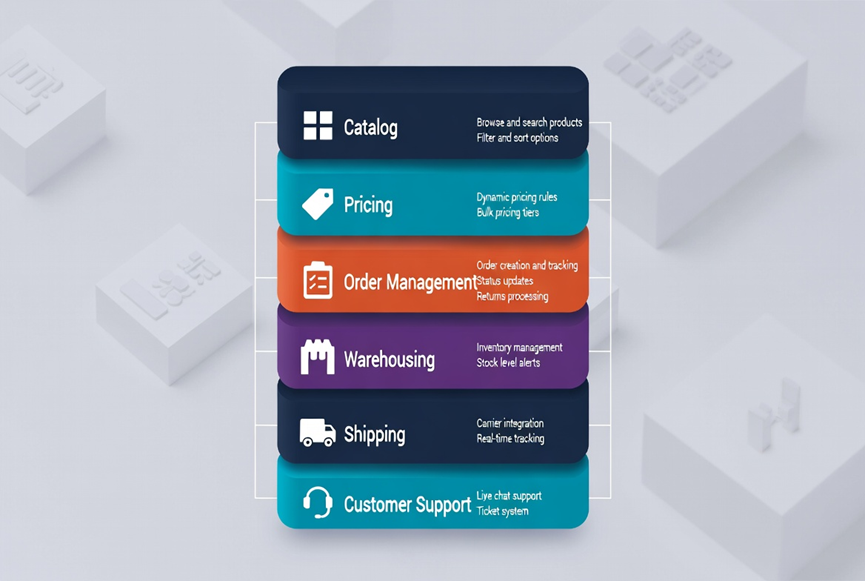
Composable commerce is a modular way to build digital commerce. Instead of one fixed platform doing everything, the business assembles best-fit services for catalog, pricing, search, checkout, order management, and customer data, then connects them through APIs.
For a B2B procurement platform, this model is especially useful because each part of the journey has different requirements:
– Product discovery must be fast and accurate.
– Quotation must be flexible.
– Ordering must support repeat purchases and custom terms.
– Inventory must stay visible.
– Logistics must stay trackable.
– Support must stay connected to the order history.
This structure gives Looperbuy the flexibility to improve each part of the workflow without rebuilding the entire platform.
How Omnichannel Works in B2B Sourcing
In B2B procurement, omnichannel does not only mean selling through multiple channels. It means giving buyers one connected experience across every touchpoint.
For Looperbuy, that could include:
– Website browsing.
– Request-for-quote workflows.
– Sales or account manager communication.
– Supplier matching.
– Order tracking.
– Warehouse updates.
– Shipping notifications.
– Reordering and account history.
When these touchpoints are aligned, the buyer feels like they are working with one platform, not a collection of disconnected tools. That consistency is especially important for cross-border sourcing, where buyers need trust and clarity at every step.
Why Looperbuy Is Well Positioned
Looperbuy is already positioned as a one-stop B2B sourcing platform from China that helps buyers access products, manage orders, and ship worldwide.
That positioning naturally supports a composable omnichannel model because the platform already sits at the intersection of sourcing and fulfillment. The strongest brand promise is not just access to suppliers. It is the ability to make China sourcing simpler, more transparent, and less operationally heavy for global sellers.
This matters for businesses that want to:
– Avoid holding large inventory.
– Reduce warehouse overhead.
– Simplify payment and logistics.
– Lower sourcing risk.
– Scale product offerings faster.
– Serve global customers with less operational burden.
The Looperbuy Value Proposition in Practice
A strong Looperbuy experience should help buyers move through the procurement journey with minimal friction.
1. Discover products faster
Buyers need a clean way to search, filter, and compare products by category, MOQ, shipping options, and business fit. A good product discovery layer reduces time spent hunting across multiple supplier sources.
2. Quote and negotiate with clarity
Many B2B buyers still need custom pricing, packaging, branding, or fulfillment terms. A flexible quotation flow allows buyers to request prices and confirm details without losing the thread of the conversation.
3. Manage inventory and warehousing with confidence
One of the biggest pain points in cross-border sourcing is inventory risk. Looperbuy can stand out by making warehousing and stock visibility easy to understand, so buyers know what is available, what is reserved, and what is ready to ship.
4. Ship globally with less operational stress
Cross-border logistics is where many procurement workflows break down. If shipping, consolidation, tracking, and delivery updates are integrated into the platform, buyers spend less time coordinating and more time selling.
5. Support repeat orders
In B2B, repeat purchasing is often more valuable than the first sale. A platform that remembers order history, product specs, and buyer preferences can make reordering much faster.
A Better Operating Model for Cross-Border Procurement
Looperbuy can use composable commerce to connect the entire sourcing workflow into one practical operating model.
| Stage | Buyer Need | Platform Capability |
| Product search | Find suitable products quickly | Search, filters, curated catalog |
| Supplier review | Reduce sourcing risk | Supplier verification, product details |
| Quotation | Compare price and terms | RFQ, custom pricing, negotiation |
| Order placement | Confirm purchase efficiently | Checkout, order confirmation |
| Warehousing | Hold goods before dispatch | Inventory visibility, storage workflow |
| Fulfillment | Deliver to global customers | Shipping, tracking, delivery updates |
| Reorder | Repeat successful purchases | Saved orders, account history, quick reorder |
This model is valuable because it connects sourcing and fulfillment instead of treating them as separate systems.
Why Speed and Trust Matter More Than Ever
Recent industry coverage shows that composable commerce is moving into the mainstream because businesses need more flexibility, real-time data, and better support for modern buying behavior.
For procurement platforms, that shift is important. B2B buyers are not only comparing product prices. They are also comparing reliability, responsiveness, and operational ease. A platform that can shorten the time from inquiry to fulfillment has a strong competitive advantage.
That is especially true in cross-border sourcing, where delays or unclear communication can affect the buyer’s own customers and revenue.
A Real-World Workflow Example
Here is what a smoother Looperbuy journey could look like:
1. A buyer searches for a product on the platform.
2. The buyer reviews product information and requests a quote.
3. The sourcing team confirms availability and pricing.
4. The buyer approves the order.
5. The product is stored or consolidated in the warehouse if needed.
6. The order is shipped to the buyer’s market.
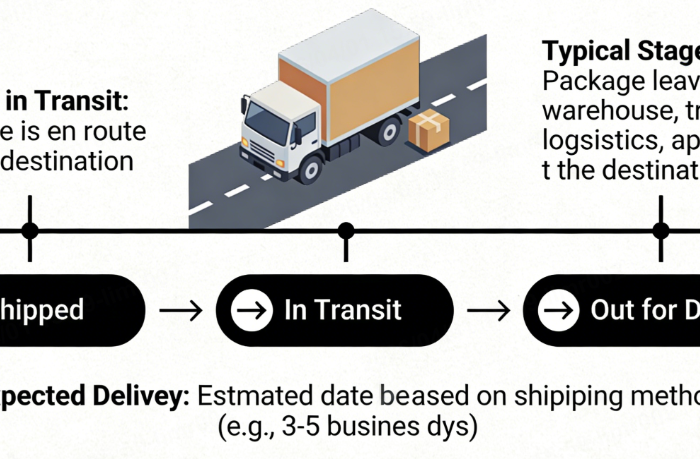
7. Tracking updates are visible in one place.
8. The buyer reorders using saved product and order data.
This workflow is simpler for the buyer and more efficient for the platform team because it reduces fragmented communication and manual follow-up.
Common Mistakes Procurement Platforms Make
Even strong platforms can lose trust if the experience feels fragmented. The most common mistakes are:
– Letting pricing differ across touchpoints.
– Showing different inventory information in different places.
– Forcing buyers to repeat order details.
– Separating support from order history.
– Treating logistics as an afterthought.
Looperbuy can avoid these problems by making data consistency a core part of the product experience.
How to Roll Out the Model Step by Step
A composable procurement experience should be built in phases.
Step 1: Audit the buyer journey
Find the places where buyers lose time, confidence, or visibility.
Step 2: Standardize core data
Align product, supplier, order, warehouse, and shipping data in one connected model.
Step 3: Prioritize the highest-friction workflow
Start with the part that creates the most manual work, such as quotation, order tracking, or fulfillment visibility.
Step 4: Connect the next channel
Extend the experience to account managers, support teams, or marketplace-style workflows.
Step 5: Improve based on usage
Use buyer behavior and order patterns to refine search, pricing, logistics, and support.
This phased approach helps Looperbuy improve service without disrupting the whole platform at once.
If your business wants to simplify China sourcing and cross-border fulfillment, Looperbuy can help reduce inventory pressure, streamline procurement, and make global delivery more manageable. The next step is to build one connected workflow that gives buyers more visibility and less operational friction.
FAQ
1. What is Looperbuy in this context?
Looperbuy is positioned as a one-stop B2B sourcing platform from China that helps global buyers access products, manage orders, and ship worldwide.
2. Why is composable commerce useful for a procurement platform?
Because it lets the platform connect product discovery, quotation, ordering, warehousing, and logistics as separate but coordinated services, which makes the system easier to improve and scale.
3. How does omnichannel apply to B2B sourcing?
In B2B sourcing, omnichannel means the buyer gets one consistent experience across the website, account managers, quotations, order tracking, support, and fulfillment updates.
4. Why is China sourcing often difficult for global sellers?
Because buyers must deal with supplier verification, price negotiation, warehousing, payment, shipping, and cross-border coordination, all of which can become fragmented without the right platform.
5. What is the biggest benefit for buyers?
The biggest benefit is reduced operational complexity. Buyers can source products, manage orders, and track fulfillment in one connected workflow instead of juggling multiple systems.
6. What should Looperbuy focus on first?
The highest-impact starting points are usually product discovery, quotation, order visibility, and logistics tracking, because these are the parts where buyers feel friction most strongly.
References
1. Virto Commerce. “Composable Commerce for B2B 101: A Complete Guide.”[commercetools]
2. Virto Commerce. “What is composable commerce in B2B.”[intershop]
3. Virto Commerce. “Here’s What You Need to Know About Composable Commerce.” [b2bmarketingeast.wbresearch]
4. Virto Commerce. “Composable Commerce Omnichannel: Complete Guide.”[virtocommerce]
5. LooperBuy platform profile and sourcing pages. [instagram]
6. B2B procurement platform coverage and China sourcing market references. [looperbuy]