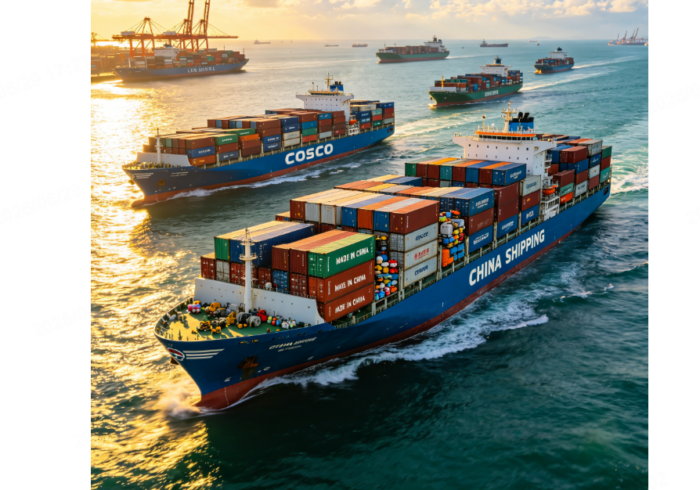
The phrase Chinese New Year by sales has become increasingly relevant for B2B buyers who view the holiday not as a cultural event but as a distinct commercial season with its own procurement calendar, consumer demand patterns, and supply chain risks. For global brands, wholesalers, and manufacturers sourcing from China, understanding how Chinese New Year drives sales means recognizing that the buying cycle begins months before the actual holiday.
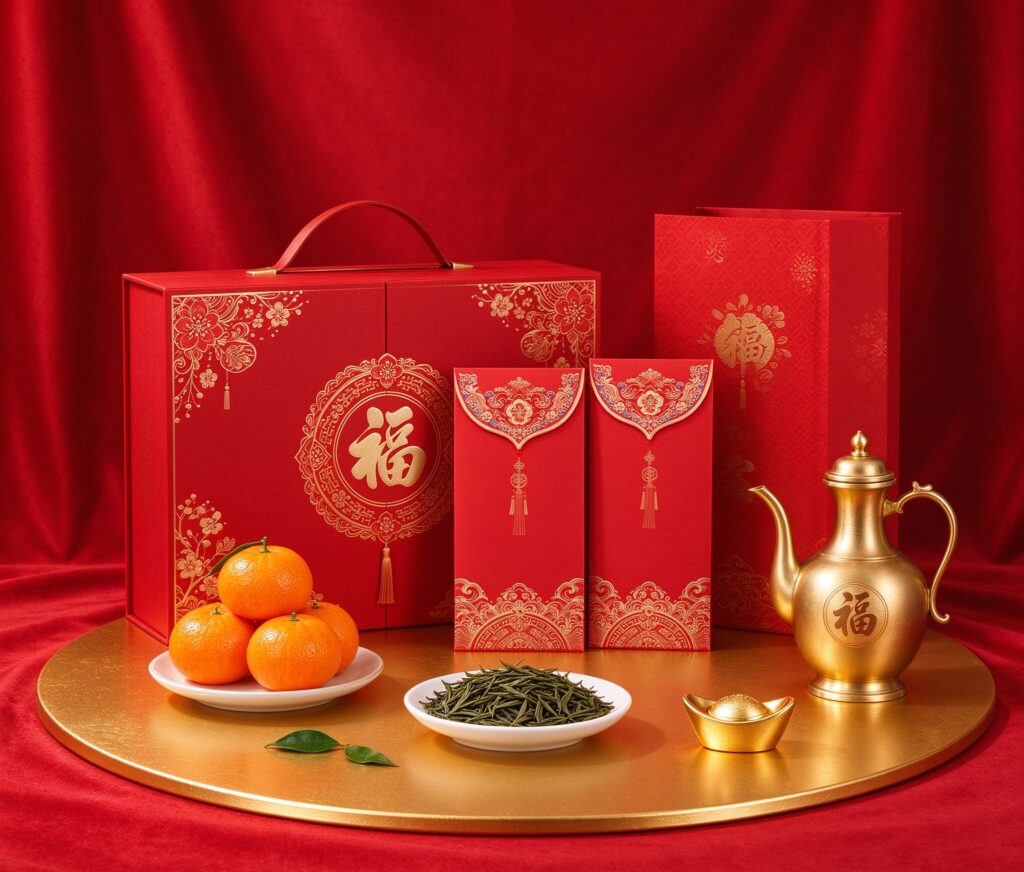
I have spent years working with international buyers navigating this season, and the most common mistake is treating Chinese New Year products as a last-minute category. In reality, it is a year-round sourcing operation with a hard production deadline.
Table of Contents
Why Chinese New Year Sales Demand Earlier B2B Action Than Ever
Overseas buyers are placing orders earlier each year. Yiwu vendors report that large buyers from the United States, Vietnam, Thailand, and Malaysia typically complete purchases before October, while sea freight alone takes one to two months . The math is simple: if your goods need to hit retail shelves by mid-January, production must finish by November at the latest.
Smart B2B sourcing platforms understand this compressed timeline. LooperBuy connects global buyers directly with Chinese manufacturers across multiple product categories, allowing procurement teams to lock in production slots before factories shift into holiday mode.
The Production Window Nobody Can Afford to Miss
Chinese factories begin slowing operations weeks before the official holiday and take seven to ten days off, with full ramp-up taking additional time . The pre-holiday period brings port congestion, container shortages, and trucking paralysis as drivers join Chunyun, the mass migration home .
Industry data shows that companies starting Chinese New Year product development in August achieved profit margins 60% higher than those beginning in November or December . The difference is not about better products. It is about logistics economics. Early movers secure production capacity and shipping slots at standard rates. Late movers pay premium freight and accept delivery uncertainty.
What Actually Sells in 2026 and Beyond
The Chinese New Year product mix has evolved significantly. Traditional decorations still move volume, but newer categories are growing faster.
Zodiac-themed products remain reliable performers. In 2026, Year of the Horse merchandise saw strong demand, with 84.5% of surveyed consumers expressing purchase intent for horse-themed items . Products combining traditional symbolism with modern design, such as horse-element refrigerator magnets and themed accessories, moved particularly well.
Cultural fusion items represent a growing opportunity. Sydney’s approach of merging Aboriginal artistic elements with traditional Chinese horse symbolism generated 45% higher sales volumes than standard imported decorations . Dubai’s luxury market commanded a 65% price premium for premium horse-themed items using gold and Italian leather . These examples show that localization is not just a consumer trend. It is a B2B sourcing strategy with measurable returns.
Tech-integrated and health-conscious products are gaining shelf space. Smart appliances have become a Chinese New Year gift category, with government subsidies on home appliances and digital products driving over 15 million units sold in January alone . For B2B buyers, this signals that electronics and smart home products belong in the Chinese New Year assortment, not just traditional paper goods.
The Logistics Reality B2B Buyers Must Plan Around
Carriers reduce Asia-US capacity by 19-20% during Chinese New Year periods, and blank sailings often come with minimal notice . Ports like Shanghai, Singapore, and Ho Chi Minh City experience container shortages and dwell times of 14-21 days during peak pre-holiday periods .
For B2B buyers, the operational takeaway is direct: do not schedule urgent Chinese New Year shipments for January. Build seven to ten day buffers into Europe-bound ocean freight . Consider air freight only for time-sensitive, high-margin items. For less urgent cargo, schedule shipments before February 10 or after March 3 to avoid the worst disruption .
A Practical Sourcing Timeline for Chinese New Year Sales
- August-September: Finalize product specifications and place production orders. This is when factories still have capacity and freight rates are stable.
- October: Complete all production. Large buyers from major markets finish purchasing before this month .
- November: Ship by ocean freight. Sea transit takes one to two months, putting goods in warehouses by early January.
- December: Pre-position inventory in overseas warehouses for faster delivery to retailers.
- January: Execute retail promotions. Demand peaks in the weeks immediately before the holiday.
Five B2B Keywords That Drive Chinese New Year Sourcing
For procurement managers building search strategies, these terms reflect actual sourcing behavior: Chinese New Year wholesale suppliers, Lunar New Year decoration manufacturer China, zodiac gift sourcing platform, Spring Festival bulk procurement, and seasonal holiday inventory Yiwu.
FAQ
How early should B2B buyers place Chinese New Year orders?
Production orders should be placed by September at the latest. Large overseas buyers complete purchases before October to account for one to two month sea freight times .
What are the most profitable Chinese New Year product categories for B2B?
Zodiac-themed items, cultural fusion products tailored to local markets, tech-integrated gifts, and health-oriented gift boxes show the strongest growth .
Why do Chinese New Year logistics costs increase?
Factory closures reduce capacity, trucking becomes unavailable during Chunyun, and carriers implement blank sailings that cut available vessel space by approximately 20% .
Can I source Chinese New Year products year-round?
Yes. Yiwu vendors now operate Chinese New Year product lines continuously, with overseas buyers beginning inquiries as early as August for the following year’s holiday .
How does LooperBuy support Chinese New Year sourcing?
LooperBuy provides one-stop B2B sourcing with direct access to Chinese manufacturers across multiple categories, competitive logistics pricing, and global shipping support for brands, wholesalers, and manufacturers.
References
China Daily. Zhejiang gets early start on Year of the Goat goods. https://govt.chinadaily.com.cn/s/202608/26/WS6a9e5337498e36855033fc0c/zhejiang-gets-early-start-on-year-of-the-goat-goods.html
SEKO Logistics. Navigating Lunar New Year 2026: A Guide for Exporters and Importers Sourcing from Asia. https://www.sekologistics.com/au-en/resource-hub/knowledge-hub/lunar-new-year-2026-complete-supply-chain-planning-guide-for-asia-sourcing/
Accio. Chinese New Year 2026: Opportunité commerciale mondiale de 100 Md$. https://fr.accio.com/blog/chinese-new-year-2026-100b-global-business-opportunity
State Council Information Office. Spring Festival consumption reveals China’s new economic momentum. http://english.scio.gov.cn/m/in-depth/2026-02/11/content_118328684.html
Supplyframe. How Chinese New Year Affects Global Electronics Supply Chains (And What Not to Do). http://intelligence.supplyframe.com/nl/chinese-new-year-global-electronics-supply-chains/
Hot tags
Chinese New Year wholesale sourcing, Lunar New Year B2B suppliers, zodiac gift procurement, Spring Festival product sourcing, seasonal holiday inventory China, Yiwu festive decorations wholesale, Chinese New Year logistics planning, B2B sourcing platform China, Lunar New Year retail trends, Chinese holiday merchandise export