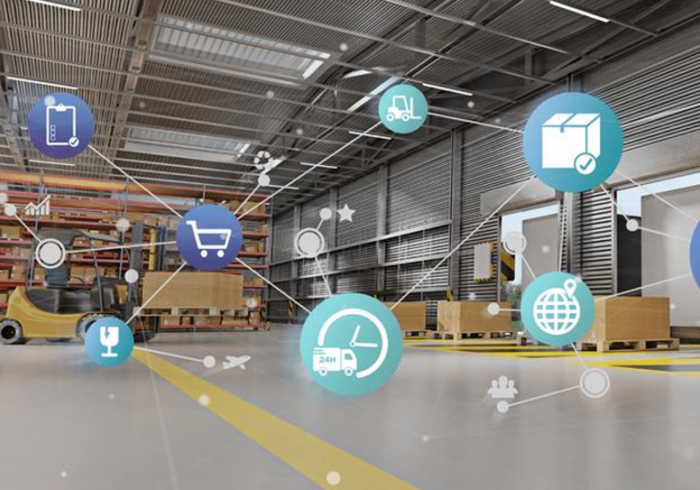
This article explains how to build a scalable B2B marketplace for global trade, with a focus on supplier-first onboarding, trust-driven UX, flexible monetization, and operational efficiency.
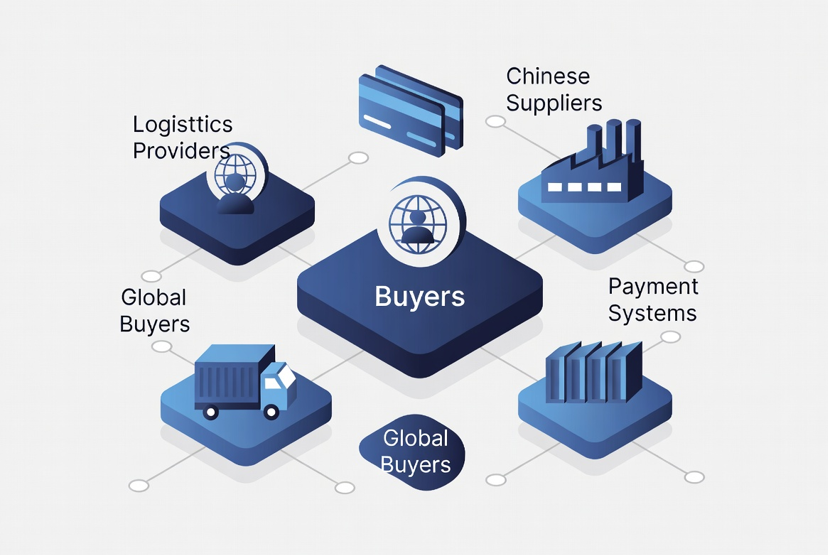
A successful B2B marketplace is not just a digital catalog. It is a structured trade engine that connects buyers, sellers, payments, logistics, and trust into one efficient system. For platforms like Looperbuy, the real opportunity is helping global businesses source from China with less inventory risk, lower operating friction, and a smoother cross-border buying experience.
The market is moving fast. Recent industry reporting shows the global B2B e-commerce market continues to expand at scale, with marketplaces taking a leading share of B2B purchasing activity. At the same time, buyers increasingly expect faster onboarding, transparent pricing, flexible payment options, and better integration across procurement workflows.
Table of Contents
What Makes a B2B Marketplace Work
A B2B marketplace succeeds when it solves a real business problem better than traditional sourcing channels. That may mean reducing procurement complexity, expanding supplier reach, centralizing communication, or making cross-border trade easier for buyers who do not want to manage inventory, warehousing, and logistics themselves.
For Looperbuy, the strongest value proposition is clear: help global businesses buy Chinese goods reliably, then support dropshipping and fulfillment so they can grow without overstocking. That model is especially compelling for small and mid-sized B2B sellers who want to test products quickly, control cash flow, and avoid the cost burden of holding inventory.
Market Opportunity and User Demand
The marketplace model has grown because it matches how modern B2B buyers actually work. Buyers want choice, speed, confidence, and a simpler way to compare suppliers, while sellers want qualified demand and lower customer acquisition friction.
Recent data also shows marketplace purchasing is now a dominant channel inside B2B e-commerce, while manufacturing remains one of the strongest verticals using digital trade platforms. That matters for Looperbuy because it confirms strong demand for platforms that make sourcing and fulfillment more efficient across borders, especially in manufacturing-related and wholesale use cases.
Core Marketplace Strategy
Before building features, define the market you serve. The best marketplaces begin with a narrow niche, a clear buyer profile, and one sharp pain point that can be solved better than general-purpose platforms.
A practical strategy framework looks like this:
1. Choose a focused category first.
2. Define the buyer and seller groups clearly.
3. Validate demand before development.
4. Select one monetization model to start.
5. Design the onboarding and fulfillment flow early.
This approach keeps the marketplace from becoming too broad too early. It also helps you build trust with users faster, because they can immediately understand what the platform is for and why it is useful.
Business Model Options
A B2B marketplace usually earns revenue through a combination of commissions, subscriptions, listing fees, service fees, or value-added logistics support. The right model depends on who your users are and where your value is strongest.
| Model | Best for | Benefit | Risk |
| Commission per order | Transaction-led platforms | Simple to understand and easy to scale | Margin pressure if orders are low value |
| Subscription | Repeat B2B buyers or sellers | Predictable recurring revenue | Can slow adoption if value is not obvious |
| Listing fees | Large catalogs or supplier directories | Monetizes visibility | Works best when supply is already strong |
| Service fees | Sourcing, procurement, or fulfillment support | Good for added operational value | Must be clearly justified |
| Logistics margin | Trade and fulfillment platforms | Strong fit for cross-border commerce | Requires reliable execution |
For Looperbuy, a hybrid model is often most effective. A transaction fee paired with sourcing, dropshipping, or logistics services can create a better balance between user adoption and long-term revenue.
Build the Supply Side First
Most marketplaces struggle with the same problem: buyers do not come without sellers, and sellers do not come without buyers. The most practical solution is to solve the supply side first, then activate demand once listings and service quality are strong enough to attract transactions.
That means onboarding your first sellers manually if needed. Help them complete profiles, improve product presentation, and set up pricing and shipping rules. In the early stage, a marketplace can win by being more responsive and more helpful than larger competitors.
Platform Features That Matter
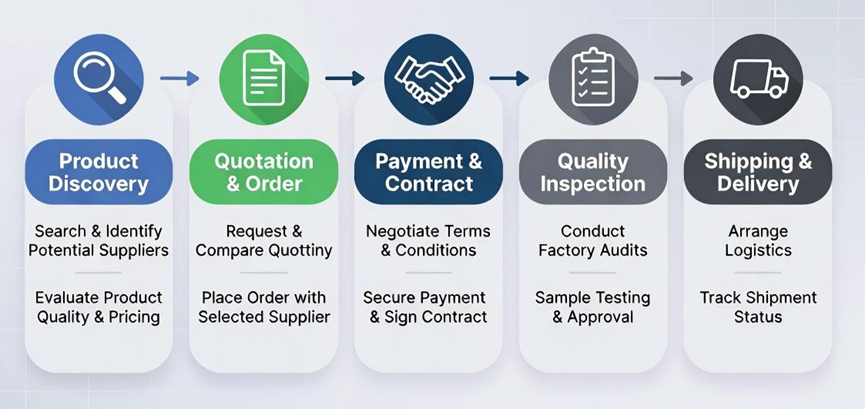
A B2B marketplace must do more than display products. It should support the full commercial workflow, from discovery to payment to fulfillment.
The essential feature set includes:
– Supplier onboarding and verification.
– Bulk ordering and quote requests.
– Buyer and company account management.
– Negotiation or custom pricing.
– Integrated payments and invoicing.
– Shipping and order tracking.
– Search, filtering, and category browsing.
– Analytics for user and order performance.
If your platform serves international buyers, add multilingual support, multi-currency handling, and visible shipping timelines. Those details reduce friction and make the platform feel trustworthy.
Technical Priorities
Technical quality matters because B2B systems handle larger catalogs, more complex rules, and higher order values than typical consumer storefronts. Scalability, integration, and reliability should be built into the architecture from the beginning.
Key technical priorities include:
– Scalability: The system should handle more products, users, and transactions without slowing down.
– Integrations: Connect to ERP, CRM, inventory, payment, and logistics tools.
– Security: Protect buyer data, supplier data, and transaction records.
– Workflow flexibility: Support different pricing, approval, and fulfillment logic.
– Performance monitoring: Track latency, search speed, and checkout reliability.
This is especially important for cross-border commerce platforms because shipping, payment, and compliance all affect user confidence. If the platform feels unstable or difficult to use, buyers will return to familiar sourcing channels.
UX Principles for Trust
User experience in B2B is mostly about clarity, confidence, and speed. Buyers want to know what they are buying, who they are buying from, how fast it will ship, and what happens if something goes wrong.
To improve trust, use:
– Clear supplier profiles with business credentials.
– Product pages with specifications, MOQ, and lead time.
– Transparent shipping and payment information.
– Easy quote and inquiry actions.
– A clean dashboard for repeat buyers.
– Fast support access on high-value orders.
A strong marketplace does not force users to think too hard. It reduces uncertainty at every step.
Launch Plan and Growth
A successful launch should begin with a minimum viable version, not a fully finished product. The first goal is to get real users, real listings, and real transactions.
Use this launch sequence:
1. Launch with one market or category.
2. Recruit a small number of verified sellers.
3. Add a limited buyer group.
4. Collect feedback on listing quality, pricing, and fulfillment.
5. Improve onboarding and support.
6. Expand only after repeat usage appears.
Growth should be measured through active users, repeat orders, supplier activation, transaction volume, and customer support signals. If buyers are returning and sellers are renewing, the marketplace is earning trust.
From a marketplace operator’s perspective, the biggest mistake is trying to look complete before becoming useful. Buyers do not need a perfect platform on day one. They need a platform that helps them source confidently, communicate clearly, and complete orders without extra friction.
For an international B2B sourcing platform like Looperbuy, the real competitive advantage is operational simplicity. If the platform can reduce inventory burden, lower procurement complexity, and provide reliable fulfillment support, it can create value that is difficult for generic marketplaces to match.
FAQ
1. What is a B2B marketplace?
A B2B marketplace is an online platform where businesses buy and sell products or services to other businesses.
2. Why do B2B marketplaces grow faster than traditional channels?
They reduce sourcing friction, centralize supplier access, and make buying more transparent and efficient for business users.
3. What is the first step in building one?
Start by validating a narrow market niche and speaking directly with potential buyers and sellers before development begins.
4. What features are most important?
Supplier onboarding, quote requests, bulk ordering, secure payments, shipping workflows, and analytics are among the most important features.
5. How can a new marketplace get traction?
Focus on one category, recruit supply first, support the first users manually, and improve the product based on real transactions and feedback.
6. How does Looperbuy fit this model?
Looperbuy can stand out by combining China sourcing, dependable fulfillment, and dropshipping support so buyers can grow without holding excess inventory.
References
– Virto Commerce. “How to Start a B2B Marketplace: Step-by-Step Guide.”[uppler]
– Uppler. “How to create a b2b marketplace from scratch?” [uppler]
– Rasmus. “How to Start a Marketplace Business in 2026 (5-Step Playbook).”[youtube]
– AbanteCart. “How to Build a Scalable B2B eCommerce Store.”[abantecart]
– Mordor Intelligence. “B2B E-commerce Market Size, Share & 2031 Growth Report.” [mordorintelligence]
– McKinsey. “B2B buyers reset the bar.”[mckinsey]
– 2025 B2B E-Commerce Trends Report. [dhl]