Lunar New Year, also known as Chinese New Year or Spring Festival, is a time of joy, family reunions, and cultural traditions. One of the most cherished customs during this festive season is the exchange of gifts. These gifts symbolize good fortune, prosperity, and the hope for a prosperous year ahead. In this article, we will explore the traditional gifts associated with Lunar New Year, their meanings, and how they are celebrated across different cultures.
Table of Contents
The Essence of Gift-Giving During Lunar New Year
Gift-giving during Lunar New Year is steeped in tradition and cultural significance. It is a way to express goodwill, strengthen relationships, and share blessings. The act of giving gifts is not merely a formality; it carries deep-rooted meanings that reflect the values and beliefs of the culture.
Symbolism Behind Traditional Gifts
Each gift exchanged during Lunar New Year holds a specific meaning. For instance, certain fruits and foods are considered auspicious and are believed to bring good luck. The colors of the gifts, particularly red and gold, are also significant, as they symbolize happiness, wealth, and prosperity. The act of giving itself is seen as a way to share one’s blessings and good fortune with others, reinforcing social bonds and community ties.
Popular Traditional Gifts for Lunar New Year
1. Red Envelopes (Hongbao)
One of the most iconic gifts during Lunar New Year is the red envelope, known as “hongbao” in Mandarin. These envelopes are typically filled with money and given to children and younger family members. The red color of the envelope symbolizes good luck and warding off evil spirits. The amount of money inside is often an even number, as odd numbers are associated with funerals. The practice of giving red envelopes is not only a way to share wealth but also a means of imparting blessings for the year ahead.
The origins of this tradition can be traced back to ancient China, where it was believed that the act of giving money in red envelopes could ward off evil spirits. Over time, this practice evolved into a symbol of good fortune and prosperity, making it a staple of Lunar New Year celebrations.
2. Fruits
Fruits play a vital role in Lunar New Year celebrations. Oranges and tangerines are particularly popular gifts, as they are believed to bring good luck and wealth. The word for orange in Chinese sounds similar to the word for wealth, making it a favored gift. Other fruits, such as apples and pears, are also exchanged, each carrying its own significance. For example, pears symbolize separation, so they are often avoided in gifts among close friends or family members. In contrast, the act of gifting fruits is a way to wish for abundance and prosperity in the coming year.
In addition to their symbolic meanings, fruits are often presented in beautifully arranged baskets, enhancing their visual appeal and making them more desirable as gifts. The presentation of fruits can also reflect the giver’s thoughtfulness and care in selecting the perfect gift.
3. Sweets and Treats
Sweets are an essential part of the Lunar New Year festivities. Gift boxes filled with assorted candies, pastries, and traditional sweets symbolize a sweet life and the hope for a prosperous year. Popular treats include mooncakes, sesame balls, and sticky rice cakes, each with its own unique flavor and cultural significance. The sharing of sweets is a way to spread joy and happiness, reinforcing the idea that the new year should be filled with delightful experiences.
In many cultures, sweets are also associated with celebrations and special occasions. During Lunar New Year, families often prepare these treats together, creating a sense of unity and shared joy. The act of making and sharing sweets can strengthen family bonds and create lasting memories.
4. Tea
Tea is a staple in many Asian cultures, and gifting high-quality tea during Lunar New Year is a thoughtful gesture. Tea symbolizes harmony and respect, making it a perfect gift for family and friends. Specialty teas, such as oolong or pu-erh, are often chosen for their rich flavors and health benefits. The act of sharing tea can also serve as a bonding experience, allowing families and friends to come together and enjoy each other’s company while celebrating the new year.
In addition to its cultural significance, tea is often presented in beautifully designed packaging, making it an attractive gift option. Many people also appreciate the health benefits associated with various types of tea, adding another layer of thoughtfulness to the gift.
5. Decorative Items
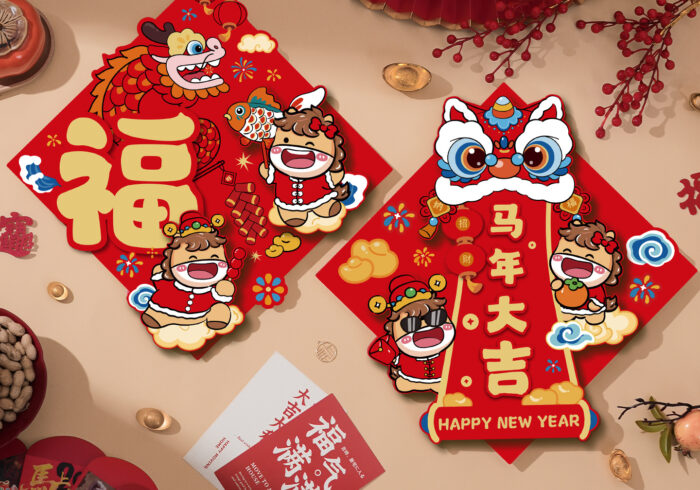
Decorative items, such as lanterns, couplets, and ornaments, are commonly given as gifts during Lunar New Year. These items are often adorned with auspicious symbols and phrases that wish for prosperity and happiness in the coming year. Gifting decorative items not only enhances the festive atmosphere but also serves as a reminder of the cultural heritage. For instance, red lanterns are hung to symbolize the arrival of spring and to illuminate the path for good fortune.
The choice of decorative items can vary based on personal preferences and regional customs. Some may opt for traditional decorations, while others may choose modern interpretations that still carry cultural significance. This flexibility allows for creativity in gift-giving while maintaining respect for tradition.
Modern Interpretations of Traditional Gifts
As society evolves, so do the interpretations of traditional gifts. Many people now opt for modern twists on classic gifts, incorporating contemporary items that still hold cultural significance. For example, instead of traditional red envelopes, some may choose to give digital red envelopes through mobile payment apps, making the process more convenient and accessible, especially for younger generations.
Personalized Gifts
Personalized gifts have gained popularity, allowing individuals to express their unique relationships with the recipients. Custom-made items, such as engraved jewelry or personalized home decor, can carry special meanings and memories, making them cherished gifts during the Lunar New Year. This trend reflects a growing desire for meaningful connections and the importance of individuality in gift-giving.
Experience-Based Gifts
In recent years, experience-based gifts have become a trend. Instead of physical items, people may gift experiences such as cooking classes, spa days, or travel vouchers. These gifts create lasting memories and foster connections, aligning with the spirit of togetherness that Lunar New Year embodies. Experience-based gifts also allow for shared moments, enhancing relationships and creating opportunities for bonding.
Eco-Friendly Gift Options
With increasing awareness of environmental issues, many people are seeking eco-friendly gift options for Lunar New Year. Sustainable gifts can include locally sourced products, handmade items, or experiences that promote environmental awareness, such as workshops on sustainable living. Gifting plants or seeds can also symbolize growth and renewal, aligning perfectly with the themes of the new year.
Regional Variations in Gift-Giving Traditions
While the essence of gift-giving remains consistent, the specific gifts and customs can vary significantly across different regions and cultures that celebrate Lunar New Year.
Chinese New Year
In China, the emphasis is on red envelopes and food gifts. Families often prepare elaborate feasts, and the exchange of gifts is a way to show respect and gratitude. The tradition of giving fish, which symbolizes abundance, is also prevalent. Additionally, families may gift items that represent their zodiac sign for the year, further personalizing the gift-giving experience. This practice not only reflects the significance of the zodiac in Chinese culture but also allows for a deeper connection between the giver and the recipient.
Vietnamese Tet
In Vietnam, the Lunar New Year is known as Tet. Gifts often include fruits, sweets, and traditional dishes. The Vietnamese also have a custom of giving “li xi,” similar to red envelopes, filled with money to children and younger relatives. Tet is also a time for families to honor their ancestors, and gifts may include offerings of food and incense at family altars. This practice highlights the importance of family and respect for ancestors in Vietnamese culture.
Korean Seollal
Korean Lunar New Year, or Seollal, involves a unique set of traditions. Gifts may include rice cakes, traditional clothing, and money. The focus is on family gatherings and honoring ancestors through rituals. During Seollal, families often perform a ritual called “sebae,” where younger members bow to their elders, expressing respect and receiving blessings in return, often in the form of money or gifts. This ritual emphasizes the importance of family hierarchy and respect for elders in Korean culture.
The Importance of Thoughtfulness in Gift Selection
When selecting gifts for Lunar New Year, thoughtfulness is key. It is essential to consider the recipient’s preferences and cultural background. Personalized gifts that reflect the recipient’s tastes or needs are often more appreciated than generic items. The act of giving should convey sincerity and respect, reinforcing the bonds of friendship and family.
Tips for Choosing the Perfect Gift
- Know the Recipient: Understanding the recipient’s likes and dislikes can help in selecting a meaningful gift. For example, if the recipient enjoys tea, a beautifully packaged selection of premium teas would be a thoughtful choice.
- Consider Cultural Significance: Be aware of the cultural meanings behind certain gifts to avoid any unintentional faux pas. For instance, gifting clocks is often avoided in Chinese culture as it symbolizes the end of life.
- Presentation Matters: The way a gift is presented can enhance its value. Beautiful wrapping and thoughtful notes can make a simple gift feel special. Using red or gold wrapping paper can add to the festive spirit.
- Incorporate Personal Touches: Adding a personal note or a small handmade item can make the gift more meaningful. This shows that you have put thought and effort into the gift, which is highly valued in many cultures.
- Be Mindful of Dietary Restrictions: When gifting food items, it’s important to consider any dietary restrictions or preferences the recipient may have. This shows respect for their choices and enhances the thoughtfulness of your gift.
Taboos to Avoid When Gifting During Lunar New Year
While gift-giving is a joyful tradition, there are certain taboos to be aware of to ensure that your gifts are well-received. Understanding these cultural nuances can help avoid misunderstandings and ensure that your gesture is appreciated.
1. Avoiding Certain Numbers
In many Asian cultures, certain numbers are considered unlucky. For example, the number four is often avoided because it sounds similar to the word for “death.” When giving gifts, it is best to choose items in even numbers, as odd numbers are typically associated with funerals.
2. Gifting Clocks
As mentioned earlier, gifting clocks is generally avoided in Chinese culture, as it symbolizes the end of life. This practice is rooted in superstition, and it is best to steer clear of gifting timepieces during Lunar New Year.
3. Avoiding Sharp Objects
Gifting sharp objects, such as knives or scissors, is also considered bad luck. These items symbolize severing relationships and should be avoided in gift-giving contexts.
4. Personal Items
Gifting personal items, such as clothing or cosmetics, can be seen as inappropriate unless you have a close relationship with the recipient. These gifts may imply that the giver is trying to change or influence the recipient’s personal choices.
5. Negative Symbolism
Gifts that carry negative connotations or symbolism should be avoided. For example, items associated with mourning or sadness, such as white flowers, are not suitable for Lunar New Year celebrations.
How Zodiac Animals Influence Gift Choices
Each Lunar New Year is associated with one of the twelve zodiac animals, and this can influence the choice of gifts. Understanding the characteristics of the zodiac animal for the year can help in selecting gifts that resonate with the recipient’s personality and aspirations.
1. Rat
The Year of the Rat is associated with intelligence and resourcefulness. Gifts that promote learning or creativity, such as books or art supplies, are ideal for those born in this year.
2. Ox
The Ox symbolizes diligence and dependability. Practical gifts, such as tools or items that enhance productivity, are well-suited for individuals born under this sign.
3. Tiger
The Tiger represents bravery and confidence. Gifts that encourage adventure, such as travel vouchers or outdoor gear, can inspire those born in the Year of the Tiger.
4. Rabbit
The Rabbit is associated with peace and tranquility. Gifts that promote relaxation, such as spa vouchers or calming teas, are perfect for individuals born in this year.
5. Dragon
The Dragon symbolizes strength and ambition. Gifts that reflect success, such as motivational books or professional development courses, are ideal for those born under this sign.
6. Snake
The Snake represents wisdom and intuition. Gifts that encourage self-reflection, such as journals or meditation tools, can resonate well with individuals born in the Year of the Snake.
7. Horse
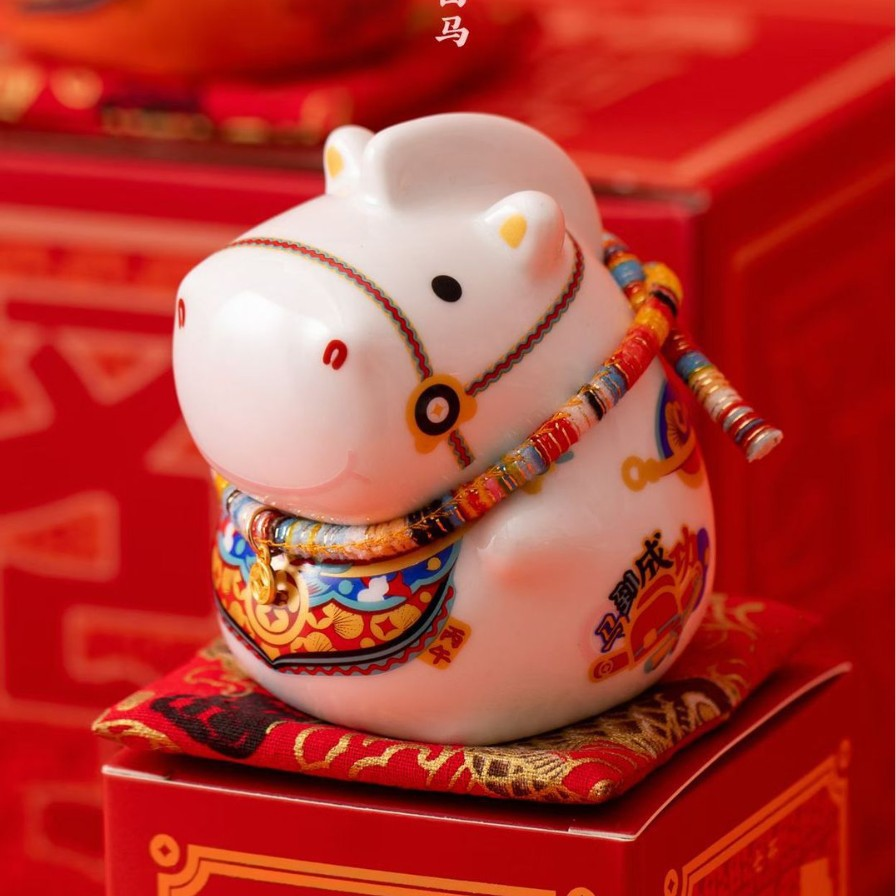
The Horse symbolizes freedom and energy. Gifts that promote movement, such as fitness gear or outdoor experiences, are well-suited for those born in this year.
8. Goat
The Goat represents creativity and gentleness. Artistic gifts, such as craft supplies or unique decor items, can appeal to individuals born under this sign.
9. Monkey
The Monkey symbolizes playfulness and curiosity. Fun and entertaining gifts, such as games or puzzles, are ideal for those born in the Year of the Monkey.
10. Rooster
The Rooster represents confidence and punctuality. Gifts that enhance organization, such as planners or time management tools, are well-suited for individuals born in this year.
11. Dog
The Dog symbolizes loyalty and honesty. Gifts that reflect companionship, such as pet-related items or friendship tokens, can resonate well with those born under this sign.
12. Pig
The Pig represents generosity and kindness. Gifts that promote sharing, such as gourmet food baskets or communal experiences, are ideal for individuals born in the Year of the Pig.
Modern, Tech-Related Gift Ideas
As technology continues to evolve, many people are incorporating modern gadgets and tech-related gifts into their Lunar New Year celebrations. These gifts can honor traditions while also appealing to contemporary tastes.
1. Smart Home Devices
Smart home devices, such as smart speakers or home automation systems, can enhance convenience and comfort. These gifts are practical and can help recipients manage their daily lives more efficiently.
2. Fitness Trackers
Fitness trackers are popular gifts that promote health and wellness. These devices can encourage recipients to stay active and set fitness goals for the new year.
3. E-Readers
E-readers are a great gift for book lovers, allowing them to carry a library of books in one compact device. This modern twist on traditional reading can inspire a love for literature in the new year.
4. Digital Photo Frames
Digital photo frames allow recipients to display cherished memories in a modern way. These frames can be updated with new photos, making them a thoughtful and personalized gift.
5. Online Course Subscriptions
Gifting subscriptions to online learning platforms can encourage personal and professional development. This modern gift aligns with the spirit of growth and self-improvement associated with the new year.
Conclusion
Lunar New Year is a time of celebration, reflection, and connection with loved ones. The tradition of gift-giving plays a crucial role in this festive season, symbolizing goodwill and the hope for a prosperous year ahead. By understanding the significance of traditional gifts and the cultural nuances behind them, we can participate in this beautiful celebration with respect and joy. The act of giving not only strengthens relationships but also fosters a sense of community and shared happiness, making Lunar New Year a truly special occasion.
How to purchase:Online B2B sourcing platform, China purchase, Chinese suppliers – LooperBuy
Frequently Asked Questions
1. What are the origins of giving red envelopes during Lunar New Year?
The tradition of giving red envelopes dates back to ancient China, where it was believed that money in red envelopes could ward off evil spirits and bring good fortune.
2. How do Lunar New Year gift-giving traditions differ between generations?
Younger generations often embrace modern interpretations of traditional gifts, such as digital red envelopes and experience-based gifts, while older generations may prefer classic items like fruits and sweets.
3. What are some appropriate corporate gift ideas for Lunar New Year in Asian cultures?
Corporate gifts can include high-quality teas, gourmet food baskets, or decorative items that reflect cultural significance, ensuring they are respectful and thoughtful.
4. What are some eco-friendly Lunar New Year gift options?
Eco-friendly gifts can include locally sourced products, handmade items, or experiences that promote environmental awareness, such as workshops on sustainable living.
5. What specific taboos should I avoid when gifting during Lunar New Year?
Avoid gifting items associated with bad luck, such as clocks, sharp objects, or items in sets of four, as these can carry negative connotations.
HOT TAG: Lunar New Year gifts, traditional customs, red envelopes, cultural significance, family reunions, good fortune, sweet treats, regional variations, thoughtful gifting, festive celebrations, personalized gifts, experience-based gifts, eco-friendly options, zodiac influences, modern tech gifts, DIY gift ideas, social media impact, gifts for elders, unique gift choices, meaningful connections, prosperity symbols, family bonding, cultural heritage, festive atmosphere, new year traditions, community spirit, shared happiness, respect and sincerity, gift-giving etiquette, holiday celebrations.