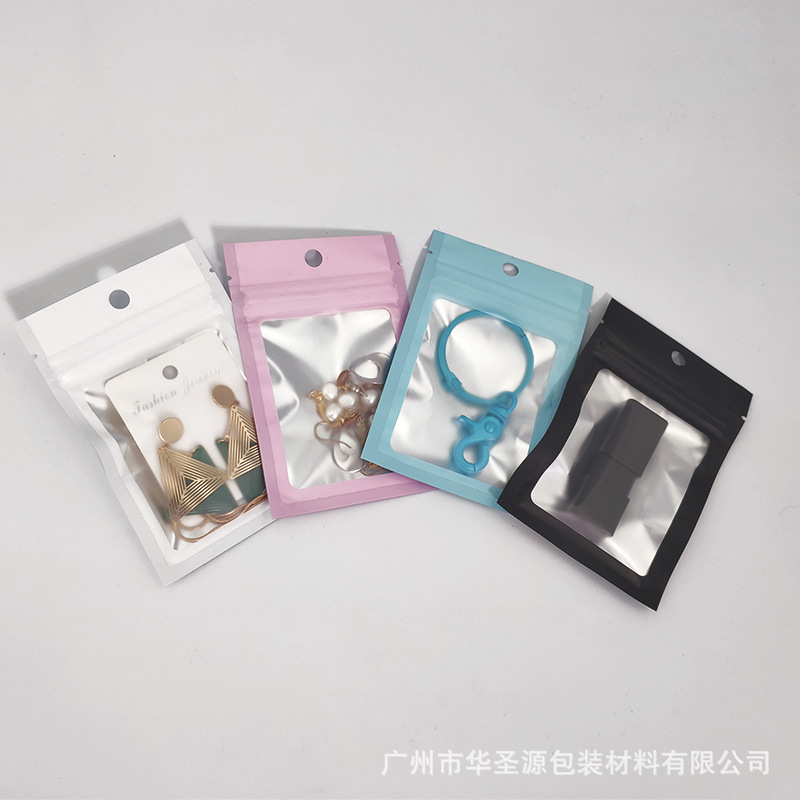
Plastic pouches—those unassuming, flexible bags made from thin, durable plastic—are far more than just simple storage solutions. They quietly weave themselves into the fabric of daily life, serving as protectors of cherished items, preservers of freshness, and organizers of chaos. Whether holding a favorite photograph, safeguarding a collectible card, or keeping a lunch fresh, these small bags prove that great utility often comes in small packages. This article explores the versatility of plastic pouches, their role in modern organization, and how they balance convenience with responsibility in an eco-conscious world.
Table of Contents
The Evolution of Plastic Pouches: From Utility to Versatility
Plastic pouches trace their origins to the mid-20th century, a time when advancements in polymer technology made lightweight, flexible materials accessible for everyday use. Initially designed for industrial packaging—securing small parts or chemicals—their potential soon expanded into consumer markets. By the 1980s, plastic pouches began appearing in households as storage solutions for everything from craft supplies to travel essentials.
What set these pouches apart was their adaptability. Unlike rigid containers, they could be folded, rolled, or stuffed into tight spaces, making them ideal for on-the-go lifestyles. As design trends evolved, so did their aesthetics: clear plastic allowed for easy identification of contents, while colored or printed pouches added personality to otherwise mundane storage. Today, plastic pouches are not just functional—they’re a staple in homes, offices, and even high-end organizing systems, proving that practicality and style can coexist.
Dual Roles: Card Sleeves and Food Wraps
Perhaps no two uses better illustrate the versatility of plastic pouches than their roles as card protectors and food wraps. Though seemingly different, both applications rely on the same core strengths: durability, transparency, and sealability.
Card Sleeves: Preserving Memories and Collectibles
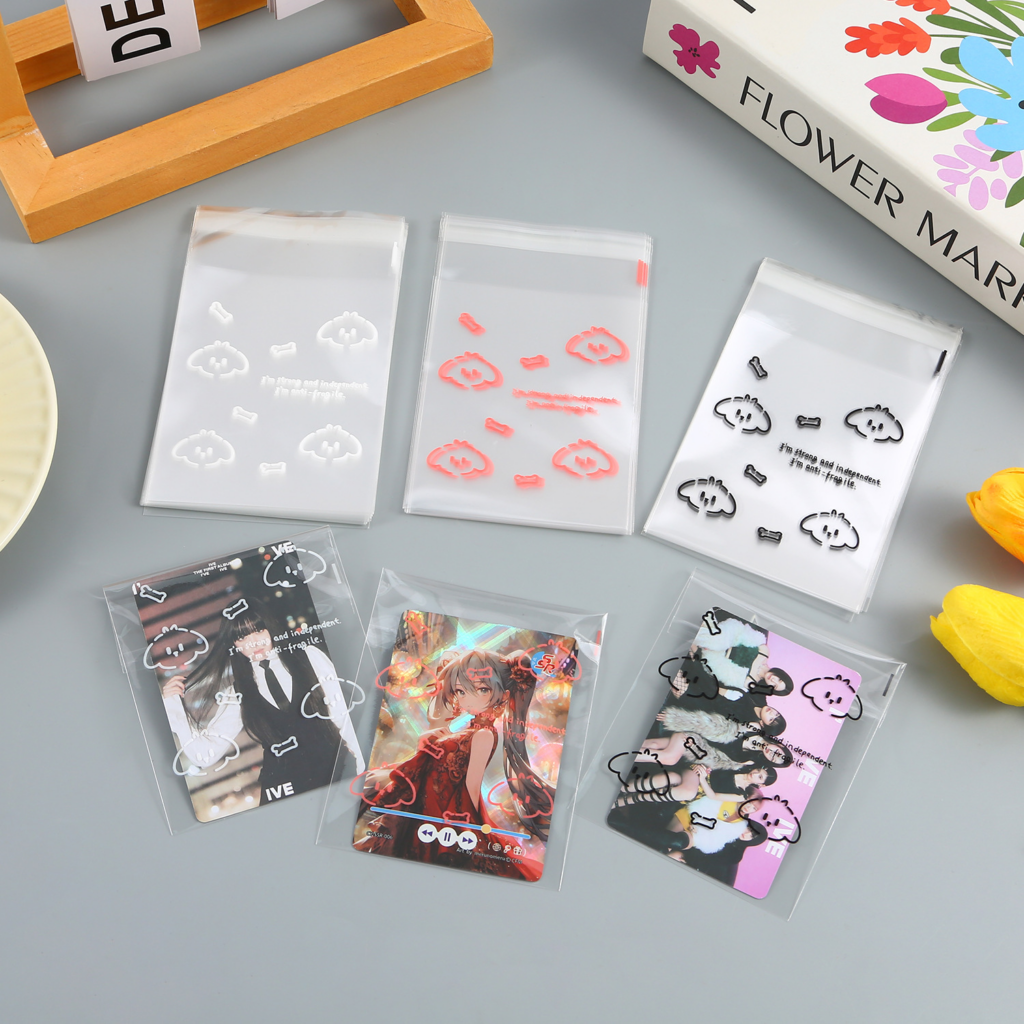
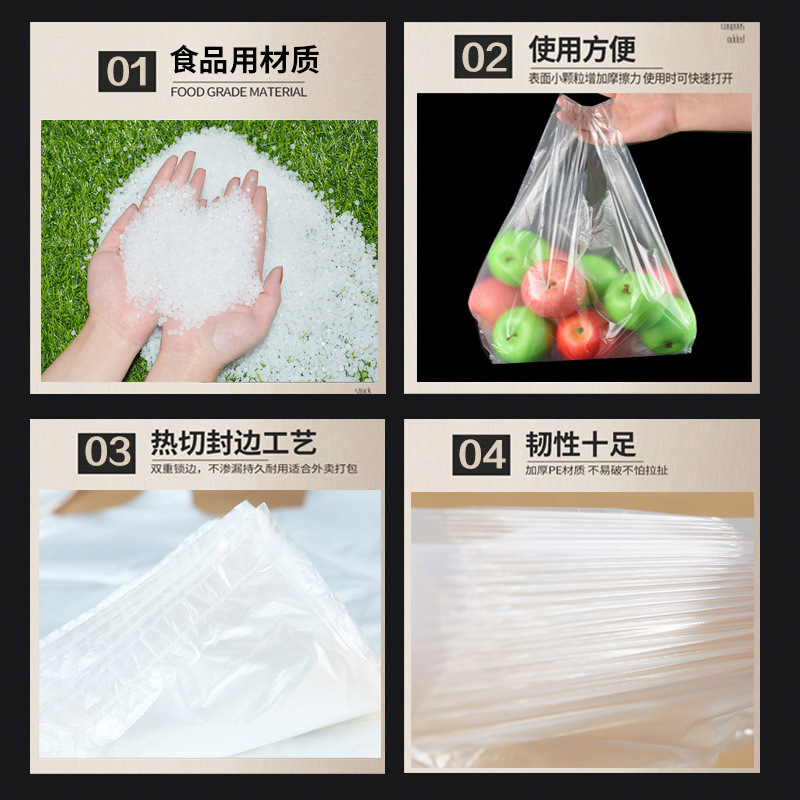
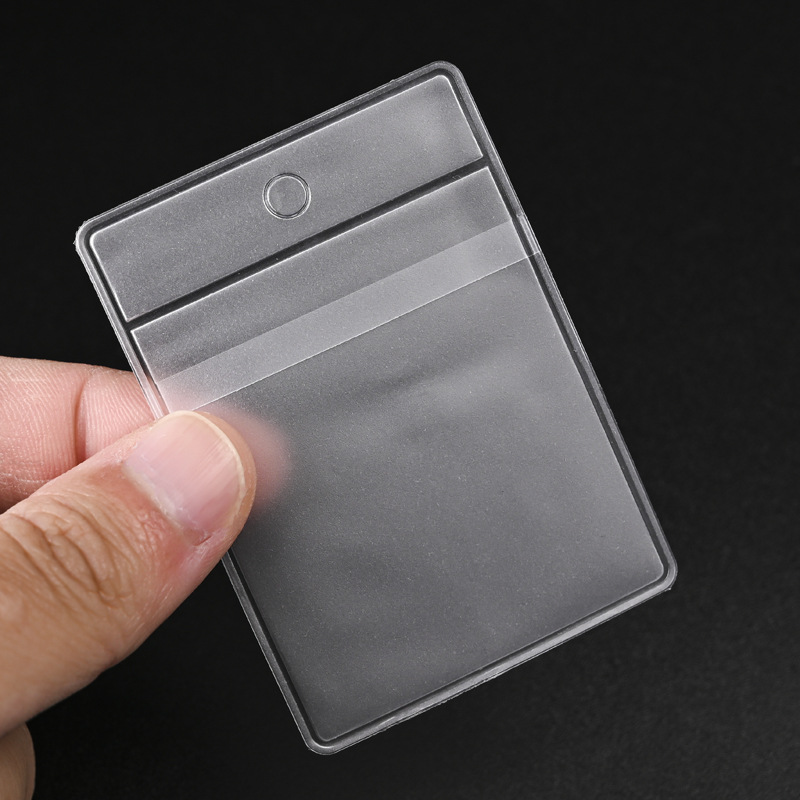
For collectors—whether of trading cards, vintage photographs, or important documents—plastic sleeves are lifelines. A good card sleeve is typically made from clear, food-grade polypropylene (PP) or polyethylene (PE), materials that are both durable and chemically inert, meaning they won’t react with the cards they protect. The thin, flexible design allows sleeves to slide easily into binders or display cases without scratching the surface, while the sealed edges prevent dust, moisture, and UV rays from degrading the contents over time.
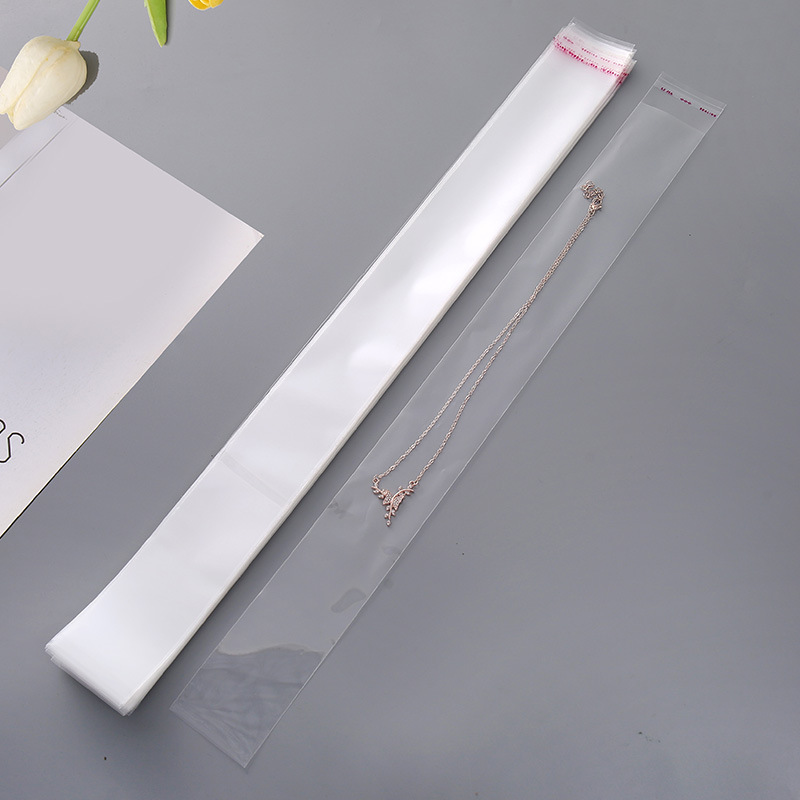
Beyond collectibles, card sleeves have found a home in everyday organization. Office workers use them to protect business cards, preventing the glossy finishes from smudging or tearing. Parents slip children’s school photos into sleeves to keep them safe in scrapbooks. Even libraries use specialized card sleeves to preserve rare manuscripts, ensuring they remain readable for generations. In this way, plastic pouches become guardians of memory, turning fleeting moments into tangible, lasting keepsakes.
Food Wraps: Keeping Freshness Locked In
In the kitchen, plastic pouches take on a different but equally vital role: preserving food. From leftovers to meal-prep salads, these pouches seal out air and moisture, extending the shelf life of perishables. Their flexibility means they conform to the shape of whatever is inside—whether a single strawberry or a bulk container of nuts—minimizing wasted space in refrigerators or pantries.
The secret to their effectiveness lies in the “zipper” seal many feature. This resealable closure creates an airtight barrier, preventing spills and keeping odors contained (a boon for storing strong-smelling items like cheese or garlic). For parents packing school lunches, this means no more squashed sandwiches or leaking yogurt cups; for campers, it means lightweight, packable containers that won’t take up valuable backpack space. Even restaurants have embraced plastic pouches, using them to portion out sauces or dressings for takeout orders, reducing waste and improving hygiene.
Materials and Sustainability: Balancing Convenience and Responsibility
As awareness of environmental issues grows, so does scrutiny of plastic products—including pouches. Critics argue that single-use plastics contribute to pollution, but the reality is more nuanced. Many modern plastic pouches are designed with sustainability in mind, and their reusability often makes them a better choice than disposable alternatives.
Common Plastics Used
Most plastic pouches are made from low-density polyethylene (LDPE) or polypropylene (PP). LDPE is lightweight and flexible, making it ideal for thin, crush-resistant pouches. PP, on the other hand, is slightly sturdier and has a higher melting point, making it suitable for hot foods or microwave-safe applications (though not all pouches are microwave-safe—always check labels). Both materials are recyclable in many regions, though recycling rates depend on local infrastructure.
Eco-Friendly Innovations
To address sustainability concerns, manufacturers have introduced several improvements. Some pouches now use post-consumer recycled (PCR) plastic, reducing the demand for new raw materials. Others are designed for compostability, though true compostable plastics require industrial facilities to break down properly. Reusable pouches, made from thicker, food-grade plastics, are also gaining popularity: these can be washed and reused hundreds of times, drastically reducing waste compared to single-use options.
Consumers play a role too. By choosing reusable pouches over disposable plastic bags, and by recycling properly, individuals can extend the life of these products and minimize their environmental footprint.
Everyday Applications: Where Plastic Pouches Shine
The true magic of plastic pouches lies in their ability to adapt to almost any need. Here are just a few of the ways they organize, protect, and simplify daily life:
Travel Essentials
Packing for a trip? Plastic pouches are your best friend. Use small ones to corral toiletries like shampoo or lotion, preventing leaks in your luggage. Medium-sized pouches can hold socks, underwear, or accessories, keeping them separate from clothes. Large pouches even work as makeshift laundry bags, separating dirty clothes from clean ones during a trip. Their lightweight design means they won’t add unnecessary weight to your suitcase, and their transparency makes it easy to find what you need without rummaging.
Craft and Hobby Storage
Crafters know the pain of misplaced supplies—missing beads, scattered buttons, or tangled threads. Plastic pouches solve this problem neatly. Transparent sleeves keep small craft items visible and accessible, while labeled pouches (using permanent markers or adhesive labels) help categorize supplies by project. For artists, they’re perfect for storing paint tubes or charcoal sticks; for model builders, they keep tiny parts organized during long building sessions.
Gift Wrapping and Presentation
Plastic pouches add a polished touch to gifts. Instead of using bulky gift boxes, slip a small pouch over a bottle of wine, a box of chocolates, or even a pair of earrings. The clear plastic lets the recipient see the gift immediately, while the sealed edges ensure it stays secure. For eco-conscious givers, reusable pouches double as a thoughtful extra: after the gift is opened, the pouch can be repurposed for storage, reducing waste.
Choosing the Right Plastic Pouch: Key Considerations
With so many options available, selecting the perfect plastic pouch depends on your needs. Here are some factors to keep in mind:
Size and Capacity
Start by determining what you’ll store. A small pouch (6×8 inches) works for business cards or jewelry; a medium pouch (10×12 inches) is ideal for lunch or travel toiletries; a large pouch (14×16 inches) can hold bulk snacks or small blankets. Avoid oversized pouches for small items—they’ll take up more space and make it harder to find what you need.
Seal Type
Resealable zippers are a must for food or moisture-sensitive items, as they keep contents fresh. For card sleeves or non-perishables, heat-sealed edges may suffice, though they’re less reusable. Some pouches feature both a zipper and a heat-seal, offering flexibility for different uses.
Material Thickness
Thicker plastic (e.g., 0.06mm to 0.1mm) is more durable and resistant to punctures, making it better for heavy-duty tasks like storing tools or sharp objects. Thinner plastic (0.03mm to 0.05mm) is lighter and more affordable, ideal for lightweight items like photos or snacks.
Conclusion
Plastic pouches are far more than simple storage tools—they’re versatile, adaptable, and integral to modern life. From protecting valuable collectibles to keeping food fresh, these small bags demonstrate how everyday objects can have a big impact. By understanding their materials, uses, and proper care, we can maximize their utility while minimizing their environmental footprint. Whether you’re a collector, a traveler, or a busy parent, a well-chosen plastic pouch is sure to become an indispensable part of your daily routine.
How to purchase: https://looperbuy.com/search?keywords=bags+plastic&globalType=1688
Frequently Asked Questions
Q1: Can I wash plastic pouches used for food? A: Yes, most food-safe plastic pouches can be washed with mild soap and warm water. Use a soft brush to scrub the interior, then rinse thoroughly and let air dry. Avoid using abrasive cleaners or putting them in the dishwasher, as high heat can warp the plastic over time. For best results, choose pouches labeled “dishwasher-safe” if you plan to use a dishwasher.
Q2: Are plastic pouches safe for storing hot foods? A: It depends on the material. Polypropylene (PP) pouches have a higher heat tolerance (up to 220°F/104°C) and are generally safe for hot foods, while low-density polyethylene (LDPE) pouches (max temp around 195°F/90°C) may warp with very hot items. Always check the product’s temperature rating before storing hot foods, and never microwave pouches unless they’re explicitly labeled “microwave-safe.”
Q3: How do I remove stubborn stains from plastic pouches? A: For food stains like grease or sauce, wipe the pouch with a mixture of baking soda and water (make a paste, apply, let sit, then rinse). For sticky residues, use a small amount of rubbing alcohol on a cotton swab. Avoid harsh chemicals like bleach, as they can discolor or weaken the plastic.
Q4: Can I reuse single-use plastic pouches? A: Absolutely. While many plastic pouches are marketed as “single-use,” they’re often durable enough for multiple uses. Just rinse them thoroughly after each use and check for tears or weak seals. Reusing reduces waste and saves money in the long run.
Q5: What’s the best way to store empty plastic pouches? A: To save space, flatten empty pouches and stack them in a drawer or cabinet. For larger pouches, roll them up and secure with a rubber band to keep them from unrolling. Avoid folding them sharply, as this can create creases that weaken the plastic over time.
Hot Tags: plastic storage pouches, food wrap bags, card protector sleeves, reusable plastic bags, eco-friendly packaging, travel organizing solutions, craft supply organizers, gift presentation ideas, transparent storage bags, durable plastic pouches