
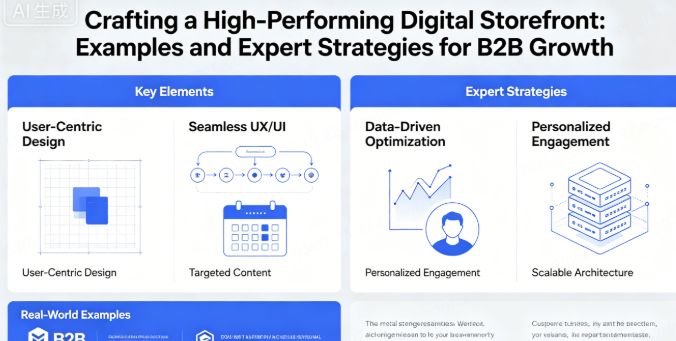
In the modern B2B ecosystem, a company’s digital storefront is its most critical asset. It serves as the primary gateway for global buyers—brands, wholesalers, and manufacturers—to discover, evaluate, and procure products. For platforms like LooperBuy, which bridges the gap between global demand and the vast, diverse manufacturing capacity of China, the efficiency of this digital storefront is the engine of competitive advantage.
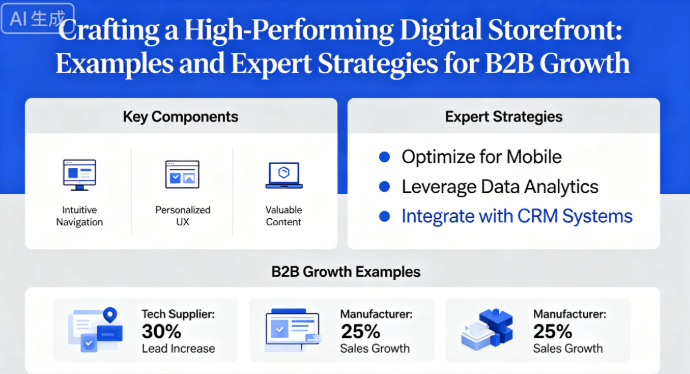
This guide explores the essential components of a robust storefront, provides actionable digital storefront examples, and outlines why a headless, composable architecture is the gold standard for B2B leaders.
Table of Contents
Defining the Digital Storefront in a B2B Context
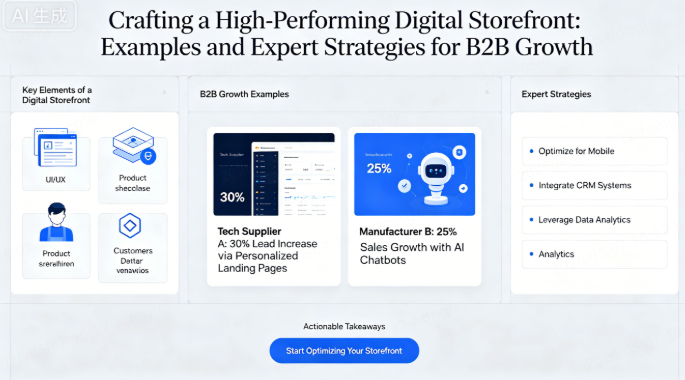
At its core, a digital storefront (often referred to as the “frontend”) is the customer-facing layer of your ecommerce ecosystem. While the backend manages the complex business logic, inventory data, and pricing, the digital storefront is what the user experiences.
For B2B players, a successful storefront goes beyond aesthetics. It must provide frictionless procurement, accurate technical specifications, and transparent logistics—elements that, when optimized, significantly shorten the B2B sales cycle.
The Headless Paradigm: Why It’s the Best Practice
To remain agile, industry leaders are shifting away from traditional, monolithic platforms toward headless commerce.
- Decoupling for Agility: By separating the frontend from the backend via APIs, businesses can update the user interface without risking stability in the backend commerce logic.
- Rapid Innovation: With headless architecture, frontend developers can deploy new features—such as custom quoting tools or regionalized product displays—in days rather than months.
- Omnichannel Consistency: A headless approach allows you to push the same product data to a web portal, a mobile app, and a third-party marketplace simultaneously, ensuring consistent pricing and availability across all channels.
Key Benefits of a Robust Digital Storefront
For manufacturers and wholesalers, investing in a high-performing storefront yields measurable ROI:
- Enhanced Brand Authority: A professional, intuitive interface builds immediate trust with international buyers who may be sourcing from your platform for the first time.
- Increased Customer Retention: Over 90% of B2B buyers state that a superior mobile experience makes them more likely to repurchase from the same vendor.
- Data-Driven Customization: A well-architected storefront tracks purchasing patterns, enabling platforms like LooperBuy to offer personalized product recommendations that align with a buyer’s specific procurement history.
- Operational Scalability: Modern architectures handle complex catalogs with millions of SKUs, ensuring that as your product variety grows, the site speed remains lightning-fast.
Digital Storefront Examples and Strategic Features
To stay competitive, your digital storefront must do more than just display products. Consider these functional digital storefront examples that B2B platforms should integrate:
1. Intelligent Search and Filtering
B2B buyers often search by technical specs (e.g., material grade, voltage, weight). An advanced storefront must offer parametric search, allowing users to filter by specific attributes rather than just category names.
2. Regionalized Logistics Transparency
For global sourcing, shipping costs are a major barrier. Displaying real-time landed costs (product price + shipping + duties) directly on the product page—a key feature for platforms like LooperBuy—significantly reduces checkout abandonment.
3. Progressive Web Apps (PWAs)
PWAs combine the best of websites and mobile apps. They provide offline capabilities, fast loading speeds, and push notification functionality, ensuring that buyers stay connected even with intermittent internet in different global regions.
4. Self-Service Account Portals
B2B buyers need to manage reorders, track shipments, and view past invoices independently. A robust digital storefront acts as a 24/7 self-service hub, reducing the burden on your customer support teams.
Implementation Roadmap: Building Your Storefront
| Phase | Strategy | Benefit |
|---|---|---|
| Discovery | Map buyer journey & technical requirements | Ensures the architecture meets business needs |
| Composable Build | Use API-first components (e.g., headless CMS) | Dramatically faster time-to-market |
| Optimization | Implement SEO-rich content & mobile-first design | Higher organic visibility & better CX |
| Scaling | Enable multi-currency & multi-region support | Unlocks global growth potential |
Expert Insight: The Role of Content-Driven Commerce
Industry experts suggest that “Content-Driven Commerce” is the next frontier. By embedding technical whitepapers, assembly videos, and industry-specific guides directly into the product catalog, you transform your storefront into a trusted educational resource. This authority-building strategy is essential for B2B brands looking to differentiate themselves in the Chinese manufacturing sector.
“A digital storefront is not merely a page where products are listed. It is a strategic tool for predictive convenience, designed to show the right buyer the right product at the moment of maximum intent.”
Conclusion
A high-performing digital storefront is the backbone of global B2B success. By embracing a headless, composable architecture, you gain the flexibility to adapt to market trends, the scalability to handle global traffic, and the customer experience necessary to drive long-term loyalty. Whether you are a brand, wholesaler, or manufacturer, optimizing your storefront is no longer optional—it is the foundation of digital transformation.
Ready to streamline your global sourcing operations? Visit LooperBuy to experience a platform built for modern B2B efficiency.
References
- Virto Commerce: Digital Storefronts & Frontend Architecture – Expert insights into headless architecture and storefront best practices.
- Gartner: Magic Quadrant for Digital Commerce 2025 – Industry benchmarking for digital commerce capabilities.
FAQ
1. What is the main advantage of a headless digital storefront?
The main advantage is the separation of frontend and backend, allowing for rapid UI updates and high flexibility without impacting core commerce business logic.
2. How does mobile experience impact B2B buyers?
Over 90% of B2B buyers are more likely to return to a vendor who provides a superior mobile experience, making mobile-first design mandatory for global platforms.
3. What are the key features for a global B2B storefront?
Critical features include parametric search, transparent landed-cost calculation, multi-currency support, and self-service account portals.
4. Why is Progressive Web App (PWA) technology important for B2B?
PWAs provide app-like performance within a web browser, supporting offline mode and faster load times, which are crucial for global users with varying internet speeds.
5. How do I start modernizing my B2B digital storefront?
Begin by auditing your current platform’s performance, identifying friction points in the purchasing path, and transitioning to an API-first or headless architecture.
Brief Article Summary :
Unlock global B2B growth with a modern digital storefront. This guide explores headless architecture, essential features like intelligent search, and strategic examples to improve customer retention and conversion. Learn how to build a scalable platform for global sourcing.
Hot tags:
Digital Storefront Examples, B2B Sourcing Platform, Headless Ecommerce, B2B Procurement, Global Supply Chain, API-first Commerce, LooperBuy, B2B User Experience, Progressive Web Apps, Wholesale Distribution.


-700x490.jpeg)