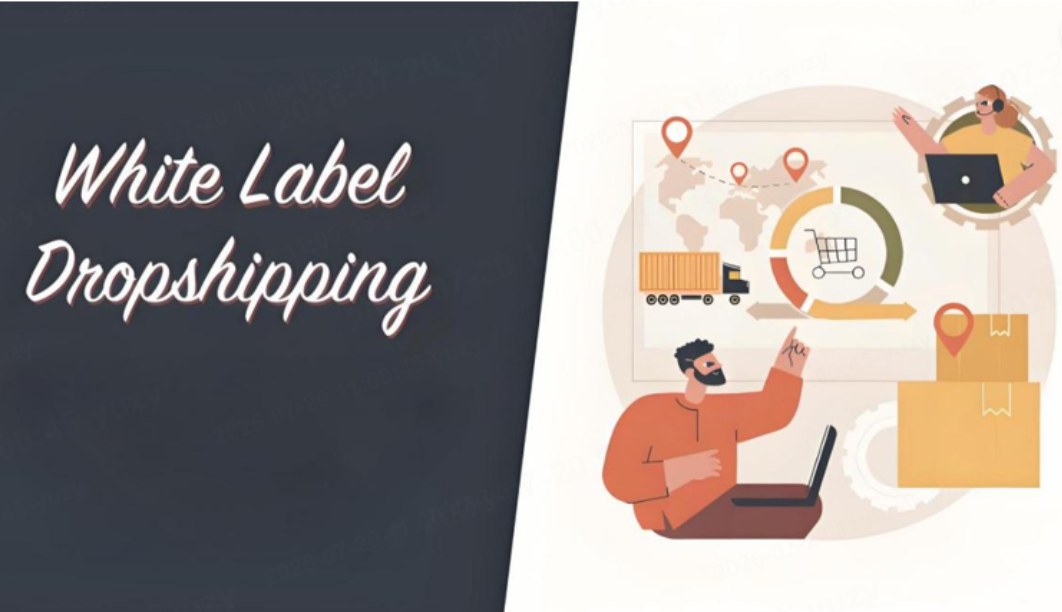
This article explains why more brands are moving to white label dropshipping as a practical way to build stronger branding, lower inventory risk, and scale faster. It covers market trends, operational advantages, product fit, launch steps, common risks, and how LooperBuy can support sourcing and fulfillment for global B2B sellers.
More brands are switching to white label dropshipping because it offers a practical way to build a branded product business without taking on the full burden of inventory, warehousing, and complex logistics. For many sellers, the real appeal is speed: they can test products, launch faster, and stay flexible while still creating a more professional customer experience.
Table of Contents
Why White Label Dropshipping Is Gaining Momentum
White label dropshipping sits between pure dropshipping and full in-house manufacturing. Instead of selling generic products with no brand identity, businesses can sell under their own name while a supplier handles fulfillment behind the scenes. That matters because customers often trust a branded product more than an anonymous listing, especially when they shop online and compare similar offers across many stores.
Grand View Research estimated the global dropshipping market size at $464.4 billion in 2025 and projected it to reach $2,180.8 billion by 2033, driven primarily by the growth of e-commerce, digital payments, automation, and more efficient logistics networks.
What Brands Actually Want
Most brands are not just chasing lower costs. They want control, consistency, and a better way to build repeat purchases. White label dropshipping helps them do that by allowing them to present a unified product line, use branded packaging, and keep the customer experience more consistent from order to order.
From a merchant’s perspective, the model solves several pain points at once:
– Lower upfront inventory risk.
– Faster product testing.
– More room for branding and pricing power.
– Less warehouse management.
– Easier expansion into new markets.
Brand Control And Trust
One of the strongest reasons brands switch is simple: perception. A branded item feels more established, more intentional, and more trustworthy than an unbranded product, especially in categories like beauty, wellness, fashion, and personal care. Research on online brand loyalty consistently shows that trust, reviews, and customer experience shape repeat buying behavior.
That is why white label dropshipping is attractive to founders who care about long-term brand value rather than short-term product arbitrage. It gives them a way to own the visible layer of the business while outsourcing the operational layer to a supplier network.
Operational Advantages
For many sellers, the operational math is convincing. Traditional inventory models tie up cash in stock, storage, and handling. White label dropshipping reduces that pressure because orders can be fulfilled without the brand holding large volumes of product on hand.
It also supports faster experimentation. A brand can launch one product, validate demand, refine the offer, and then expand into bundles or related items. In a market where consumer attention moves quickly, that flexibility is often more valuable than deep inventory commitment.
Where It Fits Best
White label dropshipping works especially well in categories where branding influences purchase decisions and where customers expect a polished presentation. That includes beauty and personal care, supplements, home goods, accessories, pet products, and niche lifestyle items. These are categories where packaging, design, and social proof can materially affect conversion.
Here is a simple way to think about it:
| Business goal | Why white label helps | Best fit |
| Test a new product line | Lowers launch risk | New brands, small teams |
| Build repeat buyers | Creates stronger brand recognition | Beauty, wellness, lifestyle |
| Increase margins | Supports premium positioning | Niche products with clear value |
| Expand internationally | Reduces warehouse pressure | Cross-border sellers |
How Looperbuy Helps
For brands sourcing from China, LooperBuy is positioned to make this model more practical by combining sourcing, quality inspection, warehousing, and global fulfillment in one workflow. That matters because one of the biggest challenges in white label dropshipping is not demand generation; it is supply chain execution.
LooperBuy also highlights services such as verified suppliers, free storage up to 90 days, real product photos before dispatch, global shipping, and OEM/ODM support. For brands that want to move from simple dropshipping toward a more controlled white label setup, that mix can reduce friction at several points in the process.
A Practical Launch Framework
If a brand wants to switch to white label dropshipping, the best approach is to treat it like a structured rollout rather than a quick product upload. The goal is to reduce risk while building a stronger brand asset.
1. Start with a narrow category and one clear customer problem.
2. Choose products that can support packaging, labeling, or light customization.
3. Ask for samples, inspect quality, and review shipping times.
4. Build a product page that explains the brand story and product benefit clearly.
5. Test one or two acquisition channels before scaling.
6. Add bundles, upsells, or repeat-purchase offers once the core product converts.
That process helps brands avoid the most common failure mode: trying to look like a premium brand while still operating with a weak supplier setup.
What Makes It Different From Standard Dropshipping
Standard dropshipping is mainly a fulfillment model. White label dropshipping is both a fulfillment model and a branding strategy. That difference matters because the brand owns the presentation, the positioning, and often the customer relationship, even if production and shipping are handled externally.
| Model | Branding | Inventory burden | Typical use |
| Standard dropshipping | Low | Very low | Fast testing, broad catalogs |
| White label dropshipping | Medium to high | Low to moderate | Brand building, margin expansion |
| Private label | High | Higher | More control, deeper customization |
Common Risks To Manage
White label dropshipping is not risk-free. Quality control, shipping consistency, and supplier dependence remain real concerns, especially when sellers source across borders. If the brand experience is inconsistent, the benefits of branding can disappear quickly.
That is why supplier vetting, clear product specifications, and quality inspection should be built into the workflow from the start. Brands that treat sourcing as a strategic function usually outperform those that treat it as a one-time purchase decision.
Why The Shift Will Continue
The shift toward white label dropshipping is likely to continue because the business environment now rewards brands that are lean, fast, and differentiated. Customers want better product presentation, faster delivery, and more trust signals. Sellers want lower capital risk and more control over how their business looks and feels.
In other words, the model works because it sits at the intersection of branding and operational efficiency. That combination is hard to ignore for any seller trying to scale without building a full manufacturing and warehouse operation from day one.
If your goal is to build a branded product business without taking on heavy inventory risk, white label dropshipping is worth serious consideration. For brands sourcing from China, a platform like LooperBuy can help simplify sourcing, inspection, storage, and fulfillment in one place.
FAQ
1. What is white label dropshipping?
It is a model where a business sells products under its own brand while a supplier handles production and fulfillment.
2. Why do brands prefer it over standard dropshipping?
Because it gives them more brand control, stronger perceived value, and better pricing flexibility.
3. Is white label dropshipping good for new businesses?
Yes, especially if the goal is to test products with lower upfront risk while still building a brand identity.
4. What types of products work best?
Beauty, personal care, home goods, accessories, pet products, and niche lifestyle items usually fit well.
5. What is the biggest risk?
Supplier inconsistency, quality issues, and shipping delays can damage trust if they are not managed carefully.
6. How can a brand scale this model safely?
Use samples, quality checks, clear specifications, and a reliable sourcing and fulfillment workflow.
References
– [LooperBuy — B2B China Goods Sourcing E-Platform] [youtube]
– [Grand View Research — Dropshipping Market Size, Share, Growth Report, 2026-2033] [doba]
– [Alibaba Electronics — What Is White Label Dropshipping?] [electronics.alibaba]
– [USA Drop — What Is White Label and Why Dropshippers Should Care] [usadrop]
– [Ecommerce Express — Everything You Need To Know About White Label Dropshipping] [ecommerce-express]
– [SSRN — The Role of Consumer Trust in Brand Loyalty in Online Shopping] [papers.ssrn]
– [Doba — Top White Label Dropshipping Products: 2025 Bestsellers] [doba]