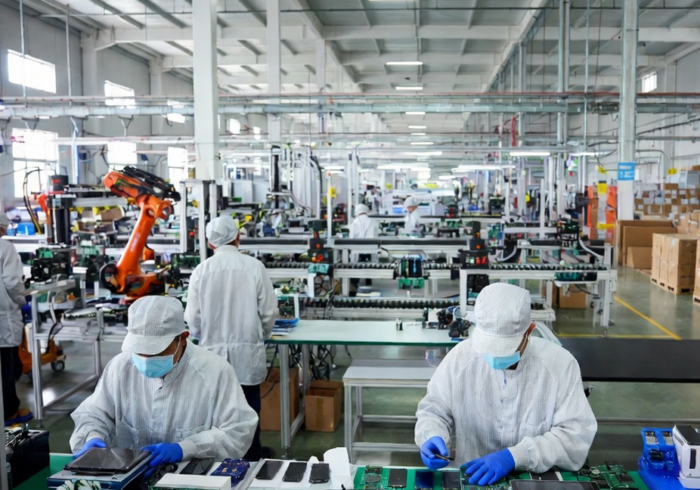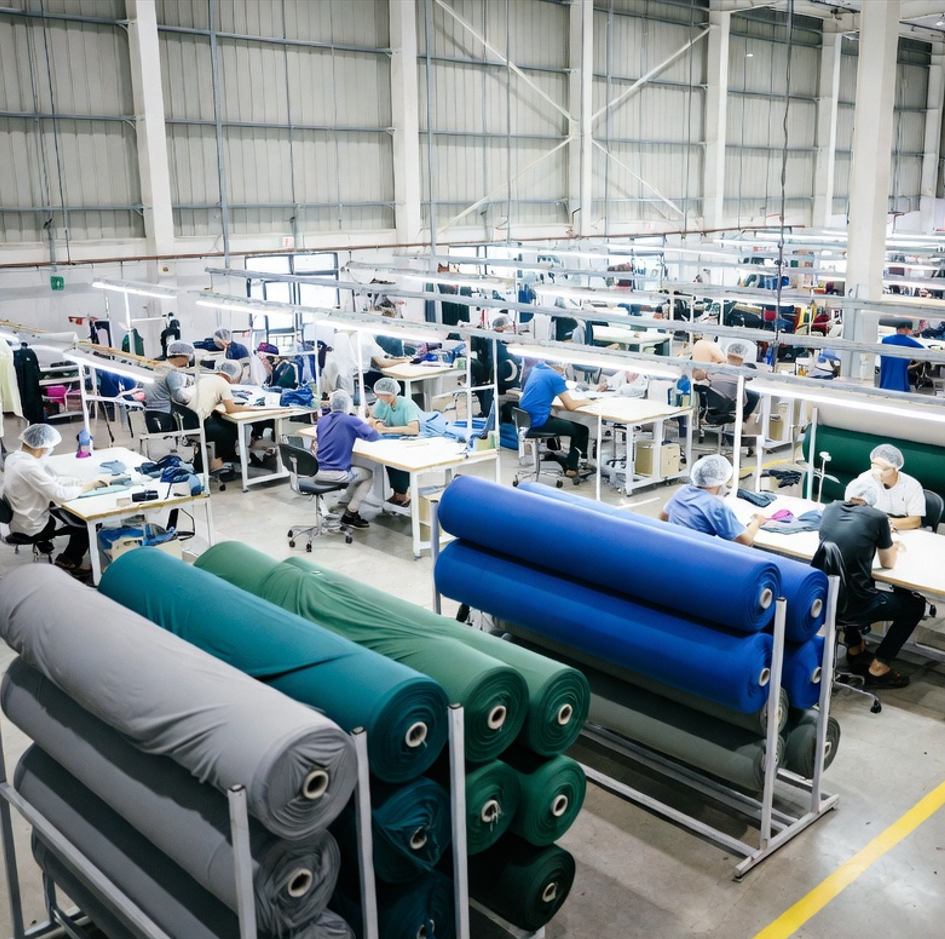
Lululemon’s products are made through a global sourcing network centered in Asia, with major manufacturing in Vietnam, Cambodia, Sri Lanka, Indonesia, Bangladesh, and China. This article explains the brand’s supply chain and shows how Looperbuy helps B2B sellers source smarter with less inventory pressure
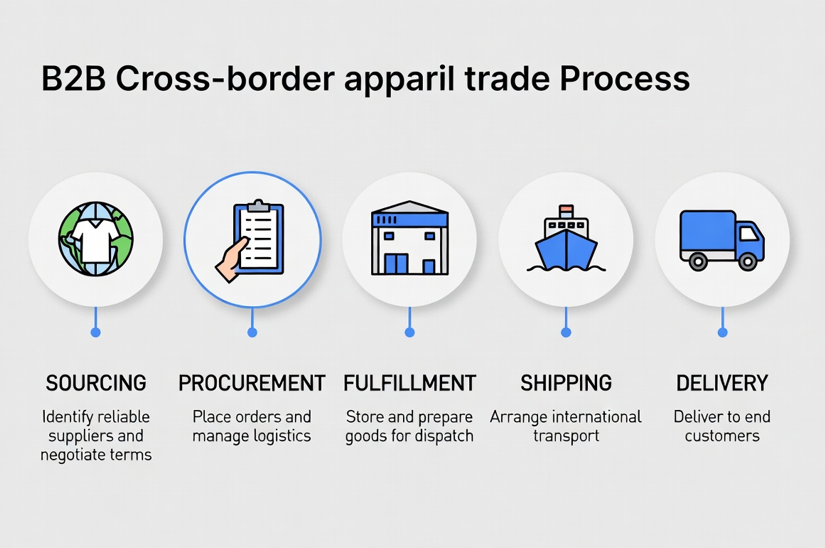
Lululemon products are made through a globally distributed supply chain centered mainly in Asia, with major production in Vietnam, Cambodia, Sri Lanka, Indonesia, Bangladesh, and China. The real lesson for B2B buyers is not just where the brand manufactures, but how it uses supplier diversification, material sourcing, and production oversight to support quality at scale.
For global sellers, that model offers a practical blueprint: build a sourcing system that is flexible, reliable, and light on inventory pressure. That is exactly the kind of workflow Looperbuy is designed to support.
Table of Contents
Why Lululemon’s Supply Chain Matters
Lululemon is a useful case study because it shows how a premium apparel brand can grow without owning factories. The company says it maintains a consolidated, curated supply chain and works directly with Tier 1 and Tier 2 suppliers rather than operating its own manufacturing facilities.
This matters for three reasons:
– Consistency: product quality depends on stable supplier relationships.
– Resilience: production can shift across regions when risk changes.
– Transparency: public disclosures help stakeholders understand sourcing practices.
For procurement teams, this is a reminder that strong supply chains are built on structure, not luck.
Where Lululemon Products Are Made
According to lululemon’s 2022 responsible supply chain disclosure, the company manufactured 39% of products in Vietnam, 14% in Cambodia, 12% in Sri Lanka, 8% in Bangladesh, and 7% in Indonesia. In its 2025 modern slavery statement, lululemon says the majority of its products were manufactured in Vietnam, Cambodia, Sri Lanka, Indonesia, and Bangladesh.
Its fabric sourcing is also geographically diversified. In 2022, 43% of fabrics originated from Taiwan, 19% from China Mainland, and 16% from Sri Lanka. The 2025 statement says the majority of fabrics originated from Taiwan, China Mainland, South Korea, and Vietnam.
Main production and sourcing hubs
| Country / Region | Role in the supply chain | Why it matters |
| Vietnam | Major finished-goods manufacturing hub | Large-scale garment production and strong apparel capacity. |
| Cambodia | Finished-goods manufacturing | Important for apparel assembly and sewing. |
| Sri Lanka | Garment manufacturing and fabric sourcing | Strong technical apparel and textile capability. |
| Indonesia | Finished-goods manufacturing | Supports diversified production capacity. |
| Bangladesh | Finished-goods manufacturing | High-volume apparel production base. |
| Taiwan | Fabric sourcing | Major fabric origin in disclosed data. |
| China Mainland | Fabric sourcing and some manufacturing | Important upstream and production location. |
Why the Brand Uses Multiple Countries
Lululemon’s multi-country model is not accidental. It helps the brand match the right supplier with the right product, while reducing dependence on any single country or factory group.
This approach delivers several advantages:
1. Specialization. Some countries are stronger in fabrics, others in garment assembly.
2. Risk control. Diversification lowers exposure to disruption.
3. Capacity planning. Output can scale across multiple supplier bases.
4. Quality management. The brand can assign categories to factories with the right technical capabilities.
5. Commercial flexibility. Supplier concentration can be adjusted as demand changes.
For global buyers, this is the opposite of a fragile one-supplier model.
What the Disclosures Reveal
Lululemon’s public documents show a supply chain that is managed closely, not left on autopilot. In 2022, the company worked with 45 Tier 1 suppliers and 60 Tier 2 suppliers; in 2025, it reported about 51 Tier 1 suppliers and 65 Tier 2 suppliers.
The company also states that it does not own manufacturing facilities and works with independent suppliers instead. That model allows it to stay asset-light while still controlling production standards through audits, supplier programs, and oversight mechanisms.
A few details stand out:
– Lululemon publishes supplier-related information and updates facility lists.
– It conducts ongoing supply-chain assessments and remediation work.
– It partners with suppliers on wage data, labor systems, and responsible sourcing programs.
– Its supply network supports over 300,000 workers across supplier facilities.
This is a mature supplier-management model, not a simple sourcing list.
The Quality Lesson Behind the Brand
Lululemon’s brand value depends on performance. For athletic apparel, quality is not just stitching and fit; it includes fabric recovery, stretch, feel, moisture management, and durability.
That is why the brand’s sourcing model pays close attention to:
– Fabric origin
– Factory specialization
– Supplier continuity
– Production oversight
– Material and labor traceability
A premium product usually comes from a premium process. Lululemon’s supply chain makes that visible.
What B2B Sellers Can Learn
If you run a global sourcing business, Lululemon’s model offers a simple lesson: you do not need to own inventory to build a serious business.
Instead, you can build around three pillars:
– Reliable sourcing partners
– Flexible order fulfillment
– Tight logistics coordination
This is especially useful for B2B sellers who want to avoid the capital burden of holding stock in warehouses. A lean supply model can reduce storage costs, payment friction, and fulfillment complexity while still supporting cross-border sales.
A practical framework for sellers
1. Choose suppliers with proven product specialization.
2. Separate fabric sourcing from final assembly when needed.
3. Build backup options in more than one country or region.
4. Verify quality with samples before scaling orders.
5. Use fulfillment systems that support fast, inventory-light delivery.
6. Track shipping, lead time, and return performance continuously.
That is the same logic used by large brands, adapted for smaller and faster-moving sellers.
Why China Still Matters
Even in a diversified model, China remains important. Lululemon’s disclosures show China Mainland as a major fabric origin and a continuing part of the supply chain.
For B2B buyers, China still matters because it offers:
– Deep supplier networks
– Wide product coverage
– Strong manufacturing ecosystems
– Flexible customization
– Efficient export infrastructure
The key is not whether to source from China, but how to source from China without building unnecessary inventory risk.
How Looperbuy Helps
Looperbuy is built for sellers who want the benefits of Chinese sourcing without the burden of traditional bulk procurement. Instead of tying up cash in inventory, businesses can source products more flexibly and fulfill orders with less operational overhead.
That means Looperbuy can help you:
– Source reliable Chinese products
– Reduce inventory pressure
– Avoid warehouse-heavy operations
– Simplify procurement workflows
– Improve fulfillment speed for international buyers
– Lower the friction of cross-border trade
If Lululemon shows how a major brand uses supplier networks to stay efficient, Looperbuy helps smaller sellers apply a similar logic in a more practical, scalable way.
Supplier Diversification
Lululemon’s products are made across a broad, Asia-centered supplier network, with Vietnam, Cambodia, Sri Lanka, Indonesia, Bangladesh, China, and Taiwan playing major roles. The company’s real advantage is not one factory or one country, but the ability to combine supplier diversification with close oversight.
For B2B sellers, the lesson is clear: a smarter supply chain is more valuable than a bigger warehouse. If you want to source Chinese products with less inventory burden and more flexibility, Looperbuy can help you build that model.
If you’re ready to build a leaner sourcing operation, Looperbuy can help you source from China, streamline fulfillment, and grow without heavy stock commitments.
FAQ
1. Is Lululemon made in China?
Yes. China Mainland remains an important part of Lululemon’s supply chain, especially for fabric sourcing.
2. Is Lululemon made in Canada?
Lululemon is headquartered in Canada, but most manufacturing happens outside Canada through a global supplier network.
3. Why does Lululemon use so many countries?
Because different countries provide different strengths in garment production, fabric sourcing, and risk diversification.
4. Does Lululemon own its factories?
No. Lululemon says it works with independent suppliers and does not own manufacturing facilities.
5. What can B2B sellers learn from Lululemon?
The main lesson is to combine supplier specialization with flexible fulfillment and strong oversight, instead of depending on one source or holding too much inventory.
6. How does Looperbuy fit into this model?
Looperbuy helps sellers source Chinese products and fulfill orders with less inventory pressure, making the supply chain more flexible and cost-efficient.
References
1. Lululemon. *Responsible Supply Chain Disclosure 2022*. [PDF]
2. Lululemon. *Modern Slavery Statement 2025* (published May 2026). [PDF]
3. Ohio State University Commodity Chain Project. *Manufacturing | Commodity Chain Project ~ lululemon athletica*. [Page]
4. Matulewicz, K. & Clarke, M. *A Case Study of Lululemon Athletica* (May 2025). [PDF]
5. Global Sources Knowledge. *Where Are Lululemons Made?* [Page]