Table of Contents
Introduction to Drop Shipping
In recent years, the e-commerce landscape has evolved dramatically, giving rise to various business models that cater to the needs of entrepreneurs and consumers alike. One such model that has gained immense popularity is drop shipping. This article aims to provide a comprehensive understanding of what a drop shipping business is, how it operates, and the advantages it offers to aspiring business owners.

What is Drop Shipping?
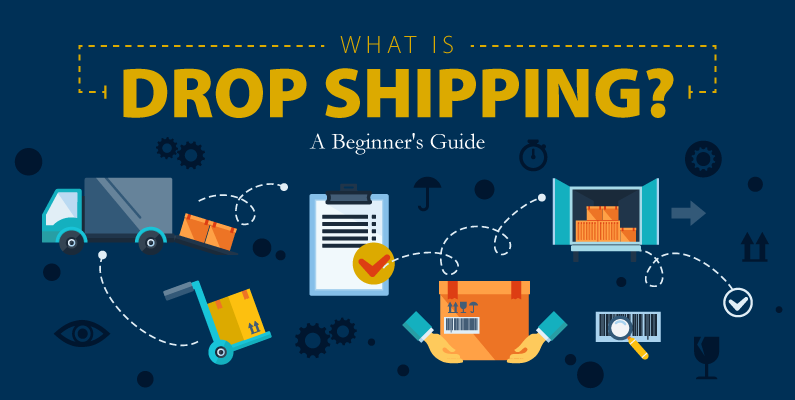
Drop shipping is a retail fulfillment method where a store does not keep the products it sells in stock. Instead, when a store sells a product, it purchases the item from a third party and has it shipped directly to the customer. As a result, the seller does not have to handle the product directly, which significantly reduces the overhead costs associated with inventory management.
How Drop Shipping Works
The drop shipping process involves several key steps:
- Setting Up an Online Store: Entrepreneurs can create an online store using platforms like Shopify, WooCommerce, or BigCommerce. These platforms provide the necessary tools to set up a storefront, manage products, and process payments.
- Choosing a Niche: Successful drop shippers often focus on a specific niche or market segment. This allows them to target a particular audience and tailor their marketing efforts accordingly.
- Finding Suppliers: Once a niche is selected, the next step is to find reliable suppliers. Many drop shippers use platforms to connect with suppliers who offer products that can be drop shipped.
- Listing Products: After establishing a relationship with suppliers, entrepreneurs can list products on their online store. This includes writing product descriptions, setting prices, and uploading images.
- Processing Orders: When a customer places an order, the drop shipper forwards the order details to the supplier, who then ships the product directly to the customer. The drop shipper earns a profit by marking up the price of the product.
- Customer Service: Although the drop shipper does not handle the products, they are responsible for customer service. This includes addressing inquiries, handling returns, and ensuring customer satisfaction.
Advantages of Drop Shipping
Drop shipping offers several benefits that make it an attractive option for entrepreneurs:
Low Startup Costs
One of the most significant advantages of drop shipping is the low startup costs. Since there is no need to invest in inventory upfront, entrepreneurs can start their businesses with minimal financial risk. This makes it an ideal option for those who are new to e-commerce or have limited capital.
Flexibility and Scalability
Drop shipping businesses can be operated from anywhere with an internet connection. This flexibility allows entrepreneurs to work from home or while traveling. Additionally, as the business grows, it can easily scale without the need for significant investments in inventory or warehouse space.
Wide Product Selection
With drop shipping, entrepreneurs can offer a vast array of products without the need to stock them. This allows them to test different products and niches without the risk of being stuck with unsold inventory. If a particular product does not perform well, it can be easily removed from the store.
Reduced Risk
Since drop shippers do not purchase inventory until a sale is made, the financial risk is significantly lower compared to traditional retail models. This allows entrepreneurs to experiment with different products and marketing strategies without the fear of losing money on unsold inventory.
Focus on Marketing and Customer Service
With the operational aspects of inventory management and shipping handled by suppliers, drop shippers can focus their efforts on marketing and customer service. This can lead to improved customer satisfaction and increased sales.
Challenges of Drop Shipping
While drop shipping has many advantages, it is not without its challenges. Understanding these challenges is crucial for anyone considering this business model.
Competition
The low barrier to entry in drop shipping means that competition can be fierce. Many entrepreneurs may be selling the same products, making it essential to differentiate your store through branding, marketing, and customer service.
Supplier Reliability
The success of a drop shipping business heavily relies on the reliability of suppliers. If a supplier fails to deliver products on time or provides poor-quality items, it can negatively impact the drop shipper’s reputation and customer satisfaction.
Lower Profit Margins
Due to the competitive nature of drop shipping, profit margins can be lower compared to traditional retail models. Entrepreneurs must carefully manage their pricing strategies to ensure profitability while remaining competitive.
Inventory Management
While drop shippers do not hold inventory, they must still keep track of stock levels with their suppliers. If a product is out of stock, it can lead to canceled orders and dissatisfied customers.
Customer Service Challenges
As the primary point of contact for customers, drop shippers must handle all customer service inquiries. This can be challenging, especially if issues arise with suppliers or shipping delays.
How to Start a Drop Shipping Business
Starting a drop shipping business involves several key steps:
Step 1: Research Your Market
Before launching a drop shipping business, it is essential to conduct thorough market research. Identify potential niches, analyze competitors, and understand customer preferences. This information will help you make informed decisions about product selection and marketing strategies.
Step 2: Choose a Business Model
There are various drop shipping business models to consider, including:
- General Store: A store that offers a wide range of products across different categories.
- Niche Store: A store that focuses on a specific product category or market segment.
- Single Product Store: A store that specializes in selling one product or a small range of related products.
Step 3: Select a Platform
Choose an e-commerce platform that suits your needs.These platforms offer user-friendly interfaces and various features to help you manage your online store effectively.
Step 4: Find Reliable Suppliers
Research and connect with reliable suppliers who offer drop shipping services. Look for suppliers with a good reputation, quality products, and efficient shipping processes. Consider using platforms like AliExpress, Oberlo, or SaleHoo to find potential suppliers.
Step 5: Create Your Online Store
Set up your online store by customizing the design, adding product listings, and configuring payment options. Ensure that your store is visually appealing and easy to navigate to enhance the user experience.
Step 6: Market Your Store
Once your store is live, focus on marketing strategies to attract customers. Utilize social media, search engine optimization (SEO), and paid advertising to drive traffic to your store. Building an email list can also help you engage with customers and promote new products.
Step 7: Monitor and Optimize
Regularly monitor your store’s performance and make necessary adjustments. Analyze sales data, customer feedback, and marketing efforts to identify areas for improvement. Continuously optimizing your store will help you stay competitive in the market.
Conclusion
In conclusion, drop shipping is a viable business model that offers numerous advantages for aspiring entrepreneurs. With low startup costs, flexibility, and the ability to offer a wide range of products, it has become an attractive option for many. However, it is essential to be aware of the challenges associated with drop shipping, such as competition and supplier reliability. By conducting thorough research and implementing effective marketing strategies, entrepreneurs can build successful drop shipping businesses.
Ready to start your drop shipping journey and discover a world of unique products at unbeatable prices? Visit https://looperbuy.com/ today and elevate your shopping experience!
Related Questions & Answers
· What are the main benefits of drop shipping? The main benefits of drop shipping include low startup costs, flexibility, a wide product selection, reduced risk, and the ability to focus on marketing and customer service.
· How do I find reliable suppliers for drop shipping? You can find reliable suppliers through platforms like AliExpress, Oberlo, and SaleHoo, as well as by researching and contacting manufacturers directly.
· What are the common challenges faced in drop shipping? Common challenges include intense competition, supplier reliability issues, lower profit margins, inventory management, and customer service difficulties.
· Can I run a drop shipping business from anywhere? Yes, drop shipping businesses can be operated from anywhere with an internet connection, making it a flexible option for entrepreneurs.
· How can I market my drop shipping store effectively? Effective marketing strategies include utilizing social media, search engine optimization (SEO), paid advertising, and building an email list to engage with customers.
Hot Tags: Drop Shipping; E-commerce; Online Business; Retail Fulfillment; Supplier Management; Market Research; Business Model; Inventory Management; Customer Service