Discover what suppliers never tell you about cross‑border fulfillment costs. Learn how hidden fees, opaque quotes, and failure risks erode B2B margins—and how platforms like Looperbuy bring transparency, control, and profitability to China‑to‑world logistics.
What suppliers never tell you about cross‑border fulfillment costs is that the “shipping fee” you see on a quote is often less than half of your true landed cost once hidden surcharges, handling, and failure risks are included. From a B2B operator’s point of view, ignoring these invisible items can quietly erase 10–20% of your margin on every international order. [freightamigo]
Table of Contents
What Suppliers Never Tell You About Cross-Border Fulfillment Costs
If you run a global B2B business, you already know freight is not your biggest enemy—uncertainty is. Suppliers will happily quote you a low “all‑in” rate, but very few break down the real cost structure behind cross‑border fulfillment, from customs brokerage to last‑mile failure and return logistics. As someone who has spent years working with cross‑border sellers and Chinese factories, I’ve seen healthy product lines go unprofitable simply because teams underestimated these hidden costs or trusted overly simplified quotes. [veridion]
In this guide, we will unpack what suppliers never tell you about cross‑border fulfillment costs, why those blind spots exist, and how platforms like Looperbuy are designed to give you cost transparency and operational control instead of surprises. Use this as a practical playbook to audit your current logistics setup, renegotiate with partners, and choose sourcing and fulfillment models that protect your margins instead of leaking them away silently. [looperbuy]
The Real Meaning of “Cross-Border Fulfillment Costs”
What you think you’re paying vs. what you actually pay
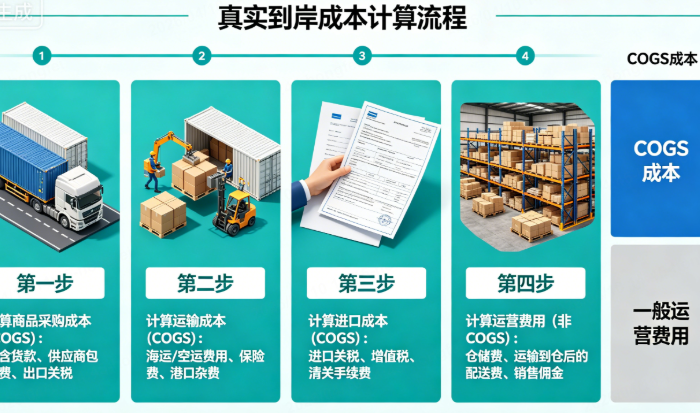
Most B2B buyers assume cross‑border fulfillment cost equals freight + a rough estimate of duties and taxes. In reality, the true cost typically includes at least these layers: [freightamigo]
– International freight charge (air, sea, rail, or express) [veridion]
– Fuel and peak season surcharges [flexfulfillment]
– Origin side fees (pickup, export customs clearance, port or terminal handling) [homevolutionchina]
– Destination side fees (import clearance, brokerage, disbursement fees) [unisco]
– Duties, VAT, and other government taxes [cpapracticeadvisor]
– Warehousing, handling, and pick & pack labor [homevolutionchina]
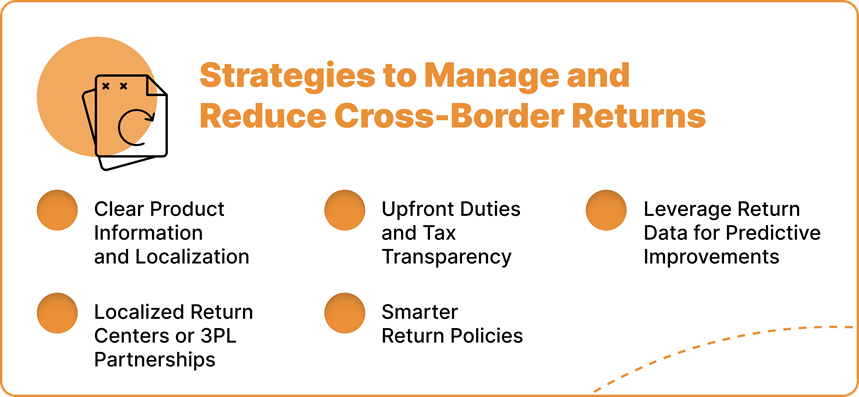
– Failed delivery, redelivery, and return‑to‑origin costs [unisco]
When you put all of this into a P&L, hidden surcharges can add 10–20% on top of what you originally budgeted for logistics. For low‑margin or price‑sensitive products, that spread is the difference between a scalable B2B line and a product that quietly loses money with every order. [droppe]
The Hidden Fees Suppliers Rarely Explain
1. Customs, brokerage, and regulatory charges
Suppliers often quote “FOB port” or “EXW factory” prices that exclude almost everything related to customs and regulation. Some of the least transparent charges include: [smartbuy.alibaba]
– Customs brokerage fees – processing documentation, filing declarations. [freightamigo]
– Disbursement / advancement fees – when carriers prepay duties and then charge you a service fee. [unisco]
– Inspection, quarantine, and compliance fees – product‑specific checks that vary by HS code and destination. [veridion]
For many cross‑border shipments, duties and taxes themselves can exceed the basic freight charge, yet a majority of cross‑border buyers still report being surprised by customs charges at delivery. This is one of the biggest drivers behind abandoned deliveries and lost repeat business. [cpapracticeadvisor]
2. Port, terminal, and carrier surcharges
On paper, your freight rate might look extremely competitive. In practice, carriers and forwarders add a long list of surcharges, such as: [flexfulfillment]
– Fuel surcharges, often fluctuating with oil prices. [flexfulfillment]
– Security and screening fees for air cargo. [freightamigo]
– Port or terminal handling charges and harbor maintenance fees. [homevolutionchina]
– Demurrage and detention when containers or pallets stay too long at the port or with the trucker. [homevolutionchina]
These surcharges often are not highlighted in the initial quote, and brands only see them on the final invoice, long after the shipment has departed. Across Europe and other mature logistics markets, such hidden fulfillment surcharges can represent 10–20% of the total logistics spend if not carefully managed. [flexfulfillment]
3. Warehousing, handling, and last‑mile complexity
If you run a multi‑market B2B operation, your cross‑border fulfillment cost does not stop at customs clearance. You still need: [droppe]
– Storage for inventory, sometimes across multiple hubs. [homevolutionchina]
– Handling and pick & pack for each order. [homevolutionchina]
– Repacking, labeling, and compliance work (e.g., inserts, barcodes, instructions). [smartbuy.alibaba]
– Last‑mile delivery for B2B customers or downstream channels. [unisco]
When these processes are run by different partners under different contracts, cost visibility becomes fragmented, and hidden costs creep in via minimum fees, surcharges, or low productivity. This is where all‑in one platforms with integrated warehousing and fulfillment can significantly simplify your cost model. [looperbuy]
Why Suppliers Keep Cost Structures Opaque
The incentive problem in cross-border logistics
Most suppliers are experts at manufacturing, not at cross‑border logistics design. They tend to choose logistics partners based on simple goals—low unit shipping price and minimal operational hassle—rather than on long‑term cost transparency for you as the buyer. [smartbuy.alibaba]
There are several structural reasons your supplier may not fully explain cross‑border fulfillment costs:
– Limited visibility: They themselves do not receive full breakdowns from forwarders or carriers. [freightamigo]
– Internal focus: Their KPIs focus on ex‑factory price and on‑time shipment, not your landed cost or sell‑through. [droppe]
– Negotiation leverage: A simple “all‑in price” leaves room for them or their partners to absorb or pass on surcharges as needed. [freightamigo]
– After‑shipment detachment: Once goods leave the factory, many suppliers consider their job done, especially on online platforms. [smartbuy.alibaba]
As cross‑border volumes grow, this misalignment becomes more painful: for example, a global survey has shown that lack of transparency around total landed cost and delivery timeline is one of the biggest reasons shoppers abandon cross‑border purchases or refuse delivery. For B2B, that translates into strained distributor relationships and unpredictable cashflow. [cpapracticeadvisor]
The Cost of “Cheap” Fulfillment: Real-World Scenarios
Scenario 1: The margin killer
A mid‑size B2B seller negotiates a “low” per‑carton rate from China to Europe, trusting the supplier’s chosen forwarder. The quote looks great, but the final invoice includes: [flexfulfillment]
– Peak season surcharge
– Documentation fee
– Destination handling
– Unexpected storage due to documentation delays
When everything is reconciled, logistics costs end up 18% higher than the original budget, wiping out almost all margin on a highly competitive category. No single fee was outrageous; the damage came from accumulation and lack of upfront visibility. [flexfulfillment]
Scenario 2: The hidden “failure cost”
Another brand focuses only on freight and duties, ignoring failure risks: lost parcels, delays, and returns. Due to poor tracking and fragmented partners, failed deliveries and re‑shipments quietly add 5–10% to the true fulfillment cost, not counting reputational damage with distributors and marketplaces. [cpapracticeadvisor]
In both situations, suppliers never “lied”—they just never owned the full cost structure, and no one in the chain had the incentive to surface these risks early. [droppe]
How Platforms Like Looperbuy Change the Cost Equation
Looperbuy is built as a cross‑border sourcing and fulfillment platform that brings transparency to these cost layers instead of hiding them behind a single “all‑in” number. The platform specializes in helping global B2B users source products from Chinese channels like 1688, then manage warehousing and global fulfillment with a focus on cost clarity and reduced operational friction. [looperbuy]
Key ways a platform like Looperbuy addresses the hidden cost problem include:
– No price markup and transparent exchange rates, helping you see the real product cost rather than inflated factory quotes. [looperbuy]
– Integrated sourcing + logistics, reducing fragmentation between supplier, warehouse, and carrier. [looperbuy]
– Free or low‑cost warehousing and flexible fulfillment, so you can avoid tying up capital in your own facilities. [looperbuy]
– Dedicated cross‑border operations expertise, drawing on teams with backgrounds in major platforms and logistics providers, which helps anticipate and mitigate hidden surcharges. [blog.looperbuy]
When your sourcing, quality control, and fulfillment sit in one ecosystem, you can track and optimize the total landed cost per SKU and per channel rather than guessing based on incomplete supplier quotes. [looperbuy]
Expert Checklist: Questions to Ask Before You Accept Any Fulfillment Quote
From a practitioner’s standpoint, one of the most powerful tools you have is a structured question list that forces transparency.
10 questions to ask your supplier or logistics partner
1. Which Incoterms does this quote use, and exactly which cost items are excluded?
2. Can you provide a line‑item breakdown for freight, surcharges, handling, and documentation fees?
3. How are duties, VAT, and other taxes calculated, and who pays them at destination?
4. What are the maximum storage days at port or warehouse before demurrage or storage fees apply?
5. What is your rate card for returns, re‑shipments, and address corrections?
6. How do you handle peak season surcharges, and how much did these cost last year for similar routes?
7. What service level agreements (SLAs) do you offer for transit time and on‑time delivery?
8. Which carriers or forwarders do you use, and can we benchmark them against alternatives?
9. How often do you reconcile logistics invoices vs. initial quotes, and can we review sample invoices?
10. How will you share cost and performance data with my team on a monthly or quarterly basis?
By making these questions part of your standard operating procedure, you shift the relationship from “take‑it‑or‑leave‑it freight price” to a professional discussion about cost drivers and risk management. You also quickly see which partners embrace transparency and which ones rely on opacity to maintain margins. [veridion]
Practical Steps to Reduce Cross-Border Fulfillment Costs
Step 1: Map your true landed cost per SKU
Most B2B teams know their ex‑factory cost in detail, but very few know their true landed cost per SKU and per destination. Work backwards from your customer’s delivery address and build a simple cost model that includes: [veridion]
– Product and packaging cost
– International freight and surcharges
– Duties, taxes, and brokerage fees
– Warehousing, handling, and pick & pack
– Last‑mile delivery and failure / return costs
Even a basic model will immediately highlight where 80% of your cost leakage sits. [droppe]
Step 2: Centralize sourcing and fulfillment data
If you source from multiple Chinese factories and use different forwarders or 3PLs, bring your data together into one view. Using an integrated platform like Looperbuy reduces the number of interfaces you must manage and lets you compare cost scenarios across products, markets, and fulfillment strategies. [looperbuy]
Step 3: Test alternative fulfillment models
Depending on your volume and customer profile, you can experiment with:
– Direct‑from‑China dropshipping with transparent DDP (Delivered Duty Paid) pricing. [looperbuy]
– Regional warehousing in key markets to shorten lead times and reduce last‑mile failures. [droppe]
– Hybrid models where slow movers ship cross‑border on demand, while fast movers are pre‑stocked regionally. [flexfulfillment]
The goal is not always to minimize logistics cost at any price, but to align cost, speed, and risk with your actual customer expectations and margin structure. [unisco]
Sample Cost Breakdown Table You Should Demand
Use a table like this as a template when you ask for quotes. Insist on seeing each line as a separate cost item.
| Cost category | Typical hidden elements | Why suppliers rarely highlight it |
| International freight | Fuel surcharge, peak season fee, security chargesfreightamigo+1 | Variable and carrier‑dependent, hard to explain clearlyfreightamigo |
| Port & terminal | Handling, documentation, harbor maintenance feesfreightamigo+1 | Often billed later by local agentsfreightamigo+1 |
| Customs & brokerage | Brokerage, disbursement, inspection feesfreightamigo+1 | Seen as “regulatory noise,” not core supplier businessveridion+1 |
| Warehousing & handling | Storage over free days, pick & pack, relabelinghomevolutionchina+1 | Depends on your volume and accuracy, hard to estimatehomevolutionchina+1 |
| Last‑mile & returns | Failed delivery, redelivery, RTO chargesunisco+1 | Considered “your problem” after dispatchunisco+1 |
When partners must fill this table out, they are forced to surface the things they normally gloss over as “standard charges” or “small extras.” [freightamigo]
When to Move from Supplier-Led Shipping to Platform-Led Fulfillment
There is a natural evolution for many B2B brands:
– At low volumes, letting suppliers handle shipping feels convenient. [smartbuy.alibaba]
– As you scale SKUs, markets, and sales channels, that convenience turns into a black box for costs and performance. [veridion]
You should strongly consider shifting from supplier‑led shipping to a platform‑led model (such as working with Looperbuy for both sourcing and fulfillment) when:
– You cannot clearly explain your landed cost per SKU and per route to your finance team. [veridion]
– Your chargebacks, returns, or delivery complaints are rising across marketplaces or B2B customers. [cpapracticeadvisor]
– You feel locked into a single supplier’s logistics choices and lack negotiating power. [smartbuy.alibaba]
A platform built around cross‑border trade can centralize cost data, offer standardized processes, and give you flexible options for different markets without forcing you to become a full‑time logistics expert. [looperbuy]
Turn Hidden Costs into Competitive Advantage
If you take away one message from this article, let it be this: what suppliers never tell you about cross‑border fulfillment costs is exactly what can make or break your B2B margins. The brands that win in the next phase of global trade will be those that treat logistics not as a black‑box expense, but as a controllable, data‑driven part of their strategy. [unisco]
If you are currently sourcing from China or planning to expand your cross‑border operations, now is the right time to:
– Audit your true landed cost per SKU and per market
– Standardize the questions you ask suppliers and logistics partners
– Explore integrated sourcing and fulfillment options with platforms like Looperbuy, especially if you want transparent costs, minimal hidden fees, and flexible dropshipping or warehouse solutions from China to the world [looperbuy]
Ready to stop guessing your cross‑border fulfillment costs and start controlling them? Consider centralizing your China sourcing and global fulfillment with a platform that is built for transparency, not surprises, and talk to a Looperbuy specialist about your current logistics setup and cost challenges. [looperbuy]
FAQs
1. What are the biggest hidden cross-border fulfillment costs B2B sellers overlook?
The most common blind spots are customs brokerage fees, destination handling charges, demurrage or storage at ports, and the real cost of failed deliveries and returns. [unisco]
2. Why are cross-border fulfillment quotes from suppliers often so vague?
Suppliers usually lack full visibility into every logistics cost component and are focused on ex‑factory pricing and on‑time shipment, not your total landed cost or downstream risks. [homevolutionchina]
3. How can I calculate my true landed cost per SKU?
Start by mapping product cost, freight and surcharges, duties and taxes, warehousing and handling, and last‑mile and return costs for each route, then validate these numbers with actual invoices. [freightamigo]
4. When should I switch from supplier shipping to a dedicated platform like Looperbuy?
It is time to switch when you lack clear cost transparency, handle multiple markets and SKUs, or face growing issues with deliveries, returns, and marketplace performance linked to logistics. [looperbuy]
5. How does Looperbuy help reduce hidden fulfillment costs for global B2B sellers?
Looperbuy integrates China sourcing, warehousing, and global fulfillment, provides transparent pricing with no product markup and zero exchange rate fees, and centralizes data so you can see and optimize the full cost structure. [looperbuy]
References
– FreightAmigo – *What Are the Hidden Fees in Cross-Border Logistics and How a Duty Calculator Helps* – hidden fee categories and typical cost structure.[freightamigo]
– Veridion – *7 Biggest Challenges of Global Procurement* – overview of global procurement and customs‑related complexities. [veridion]
– Looperbuy – *About Looperbuy* – platform features, sourcing scope, and transparency positioning.[looperbuy]
– UNIS – *Global Shopping Hurdles: Hidden Costs Stop Online Sales* – impact of hidden fees and lack of transparency on cross‑border e‑commerce. [unisco]
– Homevolution China – *Common Risks When Sourcing from Online B2B Platforms* – hidden logistics costs and online B2B sourcing challenges. [homevolutionchina]
– Looperbuy – *B2B China Sourcing Platform & Dropshipping Solutions* – Looperbuy service scope and fulfillment capabilities. [looperbuy]
– Looperbuy – *Mercado Libre and LooperBuy Hold Strategic Talks* – cross‑border expertise and market collaboration. [blog.looperbuy]
– CPA Practice Advisor – *Hidden Fees Surprise E-Commerce Shoppers as Global Sales Grow* – consumer survey data on customs surprises and delivery refusal.[cpapracticeadvisor]
– Flex Fulfillment – *Hidden Costs of Fulfillment in Europe* – insight on surcharges as percentage of logistics spend. [flexfulfillment]
– Droppe – *Global Sourcing: Overcoming Common Challenges* – global sourcing logistics and risk perspective. [droppe]