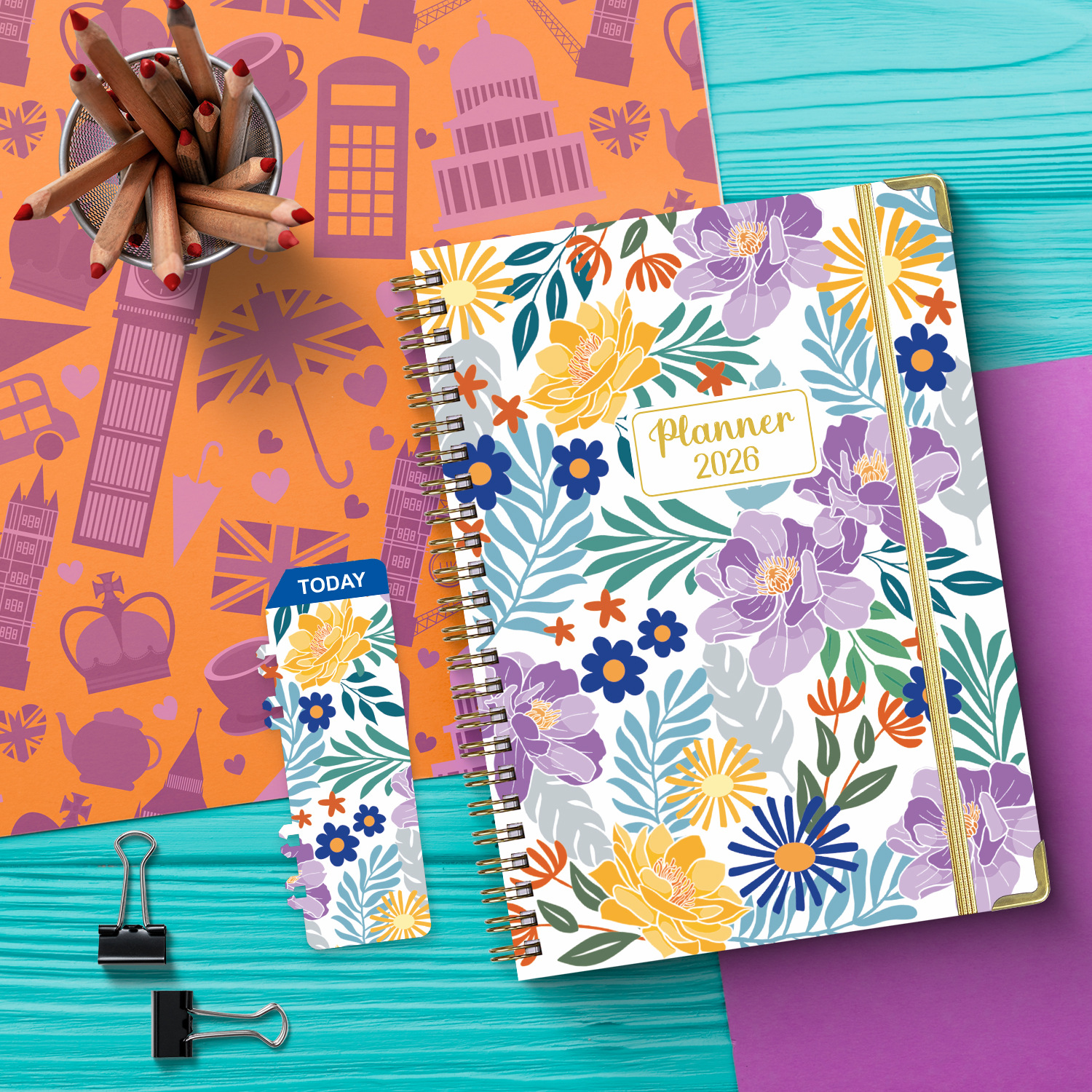
In today’s fast-paced world, staying organized and maintaining a clear focus can be challenging. One effective tool that has gained popularity among professionals, students, and creatives alike is the daily notebook. This versatile tool not only helps in managing tasks but also serves as a canvas for creativity and self-reflection. In this article, we will explore the various aspects of daily notebooks, their benefits, and how to effectively utilize them to enhance your productivity and creativity.
Table of Contents
Understanding the Daily Notebook

What is a Daily Notebook?
A daily notebook is a dedicated space where individuals can jot down their thoughts, tasks, and reflections on a daily basis. Unlike traditional planners, which often have a rigid structure, daily notebooks offer flexibility, allowing users to customize their entries according to their needs. This adaptability makes them suitable for various purposes, from task management to creative writing.
The Evolution of Notebooks
Historically, notebooks have been used for centuries as a means of recording information. From Leonardo da Vinci’s sketches to modern-day bullet journals, the evolution of notebooks reflects the changing needs of society. Today, daily notebooks have become a staple for those seeking to balance their personal and professional lives. The rise of digital technology has also influenced how we use notebooks, with many opting for digital formats that offer additional features like cloud storage and easy sharing.
Benefits of Using a Daily Notebook
Enhanced Organization
One of the primary benefits of using a daily notebook is improved organization. By writing down tasks and appointments, individuals can prioritize their responsibilities and ensure that nothing falls through the cracks. This practice not only helps in managing time effectively but also reduces stress levels associated with forgetfulness. A well-organized notebook can serve as a roadmap for your day, guiding you through tasks and helping you stay focused.
Boosted Creativity
Daily notebooks serve as a creative outlet, allowing users to explore their thoughts and ideas freely. Whether it’s sketching, brainstorming, or writing poetry, the blank pages of a notebook can inspire creativity. Many artists and writers use daily notebooks to capture fleeting ideas that may otherwise be lost. The act of writing itself can stimulate creative thinking, making it easier to generate new ideas and solutions.
Improved Mental Clarity
Writing down thoughts and feelings can lead to greater mental clarity. Journaling in a daily notebook allows individuals to process their emotions and reflect on their experiences. This practice can be particularly beneficial for those dealing with stress or anxiety, as it provides a safe space for self-expression. By articulating thoughts on paper, individuals can gain insights into their feelings and identify patterns that may be affecting their mental health.
Goal Tracking and Accountability
Daily notebooks can also be used to set and track personal and professional goals. By documenting progress and reflecting on achievements, individuals can hold themselves accountable and stay motivated. This practice fosters a sense of accomplishment and encourages continuous growth. Setting specific, measurable goals in your notebook can help you stay focused and committed to your objectives.
Long-Term Goal Planning
Using a daily notebook for long-term goal planning can be incredibly effective. By breaking down larger goals into smaller, manageable tasks, you can create a clear roadmap for achieving your aspirations. For instance, if your goal is to write a book, you can outline chapters, set deadlines for each section, and track your progress daily. This method not only keeps you organized but also allows you to celebrate small victories along the way, which can boost motivation.
Habit Tracking
A daily notebook can also be an excellent tool for habit tracking. By dedicating a section of your notebook to monitor habits, you can visualize your progress and identify patterns. For example, if you aim to exercise regularly, you can create a simple chart to mark each day you complete a workout. This visual representation can serve as a powerful motivator, encouraging you to stay consistent and committed to your goals.
Stress Reduction and Mindfulness
Incorporating mindfulness practices into your daily notebook routine can significantly reduce stress. By taking a few moments each day to reflect on your thoughts and feelings, you can cultivate a sense of calm and clarity. Writing about your experiences can help you process emotions and gain perspective, making it easier to navigate challenges. Additionally, dedicating time to gratitude journaling can shift your focus from stressors to positive aspects of your life, enhancing overall well-being.
How to Effectively Use a Daily Notebook
Choosing the Right Notebook
Selecting the right daily notebook is crucial for maximizing its benefits. Consider factors such as size, paper quality, and binding type. Some popular options include:
- Bullet Journals: These customizable notebooks allow for a mix of planning, journaling, and creative expression. They often include features like index pages and collections, making them versatile for various uses.
- Gridded Notebooks: Ideal for those who prefer structure, gridded notebooks are great for drawing, diagrams, and organized lists. The grid layout can help in maintaining neatness and clarity in your entries.
- Lined Notebooks: Perfect for traditional writing and note-taking, lined notebooks offer a classic approach to journaling. They are widely available and come in various sizes and designs.

Establishing a Routine
To reap the full benefits of a daily notebook, it’s essential to establish a consistent routine. Set aside a specific time each day for writing, whether it’s in the morning to plan your day or in the evening to reflect on your experiences. Consistency will help turn this practice into a habit. You might find that writing in the morning helps you set a positive tone for the day, while evening reflections can provide closure and insights.
Customizing Your Entries
One of the advantages of a daily notebook is the ability to customize entries. Here are some ideas for what to include:
- Daily To-Do Lists: Write down tasks and prioritize them based on urgency and importance. Consider using symbols or colors to indicate the status of each task (e.g., completed, in progress, or pending).
- Gratitude Lists: Reflect on what you are thankful for each day to foster a positive mindset. This practice can enhance your overall well-being and shift your focus toward the positive aspects of life.
- Creative Writing Prompts: Use your notebook for free writing or responding to prompts to spark creativity. You can find prompts online or create your own based on your interests.
- Habit Tracking: Monitor your progress on personal goals, such as exercise or reading. Create a simple chart or use symbols to indicate your success in maintaining habits.
Incorporating Visual Elements
Adding visual elements to your daily notebook can enhance creativity and engagement. Consider incorporating:
- Doodles and Sketches: Draw small illustrations or doodles to accompany your entries. This can make your notebook more visually appealing and enjoyable to use.
- Color Coding: Use different colors for various categories (e.g., work tasks, personal goals) to make your notebook visually appealing. Color coding can also help you quickly identify different types of entries.
- Stickers and Washi Tape: Personalize your notebook with decorative elements that reflect your personality. These embellishments can make the process of journaling more fun and engaging.
Overcoming Common Challenges
Writer’s Block
It’s common to experience writer’s block when using a daily notebook. To overcome this, try the following strategies:
- Free Writing: Set a timer for five minutes and write continuously without worrying about grammar or structure. This can help you bypass mental barriers and get your thoughts flowing.
- Prompts: Use writing prompts to kickstart your creativity and get the words flowing. You can find numerous prompts online or create your own based on your interests.
- Change Your Environment: Sometimes, a change of scenery can inspire new ideas. Try writing in a different location, such as a café or park, to stimulate your creativity.
Maintaining Consistency
Staying consistent with your daily notebook can be challenging. Here are some tips to help you maintain your routine:
- Set Reminders: Use your phone or calendar to set reminders for your daily writing time. This can help you establish a habit and ensure you don’t forget to write.
- Keep It Accessible: Carry your notebook with you to encourage spontaneous writing whenever inspiration strikes. Having it on hand can make it easier to jot down ideas as they come to you.
- Start Small: If you’re struggling to write daily, start with a few entries per week and gradually increase the frequency. This approach can help you build confidence and make writing feel less daunting.
Advanced Techniques for Using a Daily Notebook
Project Management
For those looking to use their daily notebook for project management, consider implementing advanced techniques such as:
- Mind Mapping: Use your notebook to create mind maps for brainstorming ideas related to your projects. This visual representation can help you organize thoughts and identify connections between concepts.
- Gantt Charts: If you’re managing multiple tasks or projects, consider using Gantt charts to visualize timelines and deadlines. This can help you stay on track and ensure that all aspects of your project are progressing as planned.
- Weekly Reviews: Set aside time each week to review your entries, assess your progress, and adjust your plans as needed. This reflective practice can help you stay aligned with your goals and make necessary adjustments.
Integration with Digital Tools
To enhance productivity, consider integrating your daily notebook with digital tools. For example:
- Digital Scanning: Use apps to scan and digitize your handwritten notes, allowing you to access them from anywhere. This can be particularly useful for preserving important entries or sharing them with others.
- Task Management Apps: Sync your notebook entries with task management apps like Todoist or Trello. This can help you streamline your workflow and ensure that all tasks are accounted for in one place.
- Cloud Storage: Store your digital notes in cloud services like Google Drive or Dropbox for easy access and backup. This can provide peace of mind knowing that your notes are safe and retrievable.
Fostering Mindfulness and Reducing Stress
Incorporating mindfulness practices into your daily notebook routine can enhance its benefits. Consider the following techniques:
- Meditative Writing: Spend a few minutes each day writing mindfully, focusing on your breath and the sensations of writing. This practice can help you cultivate a sense of presence and calm.
- Reflection Prompts: Use prompts that encourage self-reflection and introspection. Questions like “What did I learn today?” or “How did I feel during this experience?” can deepen your understanding of yourself.
- Visualization: Spend time visualizing your goals and aspirations in your notebook. This can help you clarify your intentions and motivate you to take action.
Creative Journaling Prompts
To keep your daily notebook engaging, consider using creative journaling prompts. Here are some ideas to inspire your writing:
- Describe a perfect day: Write about what your ideal day would look like from start to finish.
- List your favorite quotes: Compile a list of quotes that inspire you and explain why they resonate with you.
- Write a letter to your future self: Share your hopes, dreams, and advice for your future self.
- Reflect on a challenge: Write about a recent challenge you faced and what you learned from the experience.
- Create a bucket list: List things you want to achieve or experience in your lifetime.
Using a Daily Notebook for Habit Tracking
Habit tracking is a powerful way to build and maintain positive behaviors. Here’s how to effectively use your daily notebook for this purpose:
- Create a Habit Tracker: Dedicate a section of your notebook to track specific habits. You can create a simple grid where each row represents a habit and each column represents a day of the month. Mark off each day you successfully complete the habit.
- Set Clear Goals: Define what habits you want to track and why. For example, if you want to drink more water, set a goal of drinking eight glasses a day. Write this goal in your notebook to keep it top of mind.
- Reflect on Progress: At the end of each week or month, review your habit tracker. Reflect on what worked, what didn’t, and how you can improve. This reflection can help you adjust your strategies and stay motivated.
Using a Daily Notebook for Project Management
A daily notebook can be an invaluable tool for project management. Here’s how to leverage it effectively:
- Define Your Projects: Start by clearly defining the projects you are working on. Write down the objectives, deadlines, and key milestones for each project in your notebook.
- Break Down Tasks: For each project, break down the tasks required to achieve your goals. List these tasks in your notebook, and prioritize them based on deadlines and importance.
- Track Progress: Use your daily notebook to track the progress of each task. You can create checkboxes next to each task to mark them as completed, or use a color-coding system to indicate the status of each task (e.g., not started, in progress, completed).
- Weekly Reviews: At the end of each week, review your project entries. Assess what you accomplished, what challenges you faced, and how you can improve your workflow for the following week.

Conclusion
Incorporating a daily notebook into your routine can significantly enhance your productivity and creativity. By providing a space for organization, self-reflection, and creative expression, daily notebooks empower individuals to take control of their lives and achieve their goals. Whether you’re a student, professional, or creative, a daily notebook can be a valuable tool in your journey toward personal and professional growth.
How to purchase:Online B2B sourcing platform, China purchase, Chinese suppliers – LooperBuy
1. What should I write in my daily notebook?
You can write about your daily tasks, thoughts, feelings, creative ideas, or anything that comes to mind. The key is to make it personal and meaningful to you.
2. How can I make my daily notebook more creative?
Incorporate drawings, color coding, stickers, and different writing styles. Experiment with layouts and formats to keep it engaging.
3. How often should I use my daily notebook?
Aim to write in your daily notebook every day, but if that feels overwhelming, start with a few times a week and gradually increase.
4. Can I use a digital notebook instead of a physical one?
Yes, digital notebooks can be a great alternative. Apps like Notion, Evernote, or OneNote offer flexibility and organization features.
5. How do I choose the right daily notebook for me?
Consider your writing style, the purpose of the notebook, and your aesthetic preferences. Try different types to see what feels best for you.
HOT TAG: daily notebook, productivity enhancement, creative journaling, task management, organization techniques, self-reflection practices, goal setting strategies, habit tracking methods, mindfulness exercises, project planning tools, digital integration, stress reduction techniques, mental clarity improvement, writing prompts for inspiration, visual journaling ideas, personal growth journey, daily reflections, creative expression, time management skills, effective planning methods, journaling for mental health, enhancing creativity, daily writing habits, structured journaling, flexible planning systems, achieving personal goals, maintaining motivation, fostering creativity, building positive habits.