Dropshipping has emerged as a popular business model in the e-commerce landscape, allowing entrepreneurs to sell products without the need to maintain inventory. This article will delve into the intricacies of how dropshipping works, its advantages and disadvantages, and practical steps to start your own dropshipping business. Additionally, we will explore advanced strategies for success, common pitfalls to avoid, and the future of dropshipping in the evolving e-commerce environment.
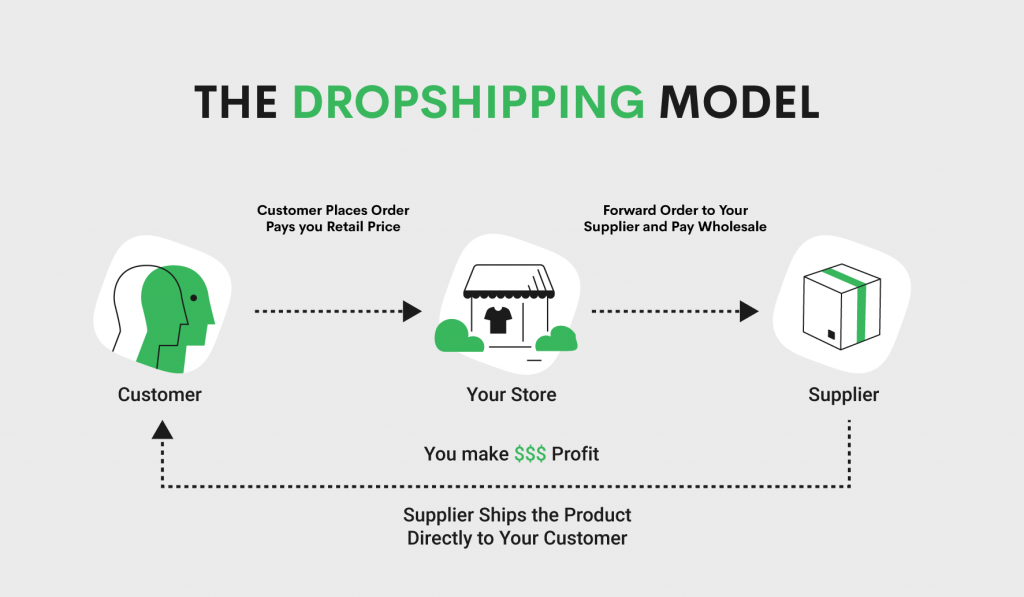
Table of Contents
What is Dropshipping?
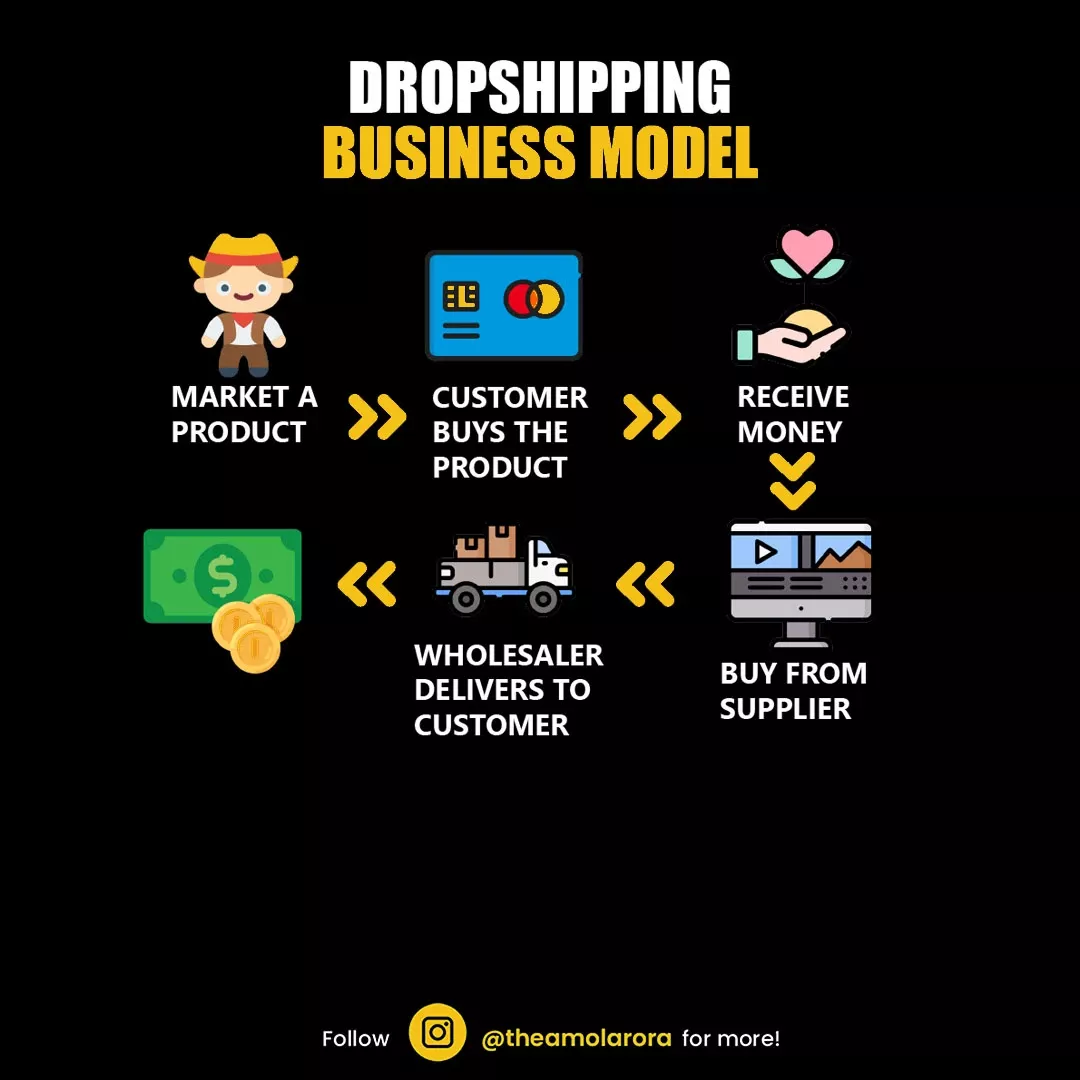
Dropshipping is a retail fulfillment method where a store does not keep the products it sells in stock. Instead, when a store sells a product, it purchases the item from a third party and has it shipped directly to the customer. This means that the seller does not have to handle the product directly, which can significantly reduce overhead costs.
The Basic Process of Dropshipping
The dropshipping process can be broken down into several key steps:
- Customer Places an Order: A customer visits your online store and places an order for a product.
- Order Forwarding: You receive the order and forward the details to your dropshipping supplier.
- Supplier Ships the Product: The supplier then picks, packs, and ships the product directly to the customer.
- Customer Receives the Product: The customer receives the product without ever knowing that it was shipped from a third party.
This model allows you to focus on marketing and customer service rather than inventory management.
Advantages of Dropshipping
Dropshipping offers several benefits that make it an attractive option for new entrepreneurs:
Low Startup Costs
One of the most significant advantages of dropshipping is the low barrier to entry. Since you do not need to invest in inventory upfront, you can start your business with minimal capital. This makes it an ideal option for those who want to test the waters of e-commerce without a substantial financial commitment.
Flexibility and Scalability
Dropshipping allows for a high degree of flexibility. You can operate your business from anywhere with an internet connection, and you can easily scale your operations. As your business grows, you can add new products and suppliers without the logistical challenges associated with traditional retail.
Wide Product Selection
With dropshipping, you can offer a vast array of products without the need to stock them. This means you can cater to various customer preferences and trends without the risk of being left with unsold inventory.
Focus on Marketing and Customer Service
Since you do not have to worry about inventory management, you can dedicate more time and resources to marketing your products and providing excellent customer service. This focus can lead to better customer retention and increased sales.
Disadvantages of Dropshipping
While dropshipping has many advantages, it also comes with its own set of challenges:
Lower Profit Margins
Since you are purchasing products from suppliers at wholesale prices, your profit margins may be lower compared to traditional retail models. This is especially true in competitive markets where pricing is crucial. To maintain profitability, you may need to find ways to differentiate your offerings or provide exceptional customer service.
Inventory Issues
Because you do not control inventory, you may face challenges with stock availability. If a supplier runs out of stock, it can lead to delays in fulfilling customer orders, which can negatively impact your business reputation. To mitigate this risk, it’s essential to establish strong relationships with reliable suppliers and regularly monitor their inventory levels.
Limited Control Over Shipping
When you rely on suppliers to ship products, you have less control over the shipping process. This can lead to issues with delivery times and product quality, which can affect customer satisfaction. It’s crucial to choose suppliers with a proven track record of timely shipping and quality products.
Customer Service Challenges
In a dropshipping model, you are responsible for customer service, even though you do not handle the products directly. This can be challenging if there are issues with shipping or product quality. You must be prepared to handle returns, refunds, and customer inquiries promptly to maintain a positive reputation.
How to Start a Dropshipping Business
Starting a dropshipping business involves several steps:
Step 1: Choose a Niche
Selecting a niche is crucial for your dropshipping business. Consider factors such as market demand, competition, and your interests. A well-defined niche can help you target your marketing efforts more effectively. Research trending products and consumer behavior to identify potential niches that align with your strengths and market opportunities.
Step 2: Research Suppliers
Finding reliable suppliers is essential for the success of your dropshipping business. Look for suppliers with a good reputation, quality products, and favorable shipping terms. Platforms like AliExpress, Oberlo, and SaleHoo can help you connect with potential suppliers. Additionally, consider reaching out to manufacturers directly to negotiate better terms and establish a more direct relationship.
Step 3: Set Up Your Online Store
You will need an e-commerce platform to sell your products. Popular options include Shopify, WooCommerce, and BigCommerce. These platforms offer user-friendly interfaces and various tools to help you manage your store. Ensure that your website is visually appealing, easy to navigate, and optimized for mobile devices to enhance the user experience.
Step 4: Market Your Products
Once your store is set up, you need to attract customers. Utilize digital marketing strategies such as social media marketing, search engine optimization (SEO), and pay-per-click (PPC) advertising to drive traffic to your store. Create engaging content that resonates with your target audience and showcases your products effectively.
Step 5: Manage Customer Service
Providing excellent customer service is vital for retaining customers and building a positive reputation. Be responsive to inquiries, handle returns and refunds efficiently, and ensure that customers are satisfied with their purchases. Consider implementing a customer relationship management (CRM) system to streamline communication and improve customer interactions.
Advanced Strategies for Success in Dropshipping
To thrive in the competitive dropshipping landscape, consider implementing the following advanced strategies:
Leverage Data Analytics
Utilize data analytics tools to track customer behavior, sales trends, and inventory levels. Analyzing this data can help you make informed decisions about product offerings, marketing strategies, and pricing adjustments. Tools like Google Analytics and Shopify Analytics can provide valuable insights into your business performance.
Optimize Your Supply Chain
Streamline your supply chain by establishing strong relationships with multiple suppliers. This can help you mitigate risks associated with stock shortages and shipping delays. Additionally, consider using fulfillment services that can handle warehousing and shipping on your behalf, allowing you to focus on other aspects of your business.
Invest in Branding
Building a strong brand identity can set you apart from competitors. Invest in professional branding elements such as a logo, color scheme, and consistent messaging across your marketing channels. A well-defined brand can foster customer loyalty and encourage repeat purchases.
Utilize Social Proof
Incorporate customer reviews and testimonials on your website to build trust and credibility. Social proof can significantly influence purchasing decisions, as potential customers are more likely to buy from a store with positive feedback. Encourage satisfied customers to leave reviews and showcase them prominently on your site.
Explore Multiple Sales Channels
Consider expanding your sales channels beyond your e-commerce website. Platforms like Amazon, eBay, and Etsy can provide additional exposure and access to a broader audience. Each platform has its own set of rules and fees, so be sure to research and understand the implications of selling on multiple channels.
Common Pitfalls to Avoid in Dropshipping
While dropshipping can be a lucrative business model, there are common pitfalls that new entrepreneurs should be aware of:
Neglecting Market Research
Failing to conduct thorough market research can lead to poor product selection and ineffective marketing strategies. Take the time to understand your target audience, their preferences, and the competitive landscape before launching your store.
Overlooking Supplier Reliability
Choosing unreliable suppliers can result in stock shortages, shipping delays, and poor product quality. Always vet potential suppliers thoroughly and consider ordering samples to assess their products and service quality.
Ignoring Customer Feedback
Customer feedback is invaluable for improving your business. Pay attention to reviews and suggestions from customers, and use this information to make necessary adjustments to your product offerings and customer service practices.
Underestimating Marketing Efforts
Many new dropshippers underestimate the importance of marketing. Simply setting up an online store is not enough; you must actively promote your products and engage with your audience to drive traffic and sales.
Failing to Adapt
The e-commerce landscape is constantly evolving, and successful dropshippers must be willing to adapt to changes in consumer behavior, market trends, and technology. Stay informed about industry developments and be prepared to pivot your strategies as needed.
The Future of Dropshipping
As e-commerce continues to grow, the dropshipping model is likely to evolve as well. Here are some trends to watch for in the future of dropshipping:
Increased Automation
Advancements in technology will likely lead to greater automation in the dropshipping process. From inventory management to order fulfillment, automation tools can help streamline operations and reduce manual labor, allowing entrepreneurs to focus on strategic growth.
Emphasis on Sustainability
Consumers are becoming increasingly conscious of sustainability and ethical sourcing. Dropshippers who prioritize eco-friendly products and transparent supply chains may find a competitive advantage in the market.
Integration of AI and Machine Learning
Artificial intelligence and machine learning technologies can enhance customer experiences by providing personalized recommendations and improving inventory management. Dropshippers who leverage these technologies may be better positioned to meet customer demands and optimize their operations.
Growth of Niche Markets
As competition increases, niche markets will become more prominent. Entrepreneurs who can identify and cater to specific customer needs will likely find success in the dropshipping space.
Conclusion
Dropshipping is a viable business model that allows entrepreneurs to enter the e-commerce space with minimal investment. By understanding how dropshipping works, its advantages and disadvantages, and the steps to start your own business, you can position yourself for success in this competitive market. While challenges exist, with the right strategies and dedication, you can build a profitable dropshipping business.
Ready to start your dropshipping journey and discover a world of unique products that can elevate your online store? Explore the exciting offerings at LooperBuy today! Visit LooperBuy.
Article Summary: This article provides a comprehensive overview of how dropshipping works, detailing its process, advantages, and disadvantages. It outlines practical steps for starting a dropshipping business and explores advanced strategies for success, common pitfalls to avoid, and future trends in the dropshipping industry.
Hot Tags: Dropshipping; E-commerce; Online Business; Retail Fulfillment; Supplier Management; Inventory Management; Digital Marketing; Customer Service; Niche Selection; Profit Margins; Business Model; Startup Costs; Market Research; Shipping Solutions; Product Quality; Sales Strategy; E-commerce Platforms; Business Growth; Entrepreneurial Success; Wholesale Suppliers; Order Fulfillment; Customer Satisfaction; Business Challenges; Marketing Techniques; Online Store Setup; E-commerce Trends; Business Scalability; Product Selection; Dropshipping Suppliers; E-commerce Strategies.
Related Questions & Answers
· What are the best niches for dropshipping in 2024?
Some of the best niches for dropshipping in 2024 include eco-friendly products, health and wellness items, tech gadgets, and personalized gifts. Researching current trends and consumer interests can help you identify profitable niches.
· How can I automate my dropshipping business?
You can automate your dropshipping business by using tools like Oberlo or Spocket for product sourcing, integrating your store with fulfillment services, and utilizing email marketing automation to engage with customers.
· What are the legal considerations for starting a dropshipping business?
Legal considerations include registering your business, understanding tax obligations, ensuring compliance with consumer protection laws, and reviewing supplier agreements to avoid potential liabilities.