The vintage children’s toy Speak & Spell, released by Texas Instruments in 1978, is more than just a toy; it represents a significant milestone in educational technology. This handheld device was one of the first to use speech synthesis, allowing children to hear words pronounced correctly while learning to spell them. In this article, we will explore the history, features, impact, and enduring legacy of Speak & Spell, as well as its place in the hearts of collectors and nostalgic adults. The combination of technology and education in Speak & Spell not only made learning enjoyable but also set the stage for future innovations in educational toys.
Table of Contents
The Origins of Speak & Spell
The Birth of an Educational Revolution
Speak & Spell was introduced during a time when educational toys were beginning to gain popularity. The late 1970s and early 1980s saw a surge in interest in toys that could teach children essential skills while keeping them entertained. Texas Instruments, a company known for its innovations in electronics, recognized the potential for a toy that could combine learning with play. The result was Speak & Spell, which quickly became a household name. This toy was not just a product; it was a response to the growing demand for educational tools that could engage children in a fun and interactive way. The introduction of Speak & Spell marked a turning point in how educational content was delivered to young learners, making it more accessible and enjoyable.
Technological Innovations
At the heart of Speak & Spell was its groundbreaking speech synthesis technology. Unlike previous toys that used simple sound effects or recorded phrases, Speak & Spell could generate speech in real-time. This was achieved through a process called digital signal processing, which allowed the toy to pronounce words clearly and accurately. The device featured a keyboard with letters and a small screen that displayed the words children were learning to spell. This innovative approach not only captivated children but also provided a model for future educational devices. The ability to hear words pronounced correctly helped children develop phonetic awareness, which is crucial for reading and writing skills. Speak & Spell was a pioneer in integrating technology into learning, setting a precedent for the educational tools that followed.
Features of Speak & Spell
Design and Functionality
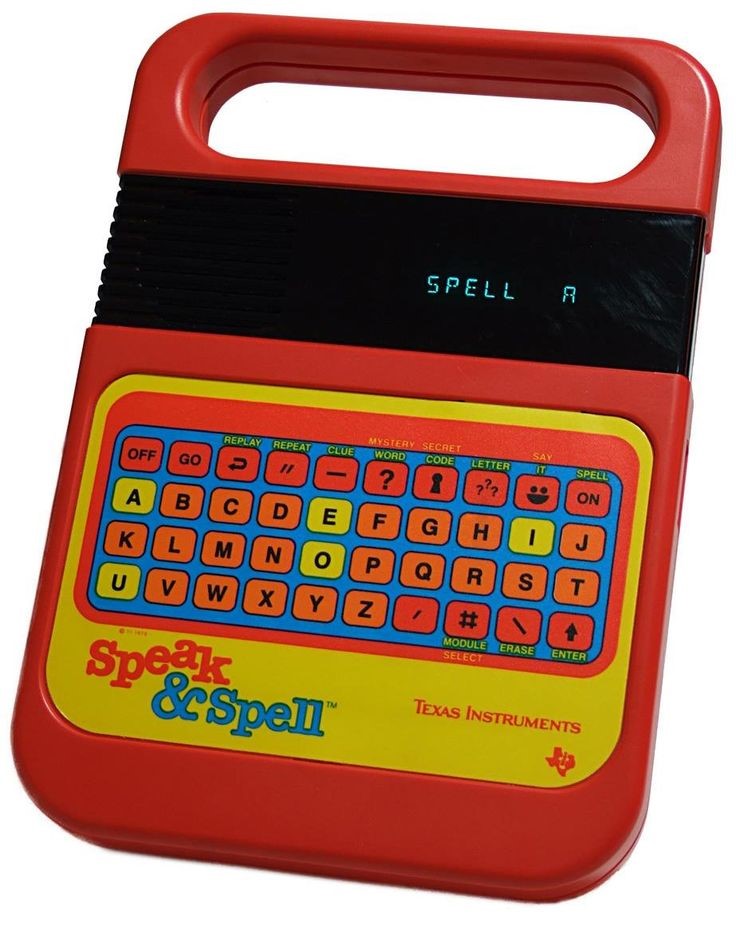
The design of Speak & Spell was both functional and appealing to children. It featured a bright red and yellow casing, a large carrying handle, and a colorful keypad. The toy was roughly the size of a sheet of paper, making it portable and easy for children to handle. The interface was user-friendly, allowing kids to navigate through various spelling games and challenges effortlessly. The bright colors and engaging design were specifically chosen to attract young users, making learning feel like an adventure rather than a chore. The tactile feedback of the keys and the visual display of words further enhanced the interactive experience, encouraging children to explore and learn at their own pace.
Learning Through Play
Speak & Spell was designed to make learning fun. It included several modes of play, such as spelling games where children would hear a word and then attempt to spell it using the keypad. The toy provided immediate feedback, encouraging children to try again if they made a mistake. This interactive approach helped to reinforce learning and build confidence in young learners. The gamification of education through Speak & Spell allowed children to engage with the material actively, fostering a sense of achievement with each correctly spelled word. This method of learning through play not only kept children entertained but also instilled a love for learning that could last a lifetime.

The Impact of Speak & Spell
Educational Value
The educational value of Speak & Spell cannot be overstated. It was one of the first toys to incorporate technology into learning, paving the way for future educational devices. Children who played with Speak & Spell not only learned to spell but also developed their listening and cognitive skills. The toy was particularly beneficial for children with learning difficulties, as it provided a supportive and engaging way to practice spelling. By allowing children to hear words pronounced correctly, Speak & Spell helped bridge the gap between auditory and visual learning styles. This inclusivity made it a valuable tool in classrooms and homes alike, as it catered to diverse learning needs and preferences.
Cultural Significance
Speak & Spell quickly became a cultural icon of the 1980s. It was featured in various television shows and movies, further cementing its place in popular culture. The toy’s distinctive voice and design made it instantly recognizable, and it became a symbol of the era’s fascination with technology and education. As children played with Speak & Spell, they were not just learning; they were also participating in a cultural phenomenon that celebrated innovation and creativity. The toy’s appearances in media helped to solidify its status as a beloved childhood companion, making it a nostalgic item for many adults today.
The Legacy of Speak & Spell
Collectibility and Nostalgia
Today, Speak & Spell is highly sought after by collectors and nostalgic adults who remember playing with it as children. Vintage models can often be found at toy fairs, online auctions, and specialty shops. Collectors appreciate the toy not only for its educational value but also for its historical significance in the evolution of learning technologies. The nostalgia associated with Speak & Spell is powerful, as it evokes memories of childhood learning experiences. Many collectors seek out the original models, often sharing stories of how the toy impacted their early education and sparked a lifelong love of learning.
Modern Revivals
In recent years, there has been a resurgence of interest in vintage toys, including Speak & Spell. Companies have released modern versions of the toy, capturing the essence of the original while incorporating updated technology. These new iterations maintain the charm of the classic design while offering enhanced features, such as improved speech synthesis and additional learning modes. The revival of Speak & Spell reflects a broader trend in the toy industry, where there is a growing appreciation for educational toys that combine nostalgia with modern technology. This blend of old and new allows a new generation of children to experience the joy of learning through play, just as their parents did.
Conclusion
The vintage children’s toy Speak & Spell is a remarkable example of how technology can enhance learning. Its innovative design, educational value, and cultural significance have made it a beloved toy for generations. As we look back on its impact, it is clear that Speak & Spell has left an indelible mark on the world of educational toys, inspiring future generations to learn through play. The legacy of Speak & Spell continues to influence the development of educational tools, reminding us of the importance of making learning engaging and enjoyable for children.
How to purchase:https://looperbuy.com/search?keywords=the+Vintage+Children%27s+Toy+Speak+%26+Spell
Related Questions and Answers
1. What year was Speak & Spell first released?
Speak & Spell was first released in 1978 by Texas Instruments.
2. How does Speak & Spell help children learn?
Speak & Spell helps children learn by allowing them to hear words pronounced correctly while they practice spelling them using a tactile keyboard.
3. Is Speak & Spell still available today?
Yes, modern versions of Speak & Spell are available, featuring updated technology while retaining the classic design.
4. What skills does Speak & Spell help develop in children?
Speak & Spell helps develop spelling, listening, and cognitive skills in children.
5. Why is Speak & Spell considered a cultural icon?
Speak & Spell is considered a cultural icon due to its popularity in the 1980s and its representation of the era’s fascination with educational technology.