Starting a drop shipping business can be an exciting venture, especially for those looking to enter the world of e-commerce without the burden of inventory management. This guide will explore the best ways to start drop shipping, providing you with the knowledge and tools necessary to launch your business effectively.

Table of Contents
Understanding Drop Shipping
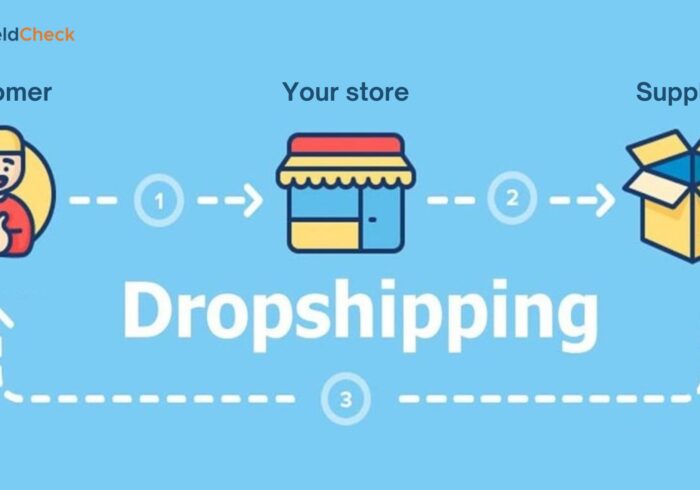
Drop shipping is a retail fulfillment method where a store doesn’t keep the products it sells in stock. Instead, when a store sells a product, it purchases the item from a third party and has it shipped directly to the customer. This means that the seller never sees or handles the product.
Advantages of Drop Shipping
- Low Capital Requirement: One of the most significant advantages of drop shipping is that it requires minimal upfront investment. You don’t need to purchase inventory upfront, which reduces financial risk.
- Wide Product Selection: Since you don’t have to pre-purchase the items you sell, you can offer a wide variety of products to your customers without worrying about storage space.
- Location Independence: Drop shipping allows you to run your business from anywhere with an internet connection. This flexibility is appealing to many entrepreneurs.
- Scalability: As your business grows, you can easily scale your operations without the need for significant investments in inventory or warehousing.
- Reduced Overhead Costs: With drop shipping, you don’t have to worry about the costs associated with maintaining a physical store or warehouse, which can significantly reduce your overhead expenses.
- Focus on Marketing and Sales: Since you don’t have to manage inventory or shipping logistics, you can focus more on marketing and sales strategies to grow your business.
Steps to Start Your Drop Shipping Business
Starting a drop shipping business involves several key steps. Here’s a detailed breakdown of the process.
Step 1: Choose a Niche
Selecting the right niche is crucial for your drop shipping business. A well-defined niche helps you target your marketing efforts and attract a specific audience.
Factors to Consider When Choosing a Niche
- Market Demand: Research current trends and consumer demands. Use tools like Google Trends to identify popular products.
- Competition: Analyze your competitors. A niche with too much competition may be challenging to penetrate.
- Profit Margins: Ensure that the products you choose have a healthy profit margin. Consider the costs of shipping and marketing when calculating potential profits.
- Personal Interest: Choose a niche that you are passionate about. This will keep you motivated and engaged in your business.
- Seasonality: Consider whether the products you choose are seasonal. Some niches may have high demand during specific times of the year, which can affect your sales.
Step 2: Conduct Market Research
Once you have a niche in mind, conduct thorough market research to understand your target audience and their preferences.
Tools for Market Research
- Surveys and Questionnaires: Use online tools to gather feedback from potential customers.
- Social Media: Monitor social media platforms to see what products are trending and what customers are saying.
- Competitor Analysis: Study your competitors’ websites, product offerings, and customer reviews to identify gaps in the market.
- Keyword Research: Utilize tools like SEMrush or Ahrefs to find keywords related to your niche, which can help in SEO and content marketing.
- Customer Personas: Create detailed customer personas to understand the demographics, interests, and pain points of your target audience.
Step 3: Find Reliable Suppliers
Finding reliable suppliers is one of the most critical aspects of starting a drop shipping business. Your suppliers will be responsible for fulfilling orders, so it’s essential to choose wisely.
Tips for Finding Suppliers
- Use Online Directories: Websites like AliExpress, Oberlo, and SaleHoo can help you find reputable suppliers.
- Contact Suppliers Directly: Reach out to potential suppliers to ask about their products, shipping times, and return policies.
- Order Samples: Before committing to a supplier, order samples to evaluate product quality and shipping speed.
- Check Reviews and Ratings: Look for suppliers with positive reviews and ratings from other drop shippers to ensure reliability.
- Negotiate Terms: Don’t hesitate to negotiate terms with suppliers, including pricing, shipping times, and return policies to ensure a mutually beneficial relationship.
Step 4: Build Your Online Store
Creating an online store is where you will showcase your products and make sales. There are several platforms available for building an e-commerce store.
Popular E-commerce Platforms
- Shopify: Known for its user-friendly interface and extensive app ecosystem, Shopify is a popular choice for drop shippers.
- WooCommerce: A WordPress plugin that allows you to turn your website into an online store, WooCommerce is highly customizable.
- BigCommerce: This platform offers robust features and scalability, making it suitable for growing businesses.
- Wix: A website builder that offers e-commerce capabilities, Wix is ideal for those who want a simple drag-and-drop interface.
- Squarespace: Known for its beautiful templates, Squarespace is a great option for visually-driven brands.
Step 5: Develop a Marketing Strategy
Once your store is set up, it’s time to attract customers. A solid marketing strategy is essential for driving traffic and generating sales.
Effective Marketing Techniques
- Search Engine Optimization (SEO): Optimize your website for search engines to increase organic traffic. Focus on keyword optimization, meta tags, and high-quality content.
- Social Media Marketing: Use platforms like Instagram and Facebook to promote your products and engage with your audience. Create visually appealing posts and run targeted ads.
- Email Marketing: Build an email list to keep your customers informed about new products and promotions. Use email marketing tools like Mailchimp or Klaviyo to automate your campaigns.
- Content Marketing: Create valuable content related to your niche, such as blog posts, videos, or infographics, to attract and engage your audience.
- Influencer Marketing: Collaborate with influencers in your niche to reach a broader audience and build credibility.
Step 6: Manage Your Business
After launching your store, ongoing management is crucial for success. This includes handling customer service, processing orders, and analyzing performance metrics.
Key Management Tasks
- Customer Service: Provide excellent customer support to build trust and encourage repeat business. Use chatbots or helpdesk software to streamline communication.
- Order Fulfillment: Ensure that orders are processed promptly and accurately. Monitor shipping times and address any issues that arise.
- Performance Analysis: Use analytics tools to track sales, website traffic, and customer behavior to make informed decisions. Google Analytics and Shopify Analytics are great tools for this purpose.
- Inventory Management: Even though you don’t hold inventory, keep track of your suppliers’ stock levels to avoid selling out-of-stock items.
- Feedback and Improvement: Regularly seek feedback from customers and use it to improve your products and services.
Step 7: Legal Considerations
Starting a drop shipping business also involves understanding the legal aspects of running an online store.
Important Legal Considerations
- Business Structure: Decide on a business structure (sole proprietorship, LLC, corporation) and register your business accordingly.
- Tax Obligations: Understand your tax obligations, including sales tax and income tax. Consult with a tax professional to ensure compliance.
- Terms and Conditions: Create clear terms and conditions for your website, including return policies, shipping information, and privacy policies.
- Intellectual Property: Be aware of copyright and trademark laws to avoid infringing on others’ rights. Ensure that your branding and product descriptions are original.
- Compliance with Regulations: Familiarize yourself with e-commerce regulations, including consumer protection laws and data privacy regulations.
Step 8: Automate Your Business
As your drop shipping business grows, consider automating certain processes to save time and increase efficiency.
Automation Tools
- Order Management Software: Use tools like Oberlo or Spocket to automate order processing and inventory management.
- Email Automation: Set up automated email campaigns for abandoned carts, product recommendations, and customer follow-ups.
- Social Media Scheduling: Use tools like Buffer or Hootsuite to schedule social media posts in advance, allowing you to maintain a consistent online presence.
- Accounting Software: Utilize accounting software like QuickBooks or Xero to automate financial tracking and reporting.
Step 9: Scale Your Business
Once your drop shipping business is established, you may want to consider scaling it to increase revenue and reach a larger audience.
Strategies for Scaling
- Expand Product Range: Introduce new products to your store to attract a broader customer base.
- Explore New Markets: Consider targeting international markets or different demographics to increase your customer reach.
- Invest in Paid Advertising: Use paid advertising strategies, such as Google Ads or Facebook Ads, to drive more traffic to your store.
- Optimize Your Website: Continuously improve your website’s user experience and conversion rates through A/B testing and user feedback.
- Build a Brand: Focus on building a strong brand identity that resonates with your target audience, which can lead to customer loyalty and repeat business.
Conclusion
Starting a drop shipping business can be a rewarding endeavor if approached with the right strategies and mindset. By understanding the fundamentals of drop shipping, conducting thorough research, and implementing effective marketing techniques, you can set yourself up for success in the competitive e-commerce landscape.
In summary, the best way to start drop shipping involves choosing a niche, conducting market research, finding reliable suppliers, building an online store, developing a marketing strategy, managing your business effectively, understanding legal considerations, automating processes, and scaling your business. With dedication and persistence, you can create a thriving drop shipping business.
As you embark on your drop shipping journey, remember that the right products can make all the difference in attracting customers and boosting sales. Discover a wide range of trending items that can elevate your store at LooperBuy.
Article Summary: This article provides a comprehensive guide on the best ways to start a drop shipping business. It covers essential steps such as choosing a niche, conducting market research, finding reliable suppliers, building an online store, developing a marketing strategy, managing your business, understanding legal considerations, automating processes, and scaling your business. By following these guidelines, aspiring entrepreneurs can successfully launch and manage their drop shipping ventures.
Hot Tags: Drop Shipping; E-commerce; Online Business; Market Research; Supplier Management; Shopify; WooCommerce; Digital Marketing; SEO; Customer Service; Business Strategy; Niche Selection; Product Sourcing; Sales Funnel; Social Media Marketing; Email Marketing; Order Fulfillment; Performance Metrics; Business Management; Entrepreneurial Success; Retail Fulfillment; Inventory Management; Profit Margins; Market Trends; Consumer Behavior; Business Growth; Online Store; Marketing Techniques; Business Development; E-commerce Platforms; Automation Tools; Legal Considerations; Tax Obligations; Scaling Strategies
Related Questions & Answers
· What are the most profitable niches for drop shipping in 2024?
Some of the most profitable niches for drop shipping in 2024 include eco-friendly products, health and wellness items, tech gadgets, and home fitness equipment.
· How do I effectively manage customer service for a drop shipping business?
To manage customer service effectively, provide multiple communication channels, respond promptly to inquiries, and use customer feedback to improve your services.
· What are the best tools for automating a drop shipping business?
Some of the best tools for automating a drop shipping business include Oberlo for order management, Mailchimp for email marketing, and Hootsuite for social media scheduling.
· What are some common mistakes to avoid when starting a drop shipping business?
Common mistakes include choosing a saturated niche, neglecting customer service, and failing to conduct thorough market research.
· How do I handle customer complaints in a drop shipping business?
Address customer complaints promptly and professionally. Offer solutions such as refunds or replacements, and ensure clear communication throughout the process.